

Renaming of the city of Kirovohrad to Kropyvnytskyi, which took place two and a half years ago, became a surprise for many citizens. Of course, the name of the director, actor, one of the founders of the Ukrainian professional realistic theater is well known here: since 1940 the regional academic music and drama theater was named after him. However, for most of our countrymen, Marko Lukych remains a familiar stranger: the name from the posters or inscriptions on the monuments. Meanwhile, he lived an interesting, turbulent life, full of passion, successes, and ups, but also grief, loss, and disappointment. And in our region, there are a lot of places that remind and tell about it.
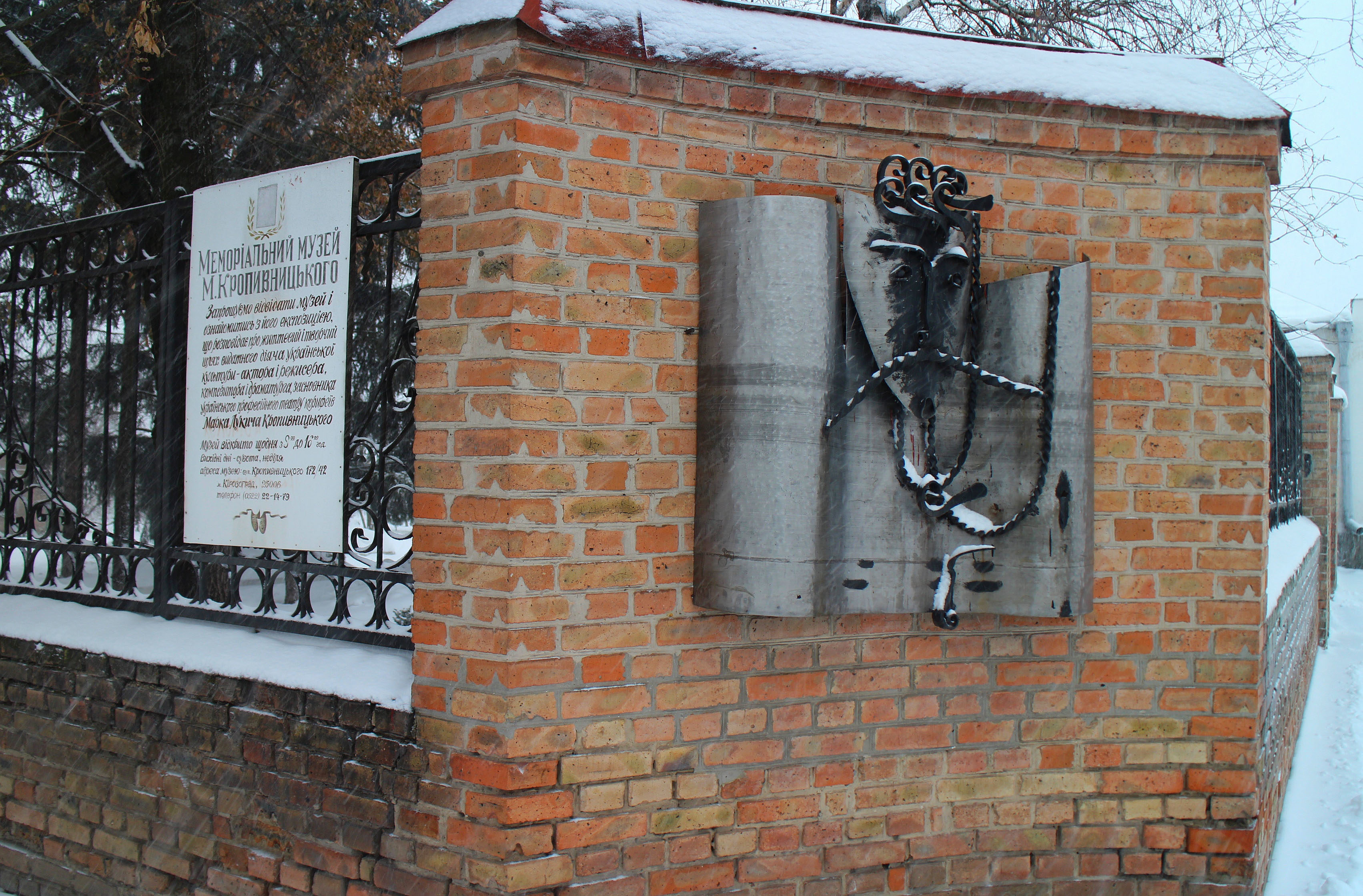
Opponents of the new name of the city insistently emphasized that Marko Lukych has not always lived here. And it could be true, if not the house of Marfa Zaykovska on the former Bolotna street. This is about the house of the aunt of his first wife Oleksandra Vukotych. Now there is a memorial museum of the playwright and director there. He became a part of the family after his marriage in 1868 with Oleksandra, whose aunt Marfa Zaykovska, who did not have her own kids, treated the niece like her own daughter.
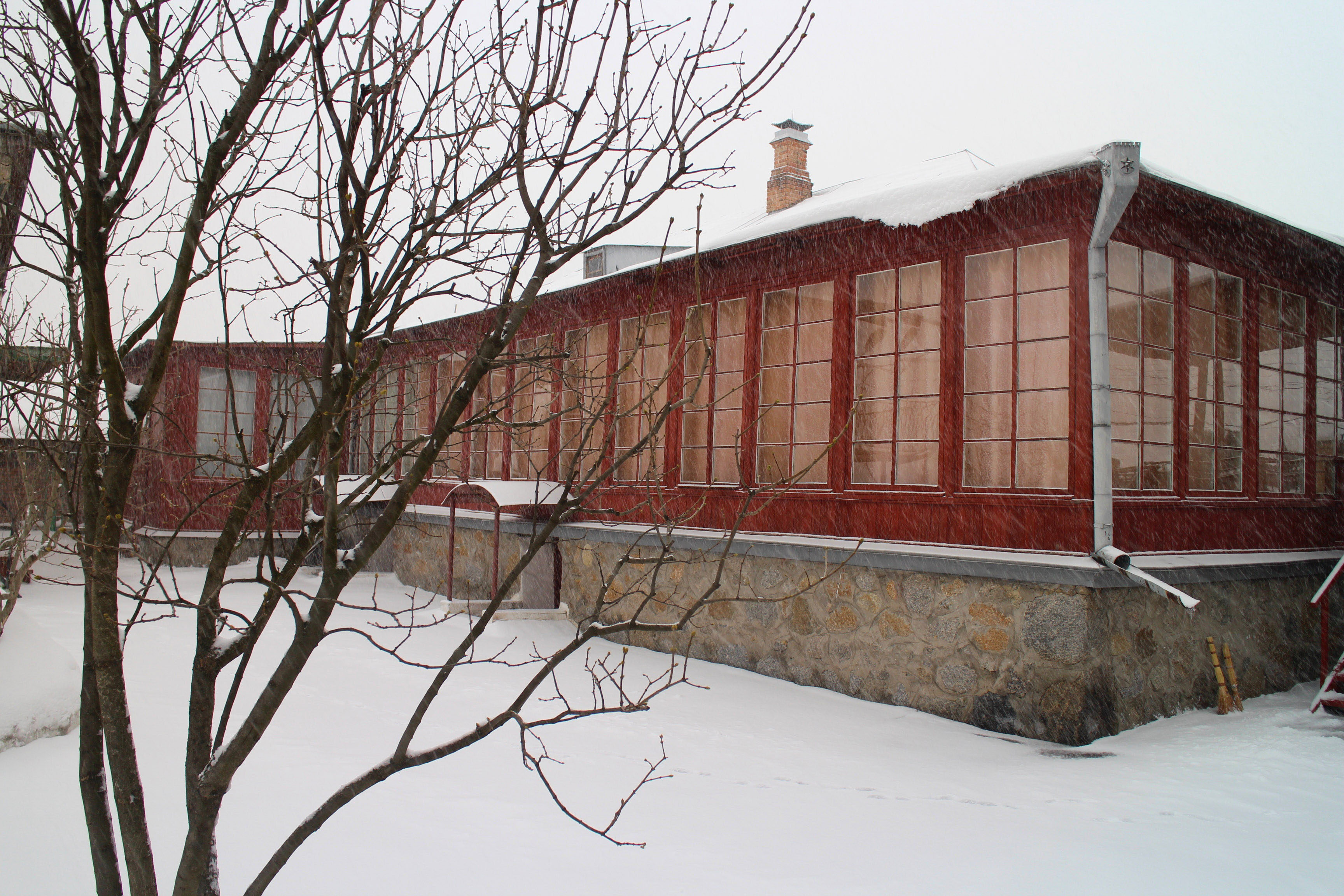
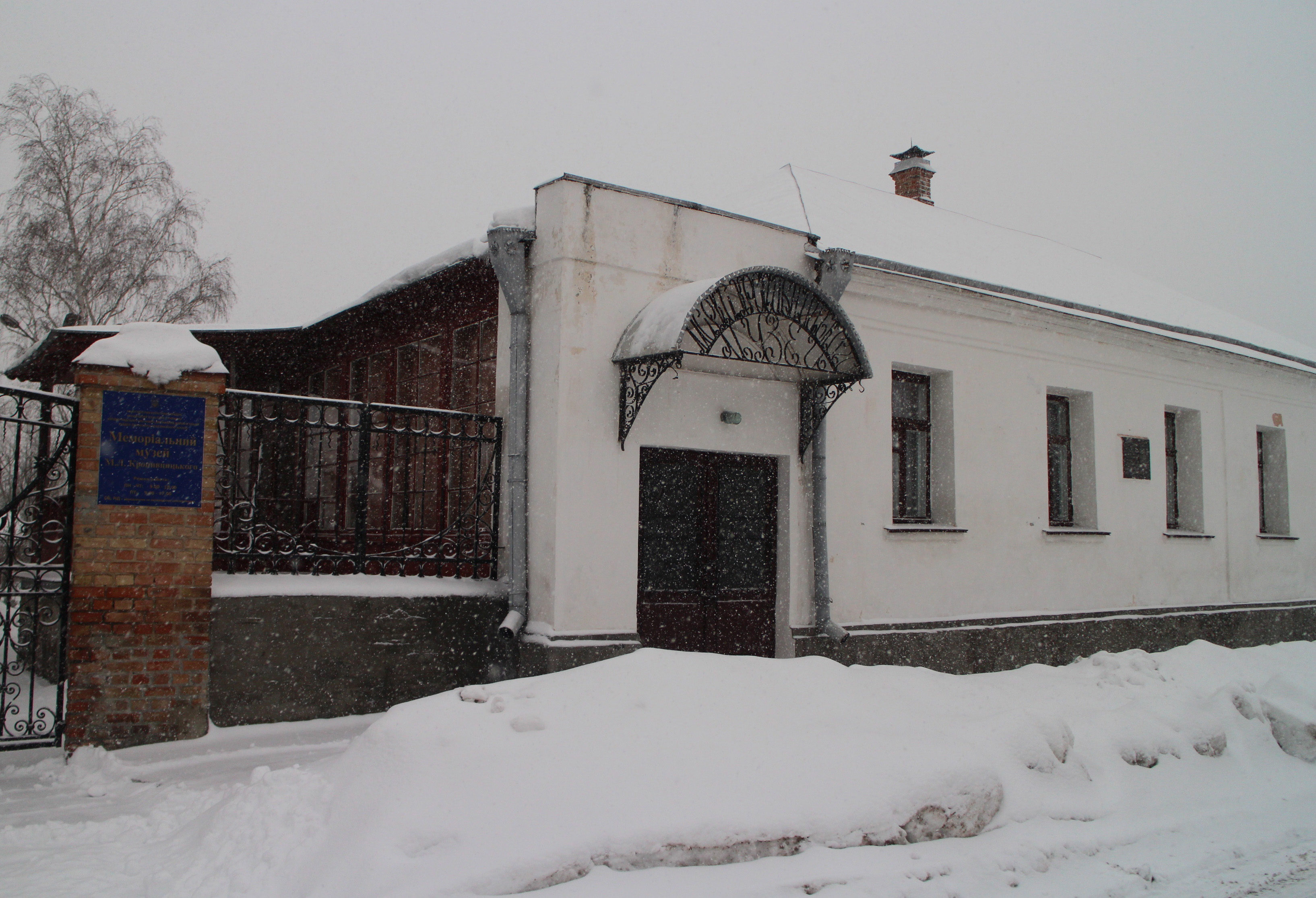
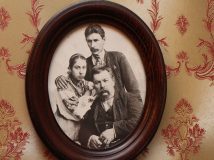
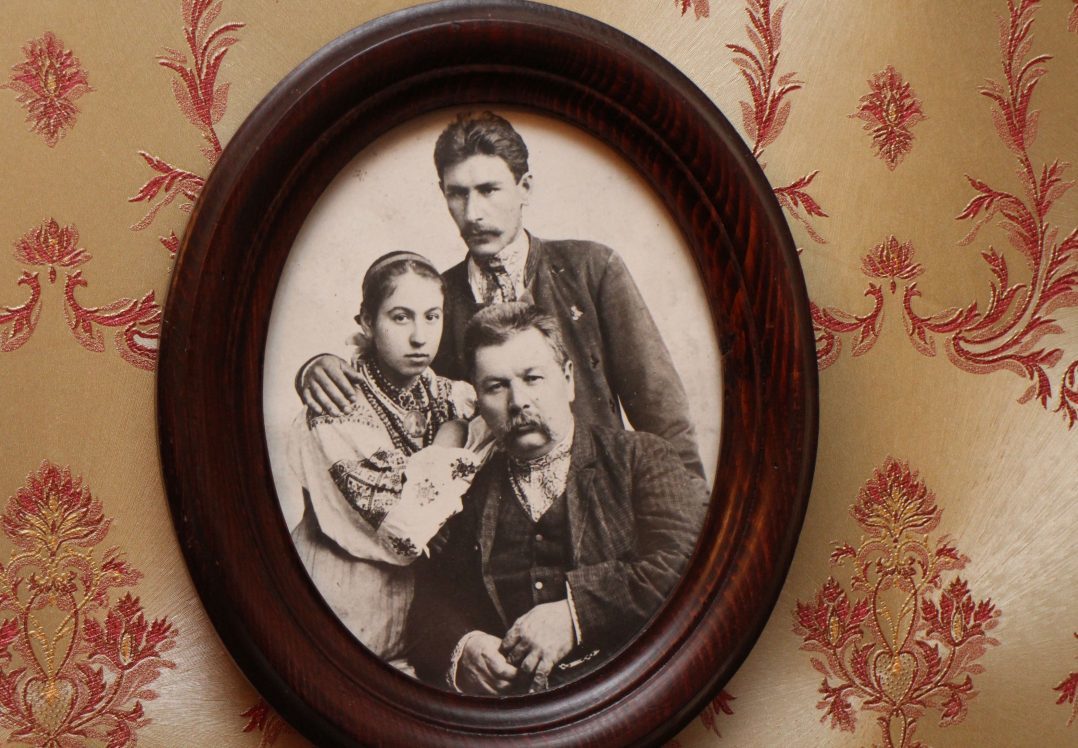
It was love at first sight. They met in Bobrynka (now – the district center of the Kirovohrad region), where young Marko was working as a clerk at a local court. It was his uncle, Mykola Dubrovynskyi, who organized an amateur theater in the town, where Marko played his first parts. Oleksandra also participated in that performances. However, great love brought a lot of grief: their first children were born dead. Later, when they already had a daughter of Mariyka, the couple also adopted a son Kostyantyn. Oleksandra died at a very young age, she was only 28. It is believed that she passed away because of tuberculosis, but Marko Lukych wrote that she was infected with diphtheria by the boy she took care of (Oleksandra was very sympathetic and tried to help as much as she could).
And if, until 1880, Kropyvnytskyi indeed lived in the house of Ms. Marfa intermittently, then after the death of his wife, he was staying there for a long time, because their little daughter, Mariyka, whom grandma Marfa loved and considered as her own grandchild, didn’t want to part with her father. Memories preserved that grandma Zaykovska loved all the children and often gave rides to neighboring children on her coach, and on the veranda, there was a cage with a parrot that could speak.
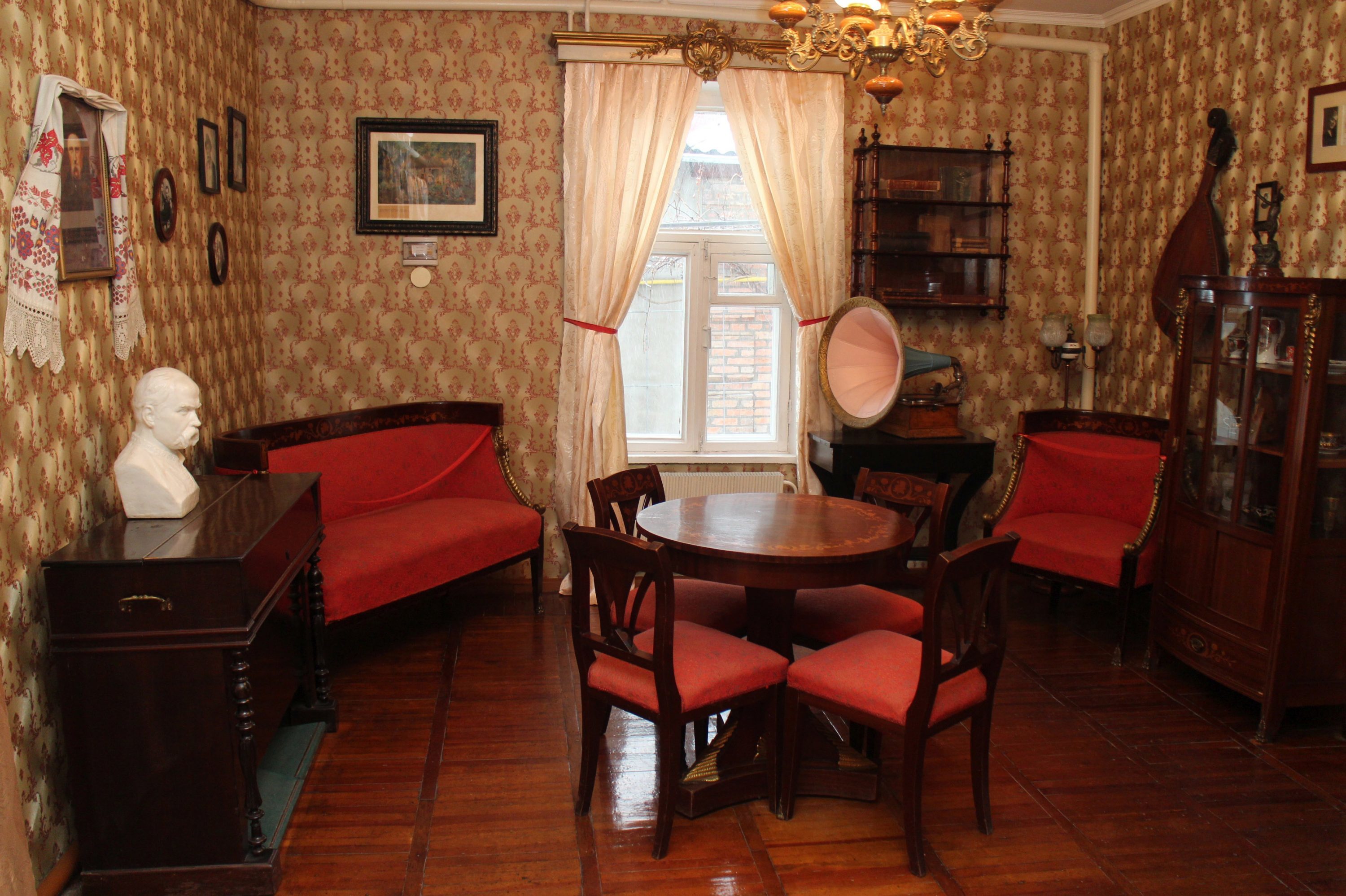
Of course, a little bit later, Marko Lukych had to go on tours with his troupe, but these trips weren’t for too long. The thing is that the Ukrainian repertoire (the troupe became famous thanks to them) at that time was limited to literally several plays. In addition, Russian censorship forbade the translation of foreign-language works into Ukrainian for production on a stage, these were only original plays permitted by the same censorship. So the troupe couldn’t perform only in one city. The first stationary theater appeared in Ukraine only in 1907 under the direction of Kropyvnytsky’s pupil Mykola Sadovsky. At that time, performances were also forbidden during state and religious holidays, as well as during the fasting days. So, Marko Kropyvnytskyi returned to this house at former Bolotna street (now it’s named after Mykola Smolenchuk, writer and scientist, author of the novel about Marko Kropyvnytskyi “Oh, the eagle flew”).
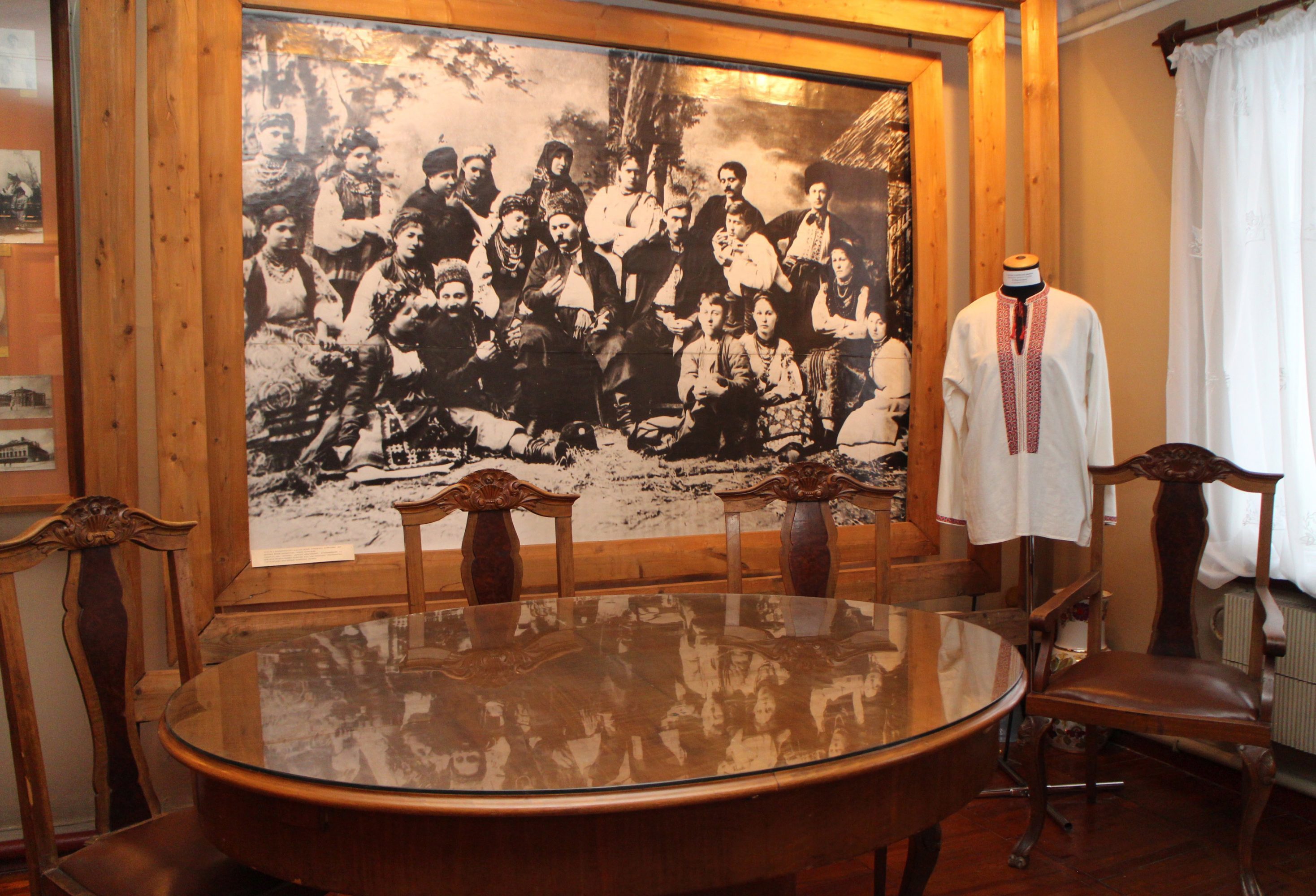
Here he wrote his famous plays “Hlytai or the Spider”, “Give the heart freedom and it will lead you into slavery)”, “Two families”. Here was his first meeting with Maria Zankovetska, who was invited to the city to participate in the theater troupe by Mykola Sadovsky. He also brought his second wife, Nadia Hladushchenko here and she gave birth to a girl named after Oleksandra Vukotych – Lesya. They lived in this building until 1889, when Marko Lukych bought a manor in the Kharkiv region in the village of Sashyno, he called it Zatyshok.
Mykola Sadovsky recalled that when he brought Ms. Maria from the station, Marko Lukych immediately began her audition for participation in the troupe. Mr. Mykola who was deeply in love had to intercede – let the woman have some rest after the trip…
In the same house, the rehearsals of the troupe continued. It debuted in autumn 1882 at the Winter Theater of then Elizabethgrad with “Natalka Poltavka” and it became famous worldwide.
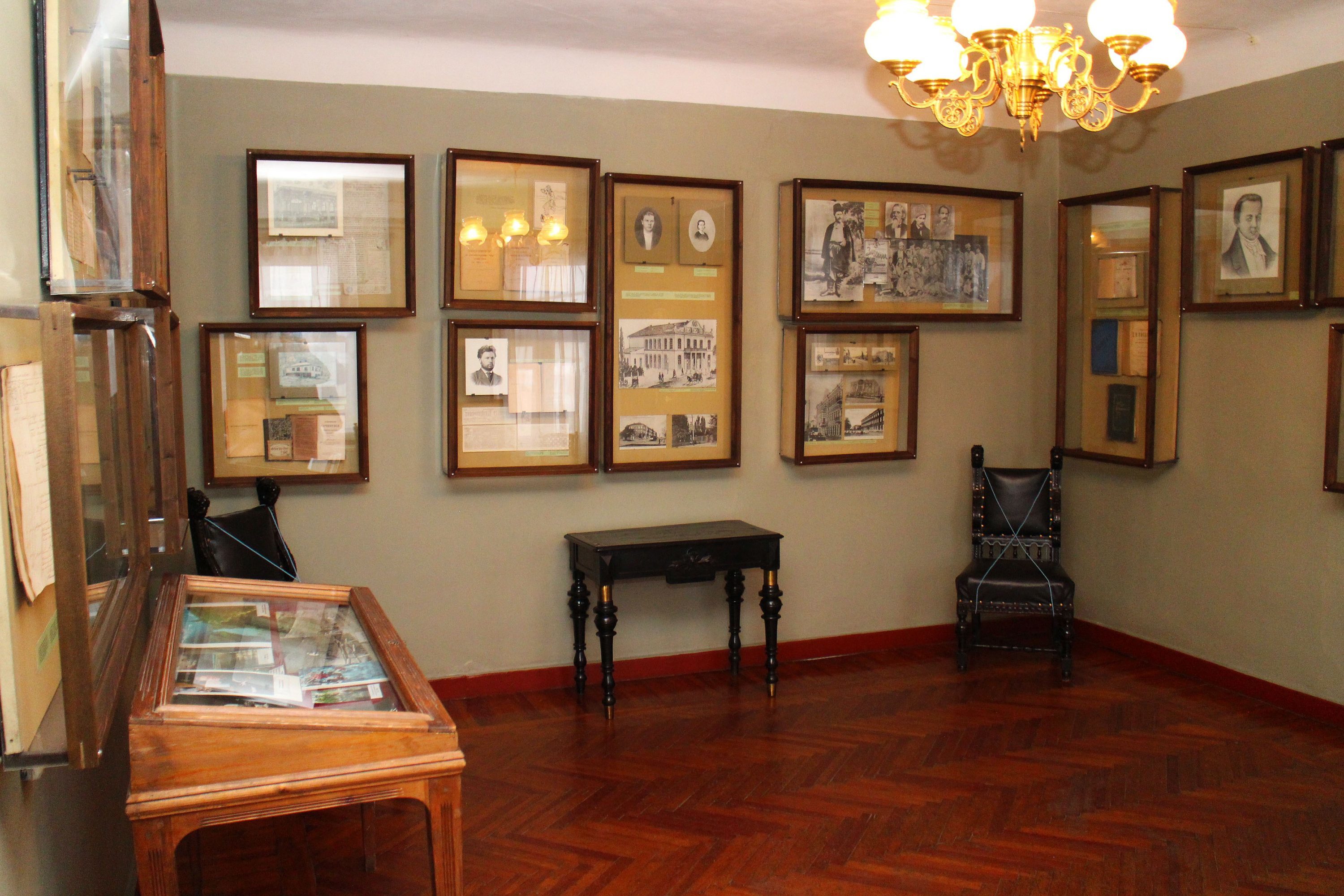
Even later, when Marko Lukych was in our city, he loved to stay at the house of Marfa Zaykovska. He said that for a few months here he could make and write more than elsewhere in a year. This house, after the death of the owner, was inherited by Mariyka, who in 1908, after the death of Ms. Marfa, sold it to a local Bulgarian businessman Hoja Stoyanov. He launched in the farmstead production of canned vegetables that were in great demand. After the events of 1917, the house turned into communal property, it was divided into apartments where several families lived.
When she grew up Mariyka married an actor Mykola Linytskyi (brother of the famous Liubov Linytska), but like her mother, she died very early, when she just over thirty. She left six small children alone. Already in the late 70ies of the last century, her granddaughter Halyna, who lived in Kharkiv, corresponded with the founder of the museum Viktor Yarosh.
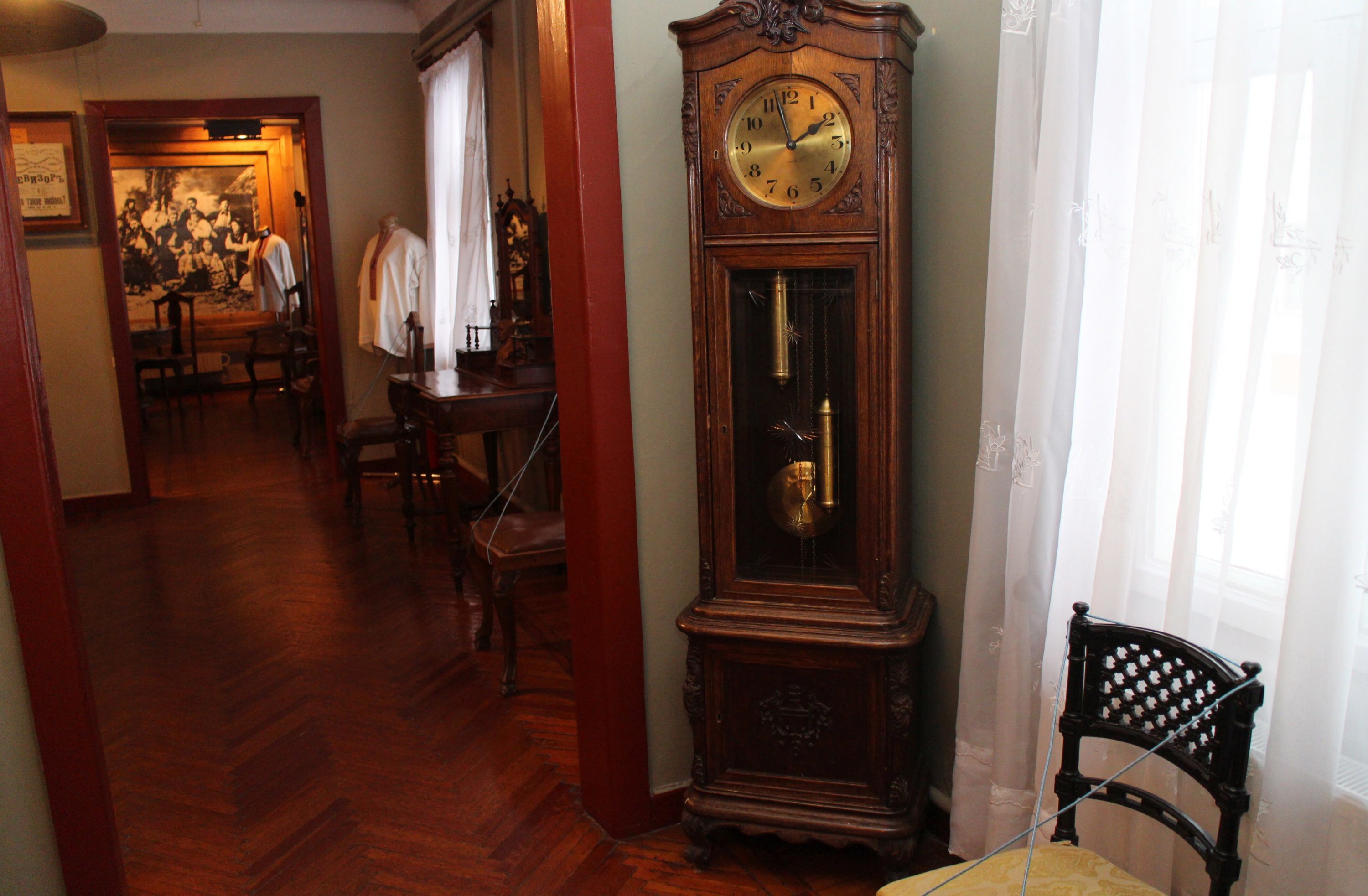
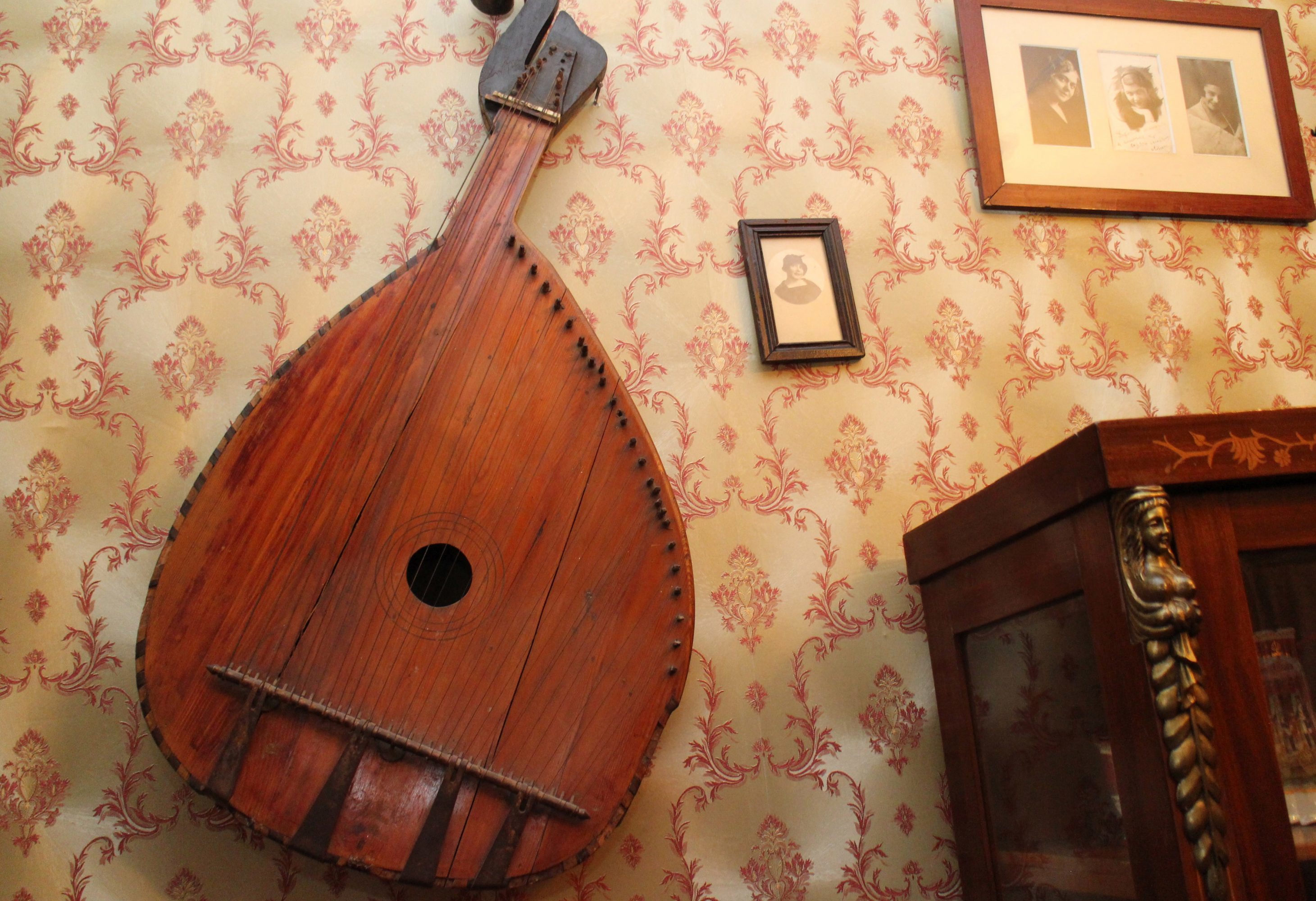
Thanks to the persistent efforts of Ivan Karpenko-Kary’s grandson Andriy Tobilevych and ethnographer and historian Viktor Yarosh only in 1982, in fact by the 100th anniversary of the Coryphaeus’ Theater, when the whole world celebrated this date according to UNESCO decision, the Kropyvnytskyi Memorial Museum was opened here. The house has several rooms with a large veranda, where guests are traditionally treated with tea, it also has a garden nearby. The current head of the museum, Mykola Halytskyi, dreams to expand the territory and build summer theater here. It would be a great fit during the “Kropyvnytskyi” artistic festival that already for two years has been a great success in our city.
In the early 2000s, Marko Lukych himself appeared in the courtyard of the museum. Even when the decisions of the regional and city councils on the management of territory of the memorial museum estate were adopted, the idea to establish a bust-monument had appeared. It was ordered from the sculptor Ivan Honchar. When it was ready, the bust was delivered to back then Kirovohrad, but some circumstances, and then, apparently, the lack of money prevented it from being installed. So the granite Maroko Lukych was lying under the stairs of the main entrance of his former residence for more than ten years until Mykola Halytskyi cared about his appearance in the courtyard of the house he loved so much. The bust was opened one and a half decades ago on the birthday of an outstanding playwright, director, actor and theater’s founder.
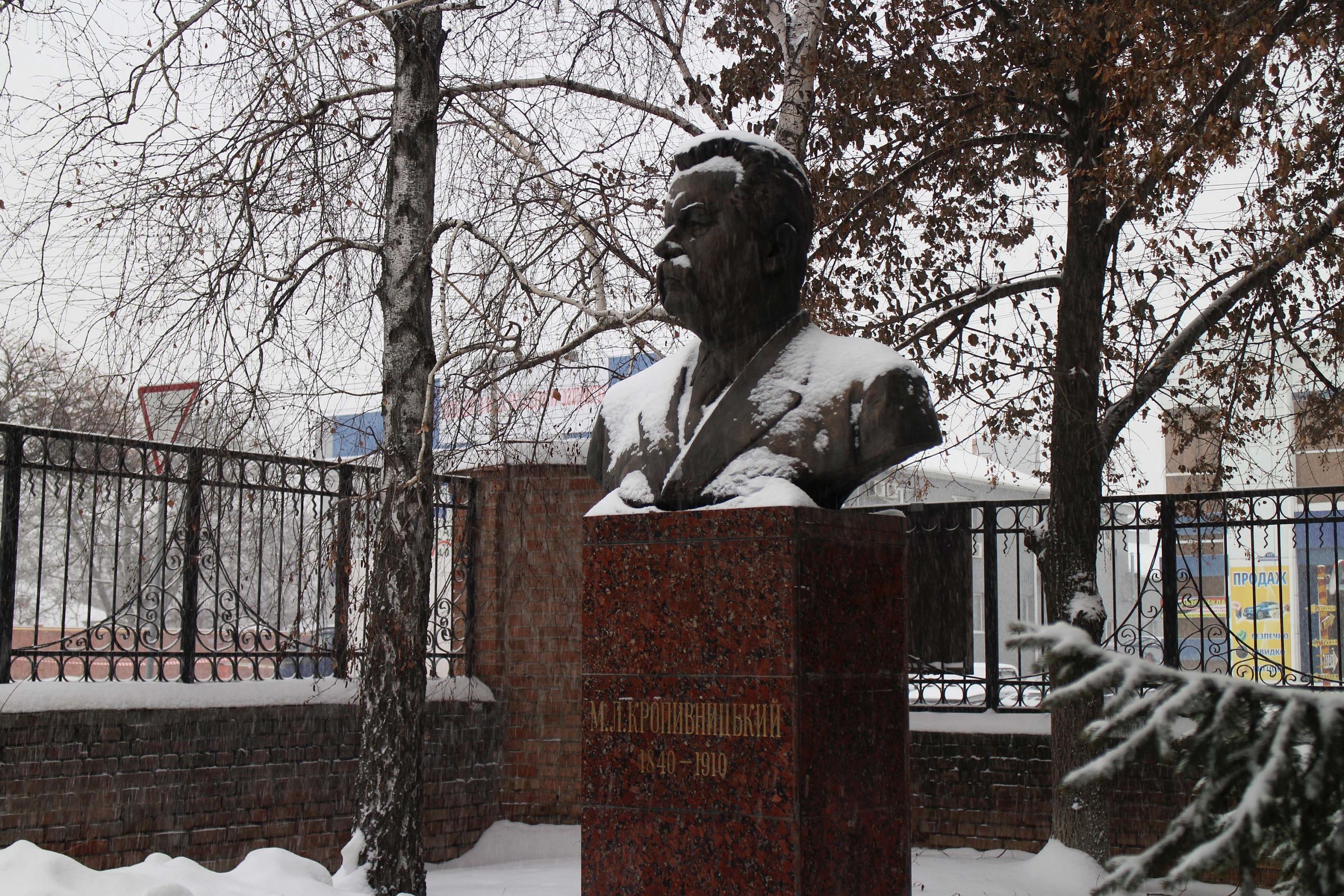
By the way, nowadays in the city is divided speaking about his birth date. However, about this and about wonders of the museum itself, the construction of the theater in our city, as well as memorial sites of the Coryphaeus in the former Bobrynets – in the next publications.
Svitlana Orel
Photo by Ihor Filipenko