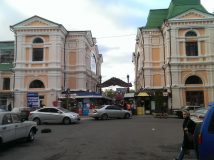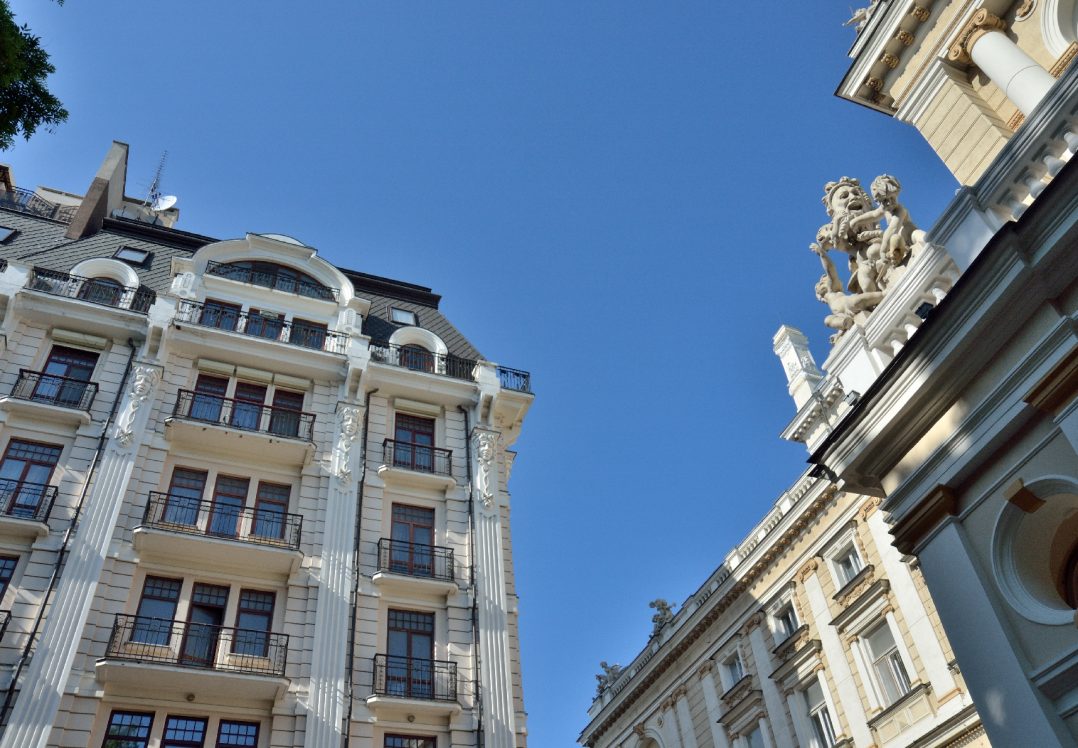


In Kharkiv, Uzhhorod, Kropyvnytskyi, Poltava, and maybe somewhere else on the map there are lanes that called Theatrical. The name is quite transparent – those lanes are adjacent or lead to theaters. However, in Odesa, the concentration of theaters in the range of 350 meters is too great. Even though, now the lane is the named after the composer Pyotr Tchaikovsky it doesn’t turn into the less theatrical one.
Everyone knows how the facade of Odesa’s hallmark – National Opera and Ballet Theater – looks like. However, its rear side is no less interesting.
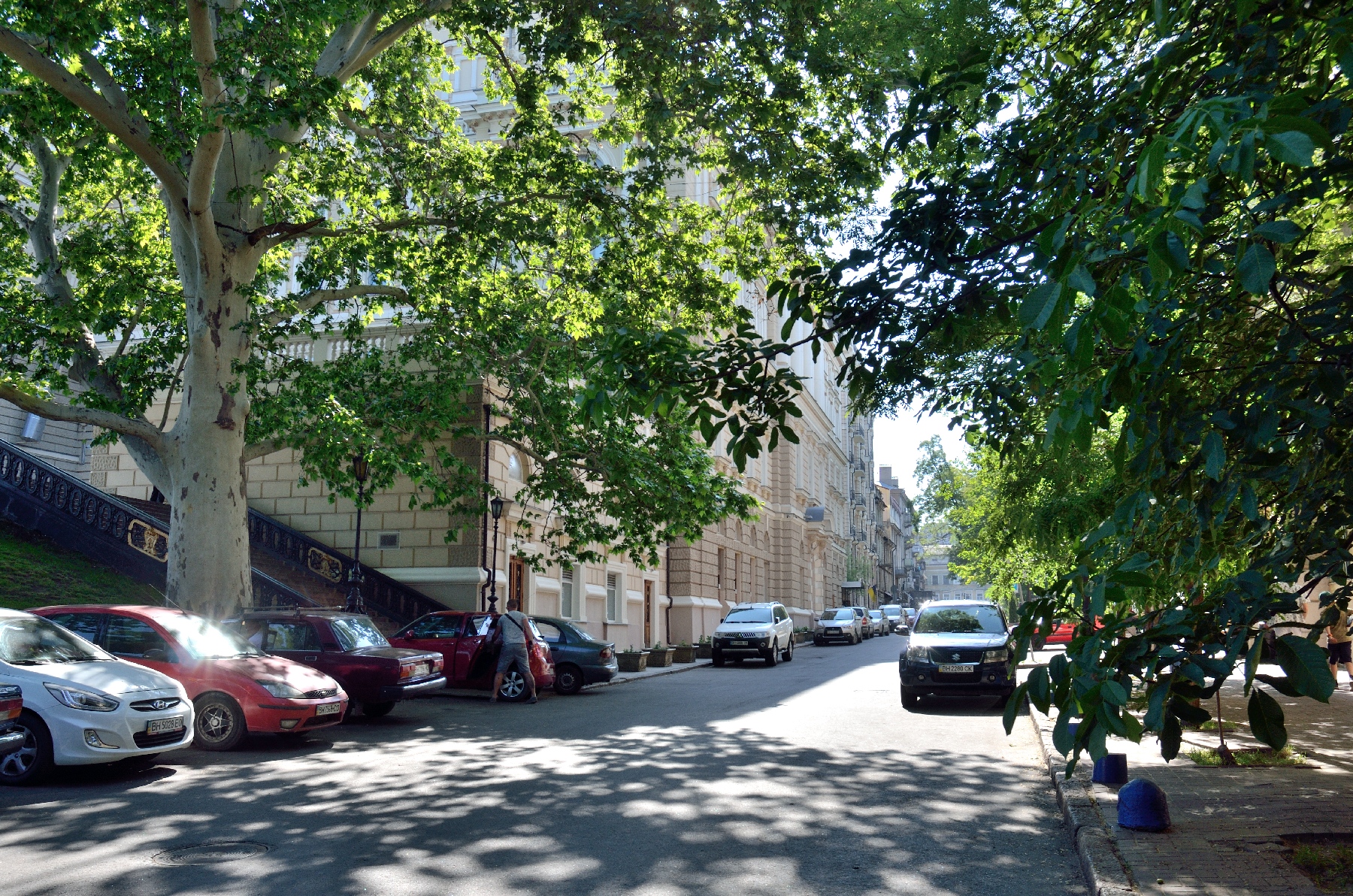
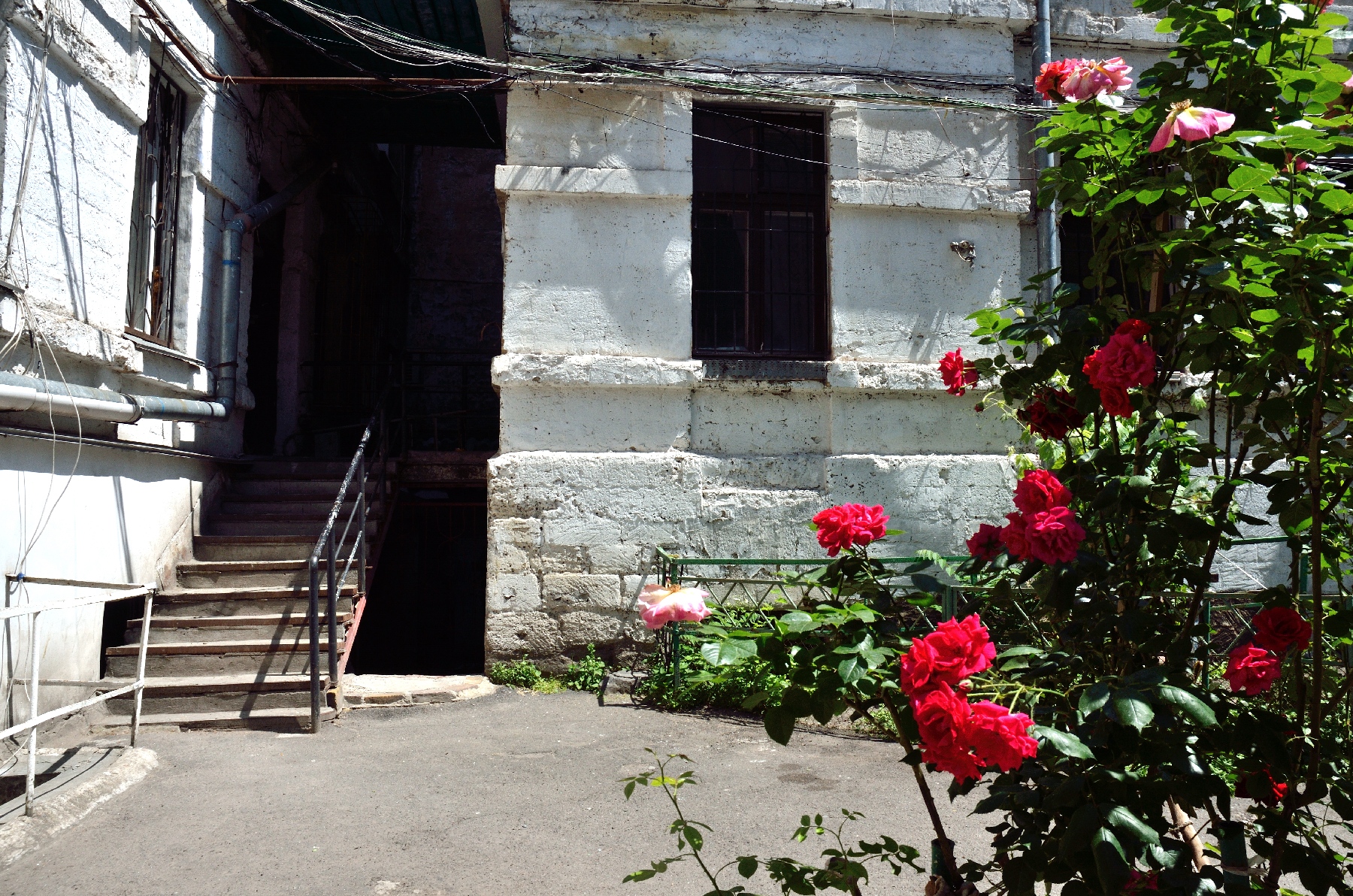
We offer you to take a look “behind the scenes”, explore charming Odesa courtyards that are full of mysteries, legends, cats’ meowing, and fragrant roses.
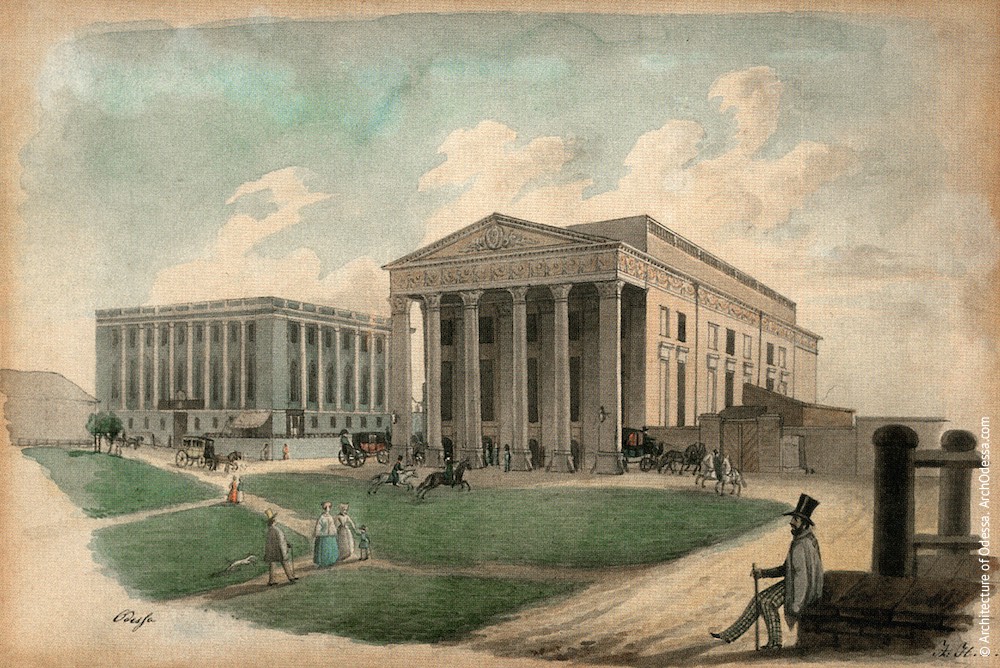
The city theater, which was located on the site of the modern Opera House, was turned to the sea, and, of course, there were no buildings in front of it. The first house on the Odesa slopes, which appeared in front of the sailors who came to the port of Odesa, was precisely this one – a strict and elegant City Theater made in the classicism style. For people of Odesa, this theater was the heart and soul of the city, so after the fire had destroyed it, it seemed that Odesa was orphaned.
The new theatre was built only in 14 years by prominent Austrian architects Fellner and Helmer. Do you think that Odesa citizens all the time refrained from theatrical life? Of course no, the public, from dockers to merchants of the first guild, demanded secular entertainment.
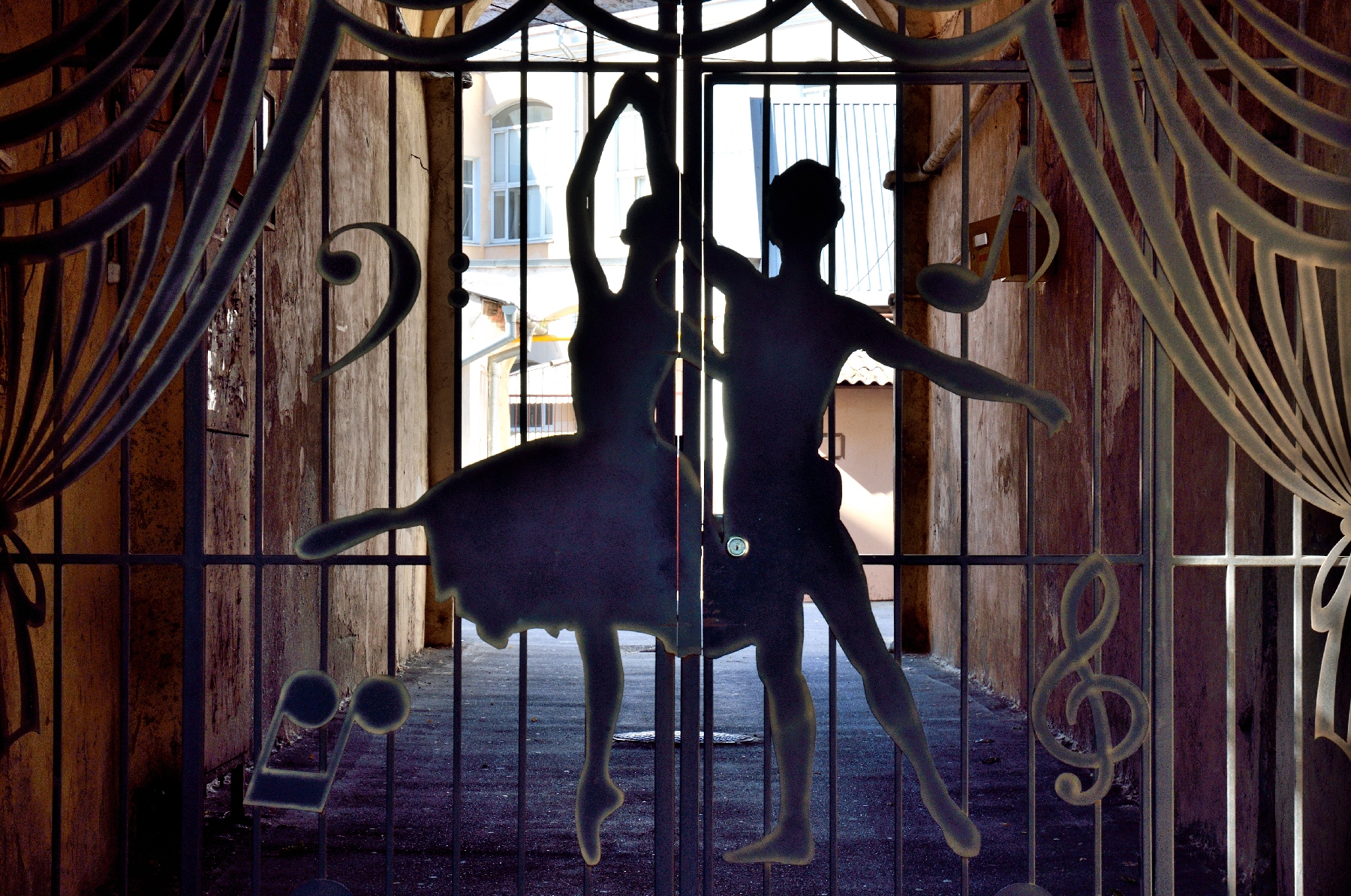
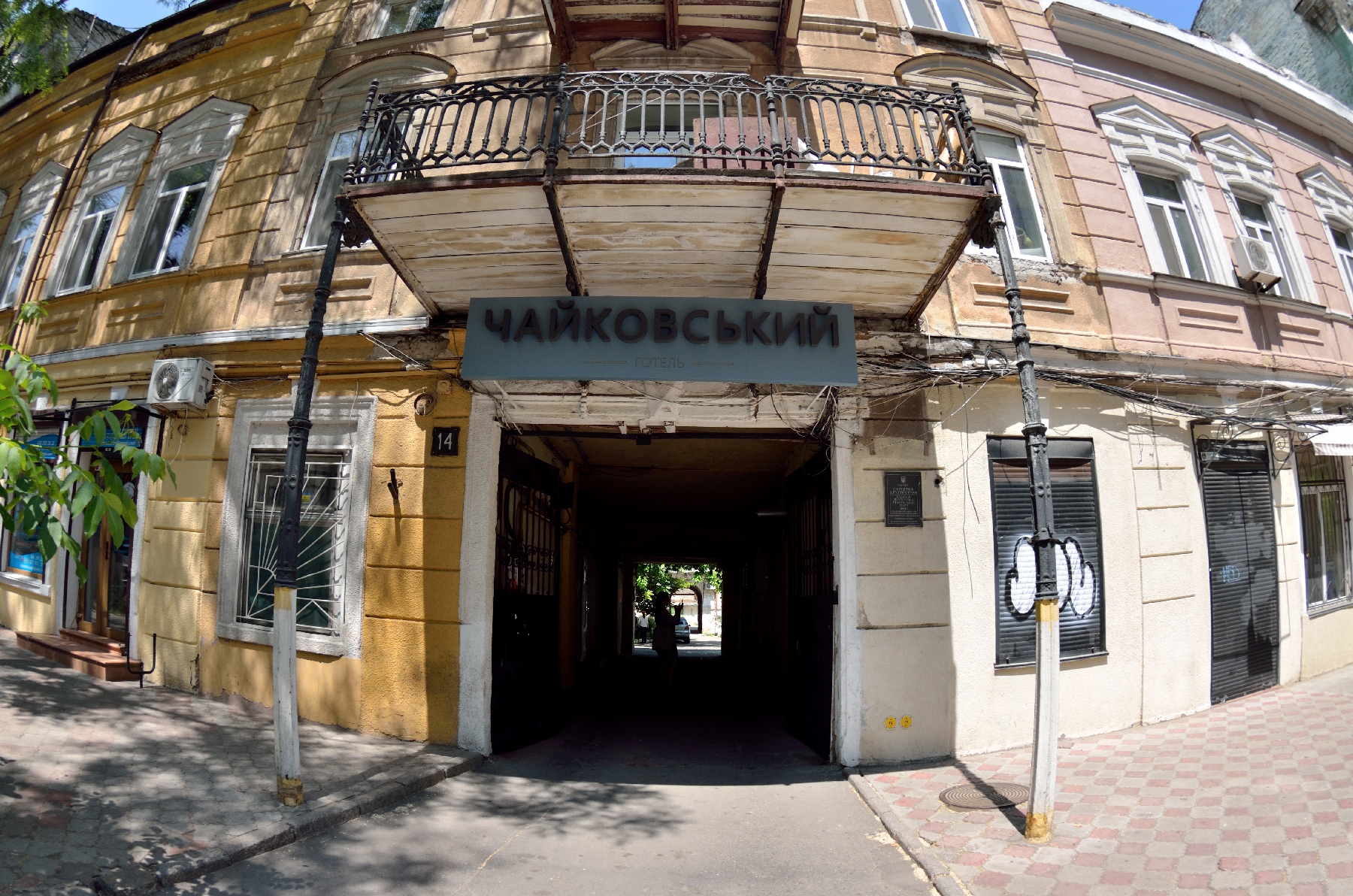
In the Theatrical Lane (now – Tchaikovsky lane), at different times, there were several other theater establishments.
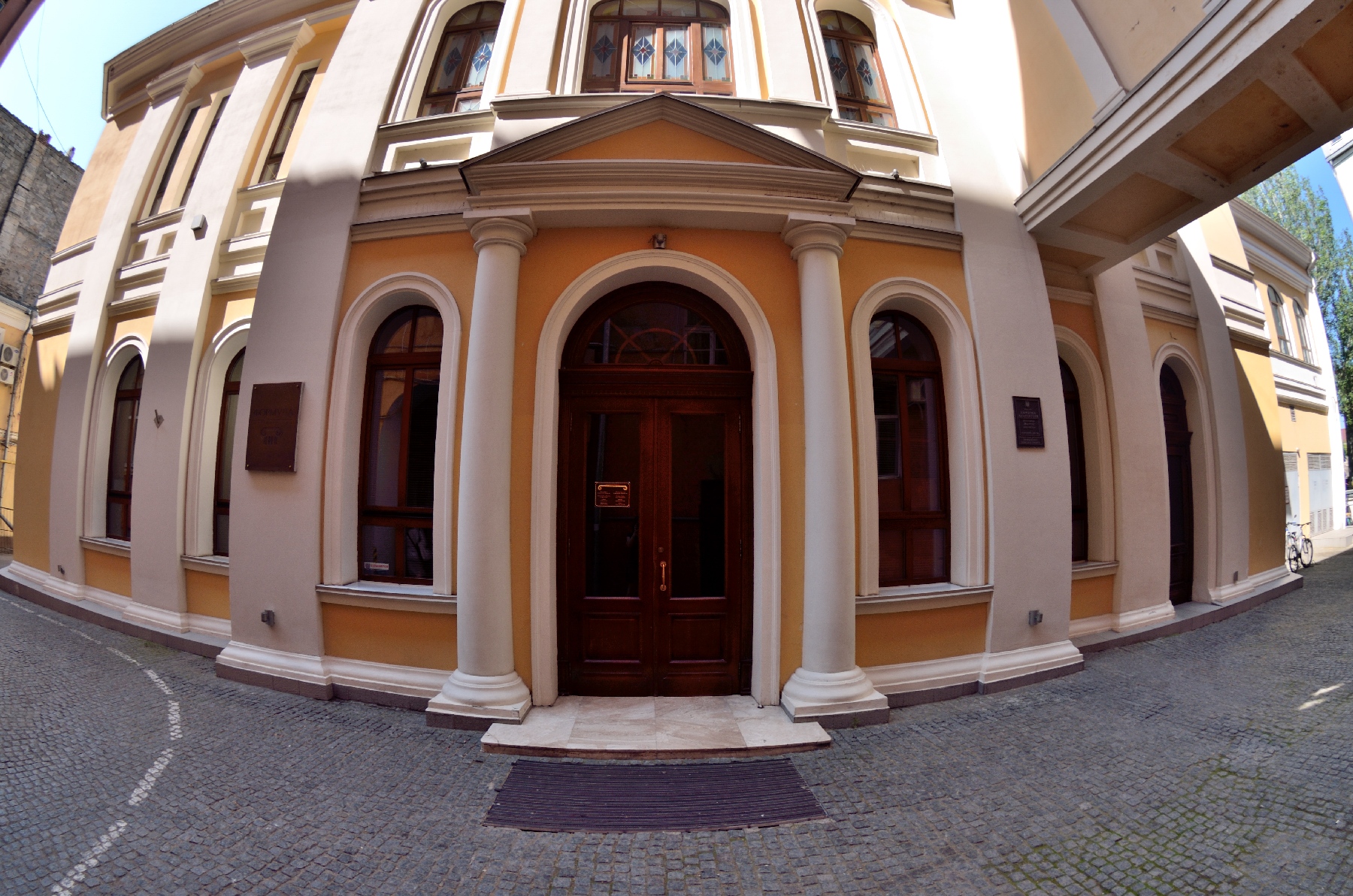
In the twelfth room of the Hotel Nord (what a bohemian life was flourishing over there) was located variety theatre.
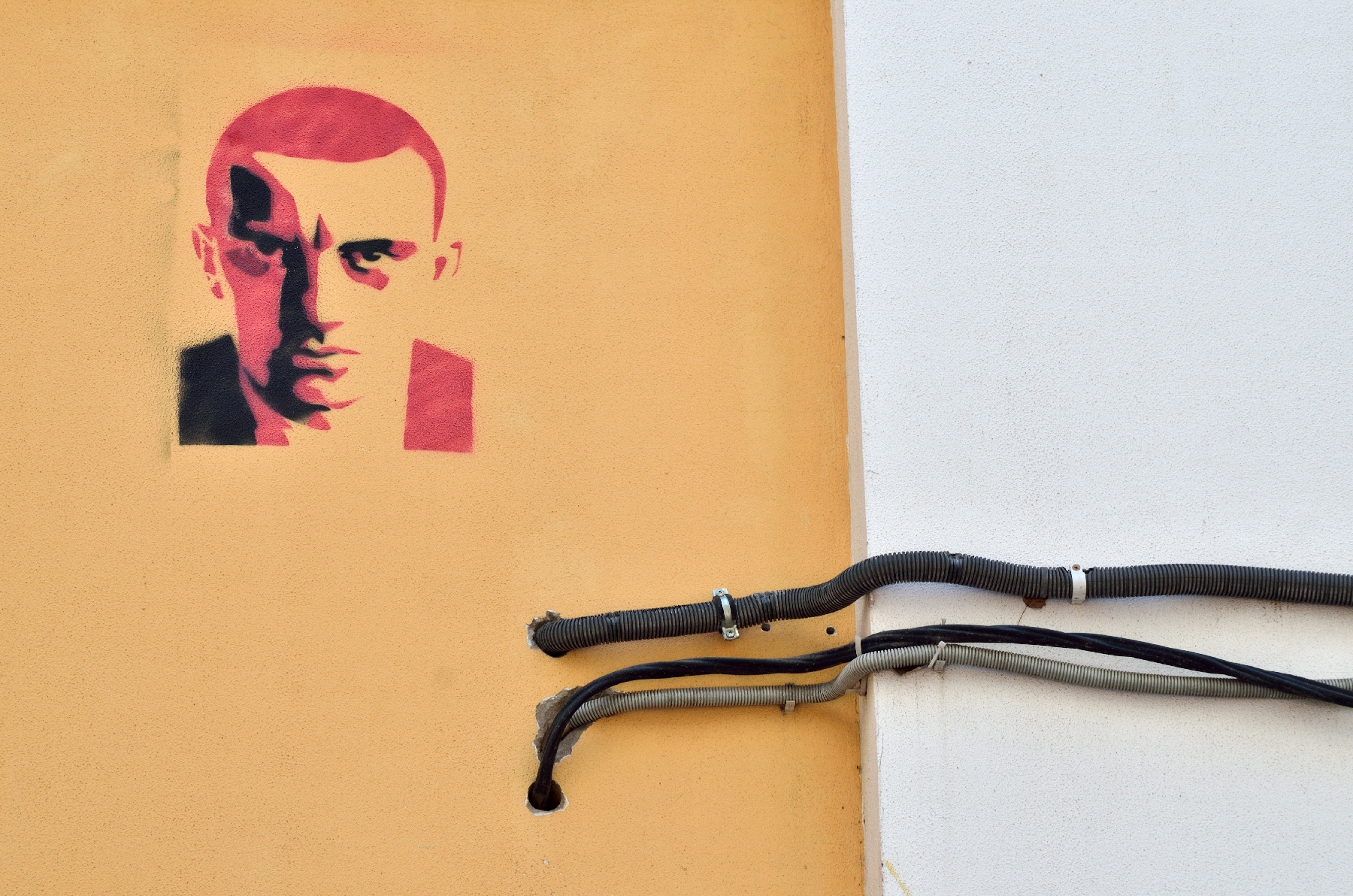
In 1924, Mayakovski made a great success there. The idol of that times looks at us with his hard stare from the back wall of the house.
Later there was a Young Spectator’s Theatre, and now it is a fitness center. With times priorities are changing.
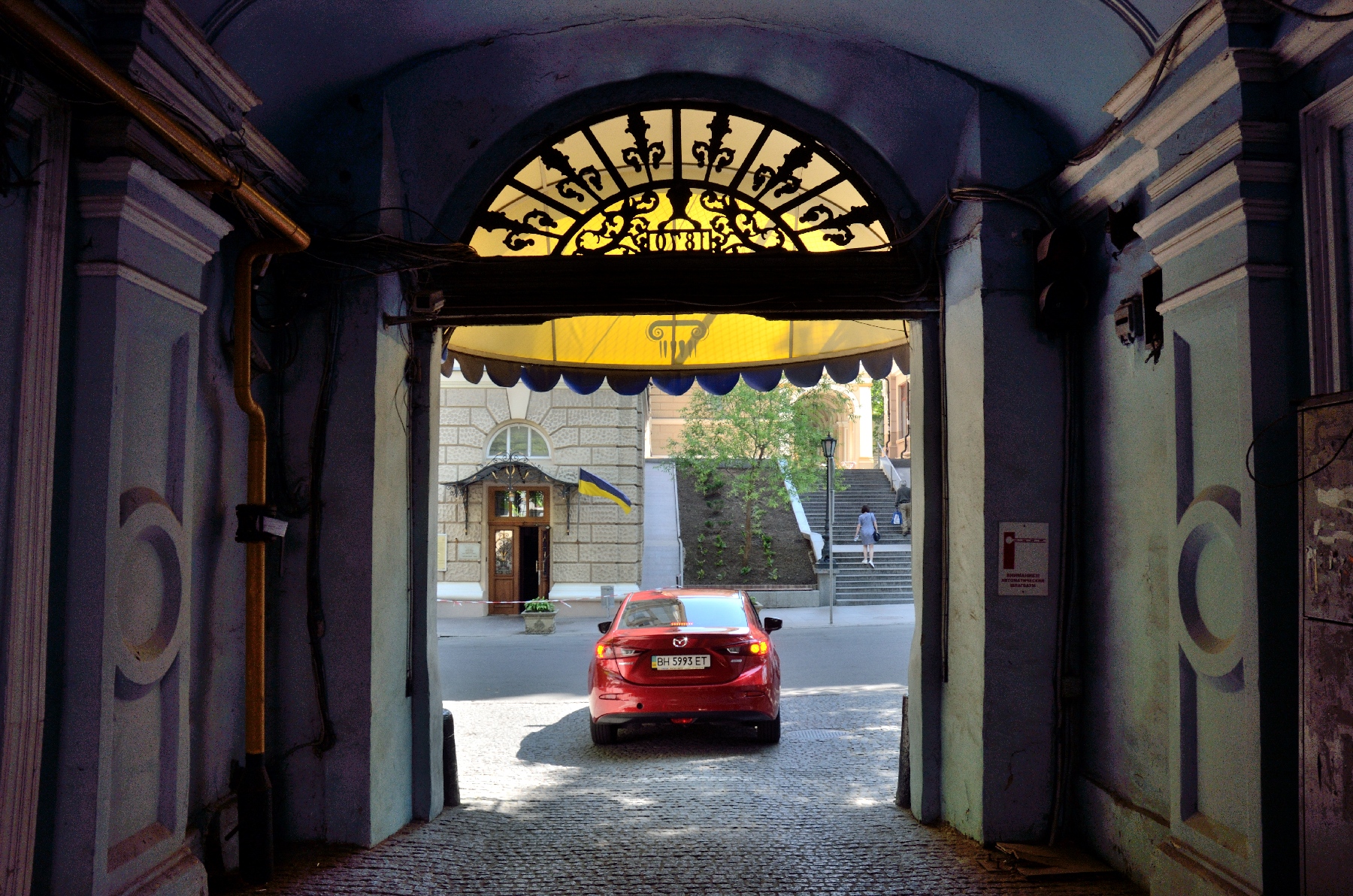
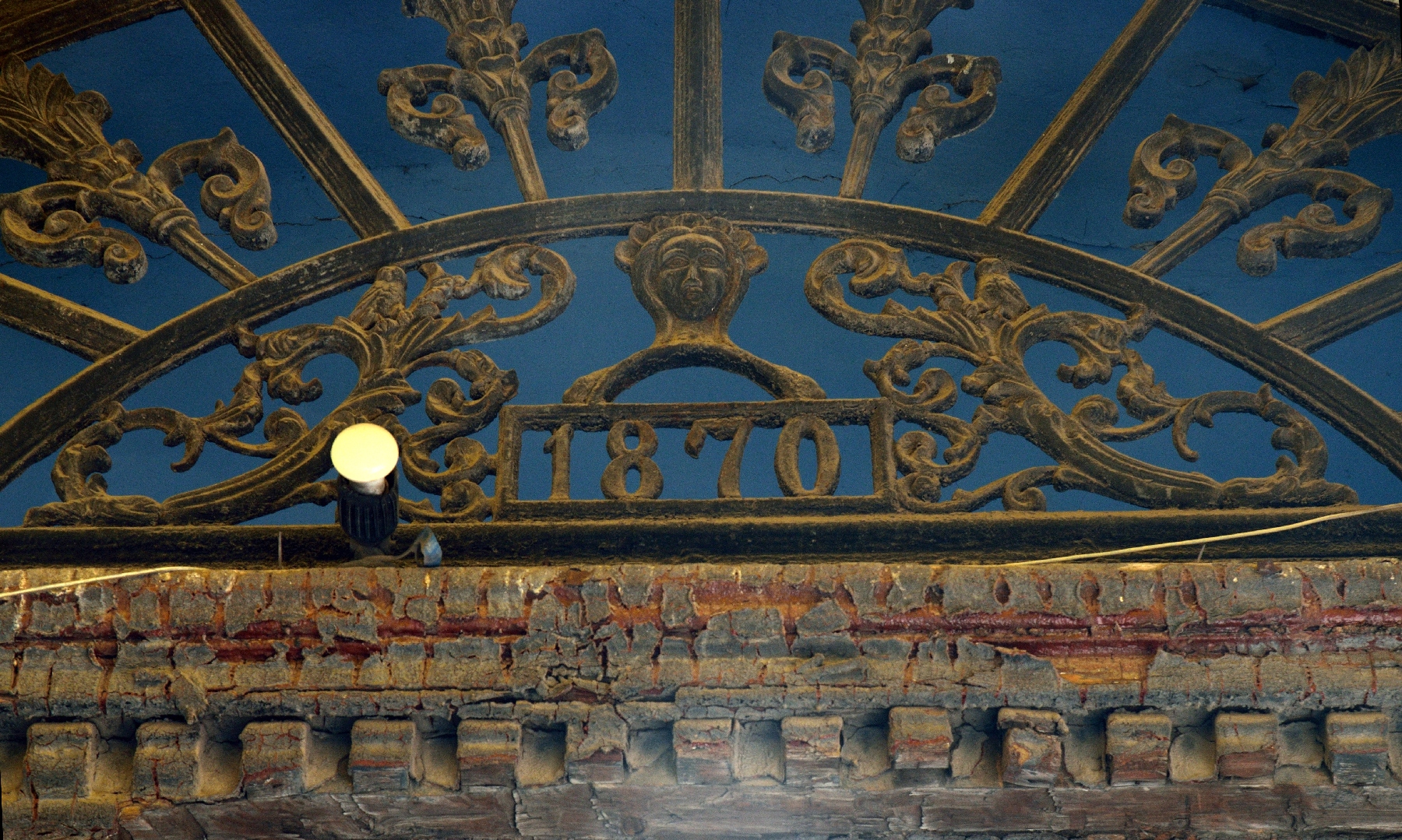
Let’s visit the fourteenth room: once there was… a circus! It’s hard to even imagine how it looked like.
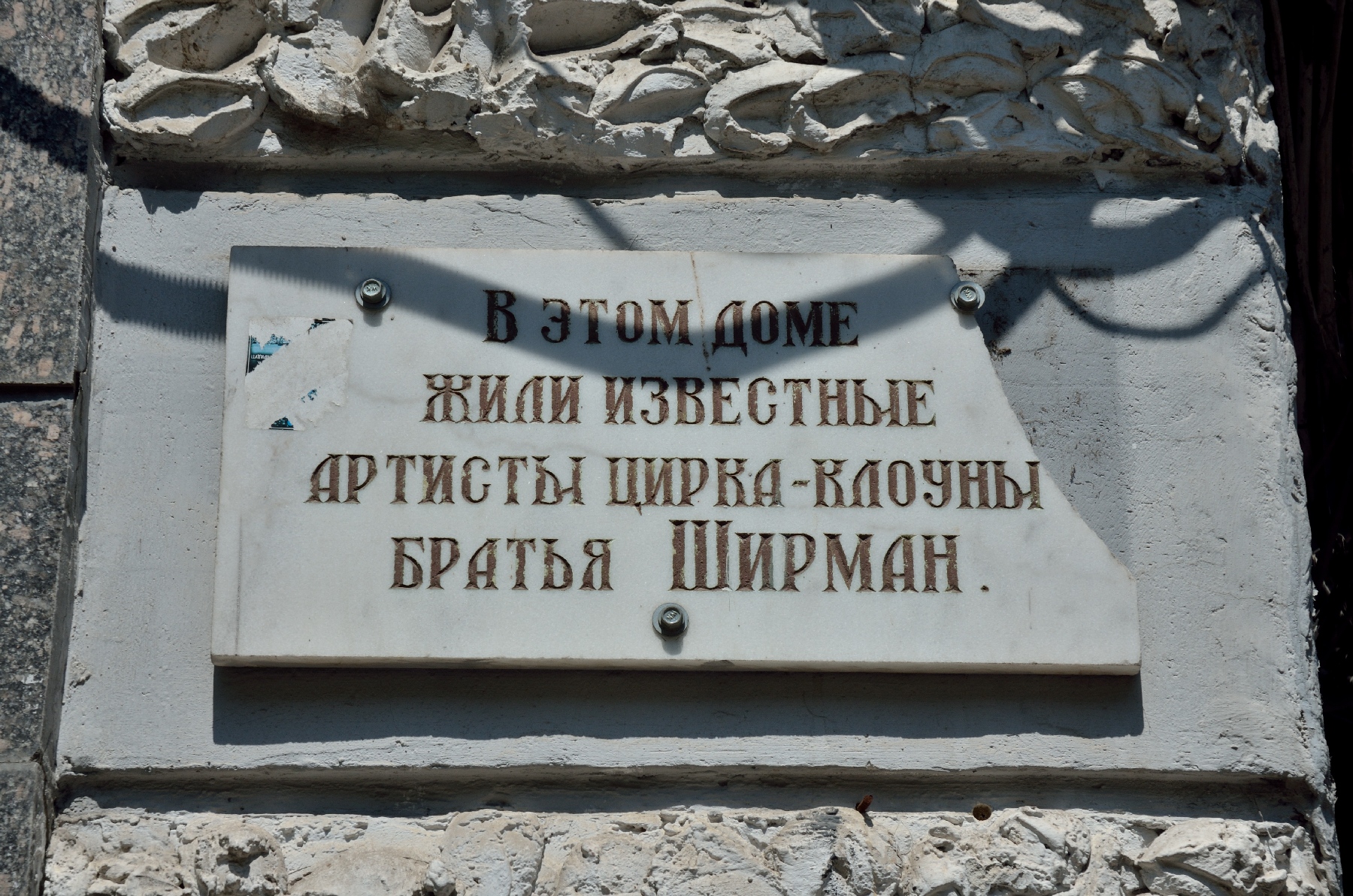
Subsequently, on its place, the Mariinsky Theater was built. Many prominent artists have been on its stage. Here, the coryphaeus of the Ukrainian theater performed Natalka-Poltavka with great success. Later the Jewish theater, where Yiddish plays were performed, was established here.
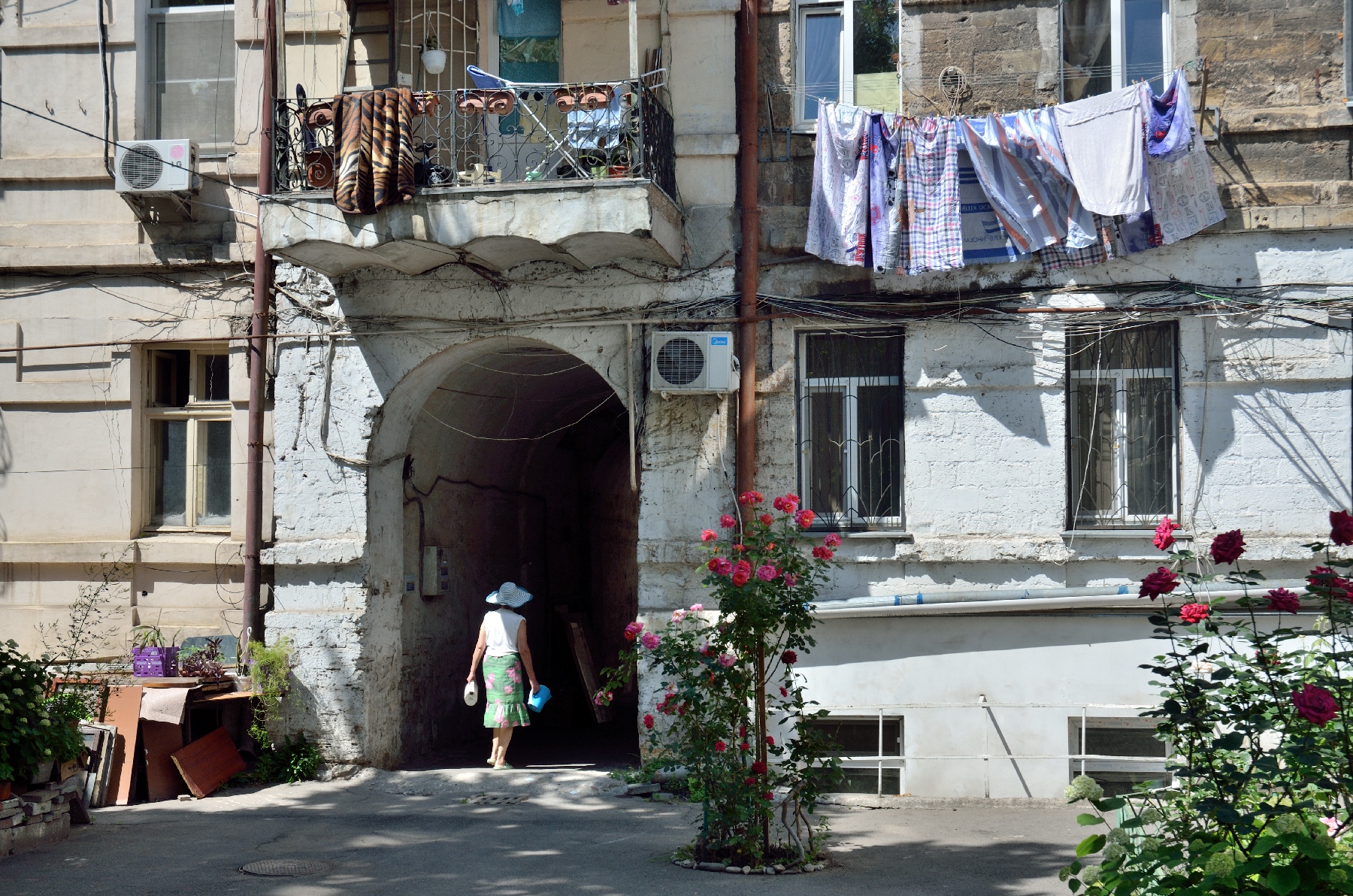
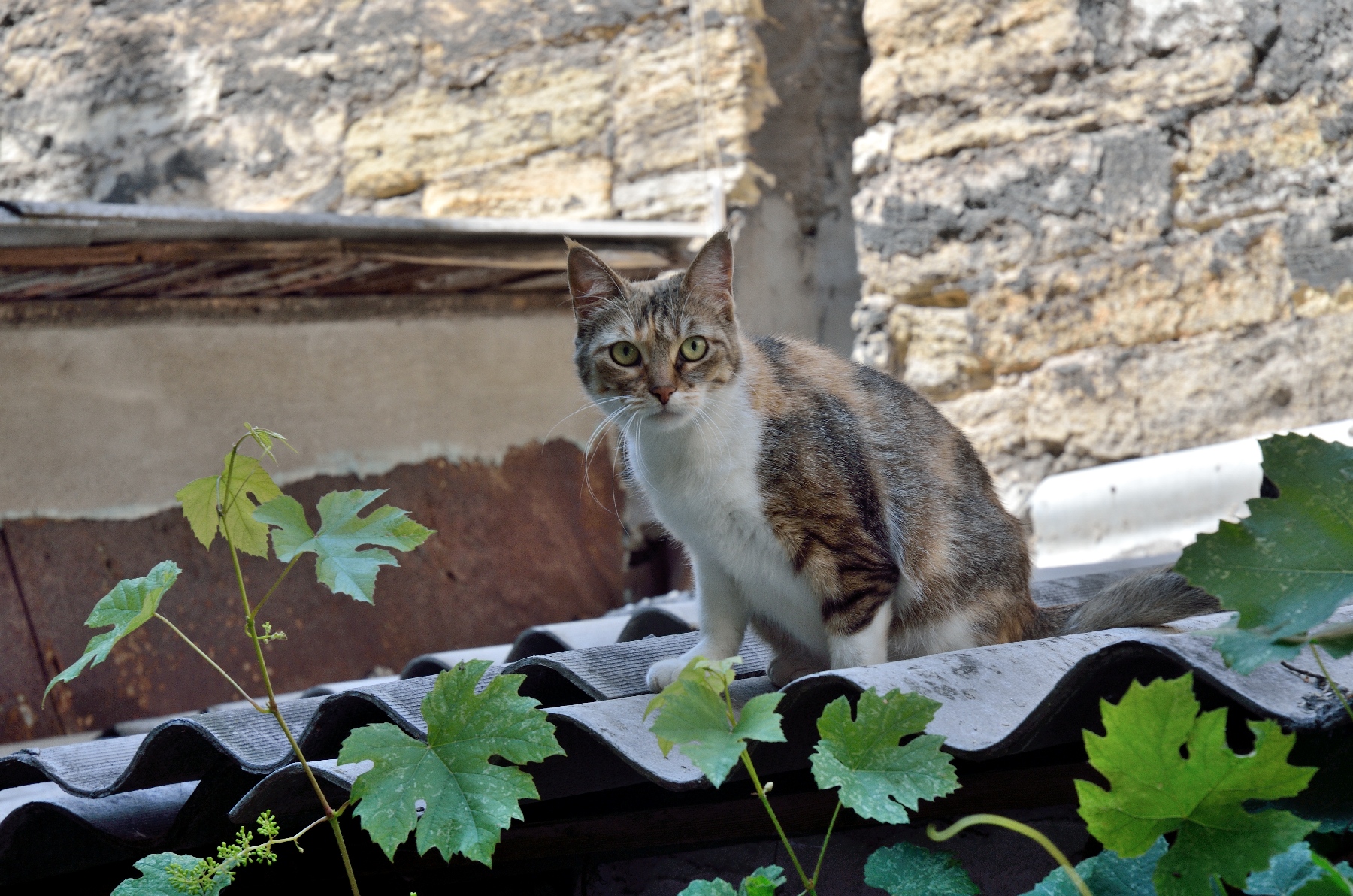
There were no seats in the theater – the public was seated on the steps of the amphitheater around the stage. The room was badly heated, so it made the public closer to each other – it was creating a special atmosphere of intimacy and family life. The roof was very thin, so the slightest sound was heard. Historian of Odesa Oleksandr Deribas in his book Old Odessa described the incident when, during a tragic scene, during which a mother bid farewell to her son who was going to serve a 12-year prison sentence. Of a sudden, the cats started running on the roof of the theater and meowing in the ecstasy of love. The audience was laughing out loud. The artists had to stop the show, so for a long time, they couldn’t restore their seriousness.
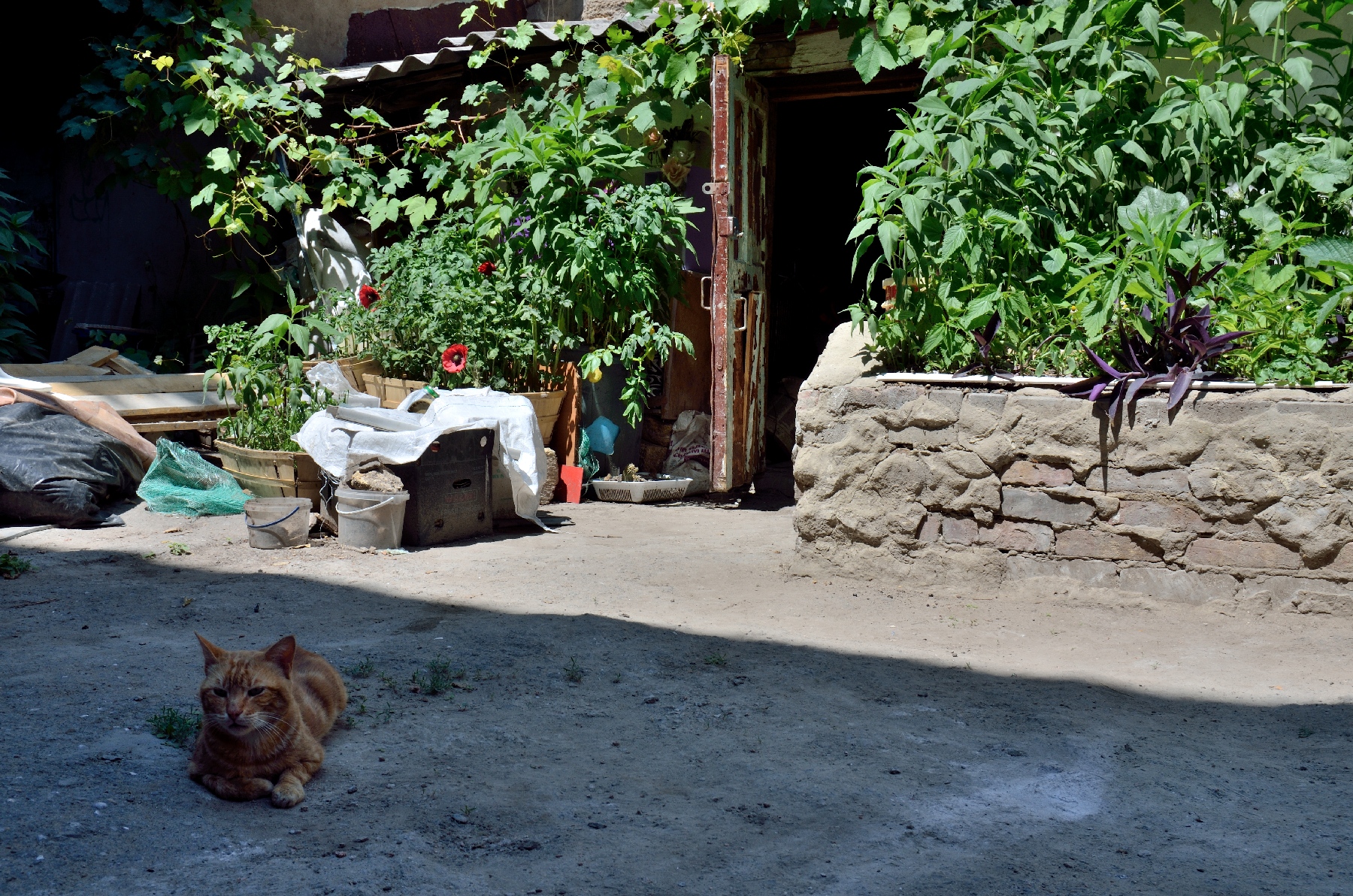
The courtyard has been rebuilt several times. The theater has gone for a long time, and even a single trace of it was left, maybe, except for the perfect acoustics. Home secrets, especially in the summer, when the windows are wide open, become a common business for all the residents of the courtyard. The everyday theater is going on. Someone sighs, somebody’s bed creaks, someone quarrels, someone gossips over the phone, someone plays the violin. According to Mrs. Anna, who lives in this courtyard, “two violins and one cello live here.”
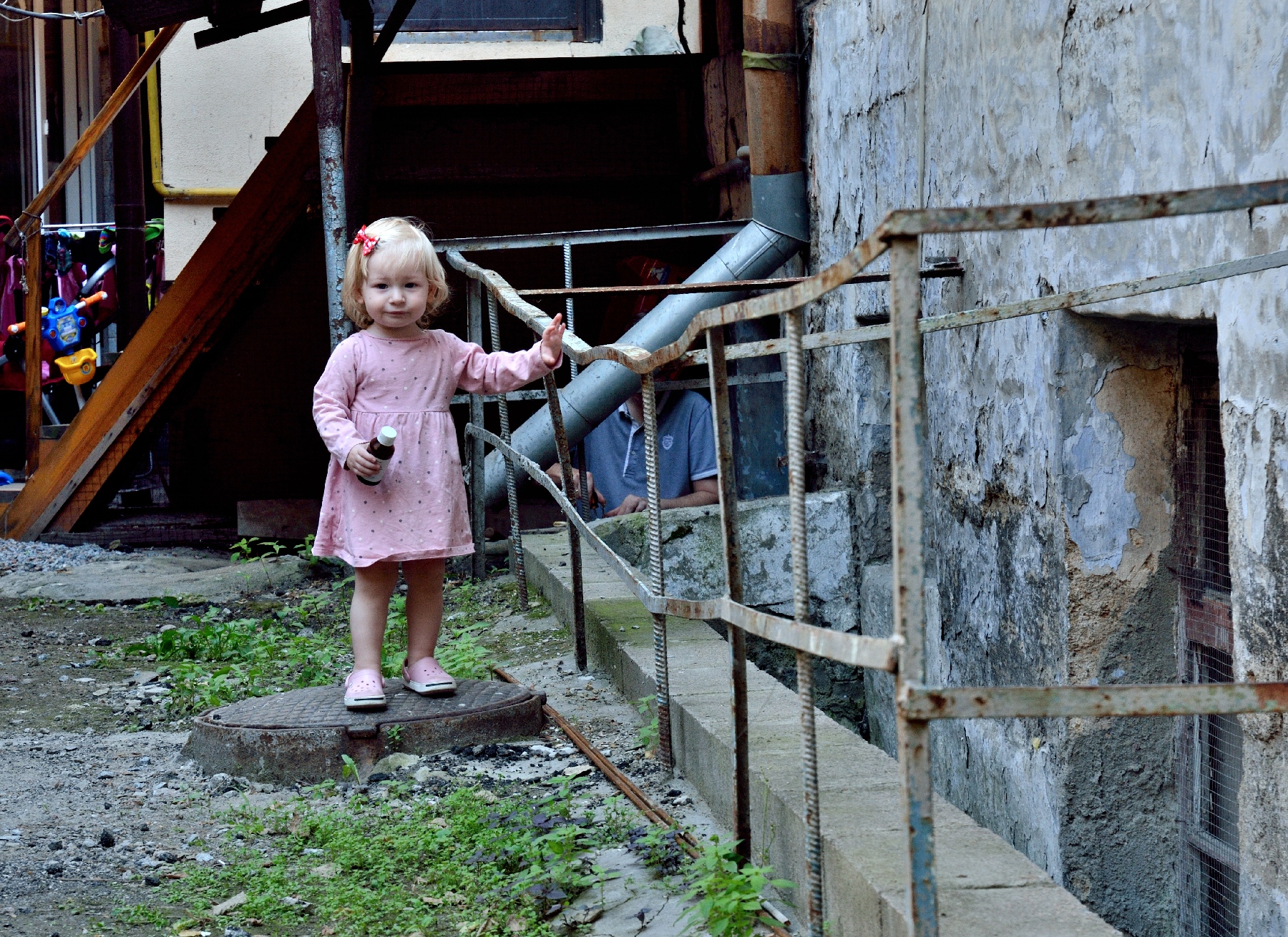
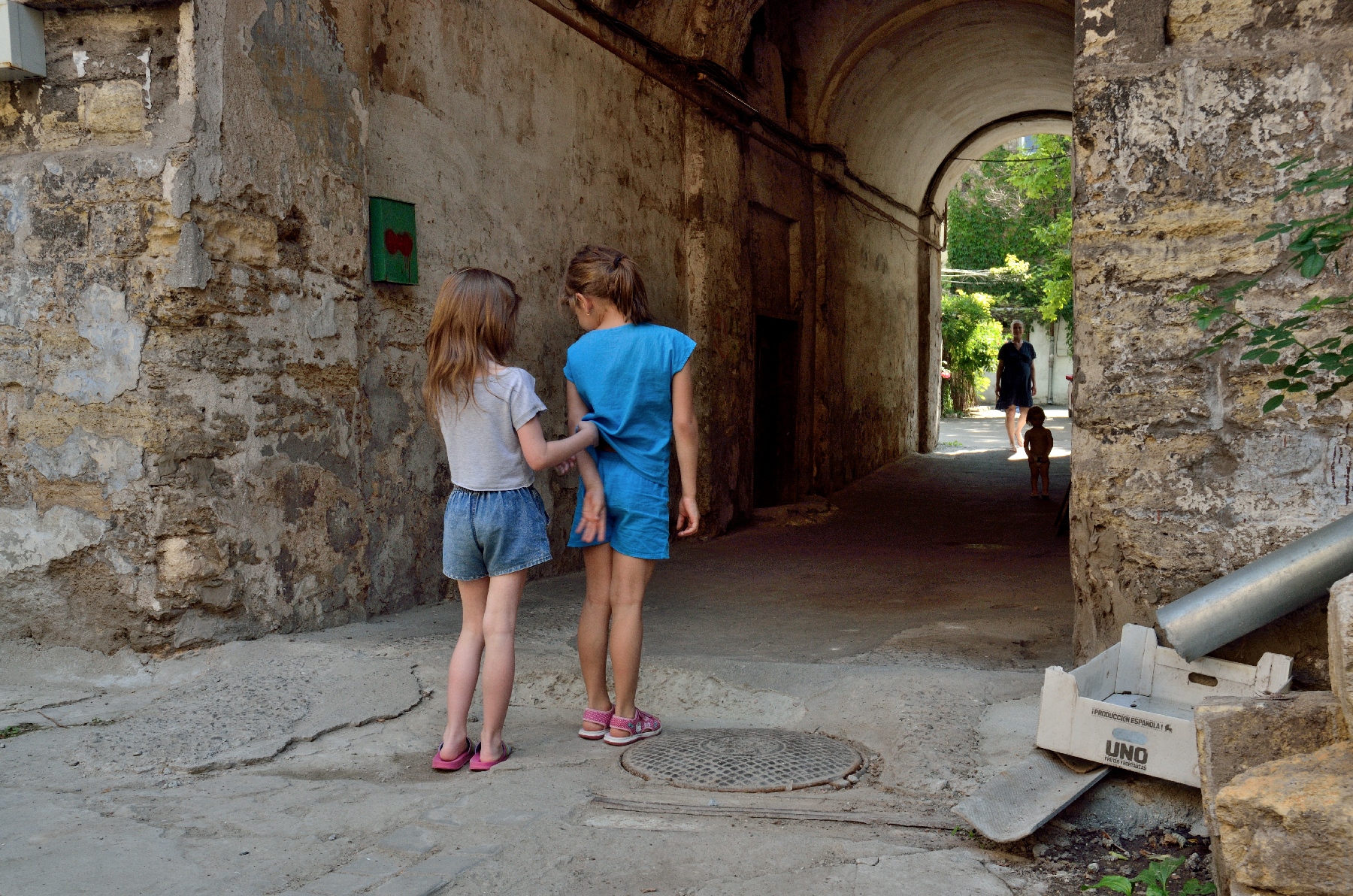
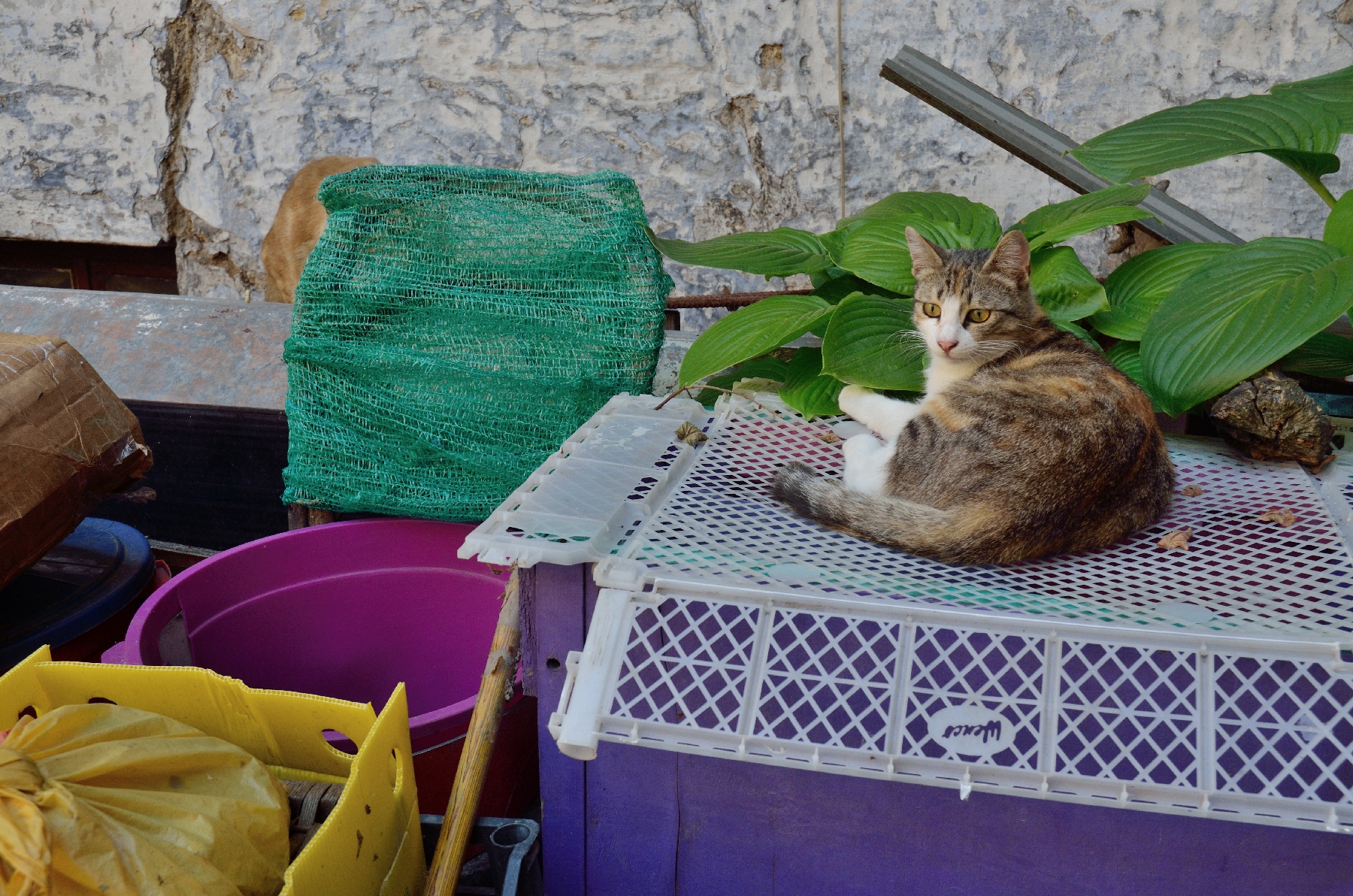
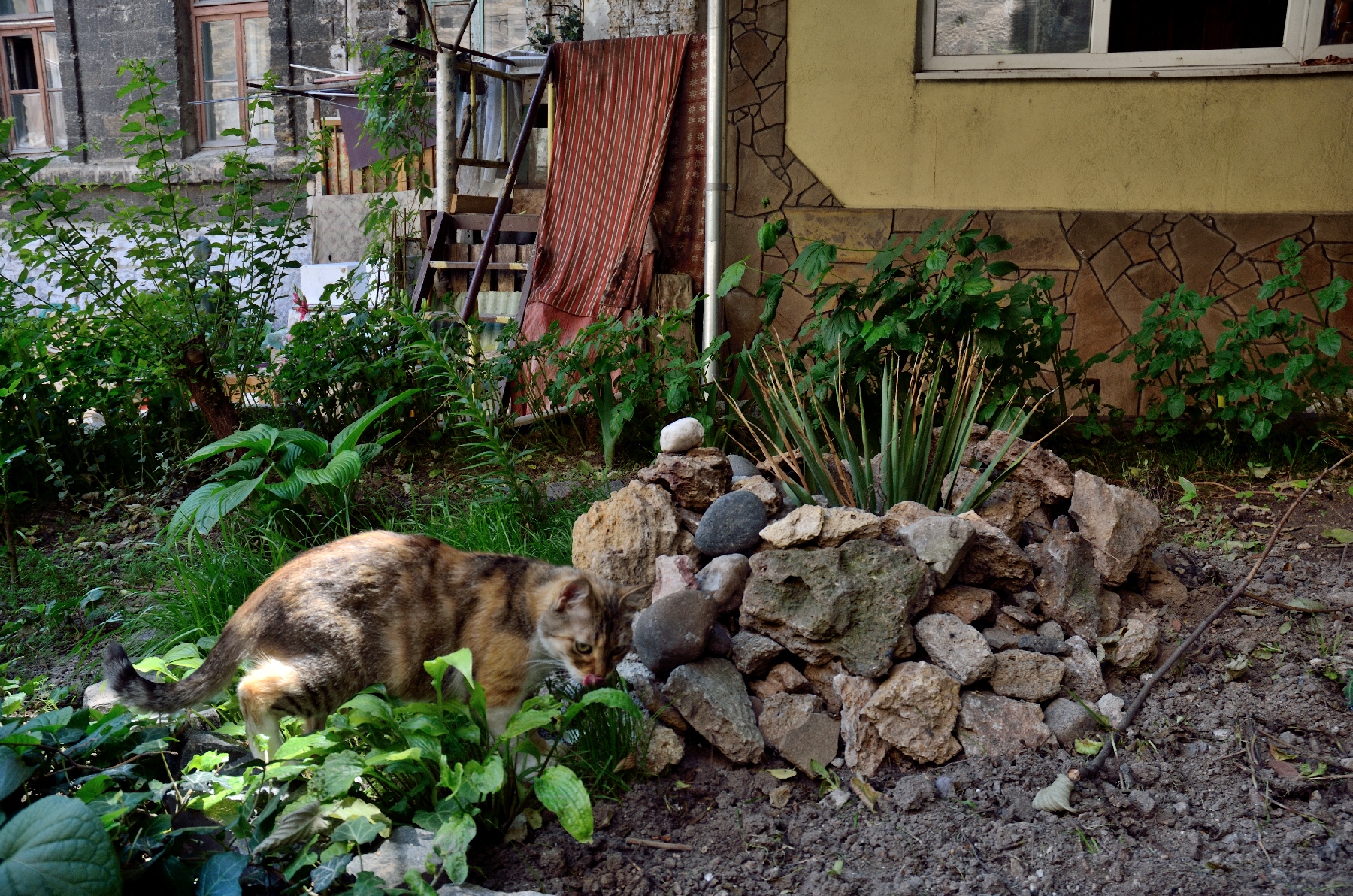
In the depths of the courtyard, an elderly lady in a hat and pink rubber slippers descends to us from the second floor in a theatrical manner. She has the posture and gestures of a genuine queen of the scene. She’s taking advantage of the fact that the audience is gathered, so the lady begins to recite poems about… cats! Cats are another unchanging feature of this courtyard since their bacchanalia on the roof of the Mariinsky Theater.
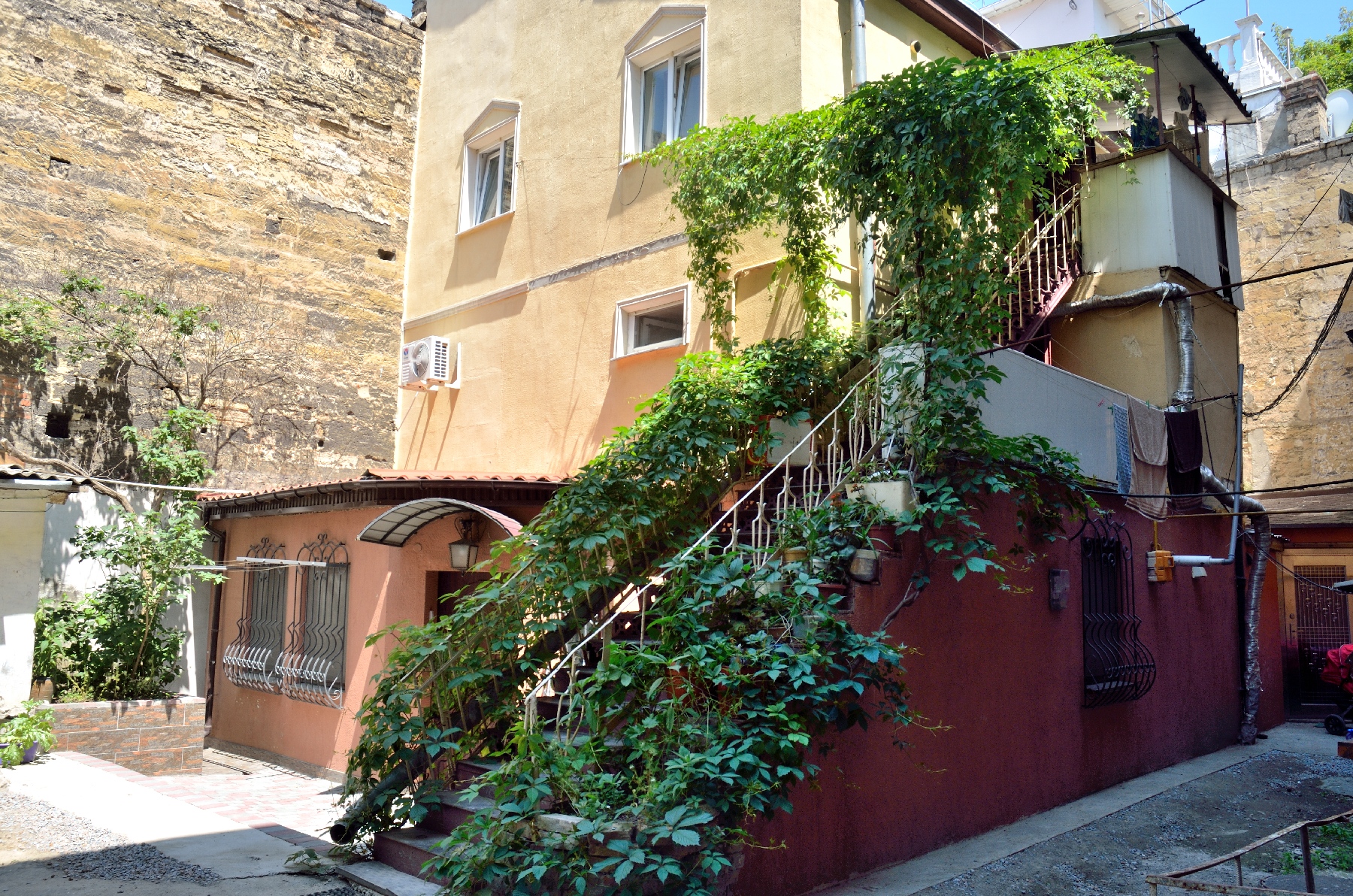
Mrs. Halia, the lady who recited verses, is taking care of them, as well as of landscaping the yard together with other inhabitants. An artichoke is growing in the flowerbed (Mrs. Halia recommends to use its roots every day in order to be in shape), nettle (to wash your hair with), potatoes (jut in order to keep flowerbed green).
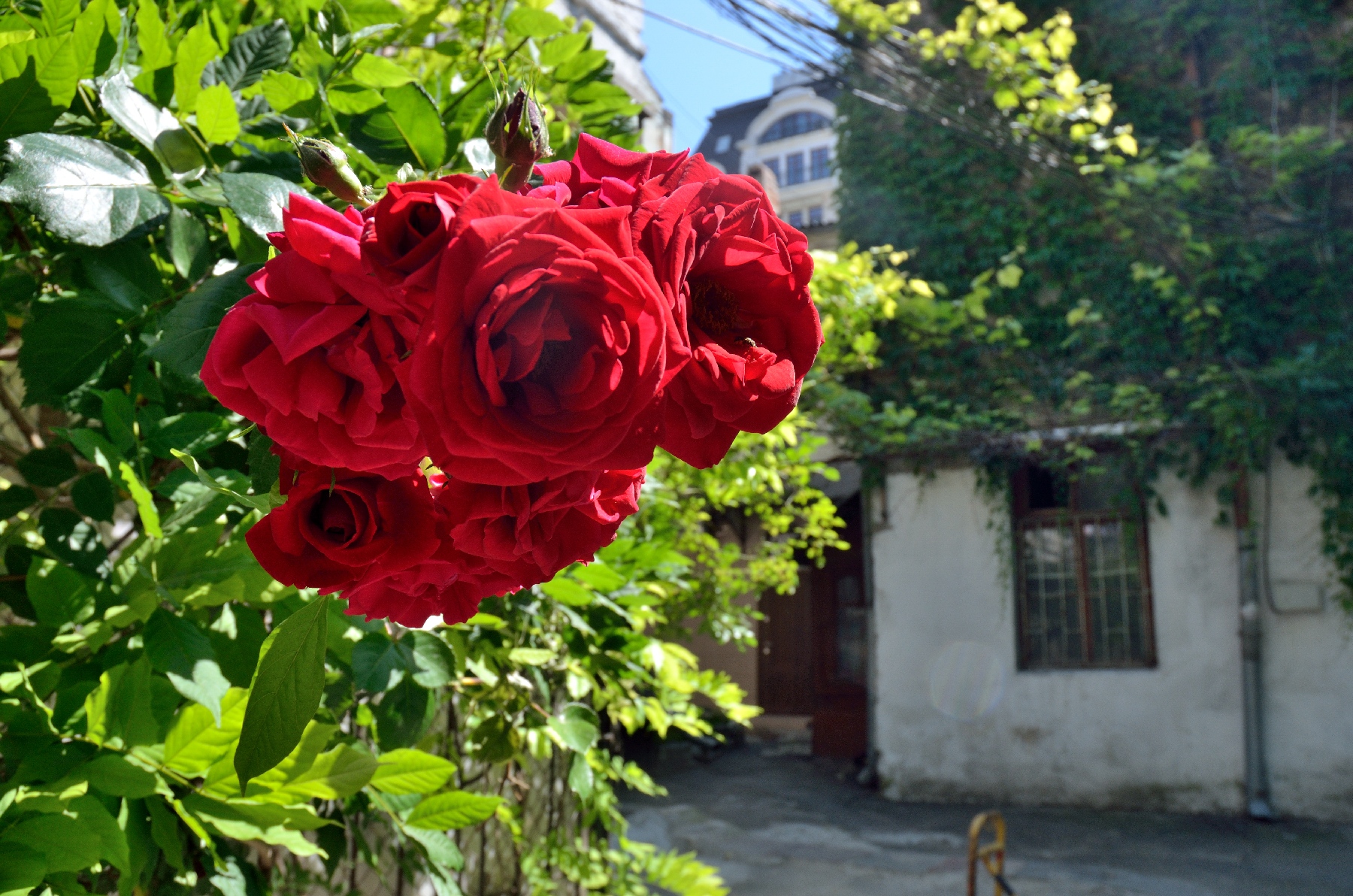
Our guide Anna cultivates beautiful roses. They fill the entire courtyard with their scent.
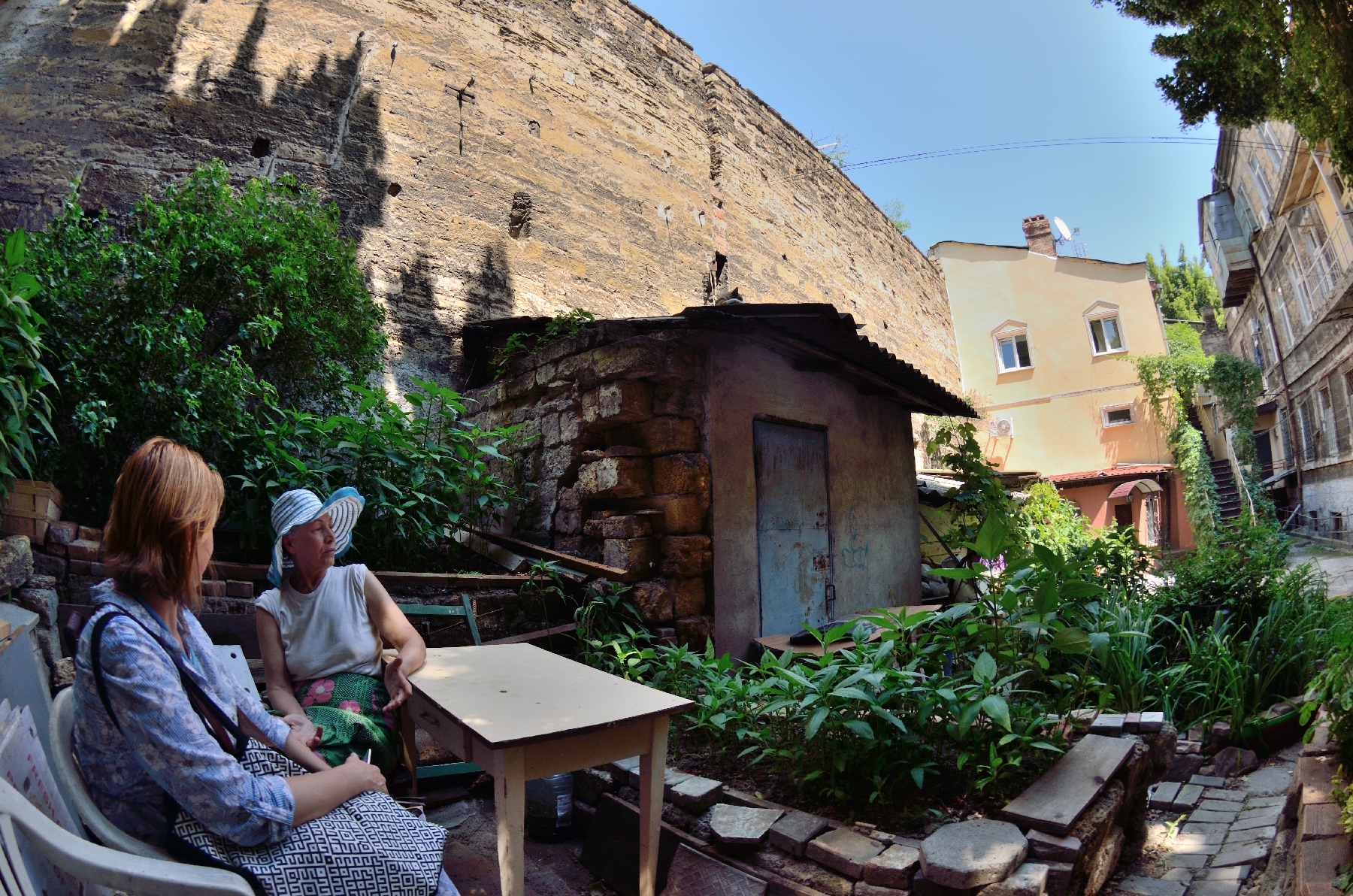
Mrs. Halia invites us to have some rest and tells us about her life and her unexpected career in cinema. She is an ichthyologist according to her major, so she had been working in research institutes for a lifetime. But when she turned 63, they invited her to shoot in a film. The camera likes her – the tall, authentic, thin lady with a noble face and aristocratic manners – she starred in 17 commercials and played supporting parts in 30 films! Mrs. Halia does not hide her age – she’s 71, she writes poetry, acts, takes care of the courtyard and helps people. Her deep, enthusiastic and wise attitude towards life and people just charmed us… Two hours of talking seemed to be just one moment.
The legends of the Theatrical Lane… You won’t be able to tell everything… The ghosts of the past appear in the air as if animating the old shabby and sometimes plastered to beyond recognition walls…
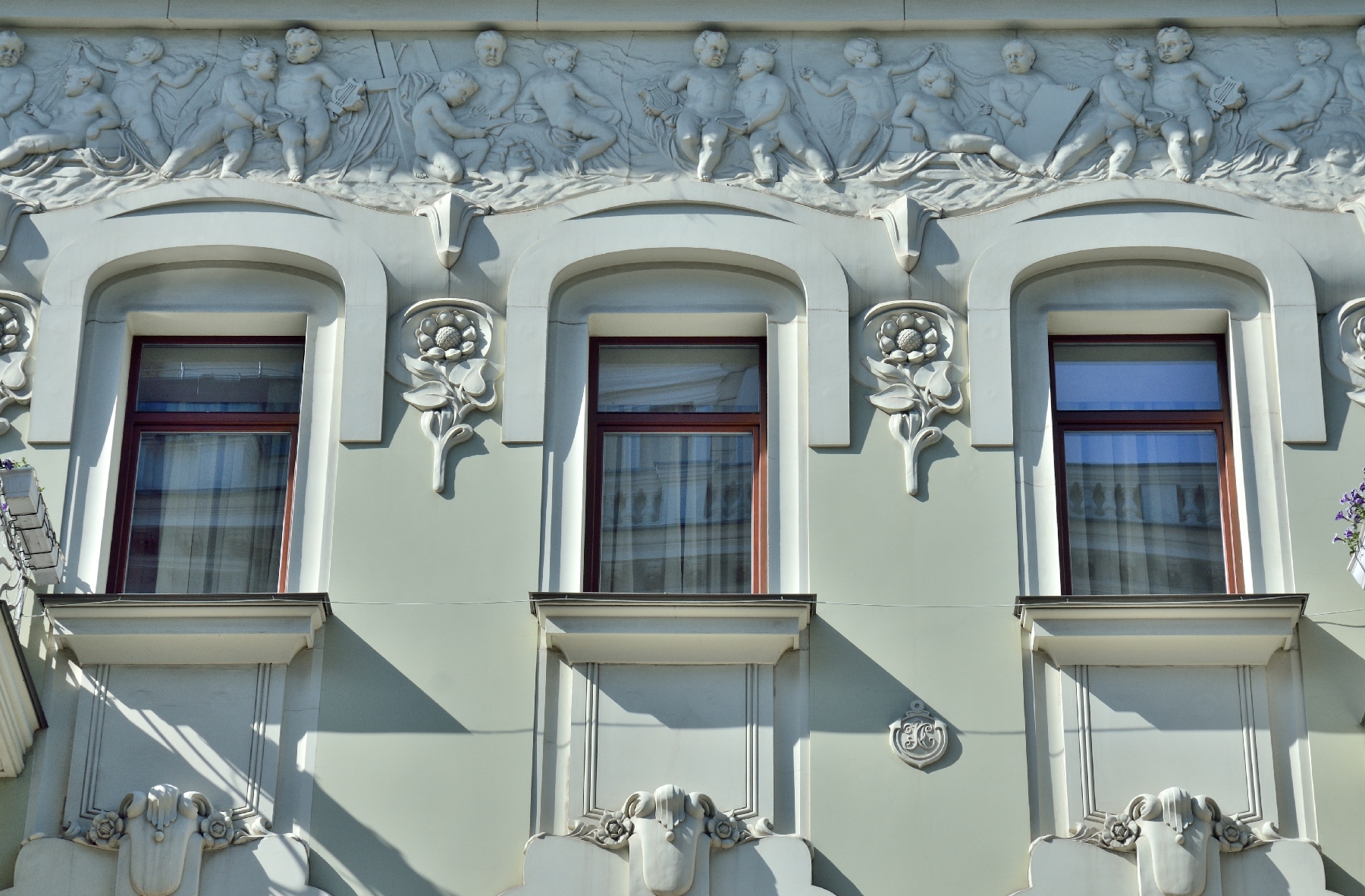
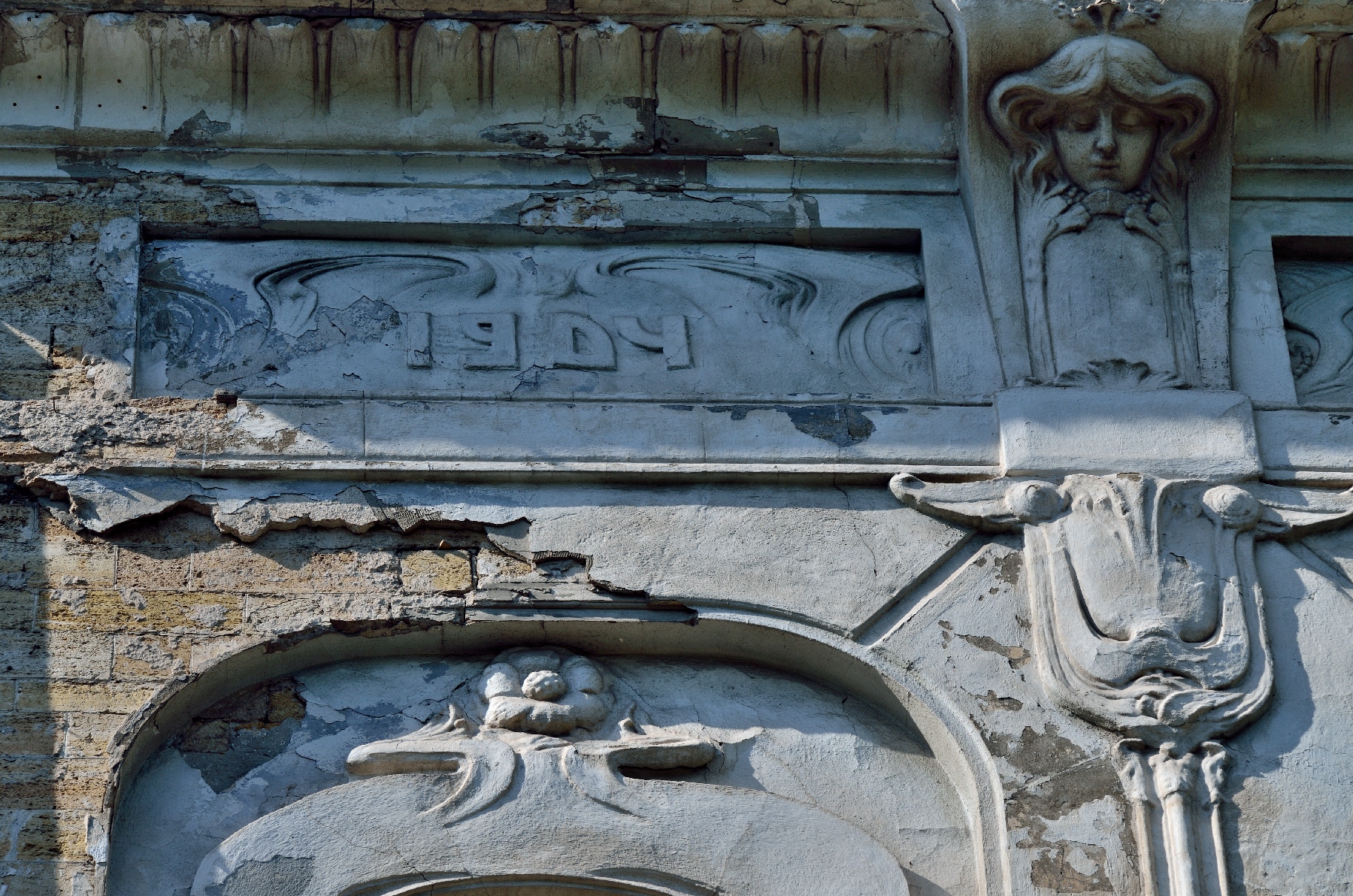
The apartments where XIX century’s cream of the crop was gathering – composers, opera singers – all sorts of artists have been here – Pyotr Tchaikovsky, Solomiya Krushelnytska, Aleksandr Kuprin, Leonid Utiosov… The genial musicians, artists, writers, as well as people who were around them…
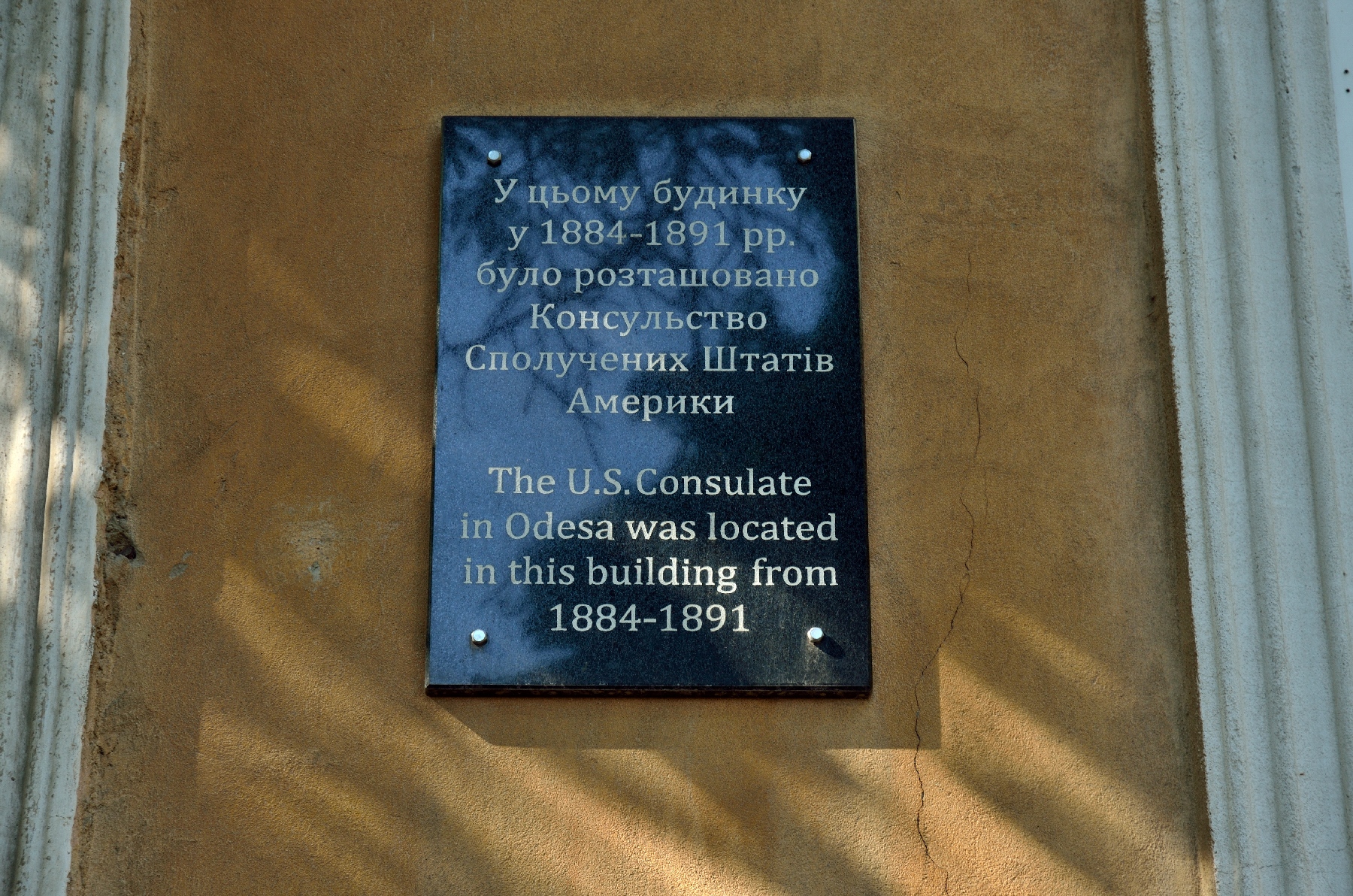
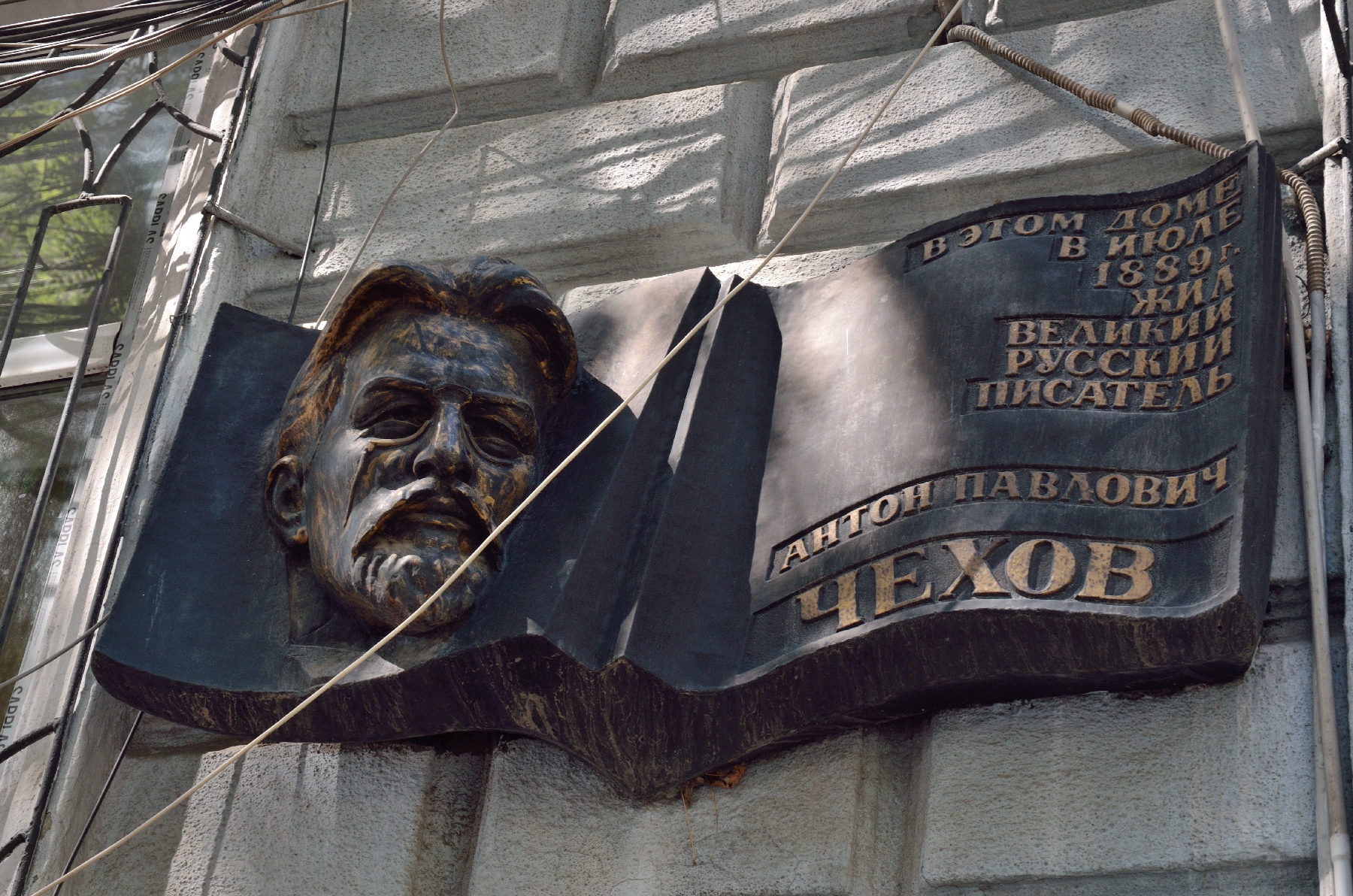
Here, they reached the biggest moments of glory and despair of oblivion… Here, séances were held, secret societies were gathered, the private drama was acted out… Iranian Shah Mohammed Ali sent flowers and gifts to a charming girl from Odesa that lived in the Theatrical Lane, the Romanian fascist fell in love with a Jewish girl, and NKVD officer fell for the aristocrat of blue blood…

At the dilapidating house with nailed windows, once, Anton Chekhov treated his young girlfriend with ice-cream – it used to be a famous Zambrini confectionery shop in Odesa. The entrance to the candy shop was from the Palais Royal, a small square near the Opera House.
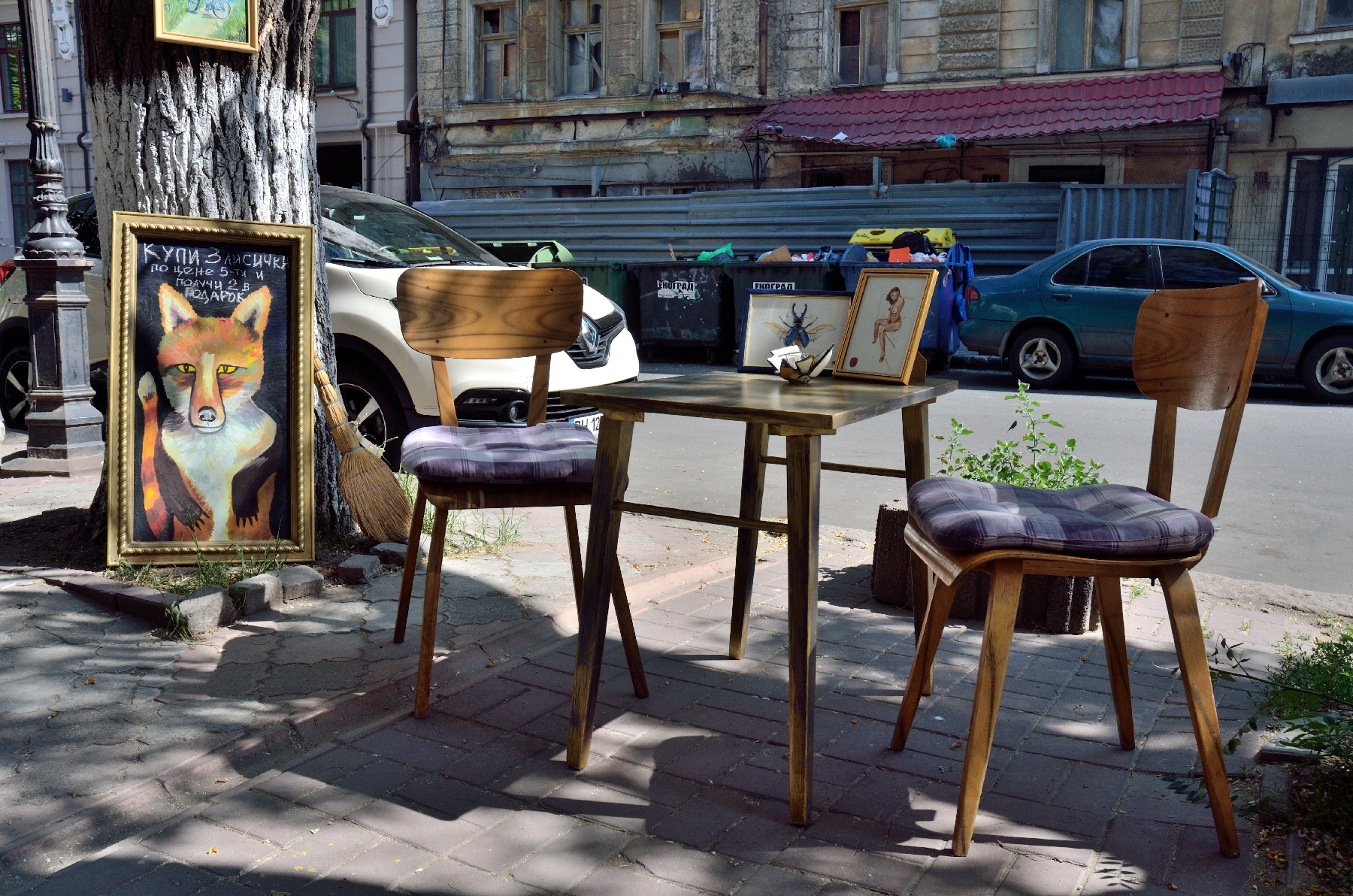
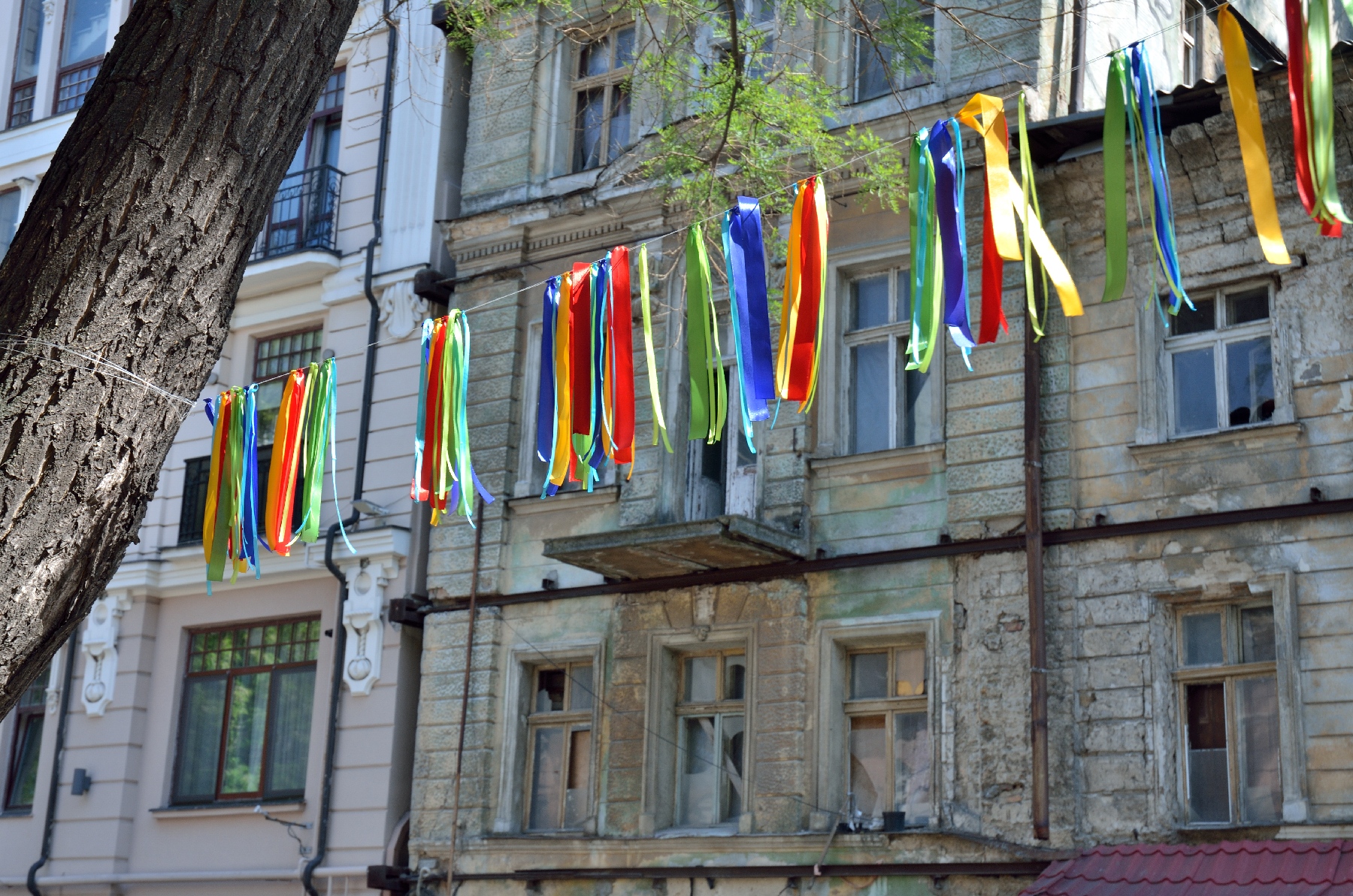
Now the house lives its last years in complete poverty, fenced and covered up by garbage bins. Soon it will collapse, and in its place, there will be a new building.
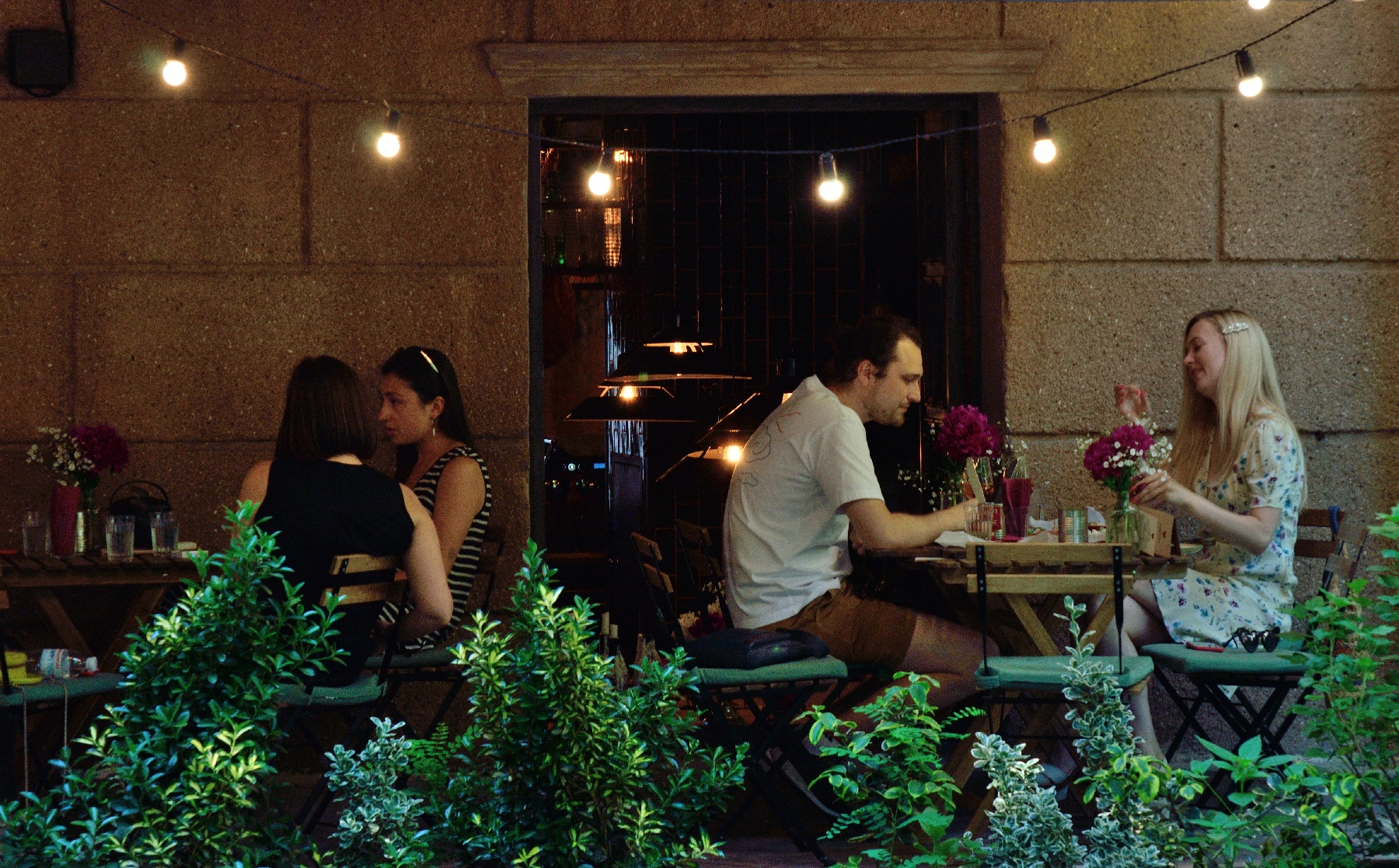
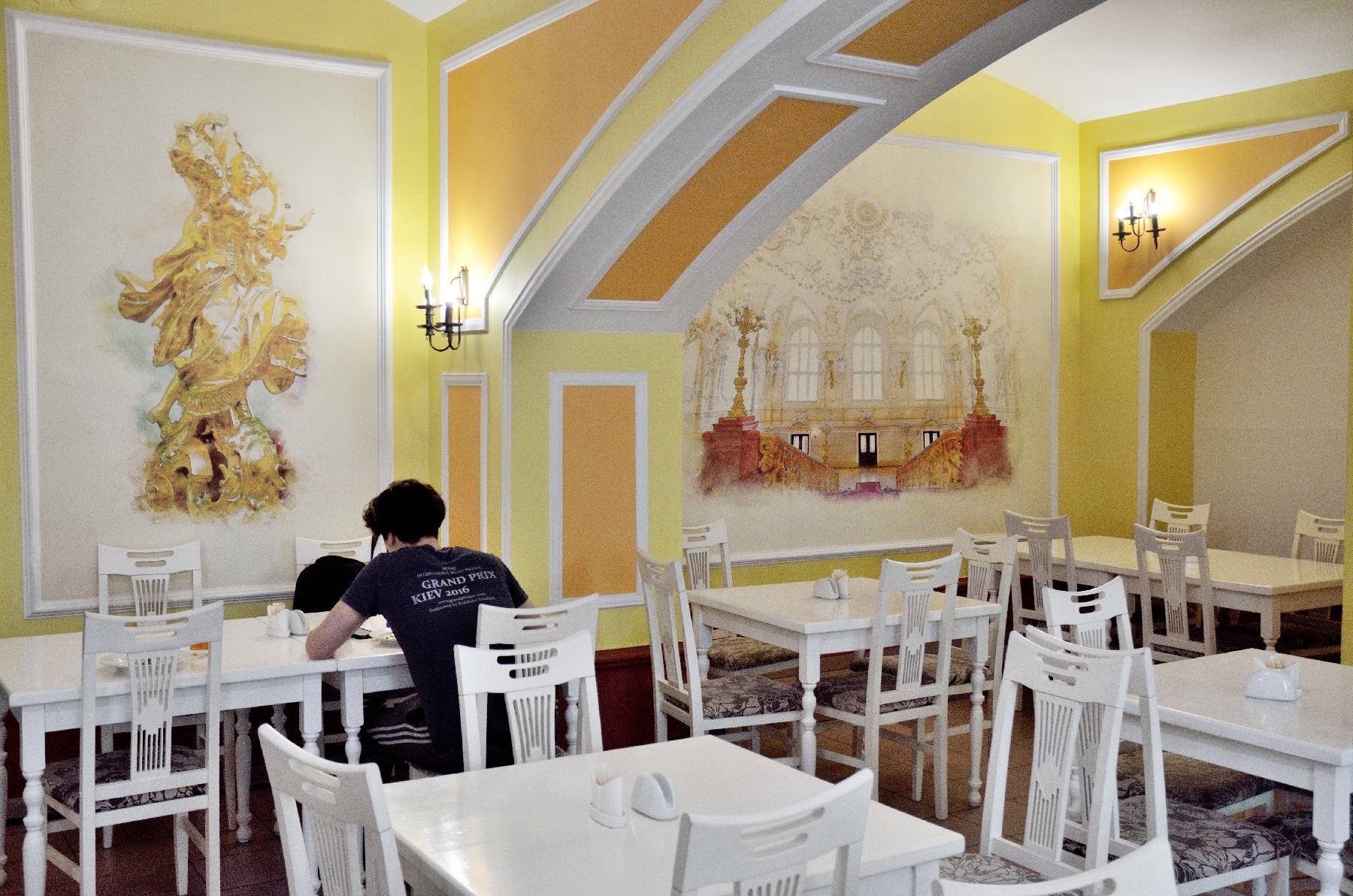
To cheer up, we go to the cafe at the Opera House – a place that is famous among artists.
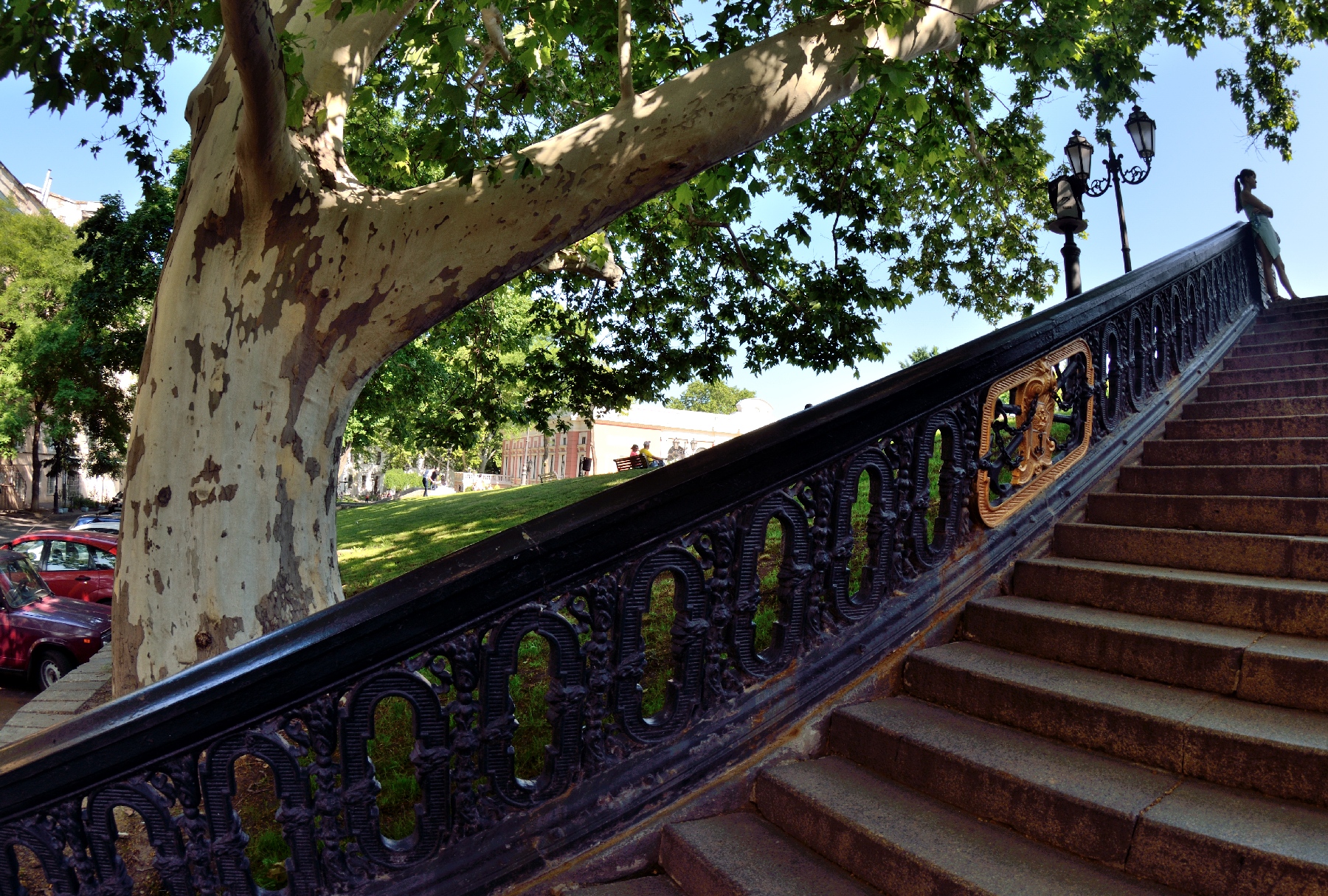
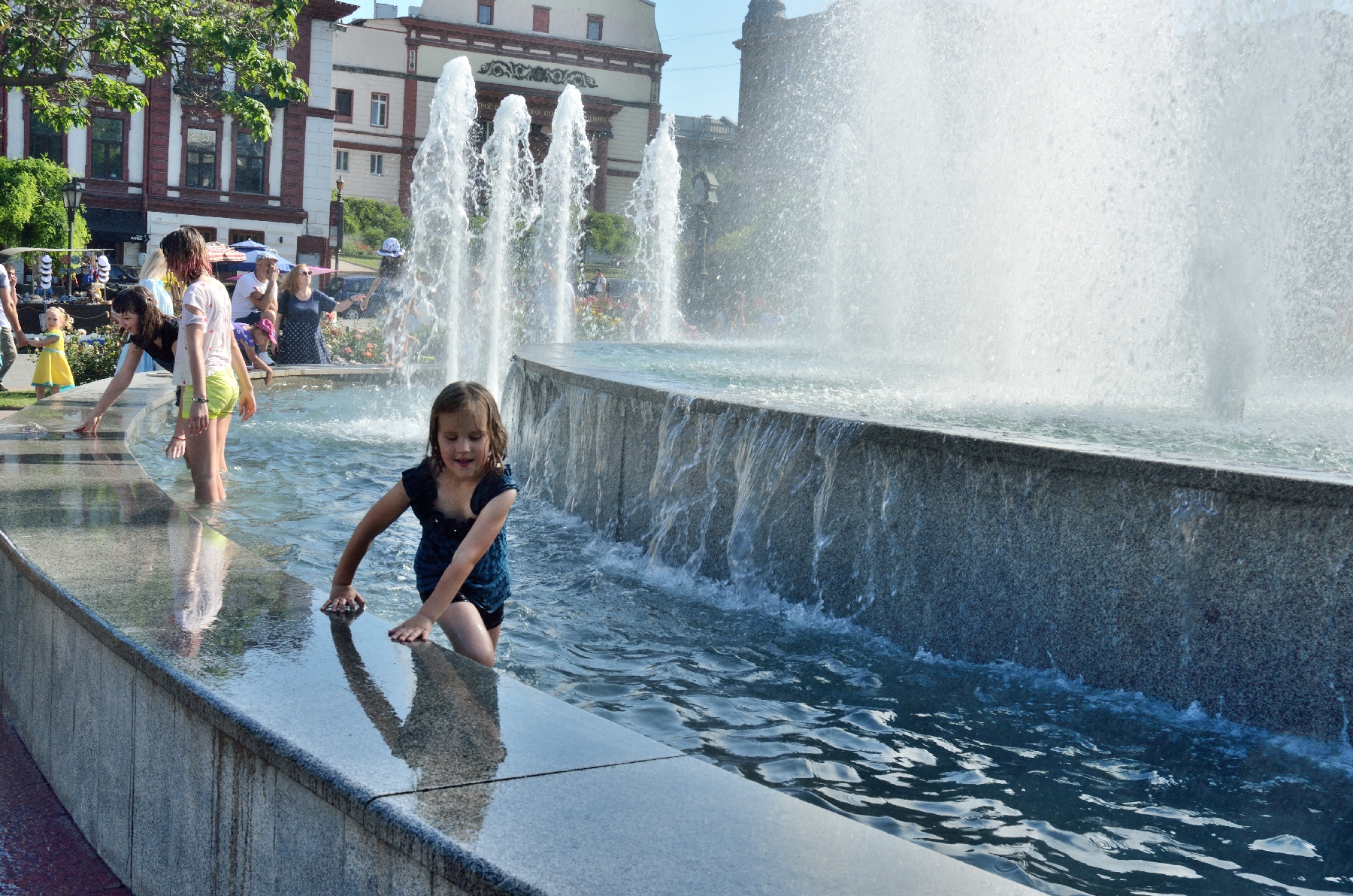
We finish the walk through the lane at romantic stairs that ascend to the Theatrical Square, where fountains shine in the sunbeams.
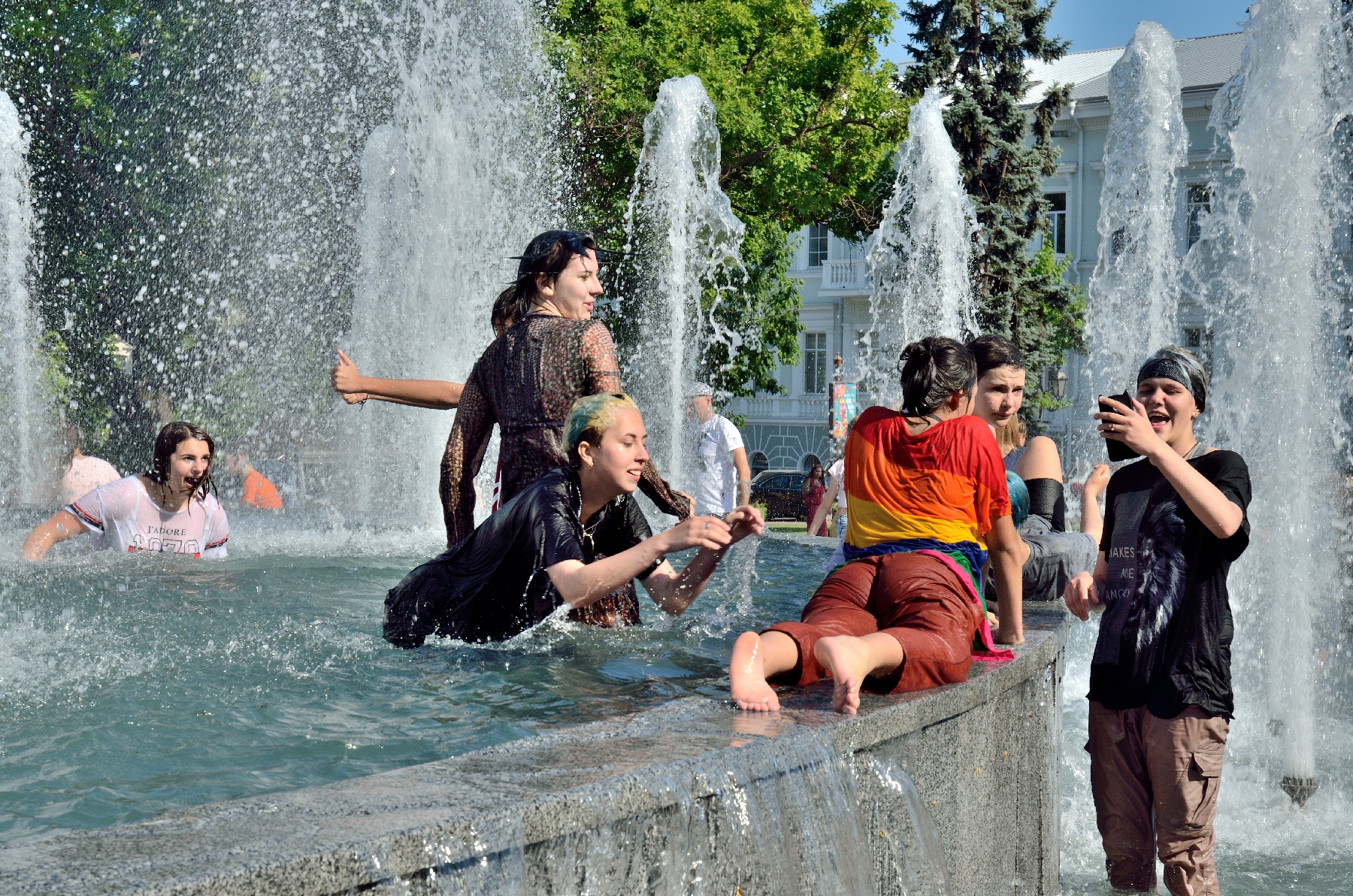
Defeated by heat, girls are literally bathing in cool jets with their clothes on.
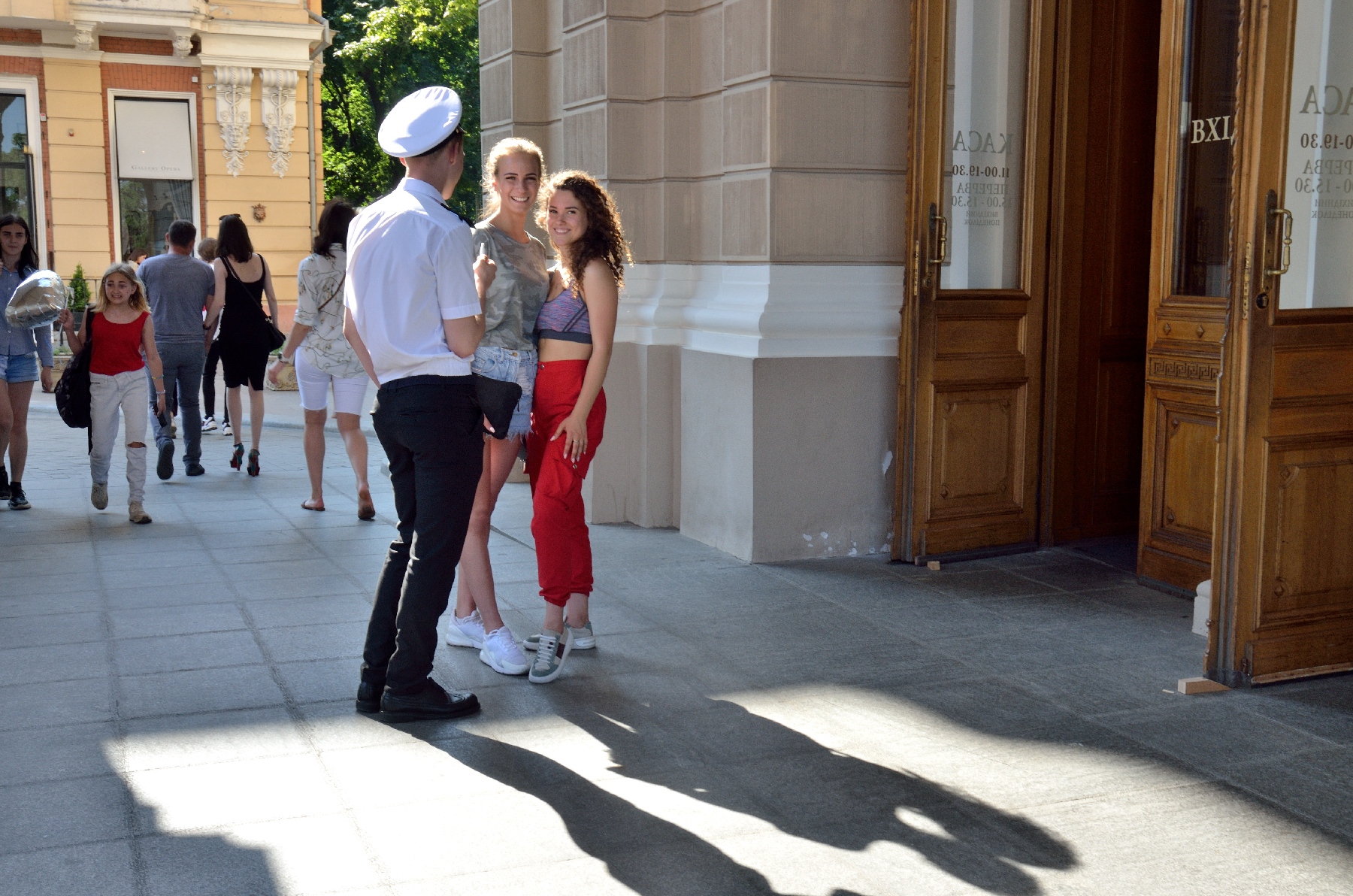
A young sailor that looks like a charmer saturated with women’s attention, talks to two beauties at the front entrance to the Opera.
In Pale-Royal near the fountain, under the bushy plane trees, people rest, enjoy ice cream and gossip, the same way they did a hundred and fifty years ago… Odesa lives with its relaxed summer life…
By Darya Garmyder
Photo by Yulia Kryzhevska