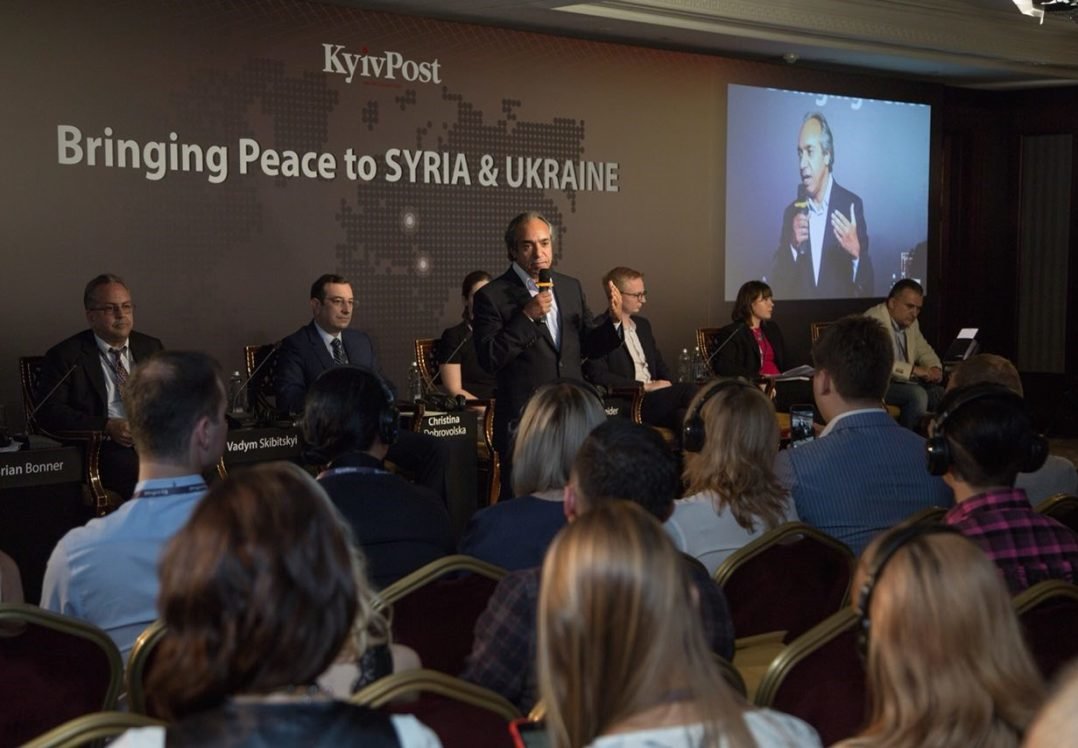


Reflecting on the ways of solving any war is a complex and responsible process. However, it is equally important to talk at once about two conflicts, which, at first glance, may seem completely different. The conference “Returning the World to Syria and Ukraine” was held in Kyiv, organized by the largest Arab investor in Ukraine Adnan Kivan and the English-language Ukrainian edition The Kyiv Post. Now this is the first meeting, where experts immediately talked about two conflicts, comparing them and trying to find not only common features but also possible ways of elimination. DUMKA visited the meeting and gathered the main theses and thoughts of the guests of the event in order to finally answer: will the peace be returned to Syria and Ukraine?
Bringing Peace to Syria & Ukraine: the beginning
Before the panel discussion began, the Chief editor of The Kyiv Post, Brian Bonner, gave the floor to the new owner of the newspaper, the organizer of the conference, billionaire Adnan Kivan. Adnan Kivan bought Kyiv Post this year. He is known for owning the construction company Kadorr group. It builds elevators and a grain processing terminals for export to the countries of the Arab world. They are able to process more than 10 million tons per year. Commercial real estate, which Adnan Kivan owns only in Ukraine, is estimated at 800 million USD (mainly business centers, shopping centers, recreational and hotel complexes, etc.). He is also a philanthropist – he built the Arab Cultural Center in Odesa and gave the city an ambulance hospital.
In his opinion, the situations that have developed in Syria and Ukraine, have something in common. His Motherland can even learn something from our country.
“Everyone knows about the complexity of the situation in Syria: about 600,000 people died, more than 1,5 million people wounded, 12 million people became refugees. This is a great tragedy, but even so, we do not surrender and will not surrender. We are determined, our goal is to achieve peace in Syria. It will happen very soon.
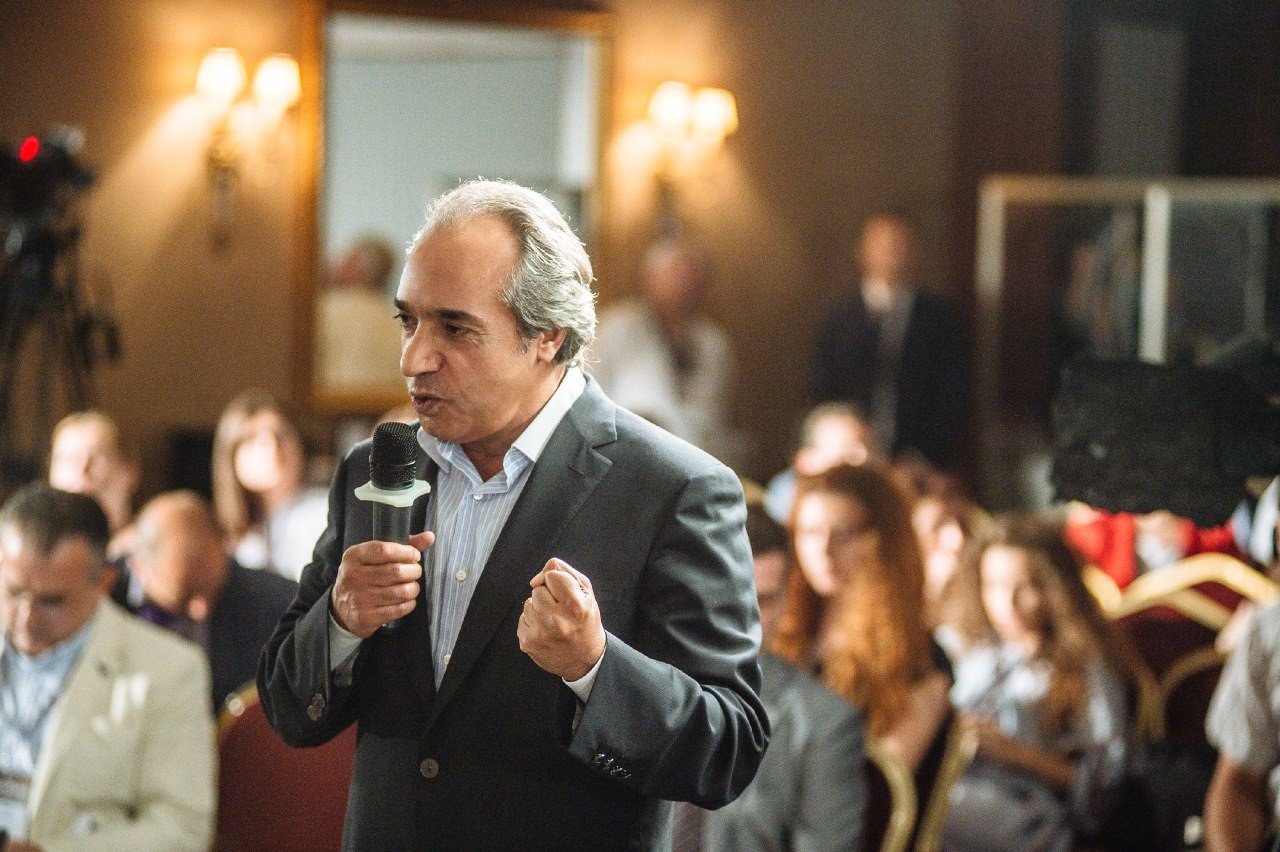
The Ukrainian situation is also complex, but not so catastrophic. Before the beginning of our meeting, one of the participants asked me: why combine these two questions? I answered then and I repeat now: these questions have the same essence. Of course, Syria has more losses. But why have not we seen this in Ukraine? And because the President, the Army and the population from the first day found the strength and ability to unite against aggression. Unfortunately, Syria’s dictatorship was against the population. Therefore, returning to the question “why”, I answer: in particular, to demonstrate that nobody will be able to defeat the united state”, Adnan Kivan said.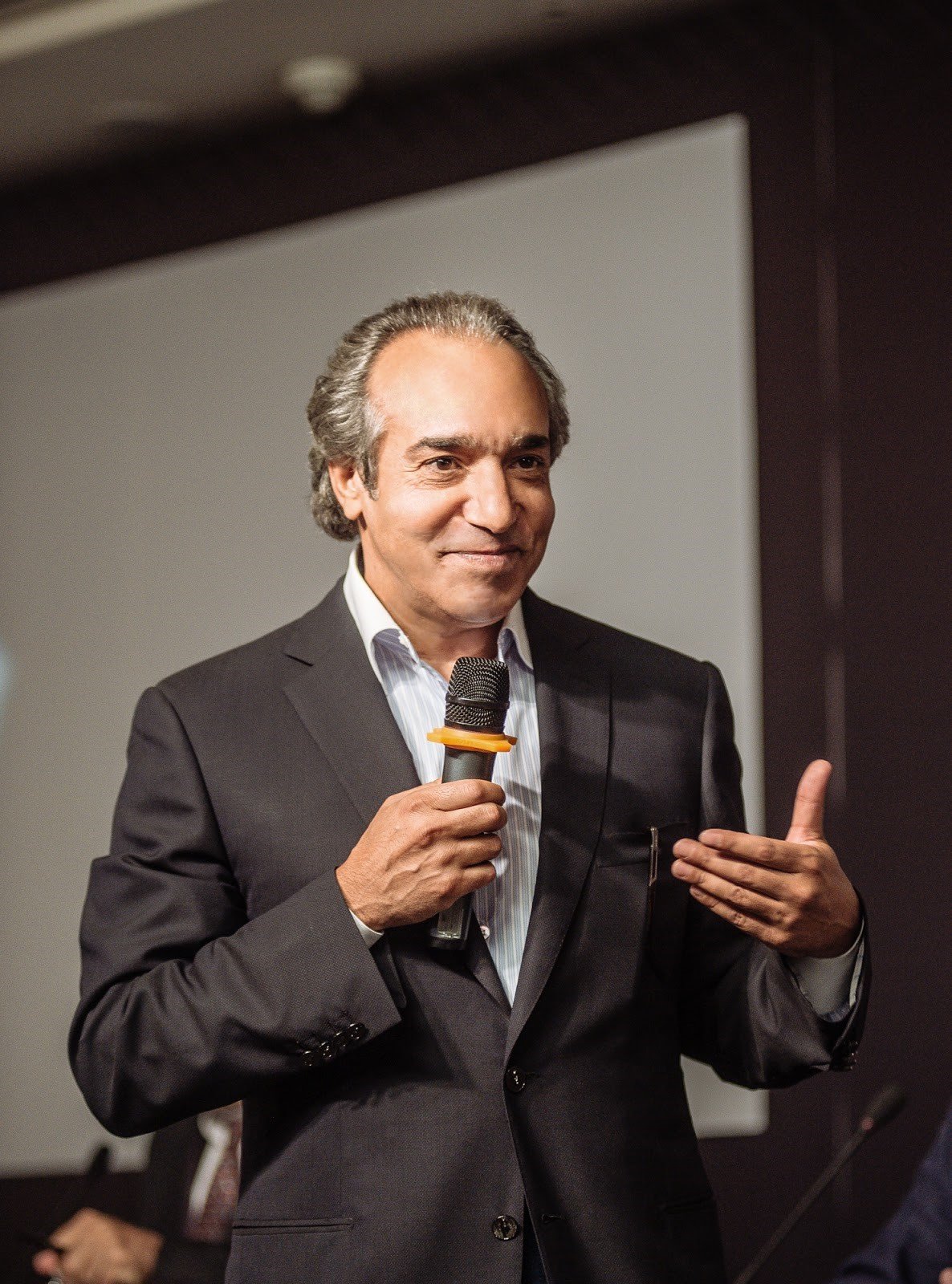
Discussion #1: Russian intervention
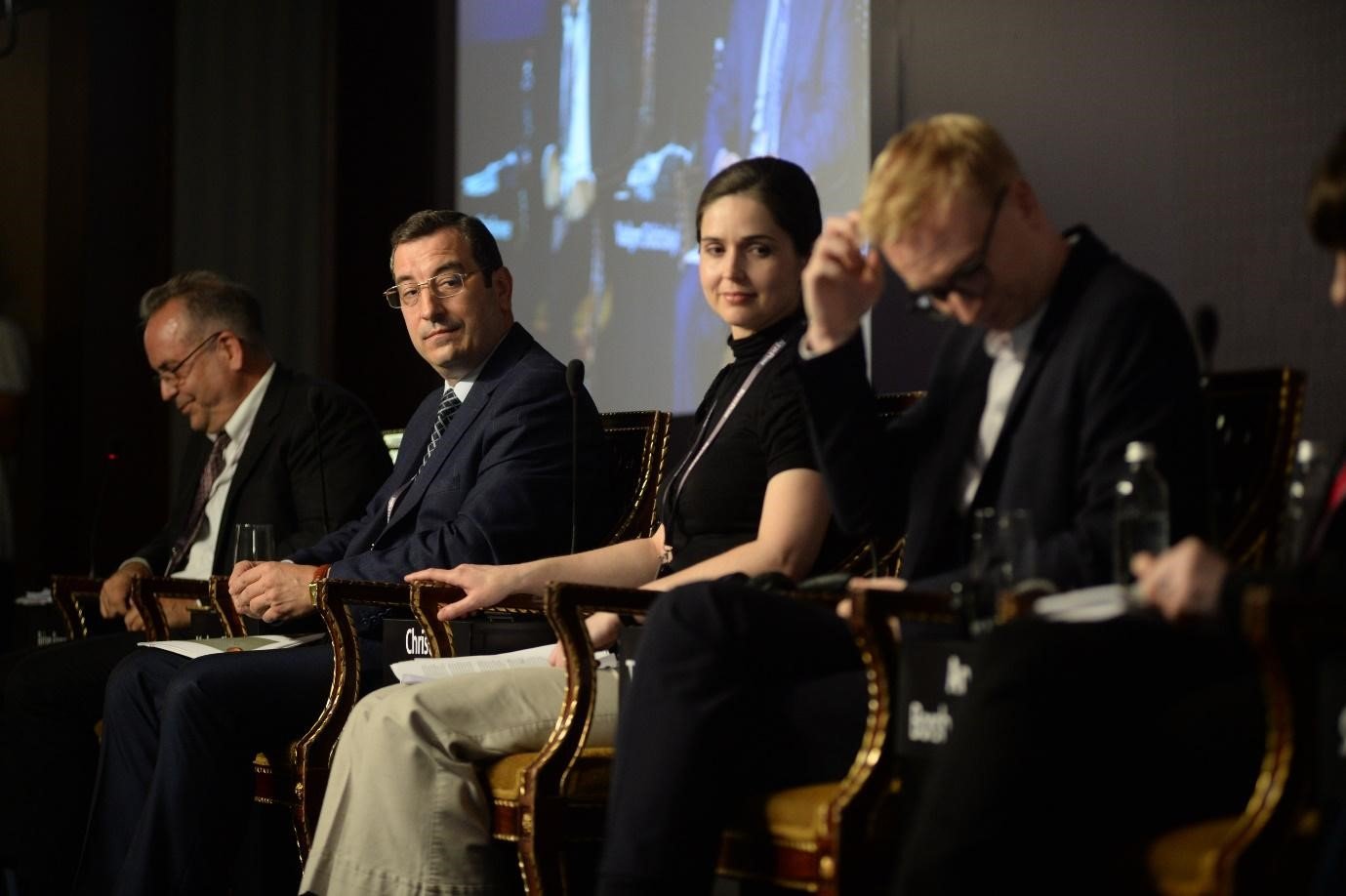
The first discussion was devoted to the intervention of the Russian Federation in both conflicts. Discussants: Tobias Schneider, Research Fellow at the Institute for Global Public Policy and the editor of Syria in Context, Anna Borshchevska, expert on Russian influence in the Middle East, Salem Kawakibi, Director of the Arab Research Center, Christina Dobrovolska, researcher of the InformNapalm volunteer project, and Vadym Skibitsky, Deputy Chief of the Main Intelligence Directorate of the Ministry of Defense of Ukraine.
Tobias Schneider spoke about the prerequisites and the history of the development of the Syrian conflict. According to the researcher, the conflict began as a civil uprising, but then everything turned into an open armed confrontation, in which not the least role was played by Russia.
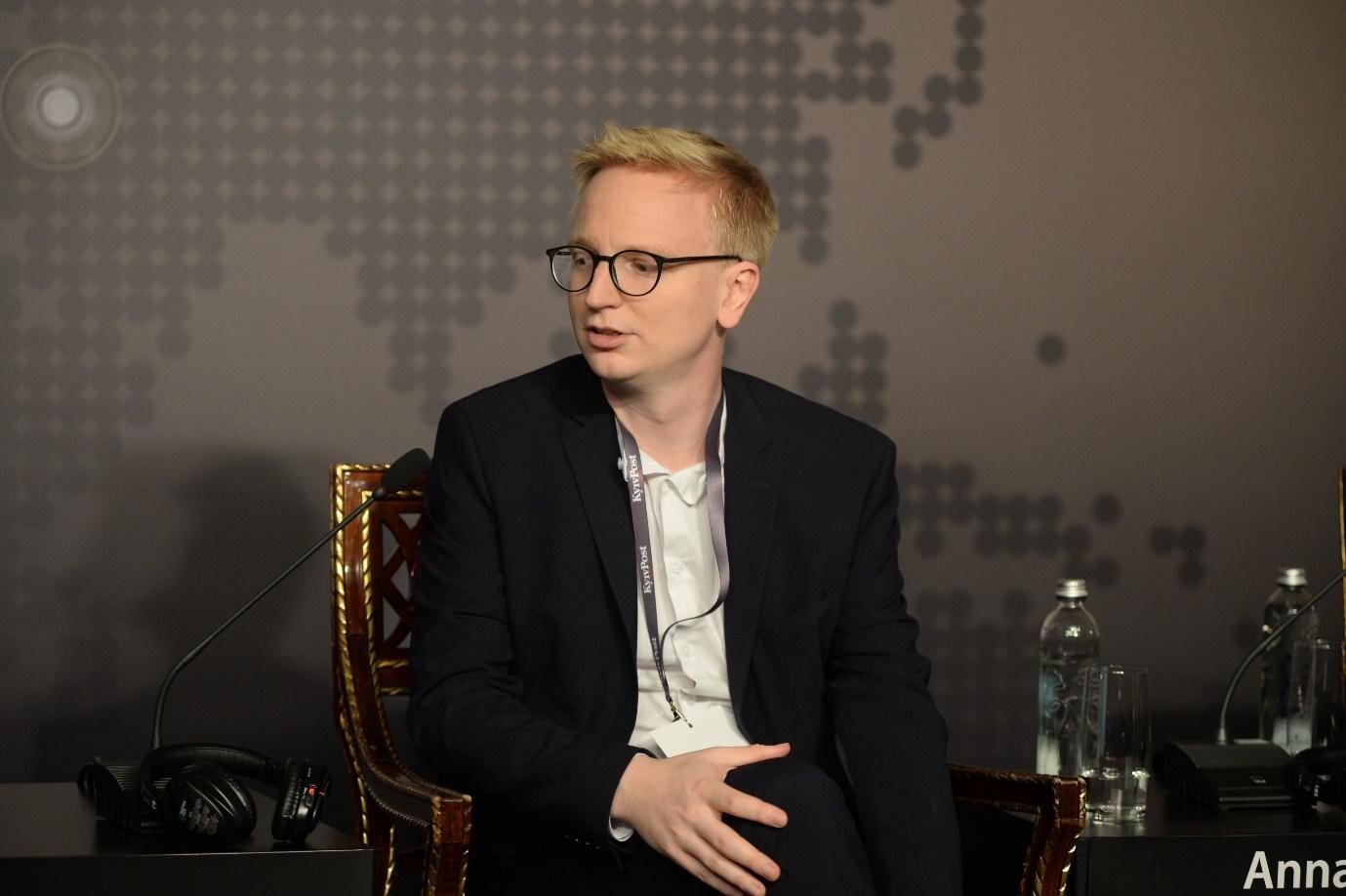
“Everything started as a civil uprising, given specific economic, religious and social problems. Subsequently, the uprising turned, rather, into violence, in 2013-2014 already openly talked about the war, and in 2015, the international players have joined. The US, for example, drew attention to the Syrian conflict only after it got into the leading positions in the international rating.
The Syrian army first began to disintegrate, then there were some structural changes, attempts to increase capacity. Already in the summer of 2015, the Syrians were defeated several times in the central part of the country. In fact, the army was stymied. And now, when the involvement of Iran and Russia has already taken place, this has completely transformed the nature of the conflict. First of all, diplomatic. Since then, no one has tried to throw off the existing regime, the States warded off this idea. So Moscow became the leading center of the conflict”, stated Tobias Schneider.
What does Russia want from Syria?
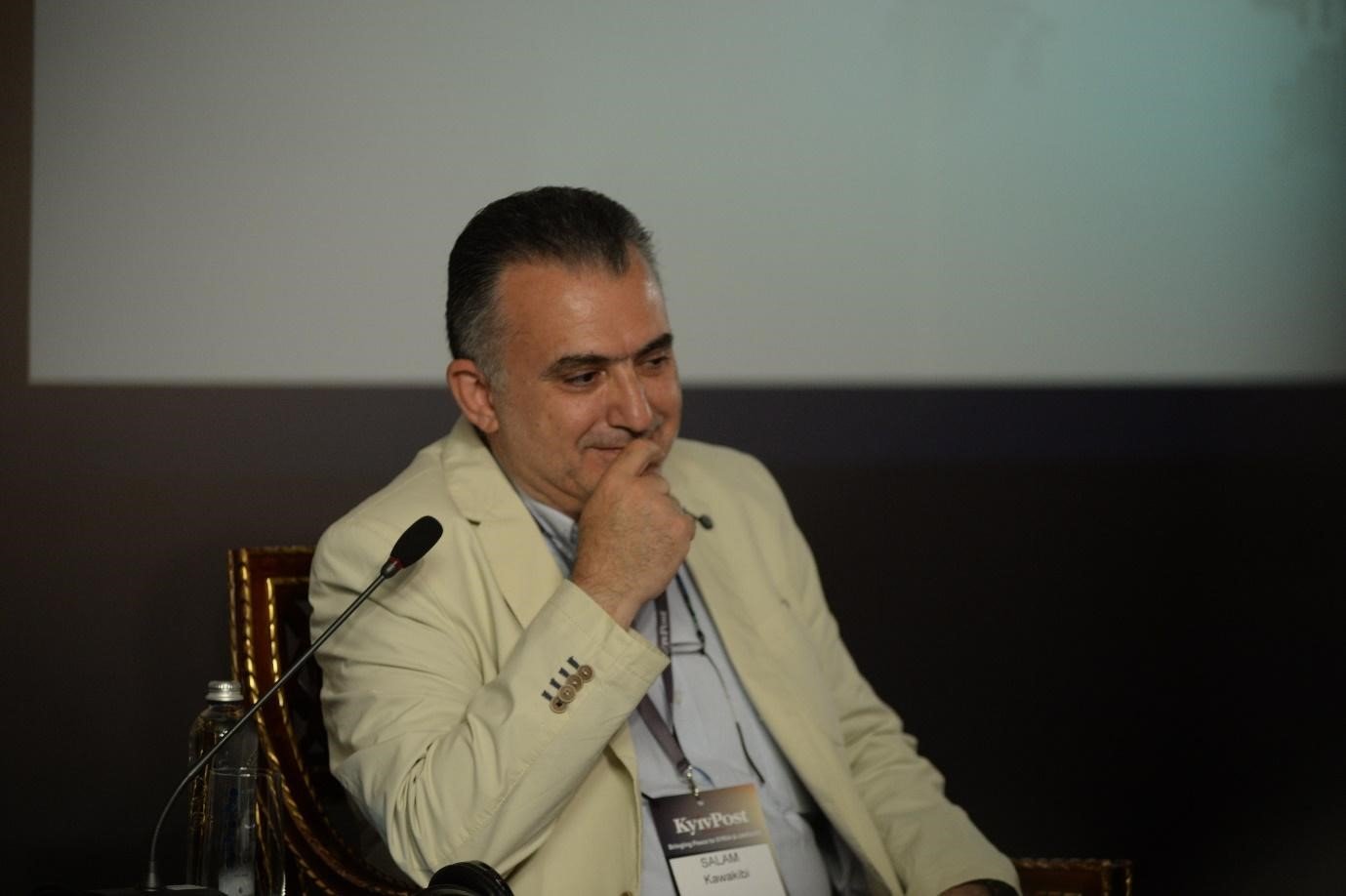
Answering this question, the Chief editor of The Kyiv Post, Salem Kawakibi stressed that Russia has many aspirations, but any ways of obtaining the desired also do not suit the aggressor country.
“We must recognize that Putin needs a war to remain in power. He simply is not ready for peace, because the peace for him is the loss of his own importance, significance, authority”, the researcher admitted.
What do Russians need in Ukraine?
Following the outline of the main ambitions and reasons for Russia’s participation in the Syrian conflict, there is a logical question: what does the aggressor country need from Ukraine? Brian Bonner invited the volunteer-researcher Christina Dobrovolska to answer this question.
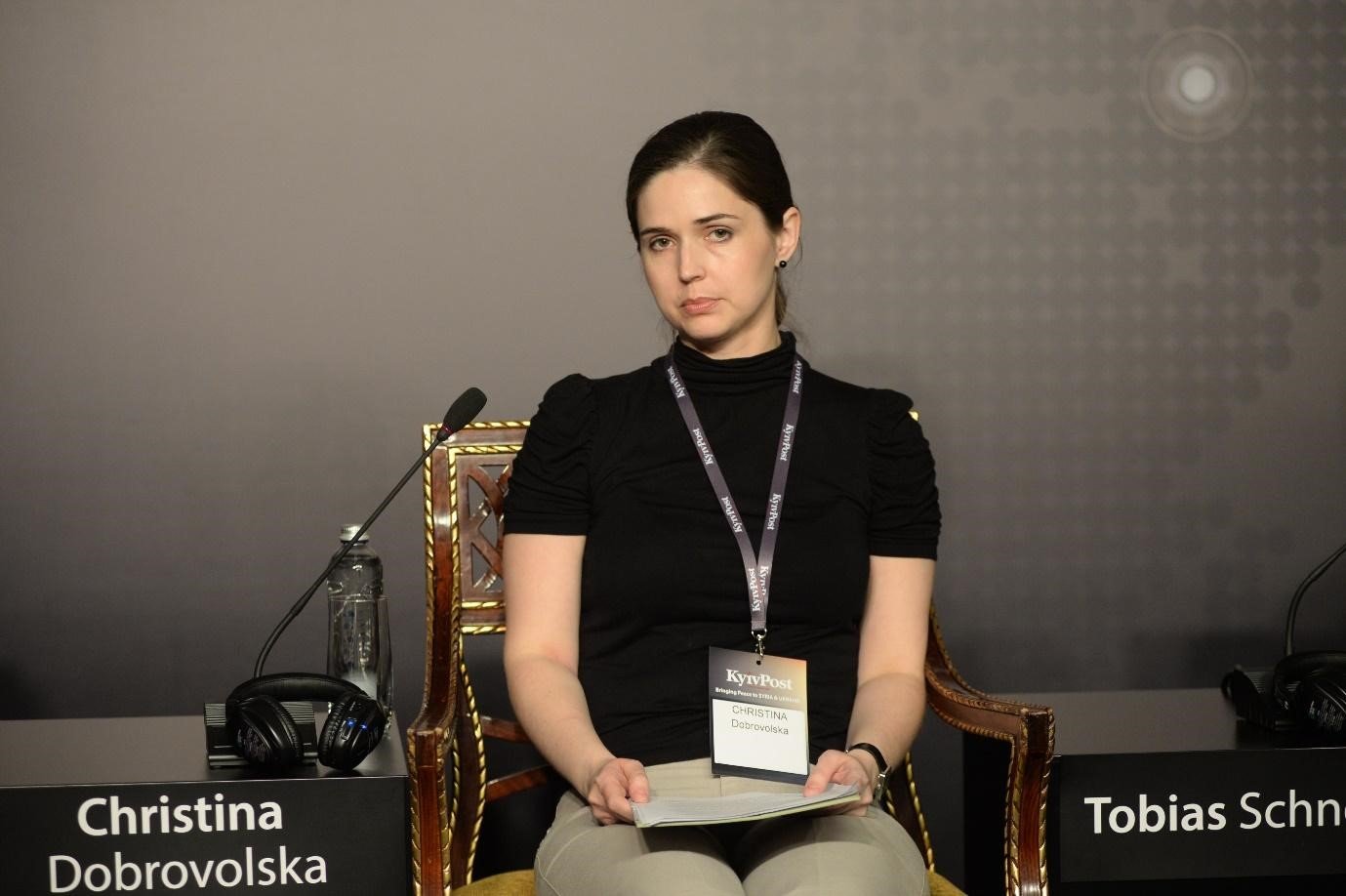
“We can talk about the same contingents, fighting both here and there. Russians, who fought in Donbas, are participating in the war in Syria now. According to our estimates, about 20 units of the Russian army joined the military operations. But that is not all. In addition to the regular military, there are also Russian mercenaries, or, as they are called in Russia, private military companies”.
At the same time, the researcher is convinced that Russia is in fact quite dependent on a number of factors. And the money that goes to shed blood in Ukraine and Syria, in fact, carefully extracted from the pockets of ordinary Russians.
“Russia has never been part of a modern global economy or technological revolution. It is dependent on natural resources, raw materials and people, who are ready to fight for their assets. And when they say that Russia is sponsoring the war, I want to answer: money is not coming from Putin’s pocket and his friends but from the pockets of taxpayers. This is his main goal – to enrich himself and his friends”, Christina Dobrovolska summed up.
Vadym Skibitsky sees several other goals in the activities of Russia. From his point of view, it is not so much about the way to make money, as about certain strategic plans in building up his influence.
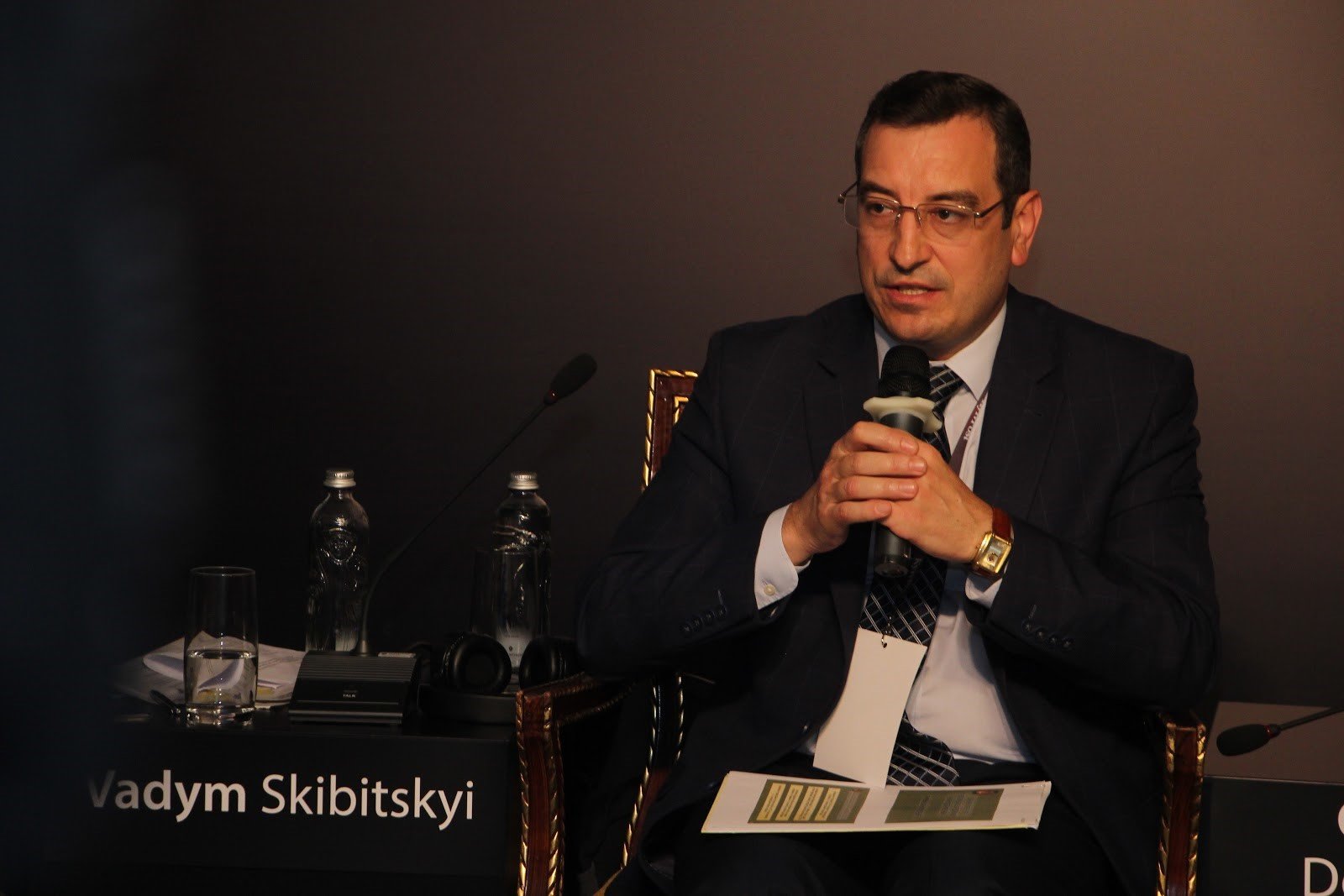
“After the occupation of the Crimea, the Russian Federation weekly increased the number of military and technical equipment there. Then they rebuilt all military facilities. Therefore, it is quite logical that the main goal is to control the Black Sea. And pressure. In particular, in the NATO countries. This is all a matter of Russia’s interests. Putin seeks to create a military presence, deploy activities and influence other countries. That is why we are now discussing the issue of the Russian presence”, the expert said.
What should we demand?
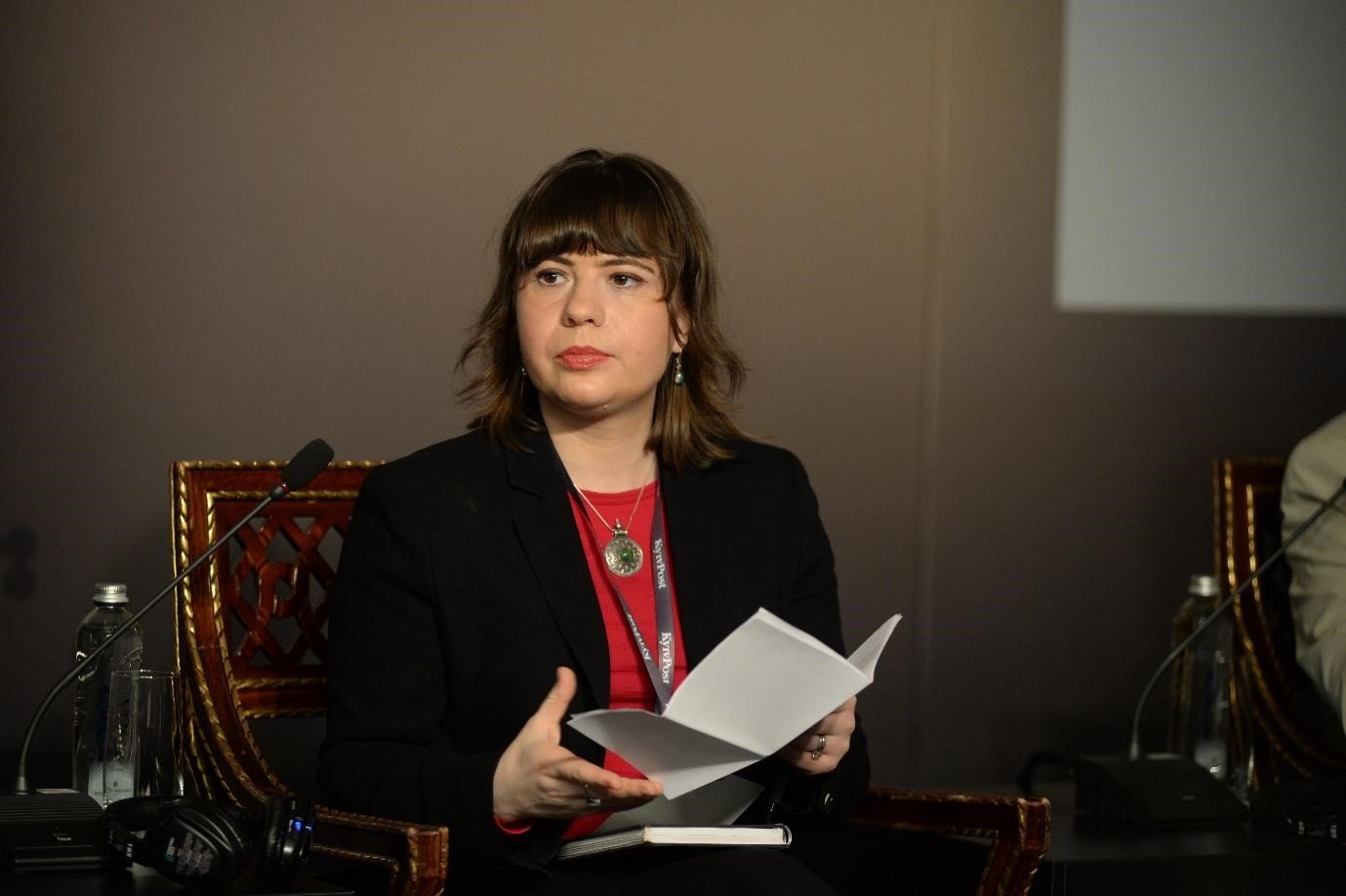
Experts are convinced that it is impossible to observe the conflict in Syria and Ukraine in a simple way, and therefore more resolute actions should be taken. An opinion on how to stabilize the situation was expressed by Anna Borshchevska:
“First of all, it is necessary to demand a strengthened American presence. It could also be a question of training the Syrian opposition, it was terminated after Trump was elected the President. It is necessary to involve also infrastructure because today Russia is beginning to be perceived as a force that is growing. And this is wrong. And it is we, who should stop this”, Borshchevska noted.
Discussion #2: Averting humanitarian catastrophe
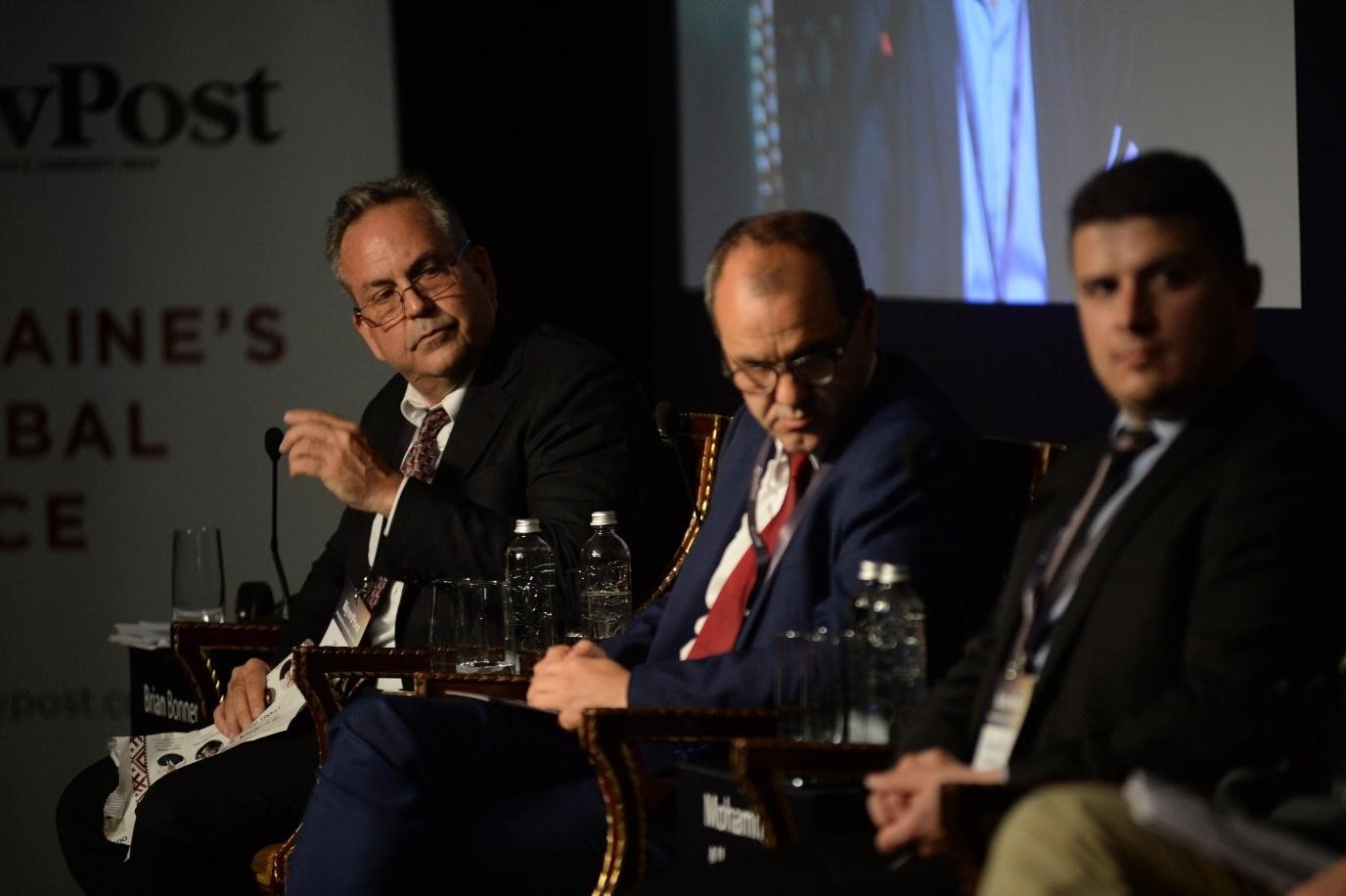
The topic of a possible humanitarian catastrophe and its prevention was discussed by Vol Aledji, representative of the Syrian Human Rights Network, Mohammed Ahammadi, the Chairman of the Syrian NGO Union in Gaziantep, Nicholas Gauton, diplomatic adviser, the representative of the International Committee of the Red Cross, and Mamar Merzuk, the Head of “The Syrian crisis and European group Humanitarian Aid Commission”.
The second panel of the discussion focused mainly on the theme of refugees and social problems faced both by those, who left the territory of Syria and those, who remained at the very center of the conflict. Certainly, Turkey played a separate and very important role in accepting refugees from Syria. This was stressed by Mohammed Akhammadi during his speech.
“Yes, Turkey is a host country. If we talk about Syria, it is not so important to have money, how to know where to spend it. For example, at the beginning of this month (June – the author’s note) It was quite difficult to mobilize resources and money. And it is worth understanding that this is a fairly large number of refugees. 8000 people every day”, explained the expert.
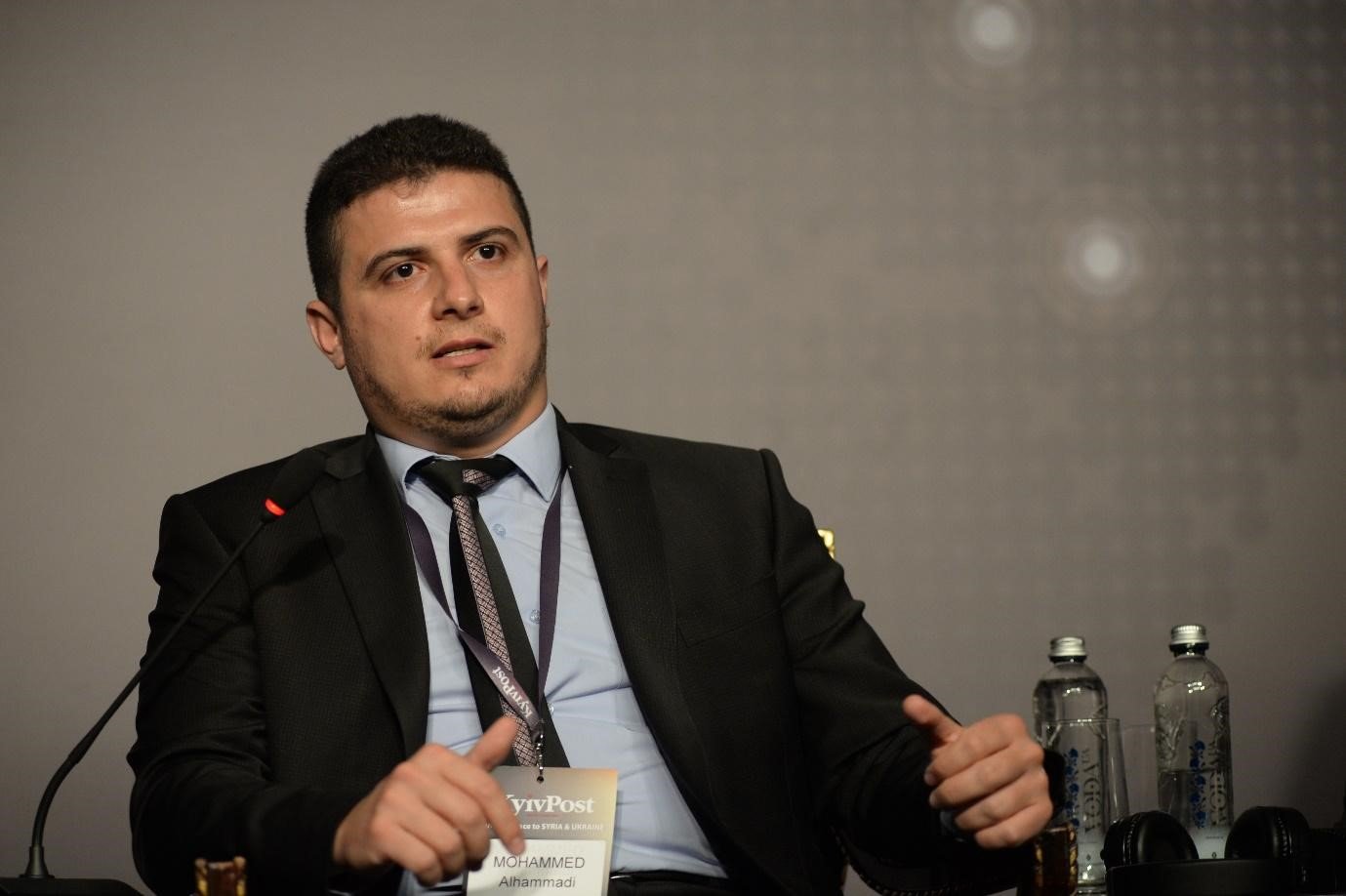
Mohammed Ahammadi explained that the main thing in the Syrian conflict now is the access. Exactly these interests are all the most.
“Conventionally, the best region for us now is north-western Syria, because there is better access. Various organizations were able to establish control over the territory, it is still the most accessible. Thus, we can attract people for conducting training, doctors can cross the border of Syria and Turkey”.
What do the representatives of the Red Cross say?
Nicholas Gauton, on trying to generalize the results and experience of the “Red Cross”, assured the conference participants that international humanitarian rights are violated wherever military conflicts occur:
“We constantly fix the violations and monitor the quality of water supply, housing conditions, check the state of prisoners behind bars. But all this is very difficult. The first priority should be a political solution to the problem and a more precise observance and enforcement of norms. And, of course, access to people, who are in a difficult situation. It is not so important for us on which side they are fighting. We provide as much assistance as we can.
On the violation of international humanitarian norms, I must admit that wherever there are conflicts, these norms are not met by all participants. Attacks on hospitals, the bombing of peaceful areas – this is only a part of all cases. It is not our role to blame anyone, but I must state: international norms are not being implemented”.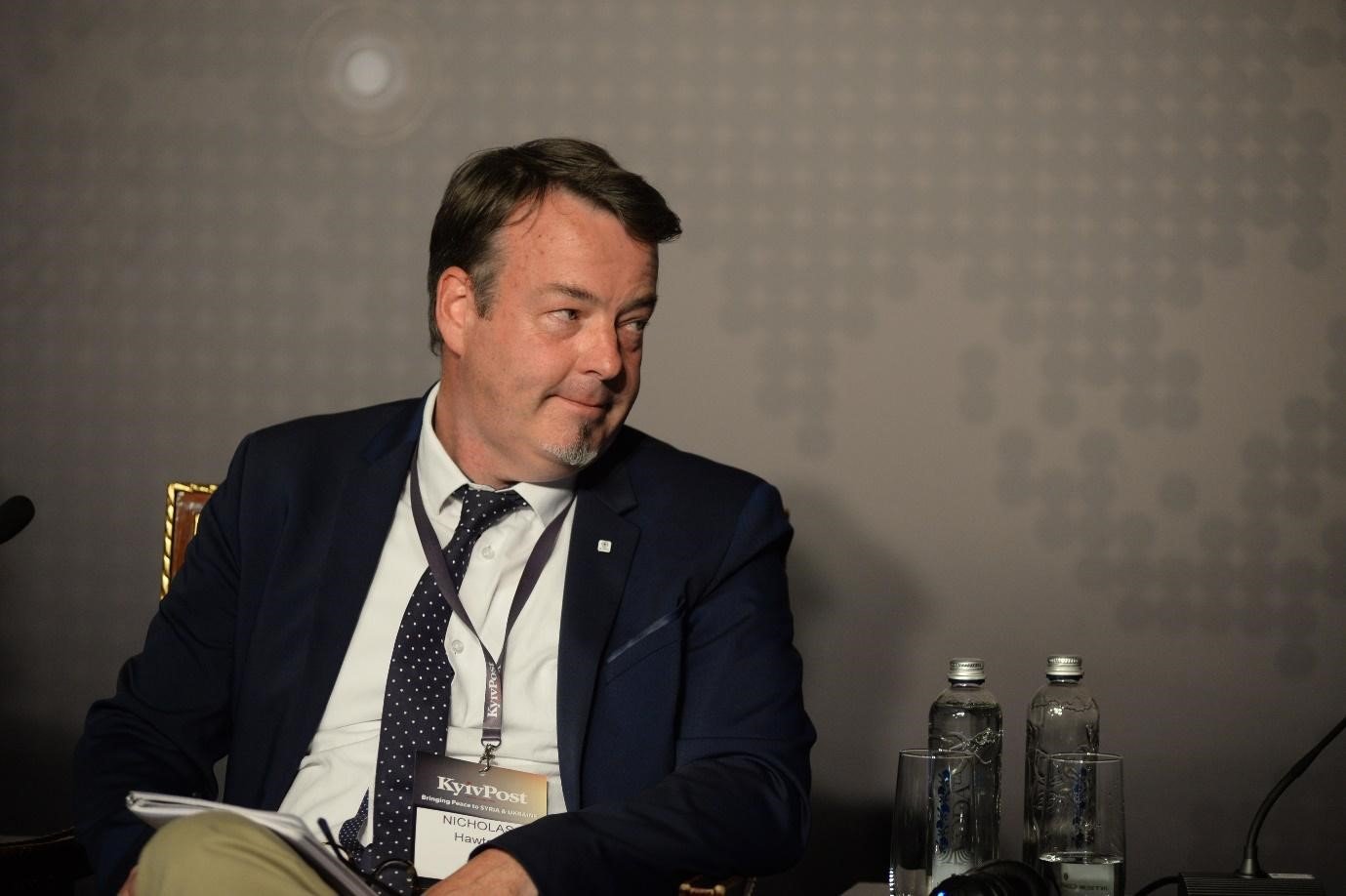
Should we wait for help?
Vol Aledji, commenting on the humanitarian catastrophe, stressed that currently Putin continues to “rule” Syria, as the West and other countries are busy with other issues. And at the same time, the expert suggested that Ukrainians and Syrians are capable of putting an end to the domination of ideas that Moscow is imposing.
“The West is not interested in Syria now, it’s mostly part of the interests of the US and Russia. And this lack of attention to the real and large-scale problem gives the green light to Assad, the Iranians and the Russians themselves. They perceive this silence around the conflict as weakness, allow themselves to use bombs, kill hundreds of thousands of people, cause massive demographic changes. Imagine, half of the population has just been moved. And all this is carried out right under the nose of the international community. And what is it? The UN is paralyzed by the Russian position, the West is far more concerned with extremism and terrorism than with the Syrian conflict. On the technical side, Putin actually “rules” Syria at the moment. It is he, who forces everyone to act on certain principles, it is he, who imposes on his own goals. And the West, for its part, does not want to compromise Moscow, so Syria itself suffers in the end.
I am convinced that the Syrians and Ukrainians can do a lot together, especially when it comes to overcoming narratives. We must admit that we will not be able to overcome Russia militarily, but in our power to try to counteract Putin in a different plan. Moscow very carefully takes care of its international image and as a result starts to actively operate behind the scenes, invests incredible human resources, spreads a lot of propaganda. But this is all nonsense, ultra lies, super lies, and we can refute it, we can provide the facts. But we need to think it through, draw up clear demands from the world community and sanctions”, Val Aledji said.
Discussion #3: Steps for lasting peace
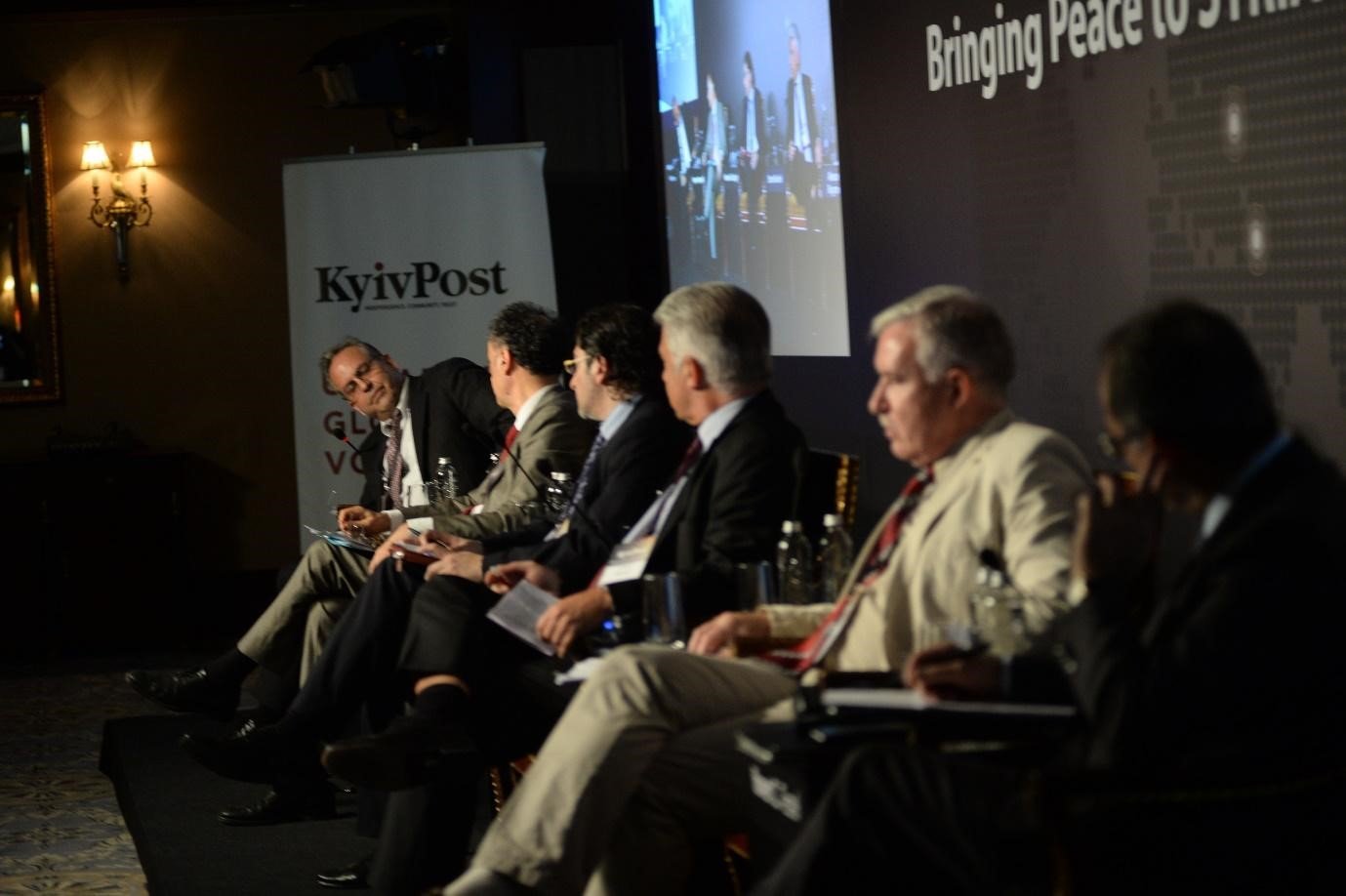
Hug Mingarelli, the Head of the Delegation of the European Union to Ukraine, Ernst Reichel, German Ambassador to Ukraine, Oleksandr Bogomolov, the Director of the Institute of Oriental Studies, Yonet Can Tezel, Ambassador of Turkey to Ukraine, and Hussein Sabbah, representative of the Syrian Government.
The Ambassador of Turkey in Ukraine expressed his opinion on the war in Ukraine and the Syrian conflict first. According to Yonet Can Tezel, Turkey requires normal and independent neighbors, where the government does not worsen but solves the problems of the population.
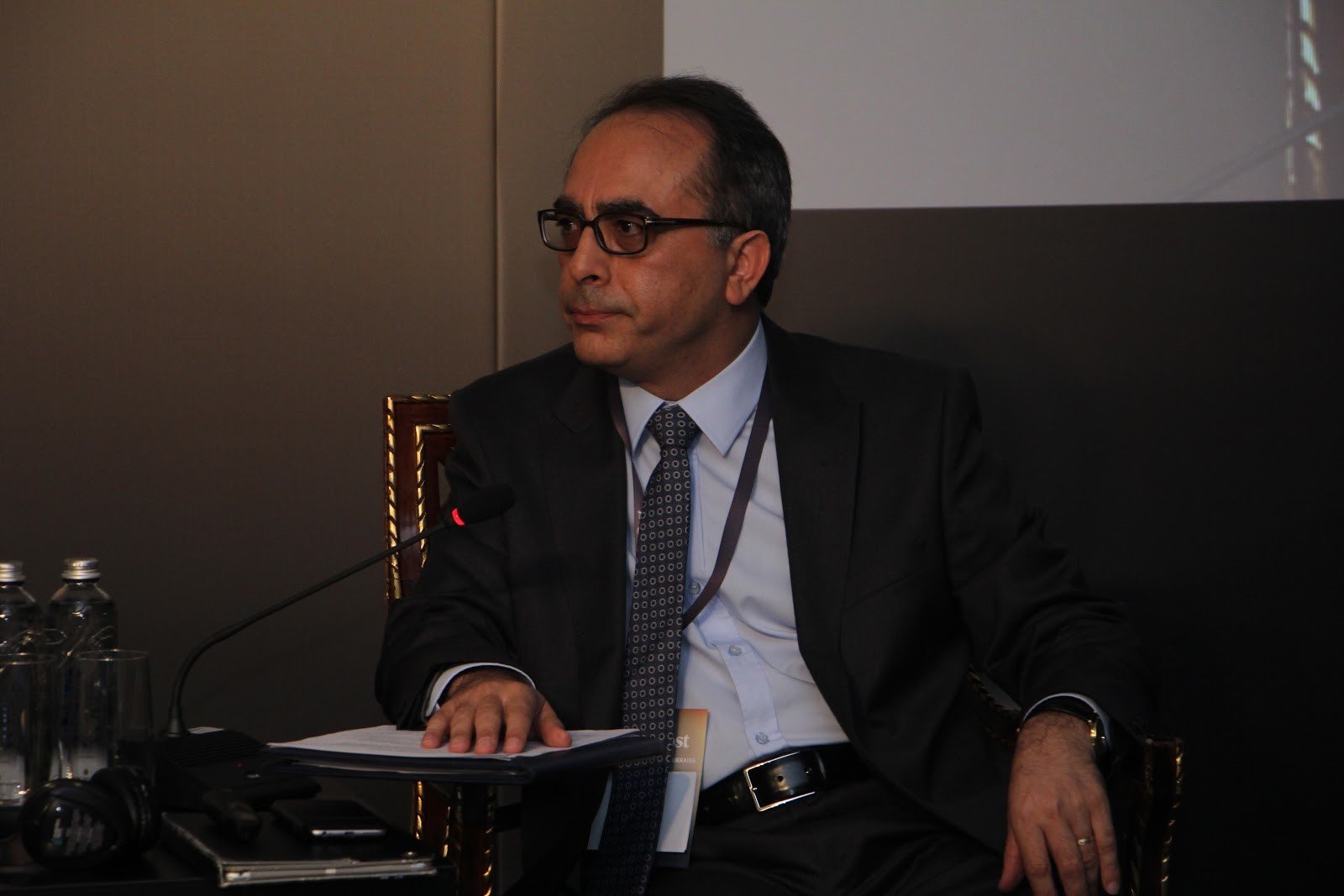
“Our foreign policy is based on one goal: to provide such conditions under which we will be able to provide our residents with the best standards. We need this, we need normal neighbors. With democratic regimes, with the ability to avoid crisis situations. From the first day we supported the territorial integrity of Ukraine, the democratic initiatives of the Ukrainian population. We wanted the authorities to be responsible for every act and consisted of representatives of different social groups. It’s the same with Syria. Our priority has always been territorial integrity”, the Turkish Ambassador said.
But the German Ambassador emphasized the important role of Germany in resolving these conflicts and in a certain responsibility, which his country clearly feels and realizes.
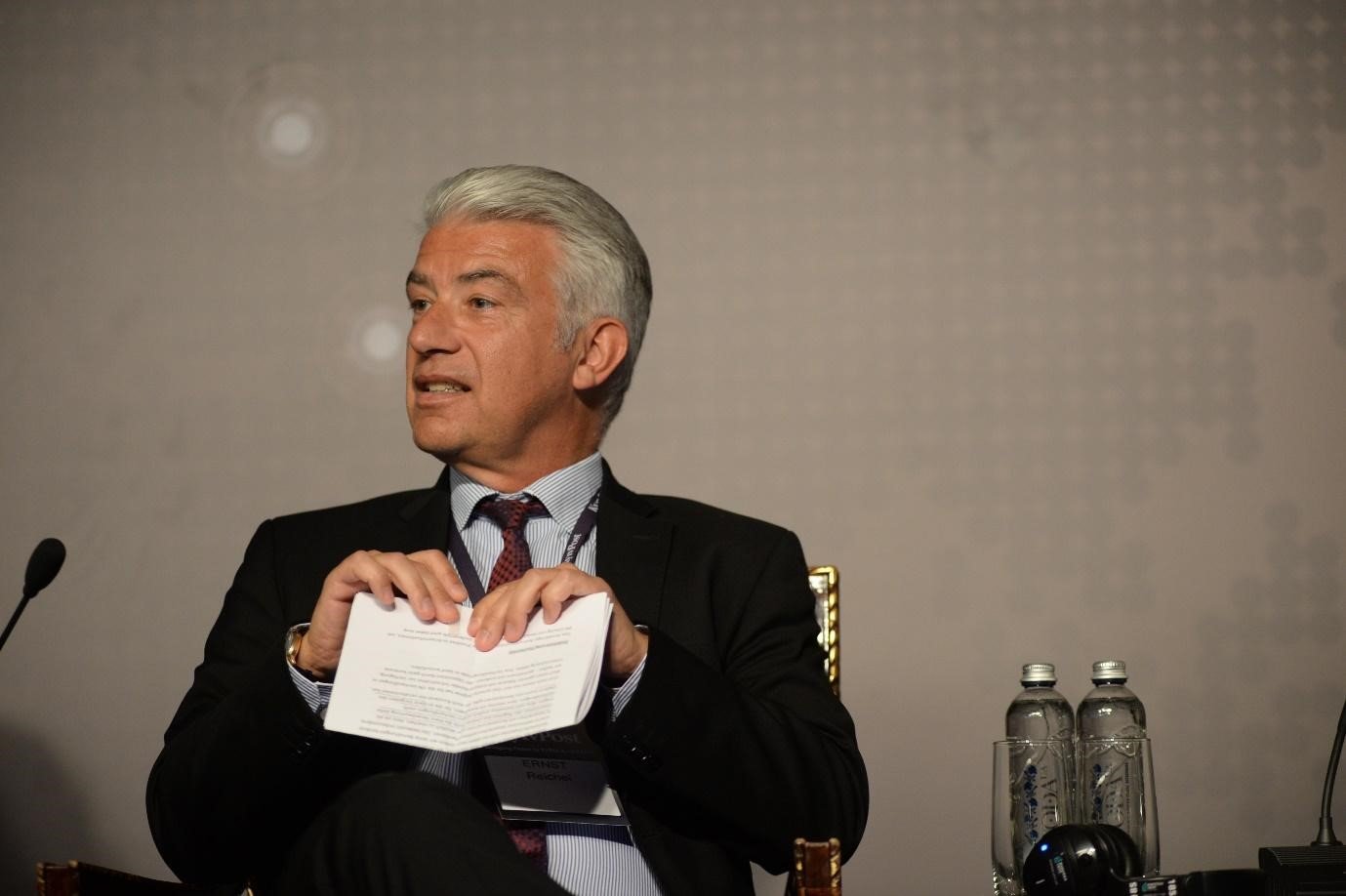
“It will be fair to say that we have assumed a significant share of responsibility. We cannot refuse to help people, who find themselves in a difficult situation. We feel that we should play our part in ensuring peace. We just have to remember that we are neighbors, and therefore, we cannot be indifferent to what is happening”, assured Ernst Reichel.
Are two conflicts similar, and how to solve them?
And although in the third part of the conversation, it was supposed to allocate clear steps to establish situations, the topic of correlation of events in Ukraine and Syria became equally important among the speakers. In particular, Hussein Sabbah noted that in the situations of the two countries, there is no common connection, and therefore the ways of solving the situations are also different.
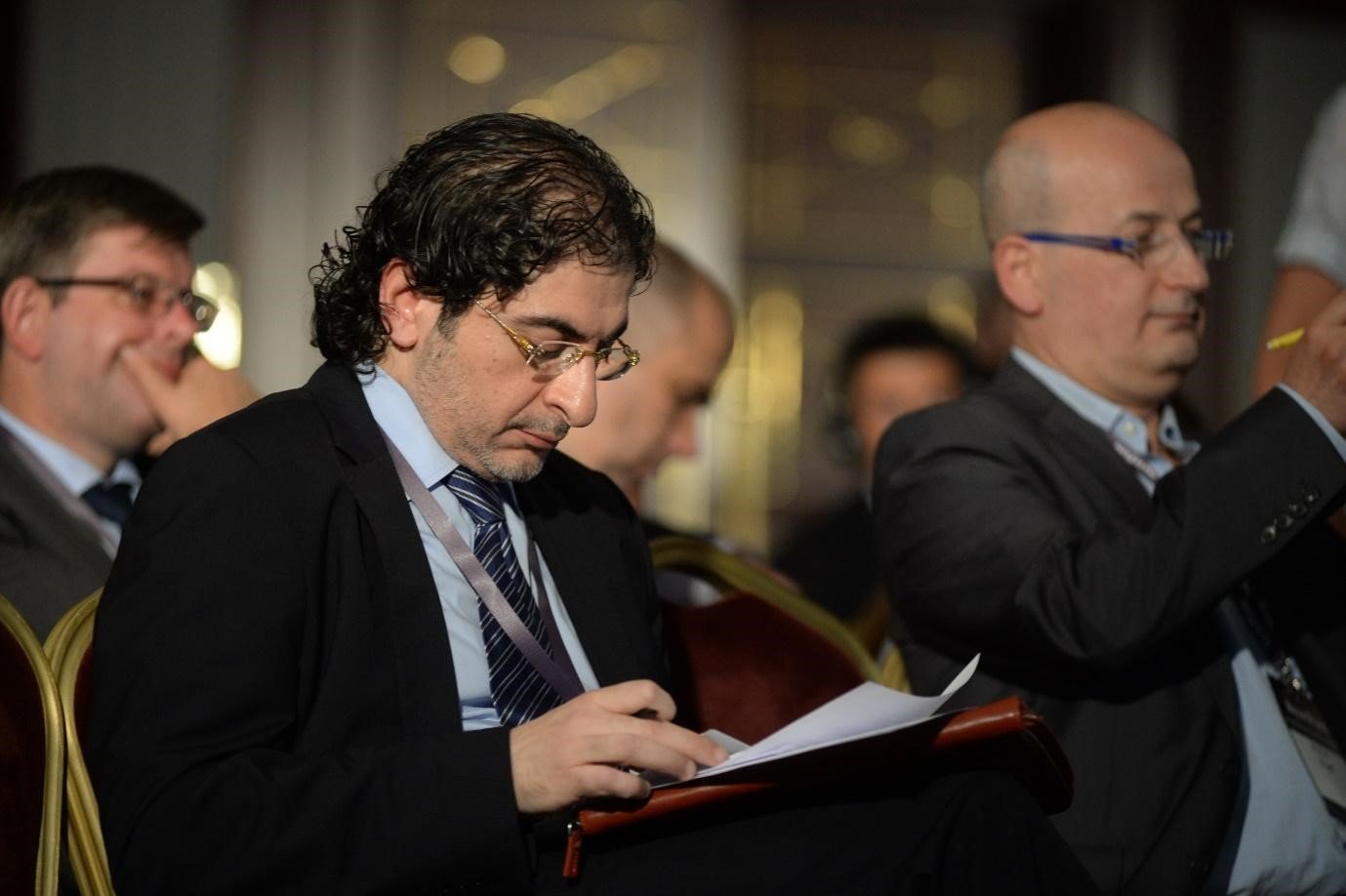
“In Ukraine, we can talk about external military aggression. In Syria, everything began differently. Ukraine can still follow the path of transformation, while Syria is largely destroyed. The common cannot be found, except that in both cases, Russia plays a decisive role.
We must support Ukraine to become a democratic state. As for Syria, it is necessary to follow the EU strategy, conduct negotiations under the auspices of the UN and promote the establishment of a new political regime that would be accepted by the majority of the population. We should also create a mechanism for prosecuting war crimes”, the expert believes.
The EU Ambassador also supported the view that the conflicts in Syria and Ukraine are not identical.
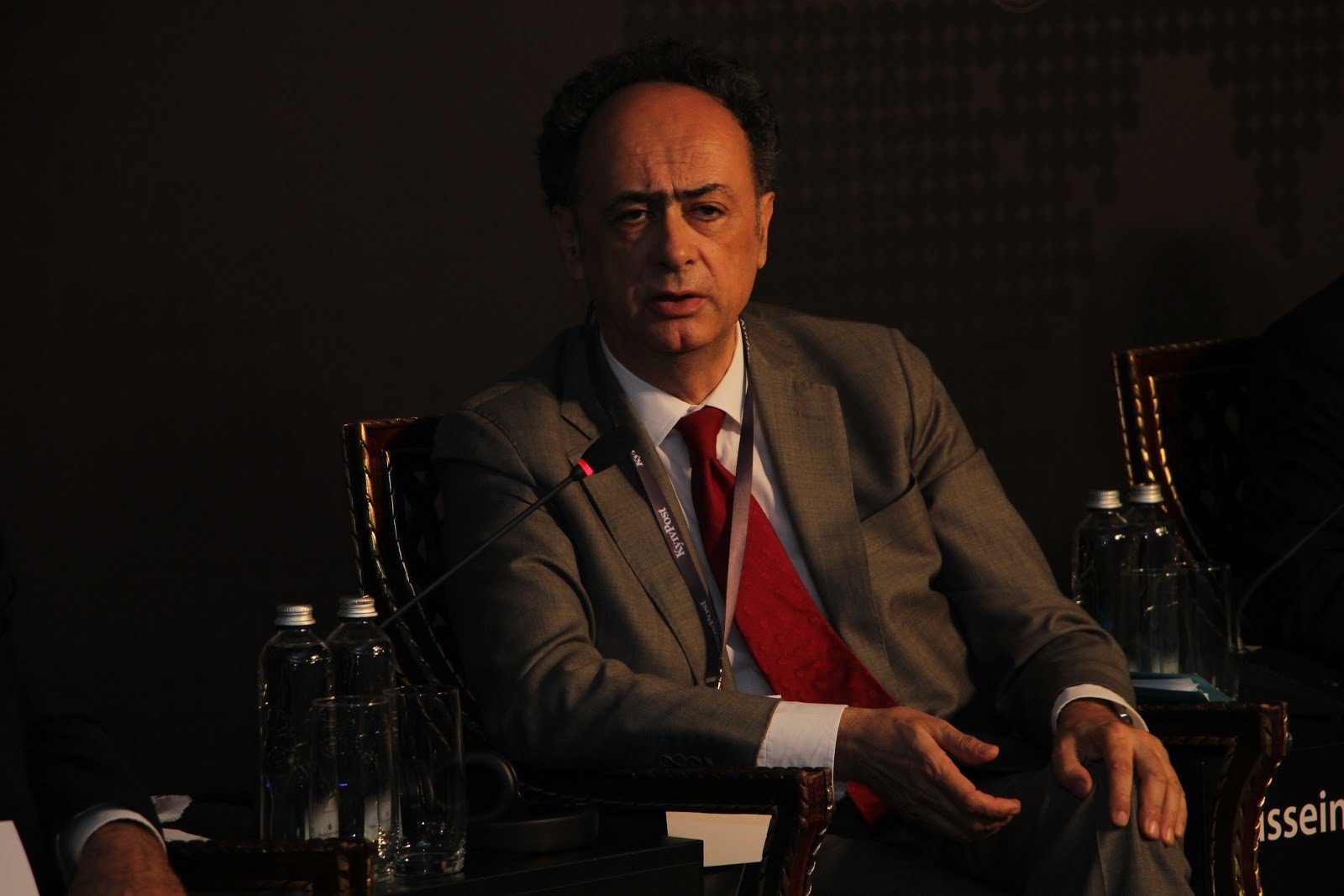
“We hope that the constitutional reform, referendum, and then elections will take place in Syria. And all this will take place under the auspices of the UN. It is also necessary to deepen the work with the opposition to create the basis for a real transformation. Therefore, dictatorship destroys the country, and it should not be so. And concluding: in these conflicts there is nothing in common, there are different roots, different reasons”, said Hugh Mingarelli.
But Oleksandr Bogomolov noted that nothing has changed in recent years, and the refugee crisis, which was repeatedly mentioned in the previous discussion, is a much deeper phenomenon:
“We have been watching it not for a year. The point of view on the crisis needs to be changed. The problem with refugees is not limited to their movement to the EU. The problem is not even on the scale of these challenges. Here it is necessary to emphasize the influence on the Arab culture.
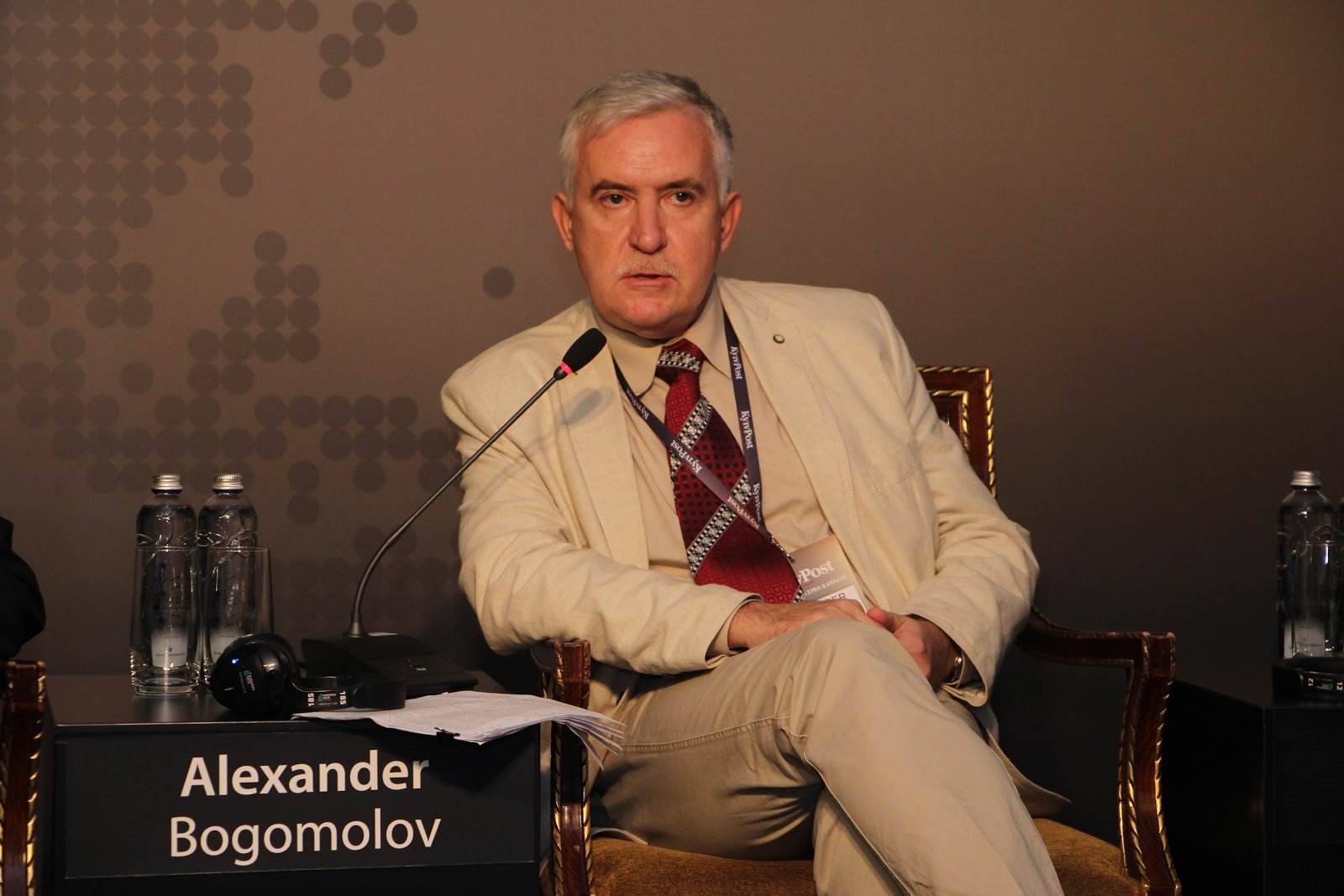
This displacement, life without roots always leads to tragedy. This may not be understood in the United States, where all are accustomed to constantly move and travel. And in the Arab world, people are like trees, life is determined exactly where you took your roots. Now they cut off this roots”.
Subsequently, Hussein Sabbah added that he did not trace Russia’s interest in ending the Syrian conflict, and therefore Moscow’s pressure should be weakened.
“Russia is absolutely not interested in stopping the Assad regime. It justifies itself and its own intervention, exposing itself as a peacemaker, who solves all problems. In fact, the Kremlin eliminated and rejected all the incentives for the regime to meet halfway. It is worth weakening Russia’s pressure, insisting and repeating that this is an unacceptable development of events. The solution is often in negotiations, but this regime will not agree on this. Therefore, there should be ensured a strong pressure. Therefore, it is in this situation that a political decision is a myth”, the expert concluded.
Bringing Peace to Syria & Ukraine: Completion
According to the conclusion of the three meetings and the whole conference, we can state that there are certain common features in the conflicts in Syria and Ukraine. And it’s not just about Russia as a country that leaves behind a decisive role, but also about our own way of overcoming Moscow’s ideology.
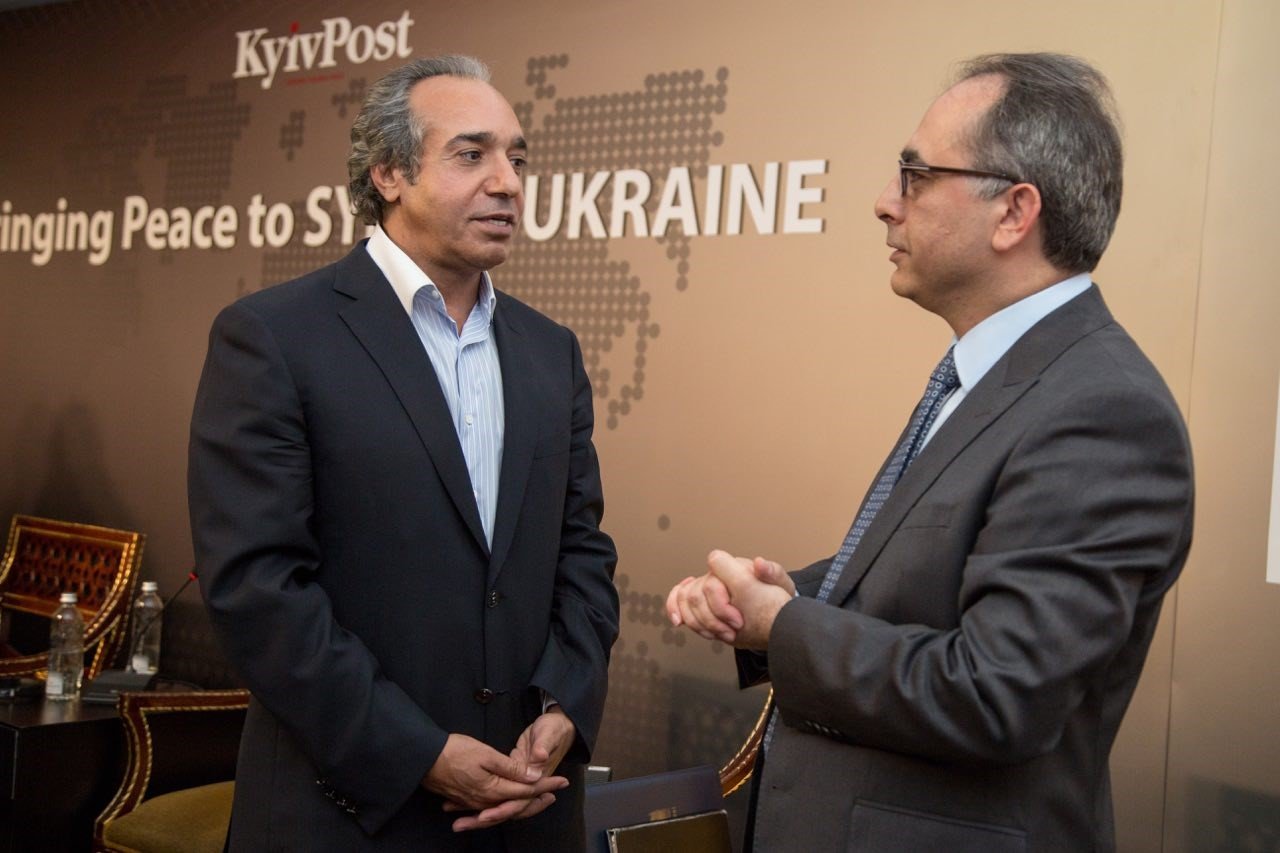
Summing up the results of the meeting, the organizer of the conference and the owner of The Kyiv Post, Adnan Kivan expressed his special gratitude to the Ambassador of Turkey, stressing that it was his country that took on more than any other, having sheltered about 1,1 million refugees.
“Someday streets in Damascus and Aleppo will be named in honor of your leaders. We will build a peaceful, beautiful, fair and non-totalitarian country. But now we think and work. And above all, we pray. After all the discussions, there is only one conclusion – to rely on God. I am sure: in the near future we will restore our country”, Adnan Kivan said.
Text: Artur Pantyuk
Photo: Maryna Bandelyuk, Serhii Lyashonok