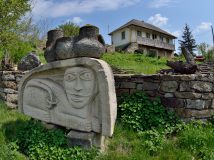


Ukraine is such a diverse country that is rich in all sorts of interesting things. Sometimes it’s worth to cover hundreds of kilometers to get to a special place – that was an explanation to our friend from a small country which you can cross in one day.
There is one village with eight hundred souls in the Vinnytsia region, it situates on the border with Moldova. It takes a long time to get there, no matter what is your starting point. It takes only four hours by car to get there from the regional center, and from the capital even eight. However, it’s worth it.
Busha is hidden in the valley that’s in the middle of three hills: Popova mountain, Tatarka, and Leskova. They protect the settlement from cold winds and create a mild microclimate. When it’s raining all around, a lovely sun shines in Busha. Two rivulets, like girl’s braids, flow across the village – Murafa, and Bushanka.
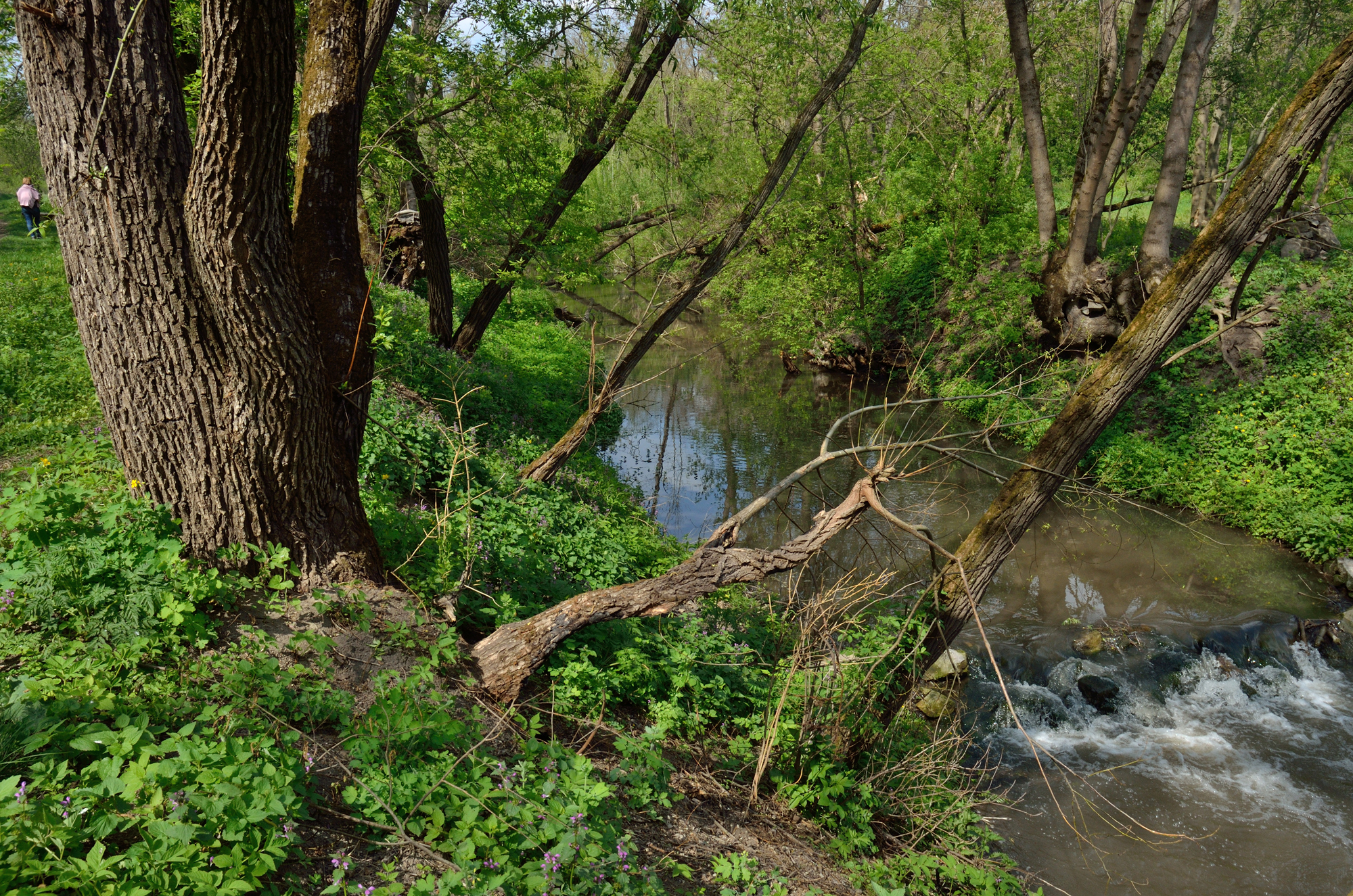
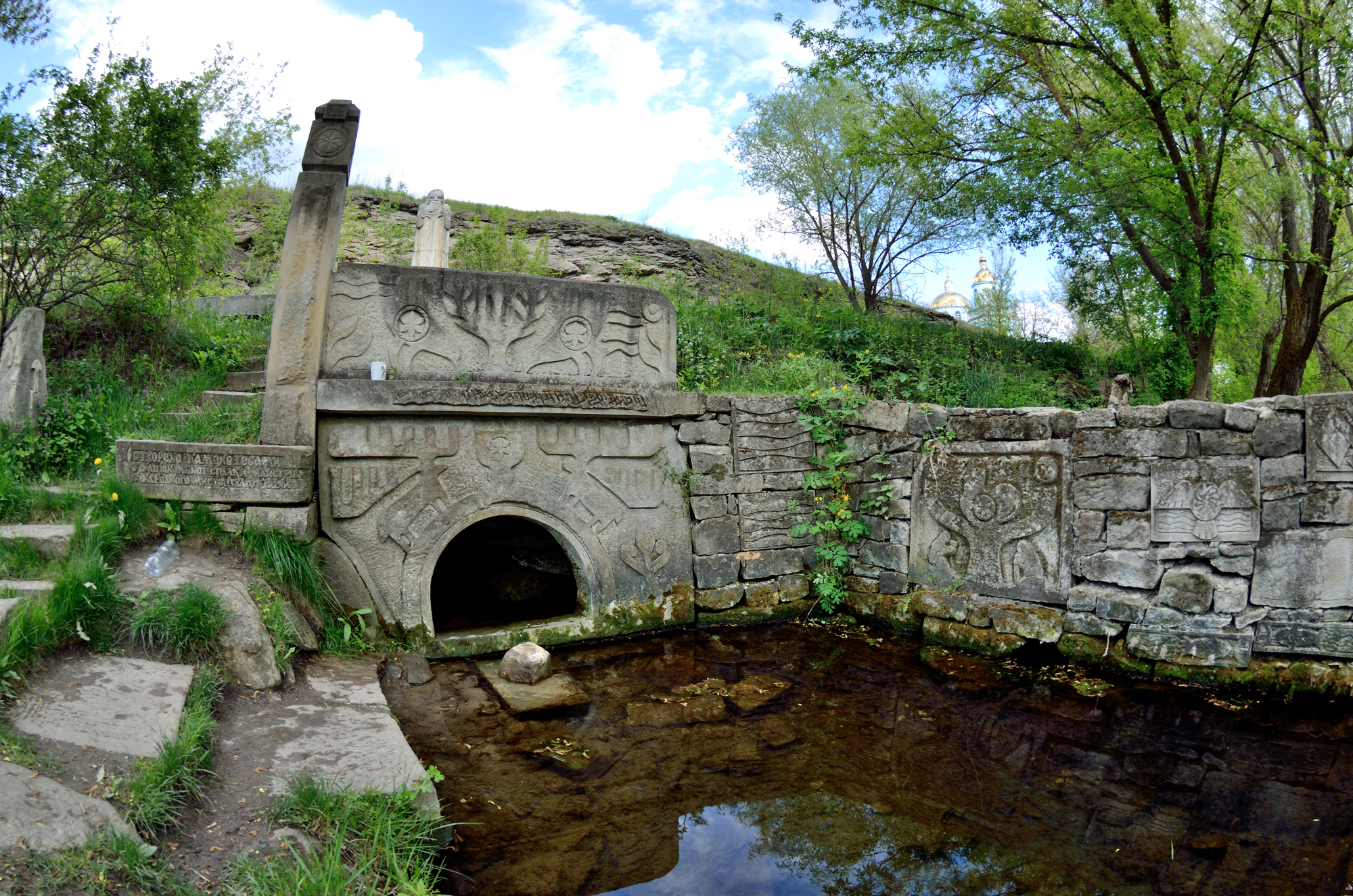
The maiden spring on the river Murafa at the entrance to the village. Here it is better to stop, have some rest and wash away a “dust of the roads” in order for Busha to “let you in”. Pay attention to the stone image of deer with branching antlers – this symbol has a sacred meaning for Busha.
Trypillia
We do not know for sure how did this area look like 5-6 thousand years ago, when the Trypillia village was founded here. However, the ancient people knew a lot about good places, and even back then they chose this very territory. (Trypillia settlements are one of the oldest agricultural societies in the world, they are located in central Ukraine, Moldova and partly in Romania. The oldest of them date back to 5 thousand BC.).
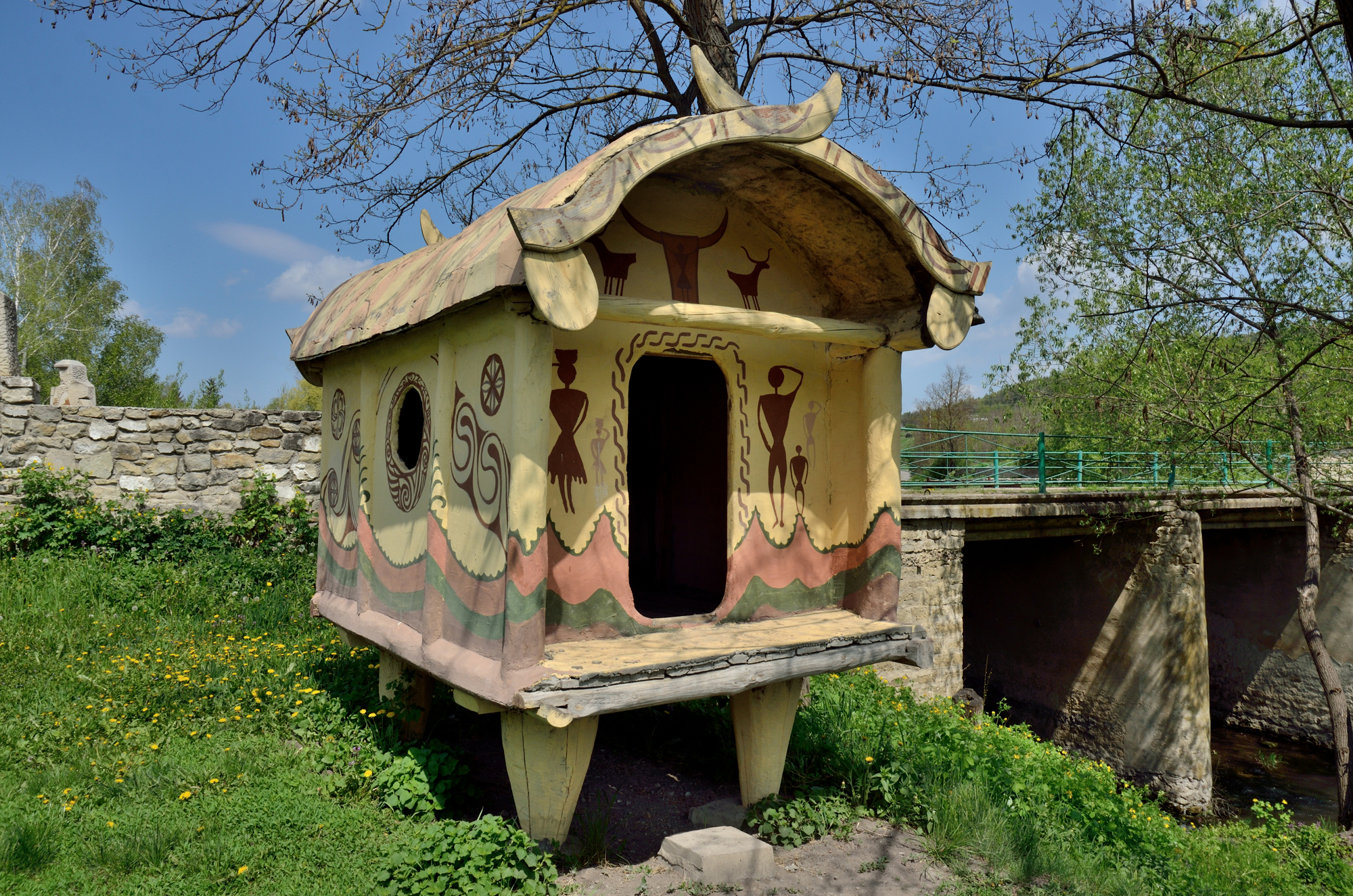
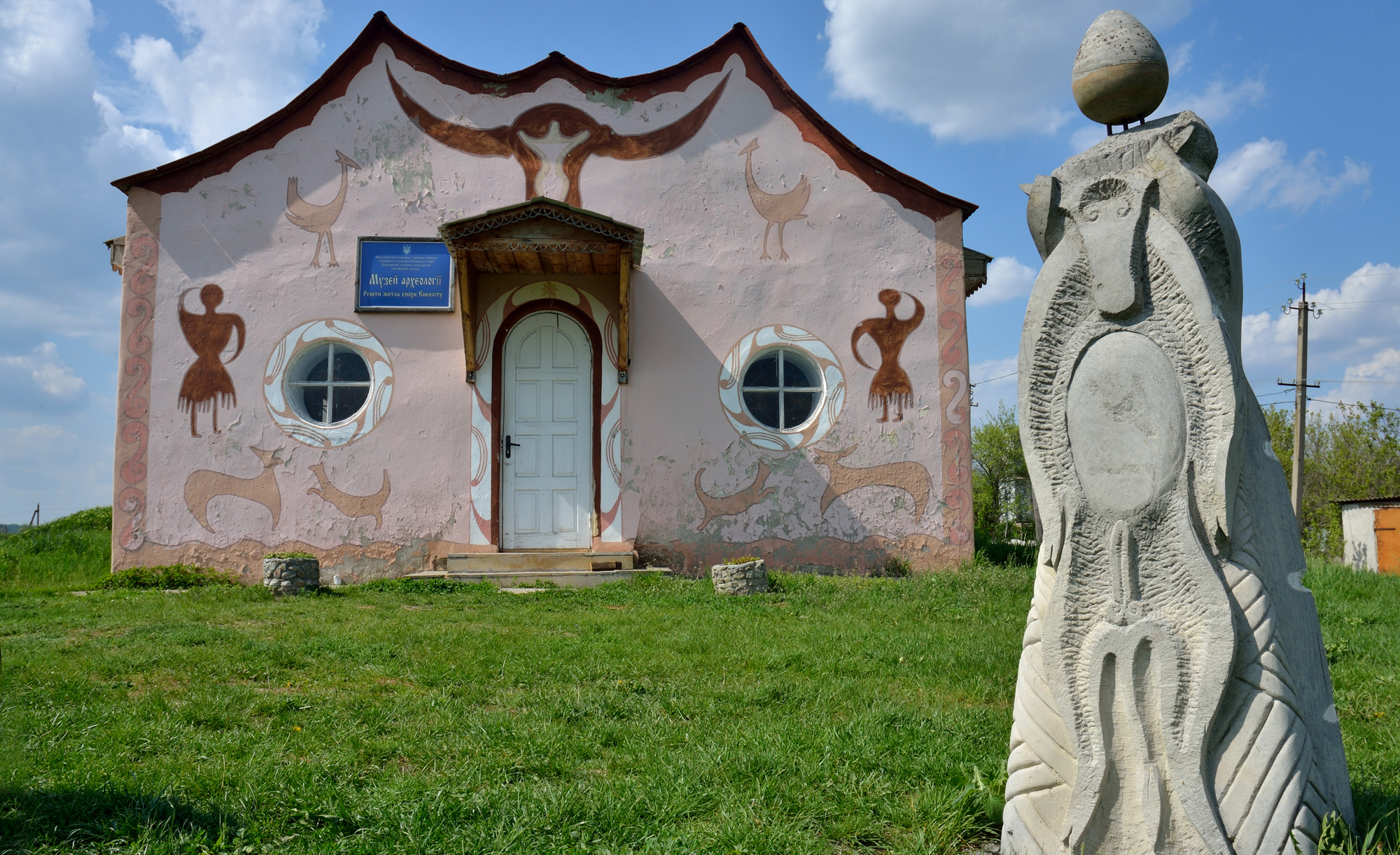
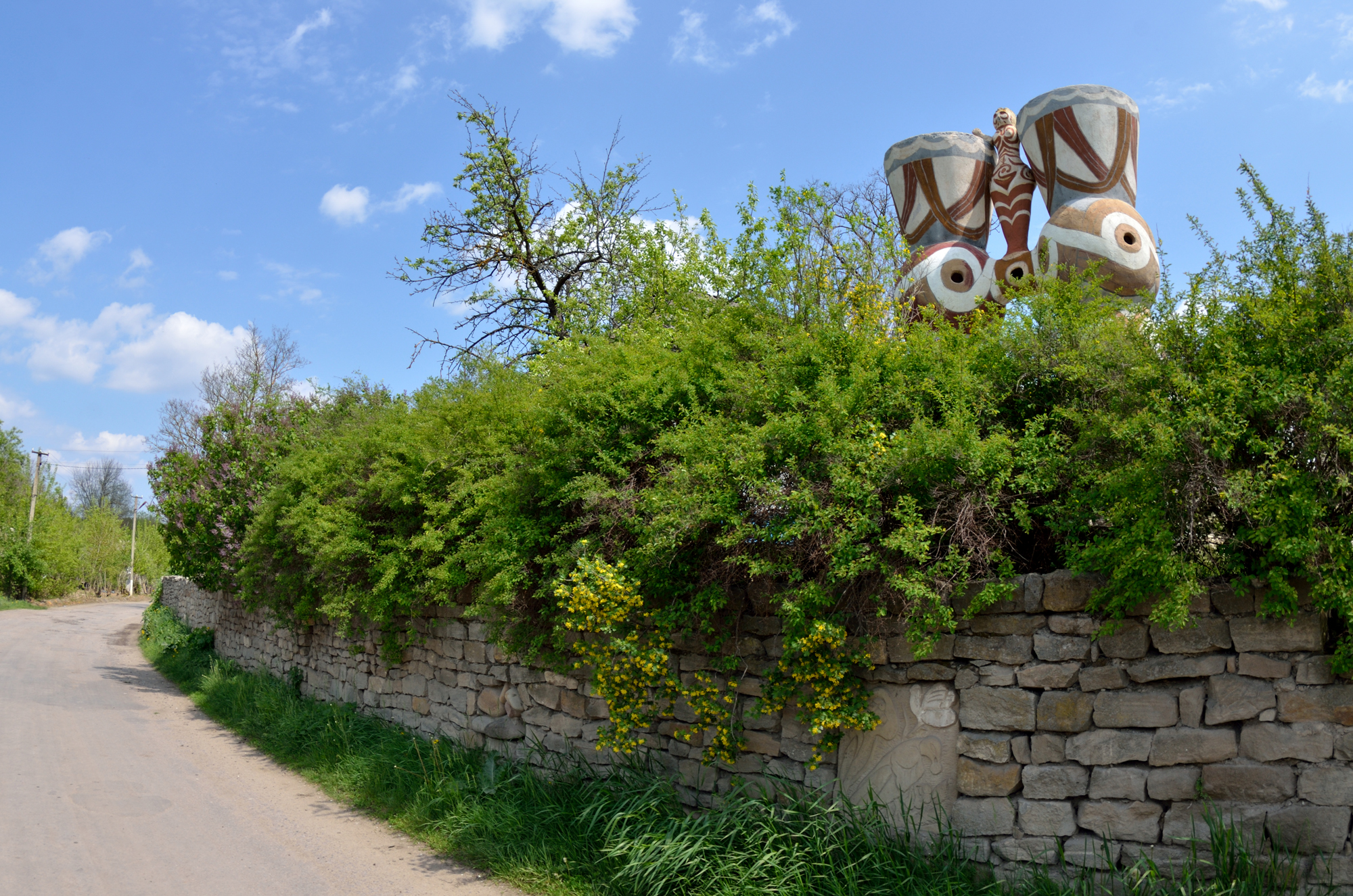
In 2005, archaeologists found the remains of Trypillian dwellings in the center of Busha. There were numerous fragments of ceramics and tools. The construction that repeats the Trypillia style of architecture was erected above the excavation. Round windows, bull’s horns decorating the roof, anthropomorphic and zoomorphic images on the walls attract attention from the distance.
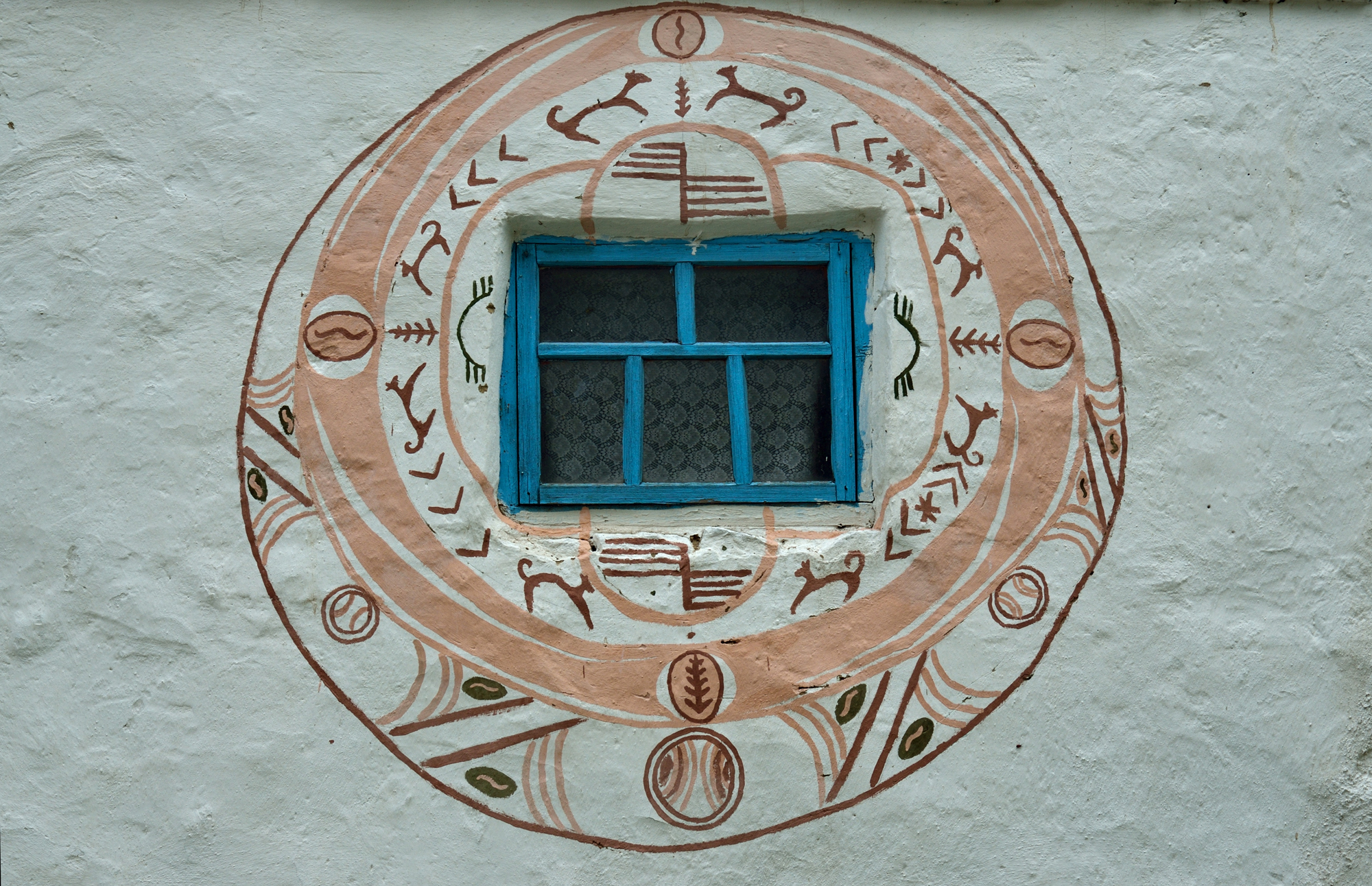
Busha residents liked this style very much, so in the village, you can see a lot of houses and mansions, decorated “a la Trypillia”.
Mountain temple
The mountain temple with a mysterious bas-relief has made Busha worldwide famous. The image on the rock attracts the attention of historians, archaeologists, religious scholars, and esotericists. It dates back to the 2-9 centuries AD. Prominent historians Volodymyr Antonovych, Mykola Braychevskyi, Dmytro Shcherbakivskyi, as well as contemporary researchers, still couldn’t manage to unravel the mystery of the mountain temple’s relief, which has no analogs in the world. What tribes were living on the banks of the Bushanka river, what cults they worshiped, what do they mean – deer’s bas-relief, a human (possibly a pregnant woman) with a goblet in her hands, a cock that’s sitting on a dead tree? Who was hiding in caves and tunnels, which, quite possibly, reach several kilometers and connect with the labyrinth of other secret underground facilities?
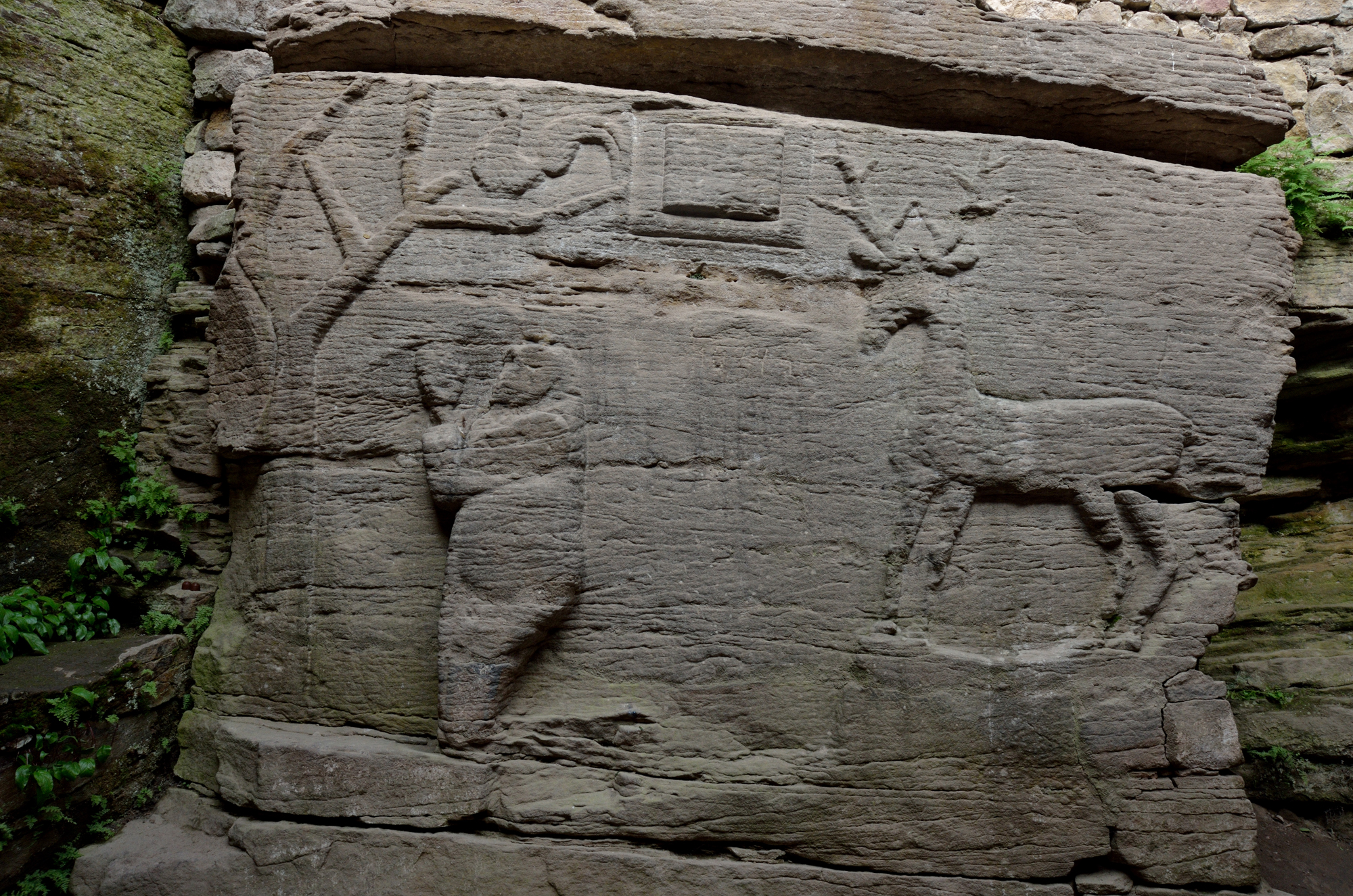
During the Middle Ages, numerous Tatar raids were carried out on the settlement, so maybe locals were seeking refuge in this mysterious temple. It was discovered accidentally in 1824 during land works, and in 1884 Ukrainian scientist, and archaeologist V. Antonovych reported on an amazing find at the Congress of Archaeologists in Odesa.
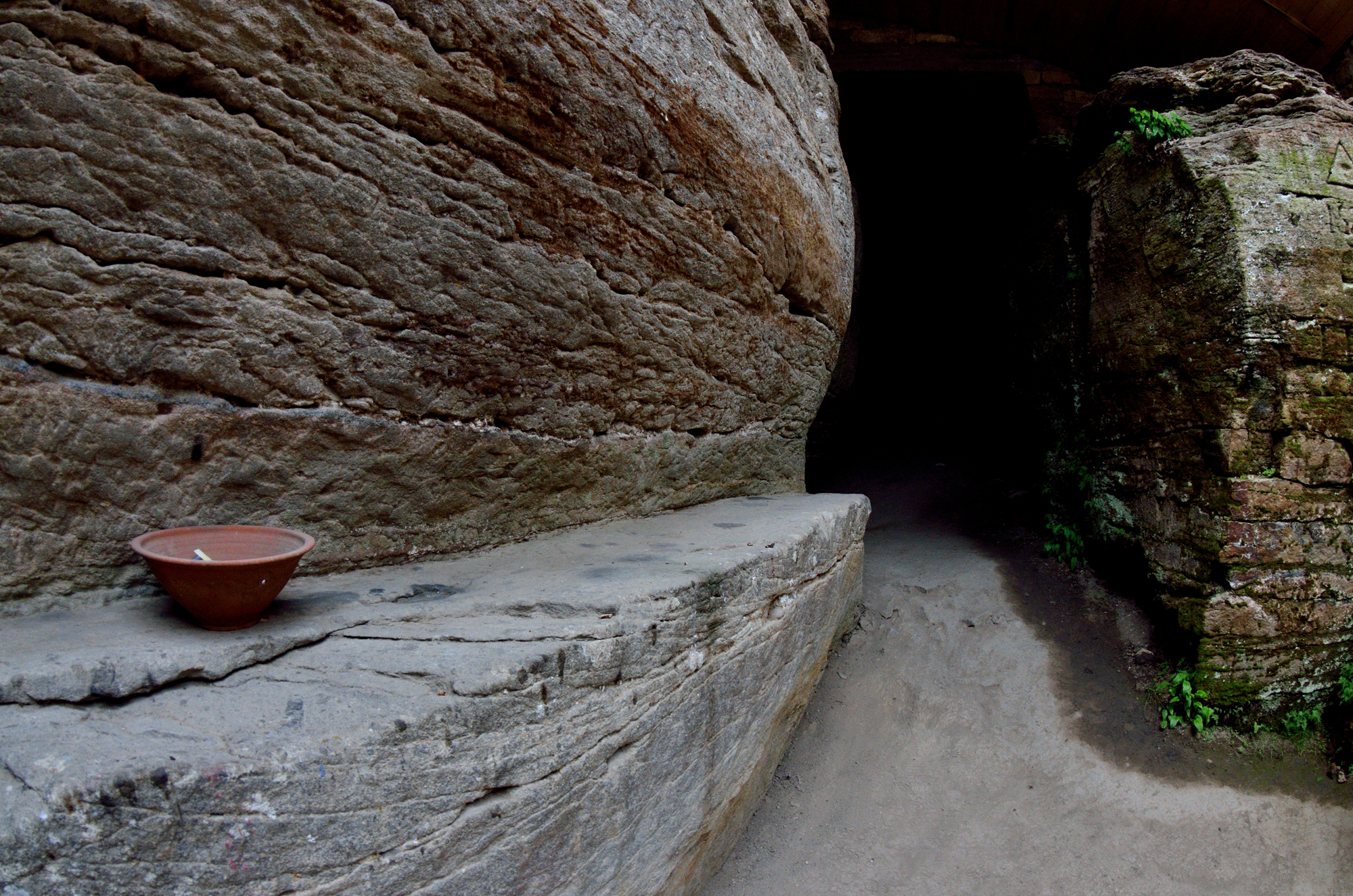
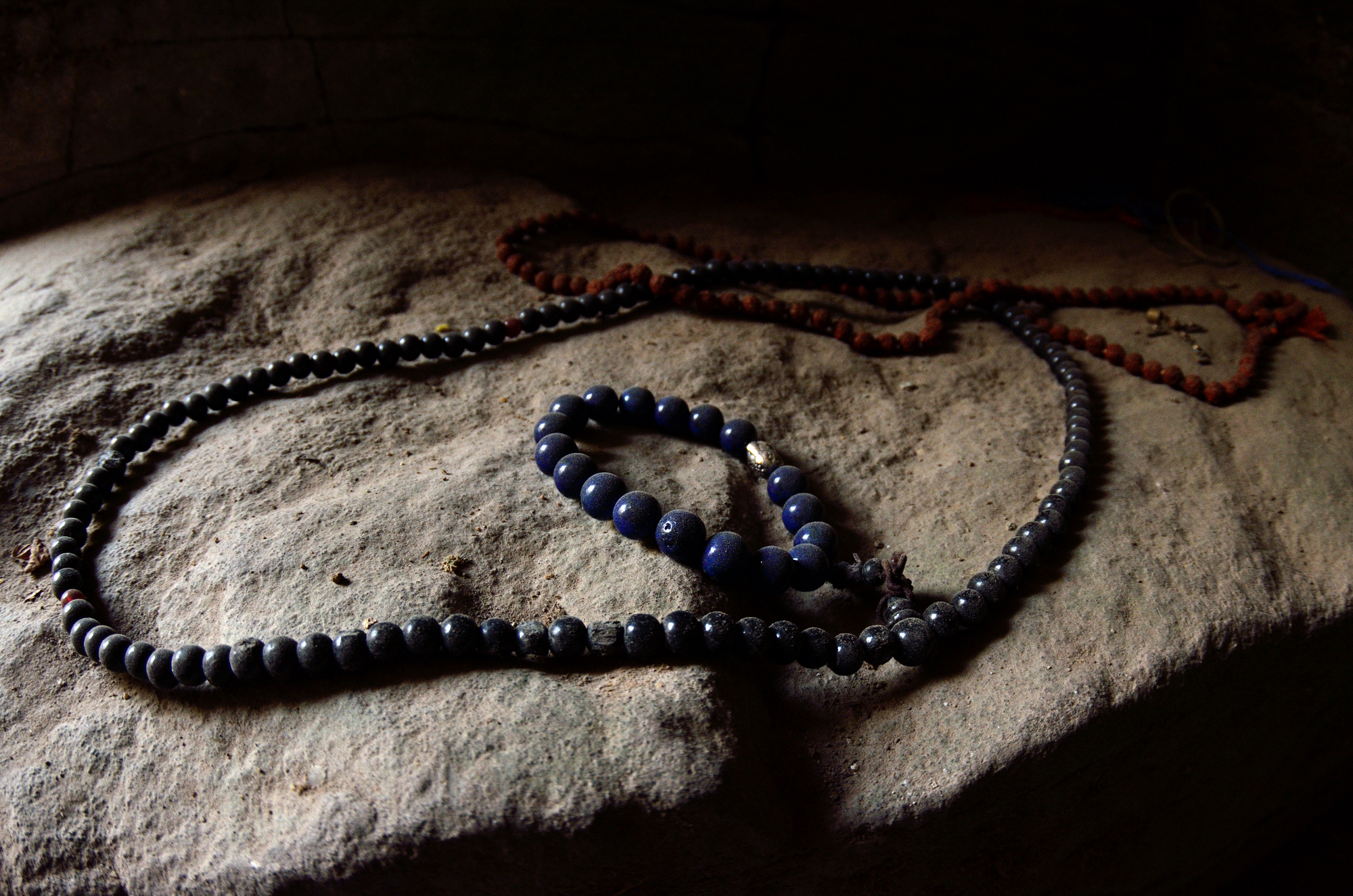
Proponents of esoteric teachings visit the mountain temple in search of inspiration, insights, and fulfillment of secret desires, leaving in the secret corners of the cave coins, notes and donations in the form of jewels (Busha, and especially the mysterious cave is considered to be the women’s “place of power”).
There are hypotheses that there are even more interesting artifacts under the temple, but archaeological research is expensive, and the state budget is not ready for such expenditures at the moment.
Siege of Busha
We make our next time jump as early as to the 17th century when a fortress with six towers was rising over here, and a crowded Ukrainian city (according to some sources, about 16,000 people) was an important trading center on the way from Kyiv to the Romanian city of Iasi.
“To the south of Mogilev, just one mile from the Dniester River, on the high rock of the left bank, the Busha settlement stood with a castle dominating the outskirts. The castle is hanging on a narrow cliff, like an eagle’s nest, and in a blue sky, you could see its white battlements, with its loophole-towers. Around the edge of that rock, like chicken around a hen, little peasant and bourgeois huts scattered surrounded by green gardens. Between the roofs covered with straw, from time to time you could see high tiled roofs that blushed with red in the ravine far away. The very city of Busha, that is, the trading area, from the one side was protected by the cliff, and from the other, it was surrounded by a high rampart and a decent oak palisade. Beyond the city there were suburbs up to the roadside; on the two sides it was surrounded by a rift, on the third – a rampart, and from the fourth – a large pond, which got water from the river Bushanka and maintained by a stone dam,” that’s how Ukrainian writer of the XIX century Mykhailo Starytskyi describes Busha fortress in the historical novel Siege of Busha.
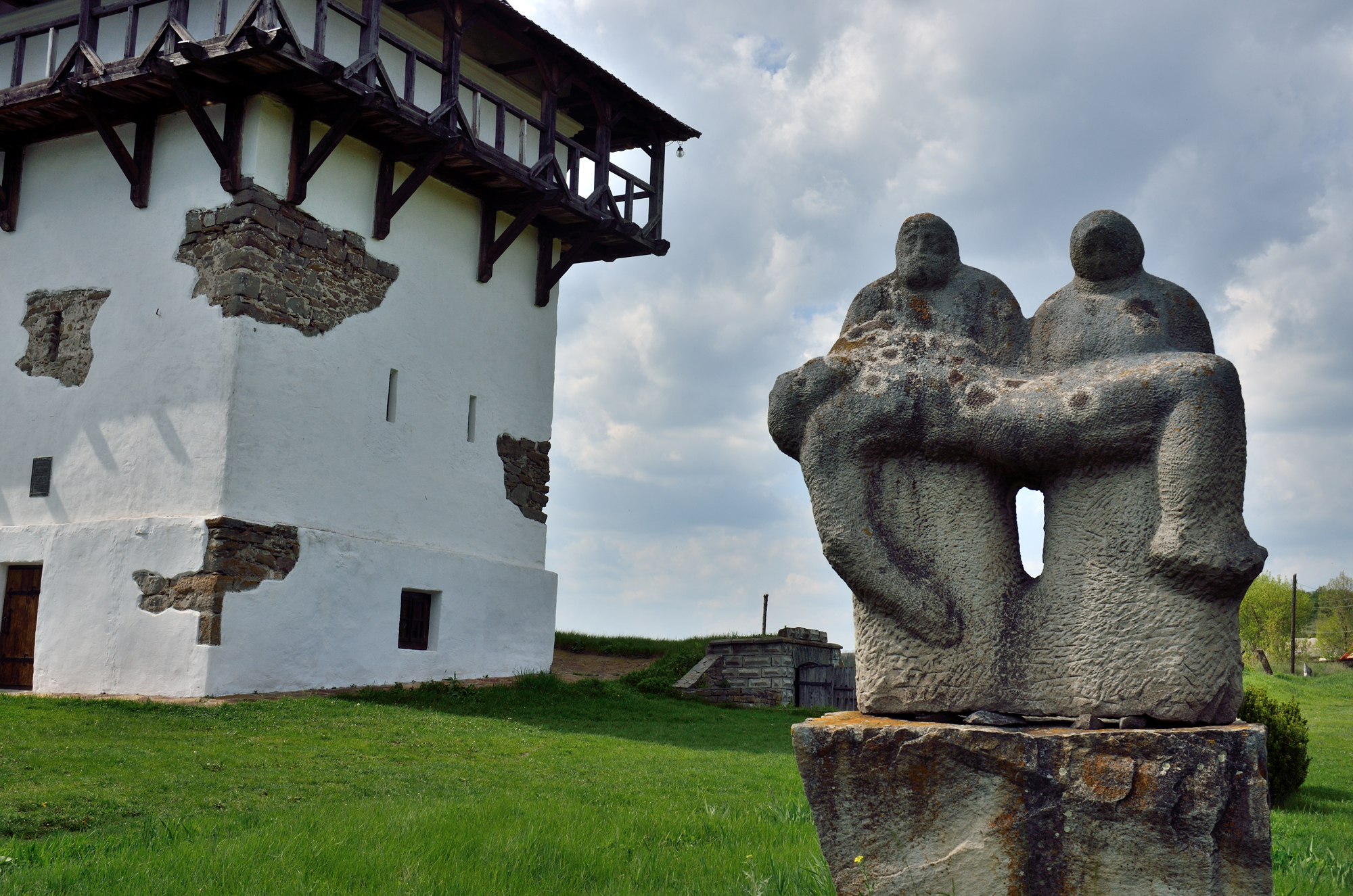
As a result of a bloody battle, about which there is a romantic and tragic legend, the fortress was razed to the down. One of the towers had miraculously preserved, and now it hosts a museum.
Near the tower, on the old foundation that dates back to the twelfth century, a church was founded.
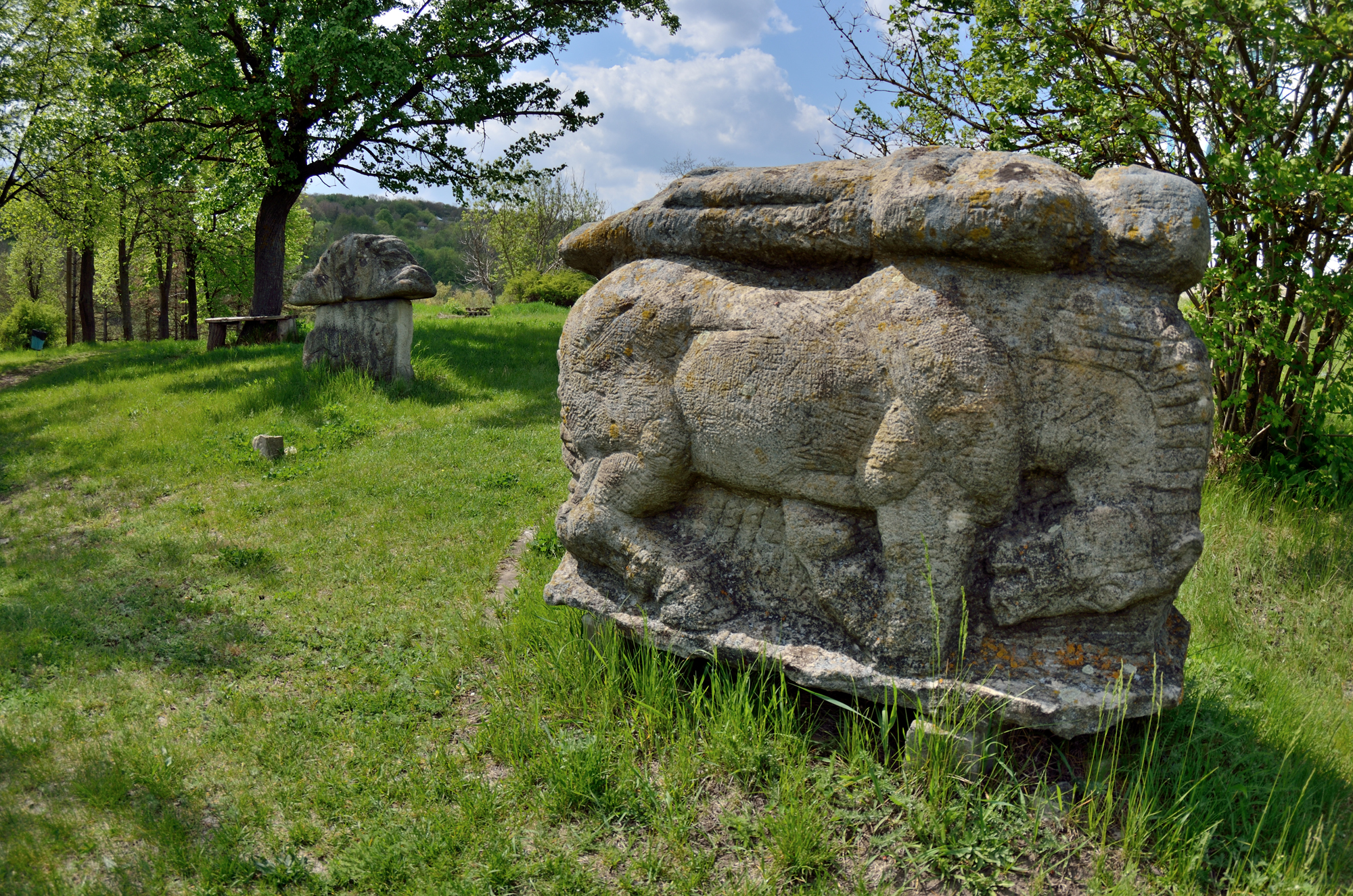
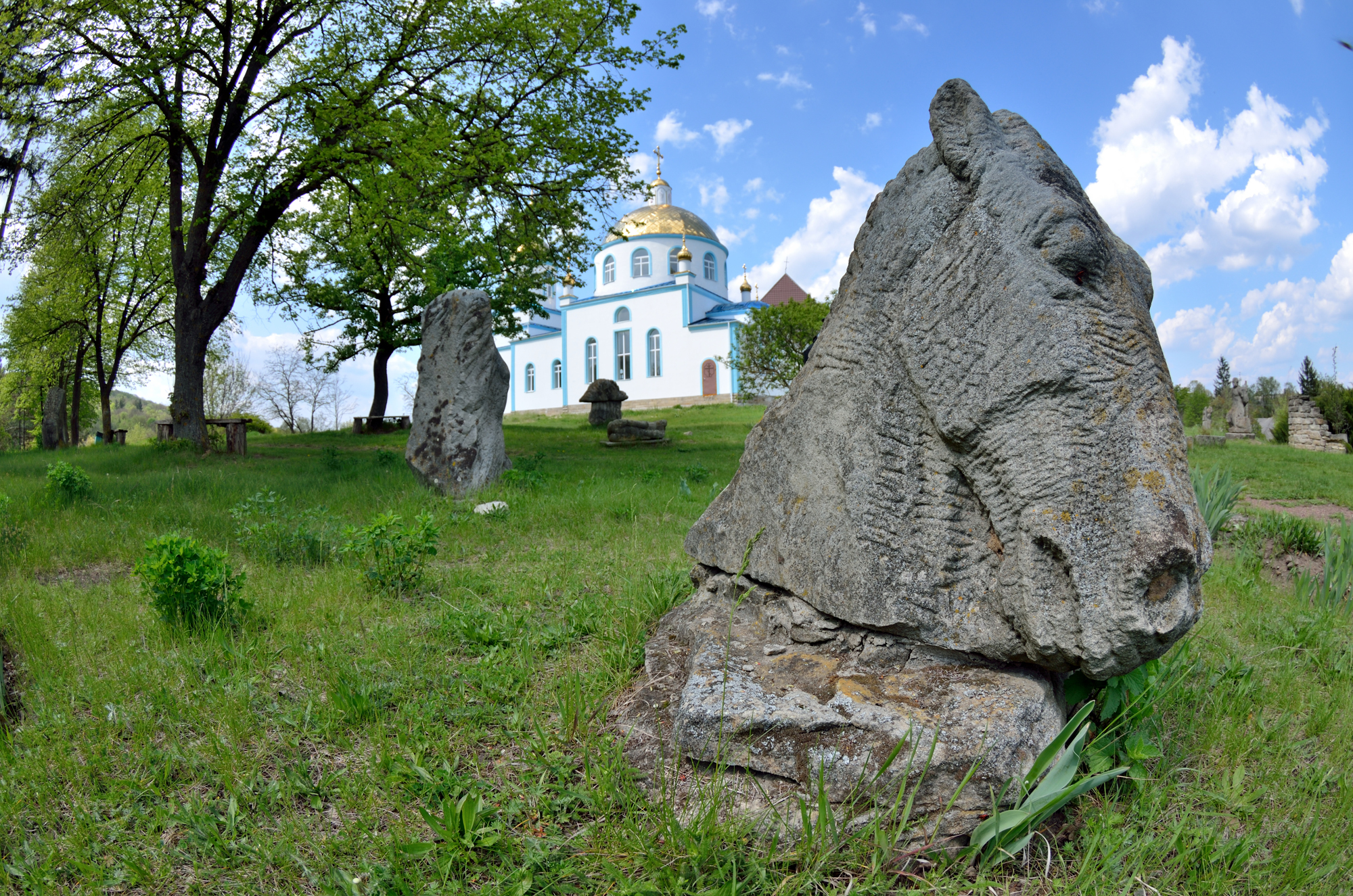
Stone sculpture of a horse that carries a deceased warrior on its back.
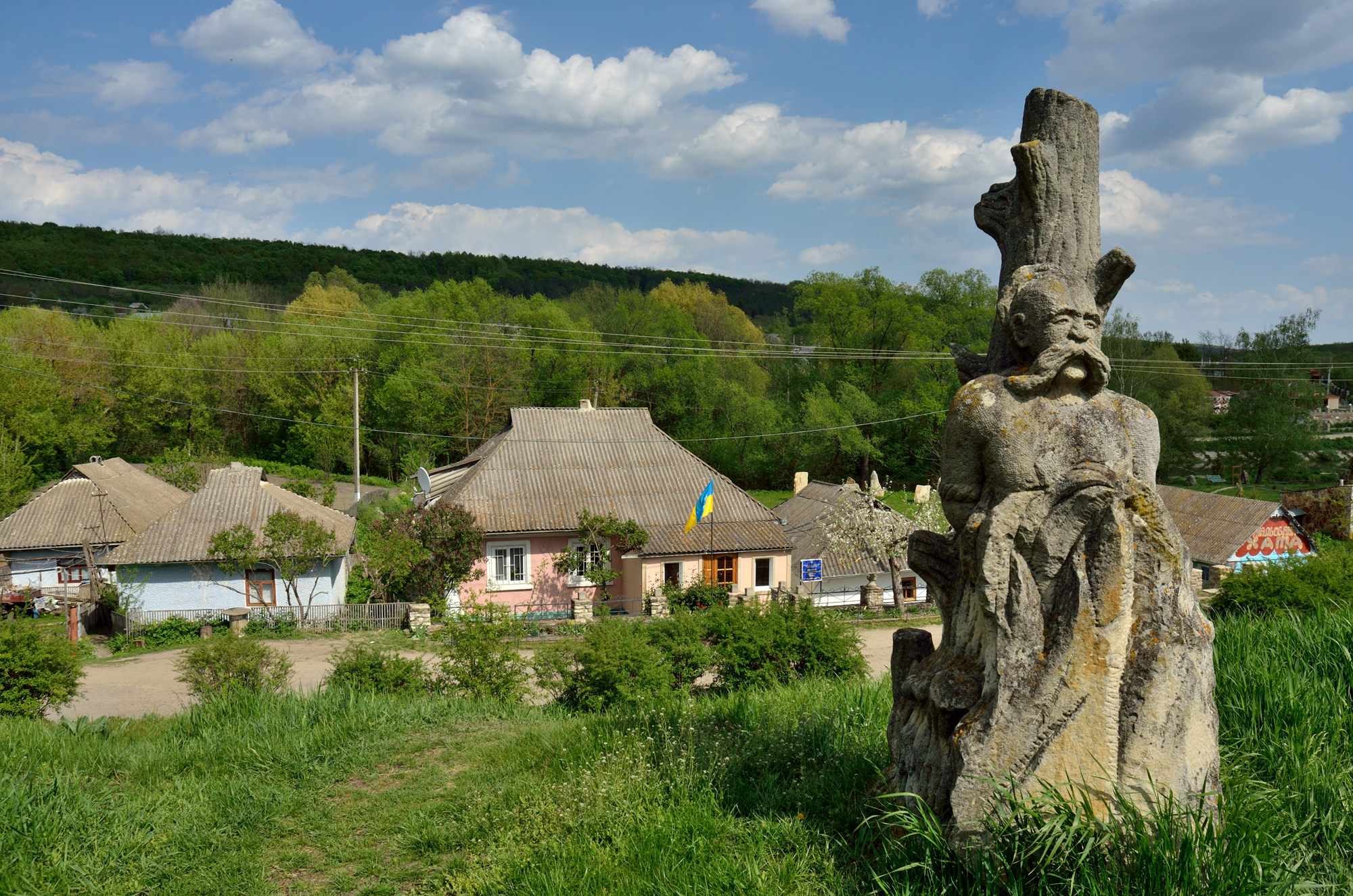
The tree with chopped branches, on which the сossack, the protector of Busha, leaned, symbolizes the decline of the kind. During the tragic events of 1654, Busha had literally drawn in the rivers of blood.
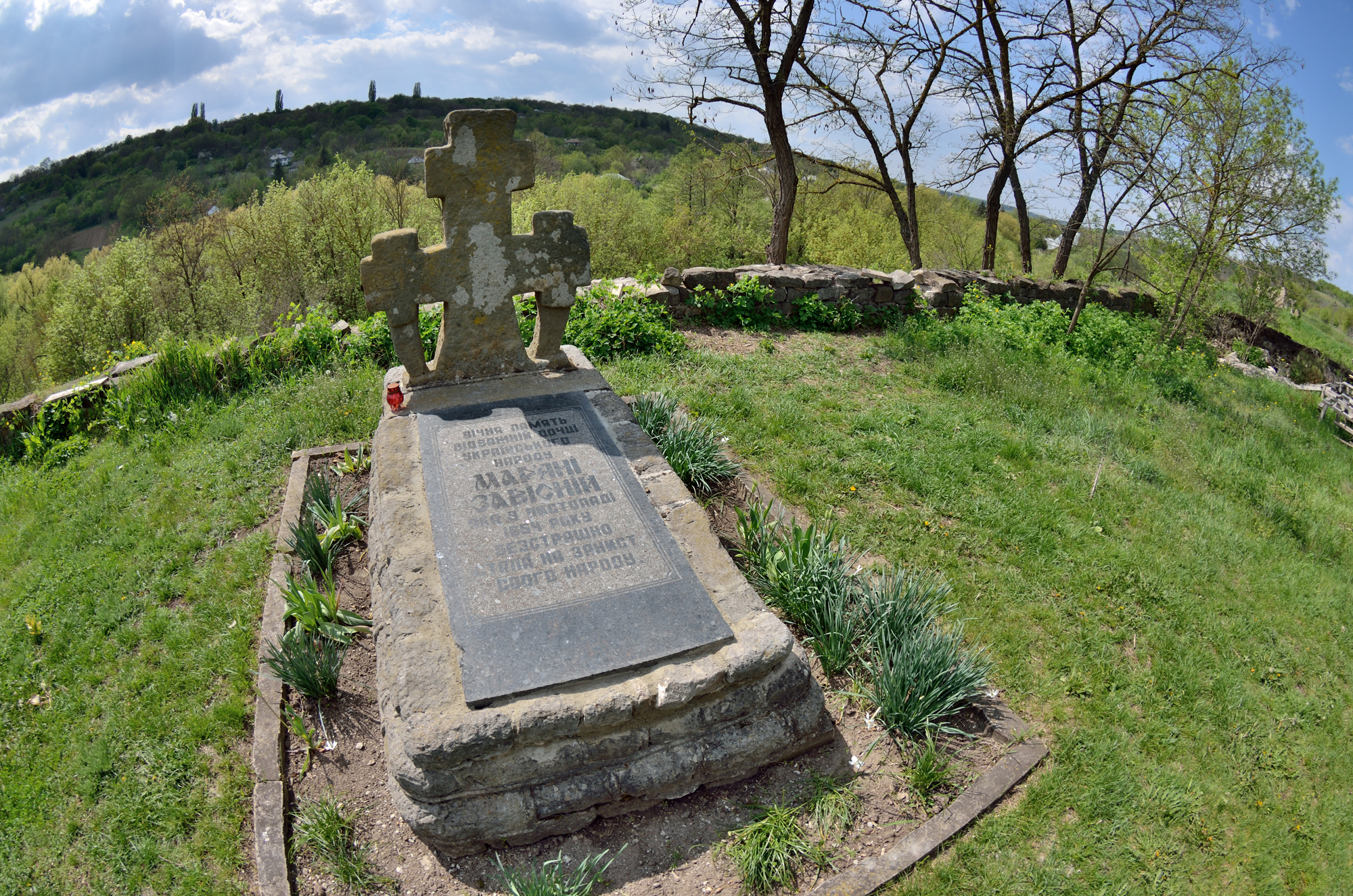
The monument to Mariana Zavisna, who didn’t surrender to invaders, blowing up the powder tower, thus destroying a considerable number of enemies.
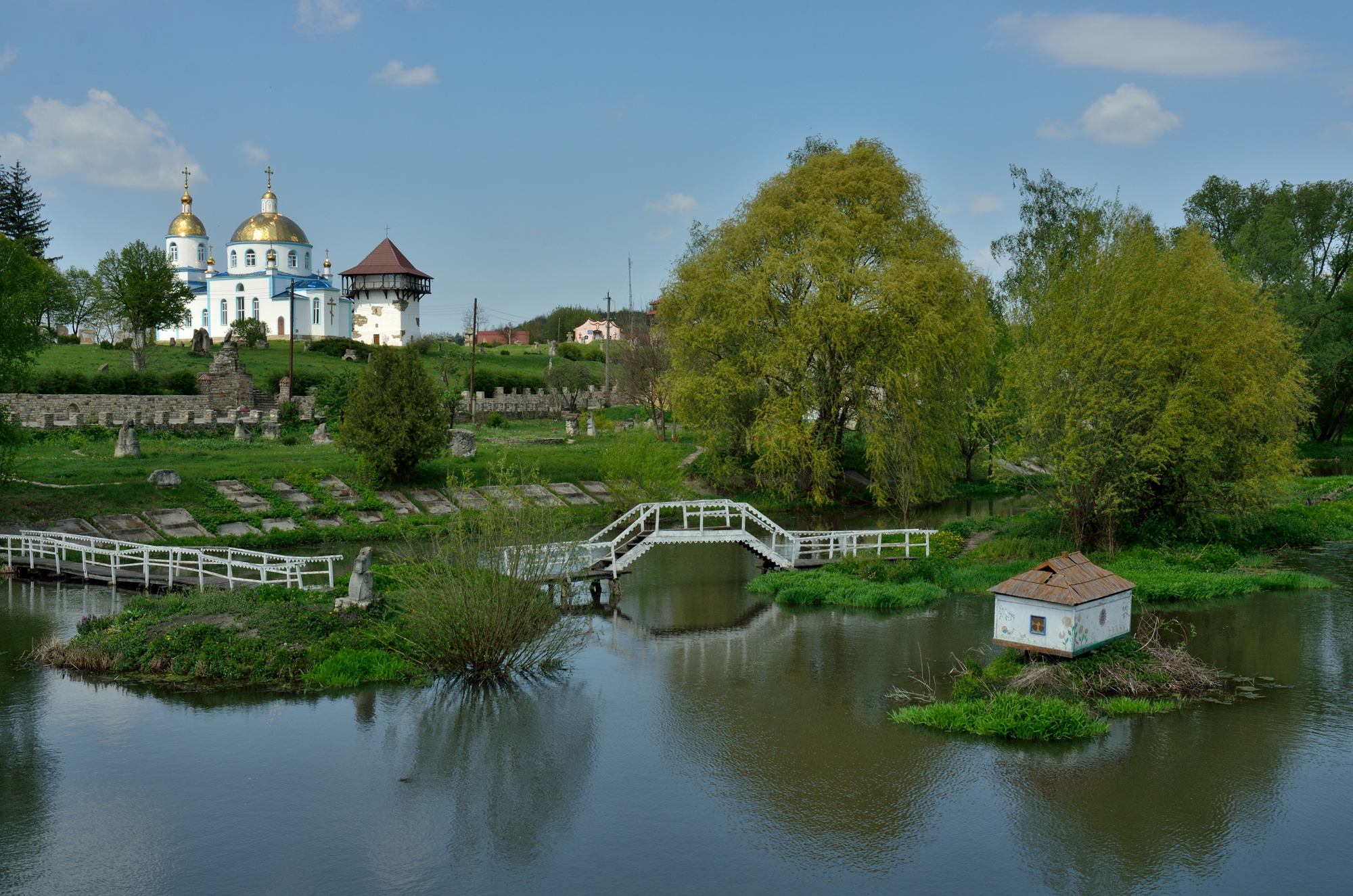
This idyllic pond with the duck hut once caused the death of the fortress. However, the time flows, so peace and quiet are reigning in Busha now.
Park of sculptures
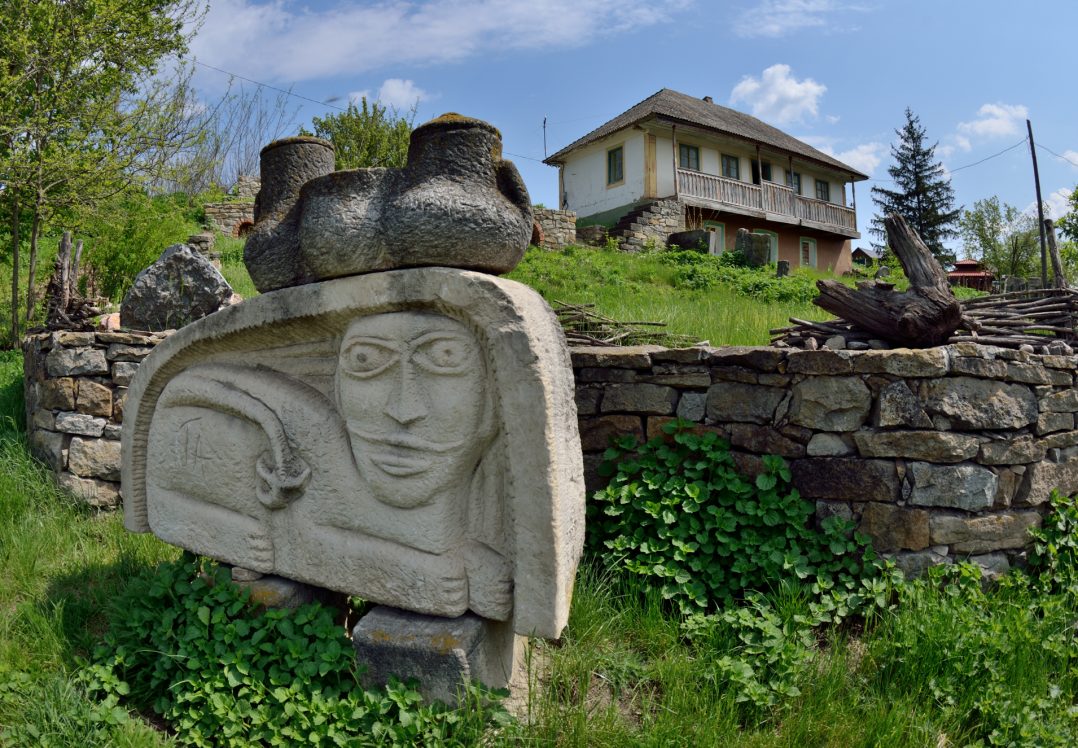
Busha State Historical and Cultural Reserve, established in 2000, is located on a large territory – 7 hectares. It includes the Trypillia excavation, the tower of the ancient fortress, and a Cossack cemetery with stone crosses, a mountain temple and a park of sculptures (by the way, the largest in Europe open-air sculpture park).
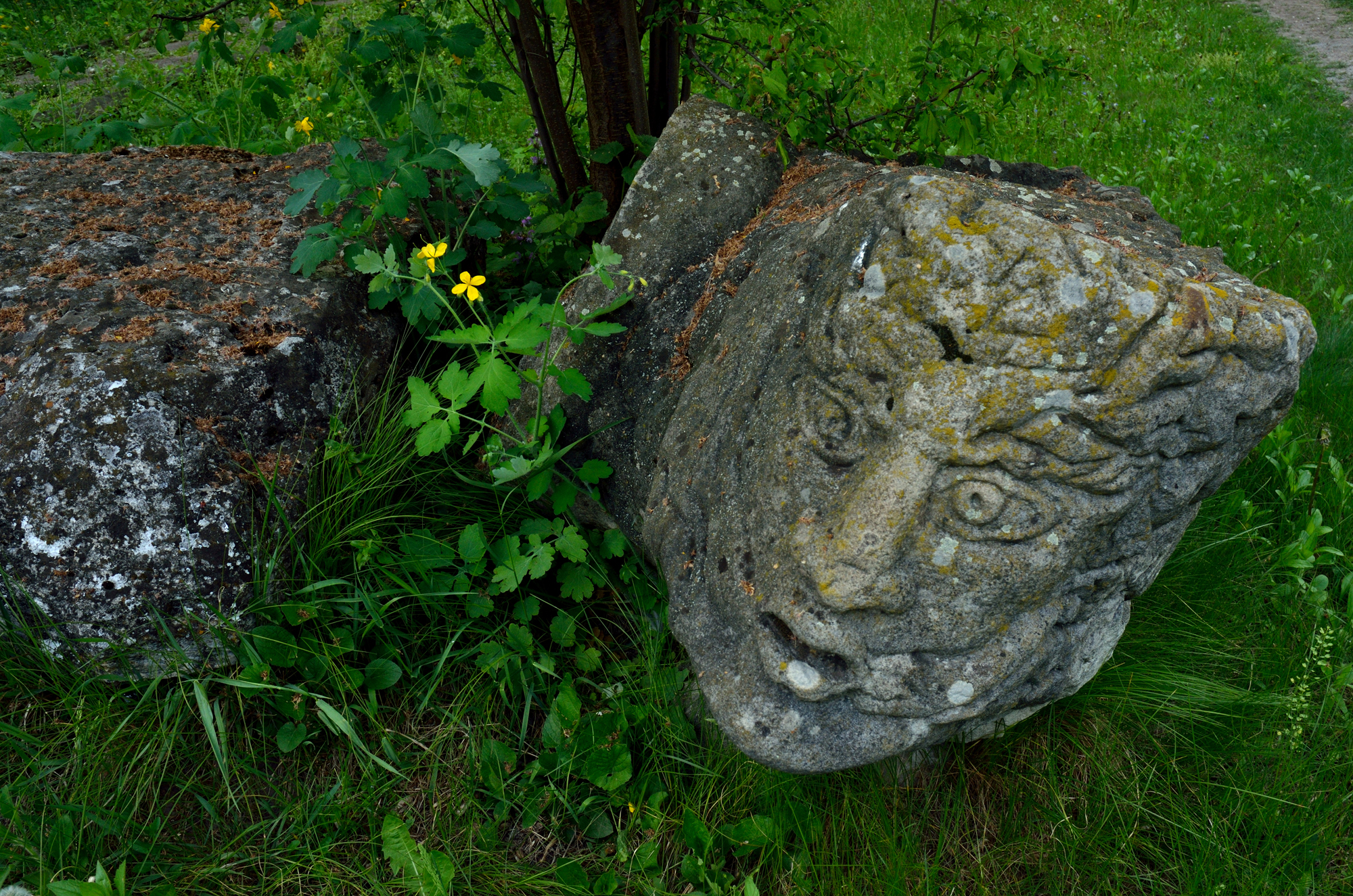
Since 1986, sculptors from all over Ukraine have chosen the then not-yet-remarkable village of Busha for the annual plein air “Podilskyi Oberih” (Podilia charm – translator’s note). The main goal of the plein air was the revival and preservation of the centuries-old tradition of Podilia stonemasons and the development of arts crafts.
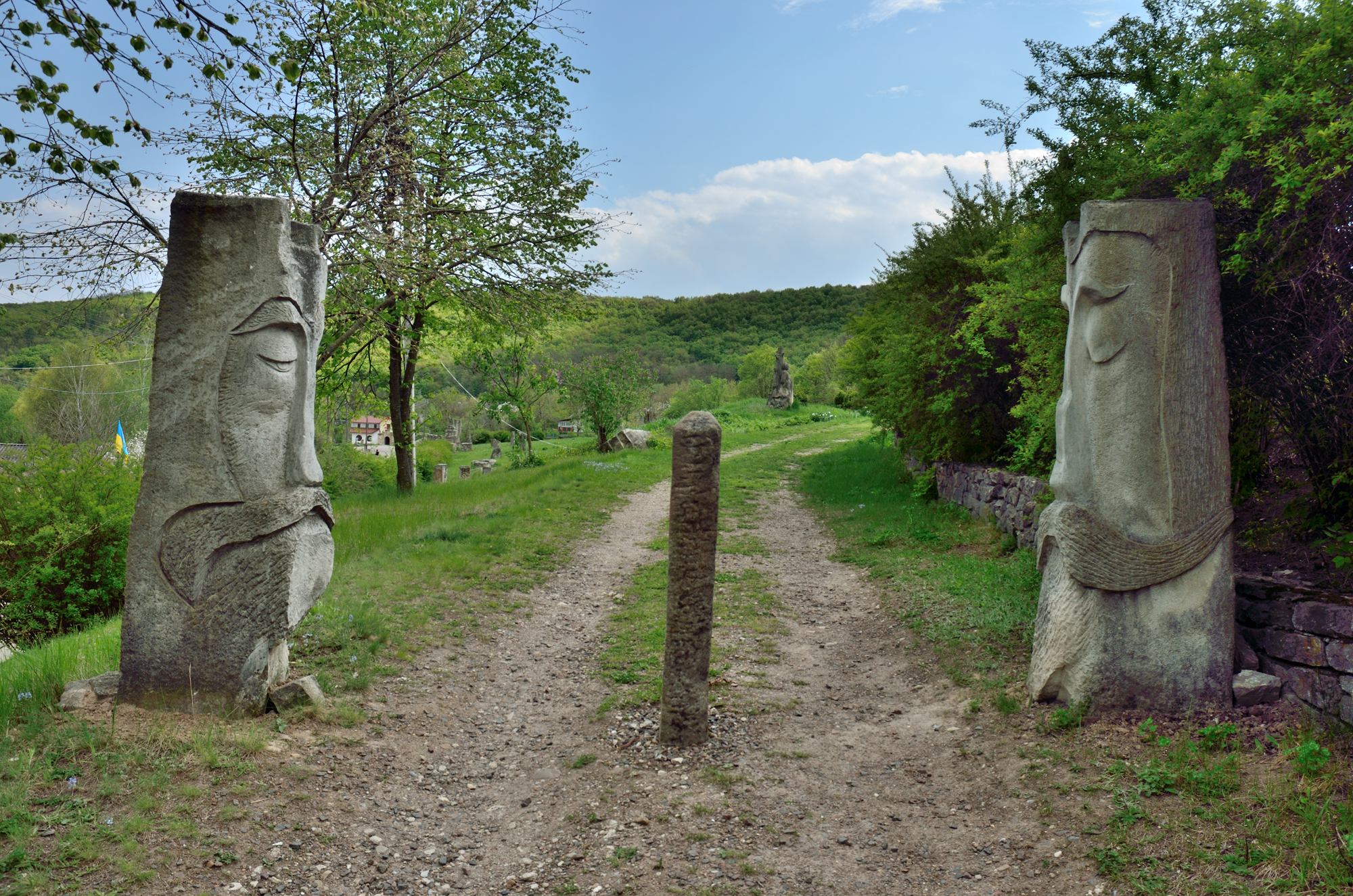
Glorious history and extraordinary beauty of nature inspire masters to create amazing images – it seems that stone creatures, covered with moss, grow from the high grass preserving the secrets of the past…
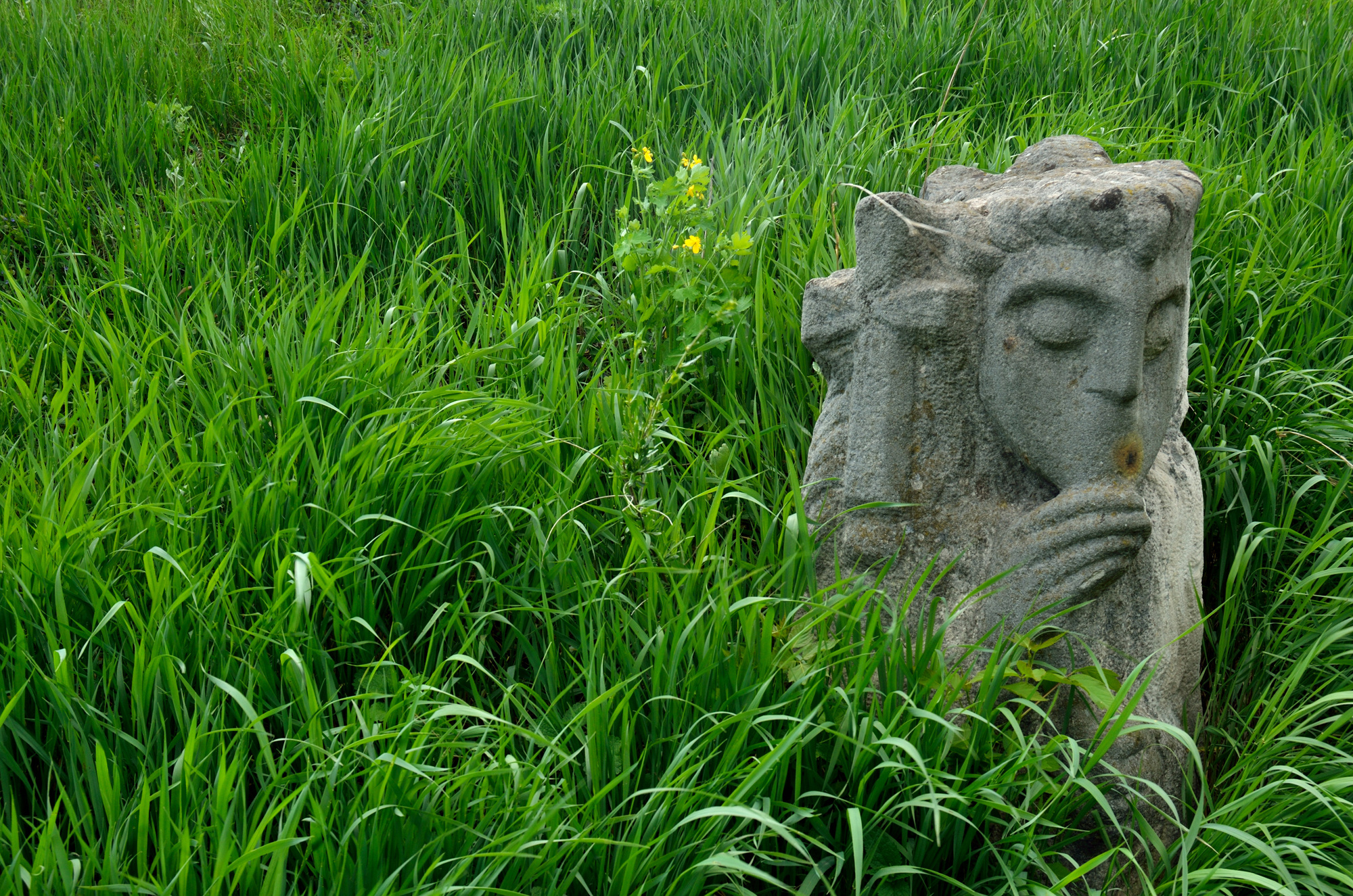
Their faces are sad, thoughtful, and sometimes dreamy
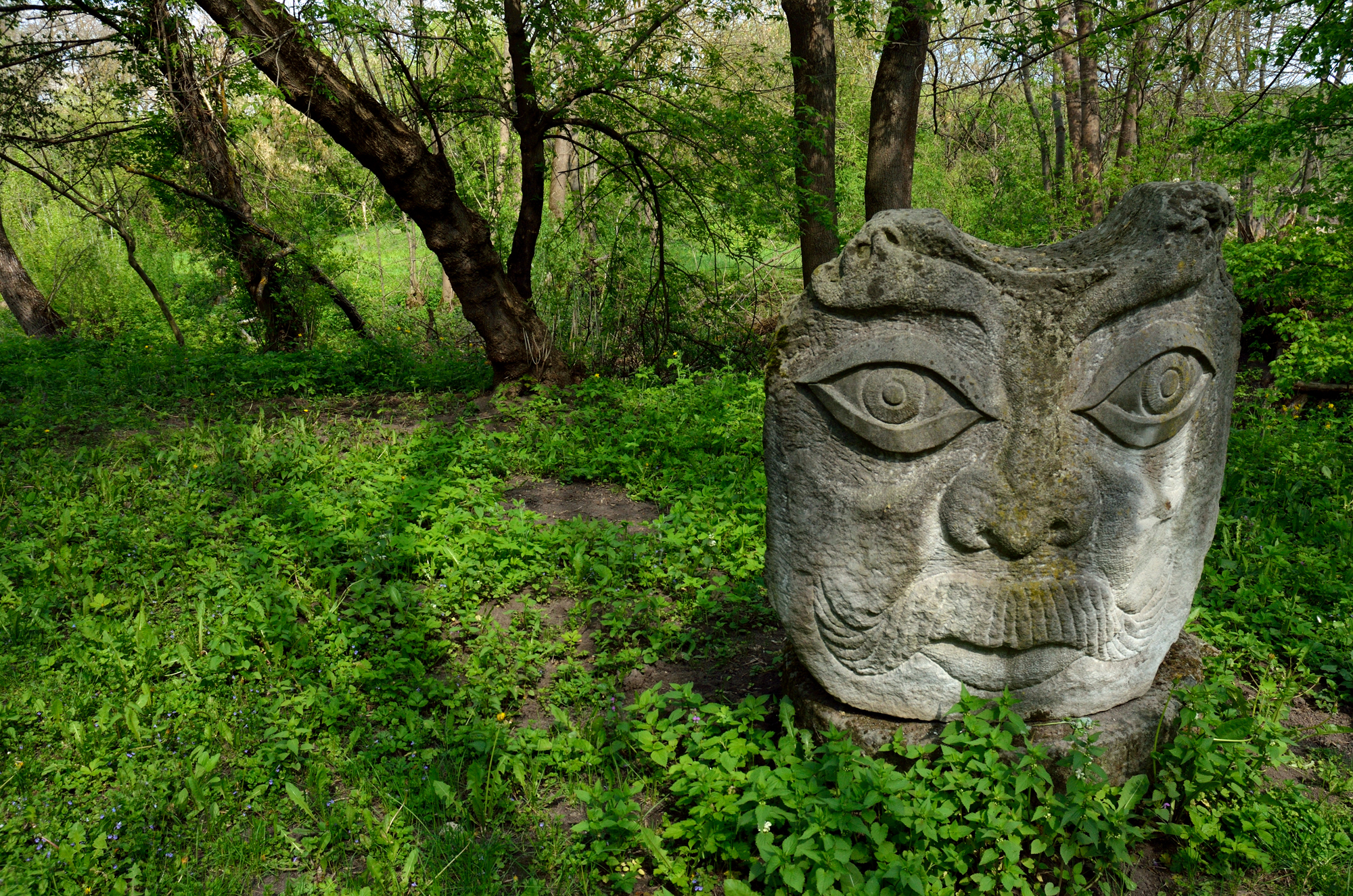
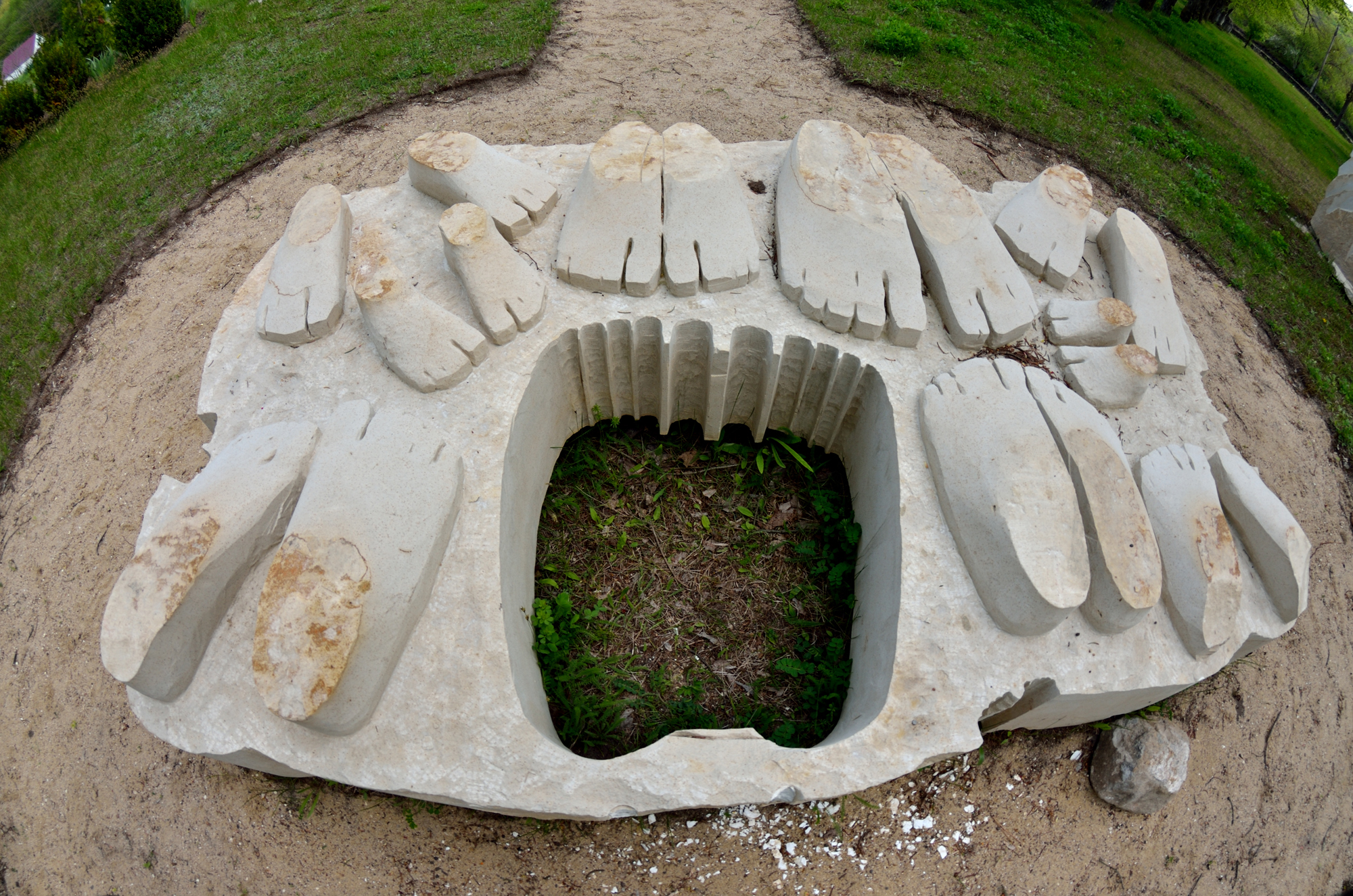
This monument has not yet been covered with moss and is not darkened from time – it was created in 2018 in memory of the shooting on Maidan during the Revolution of Dignity. The traces of heroes from the Heavenly Hundred will remain on Ukrainian soil forever.
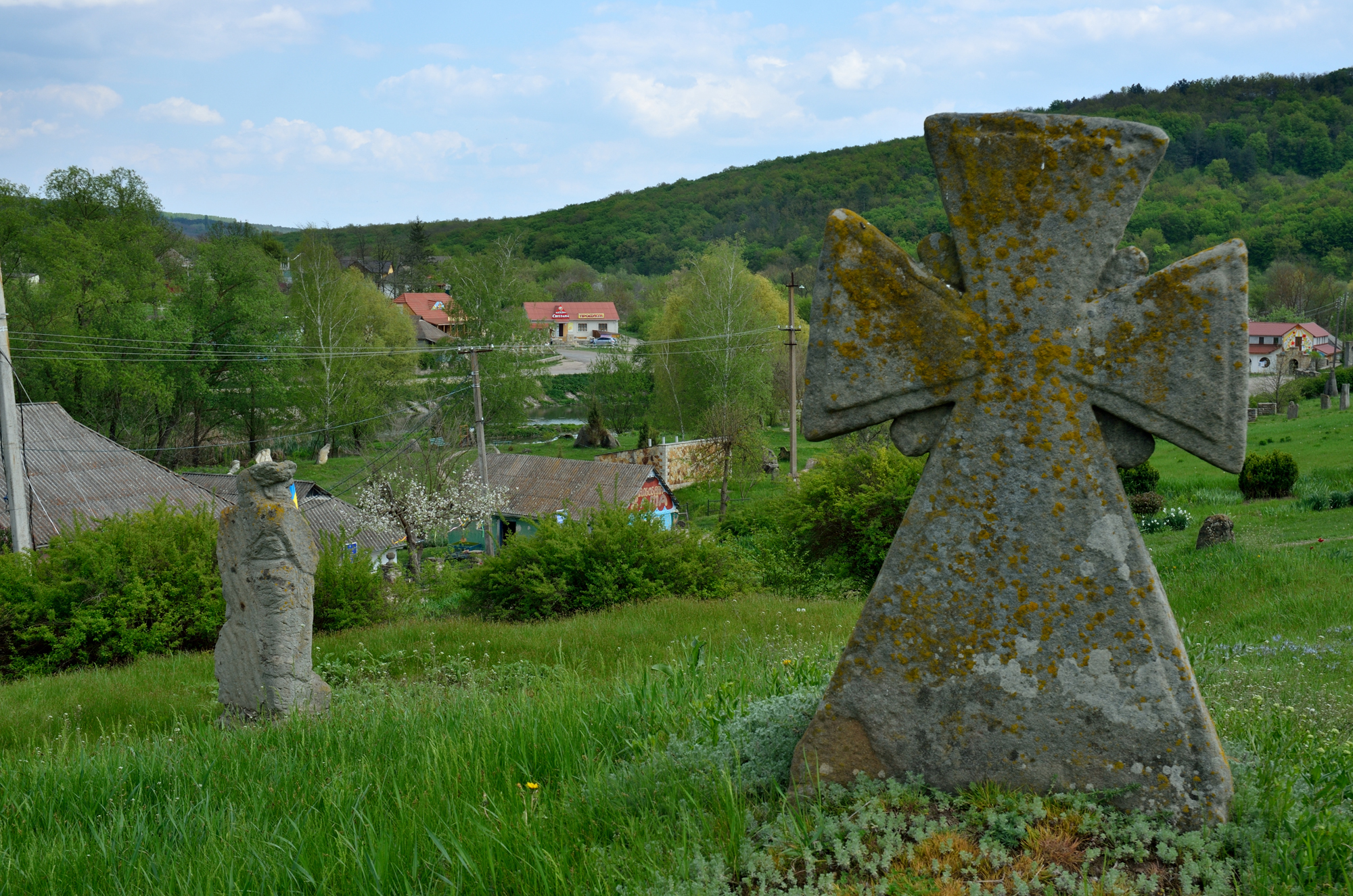
Ancient stone crosses could have been used several times. Among them, there are the ones dated seventeenth and eighteenth centuries, but the inscriptions could be made later – in the nineteenth and twentieth.
Painted houses
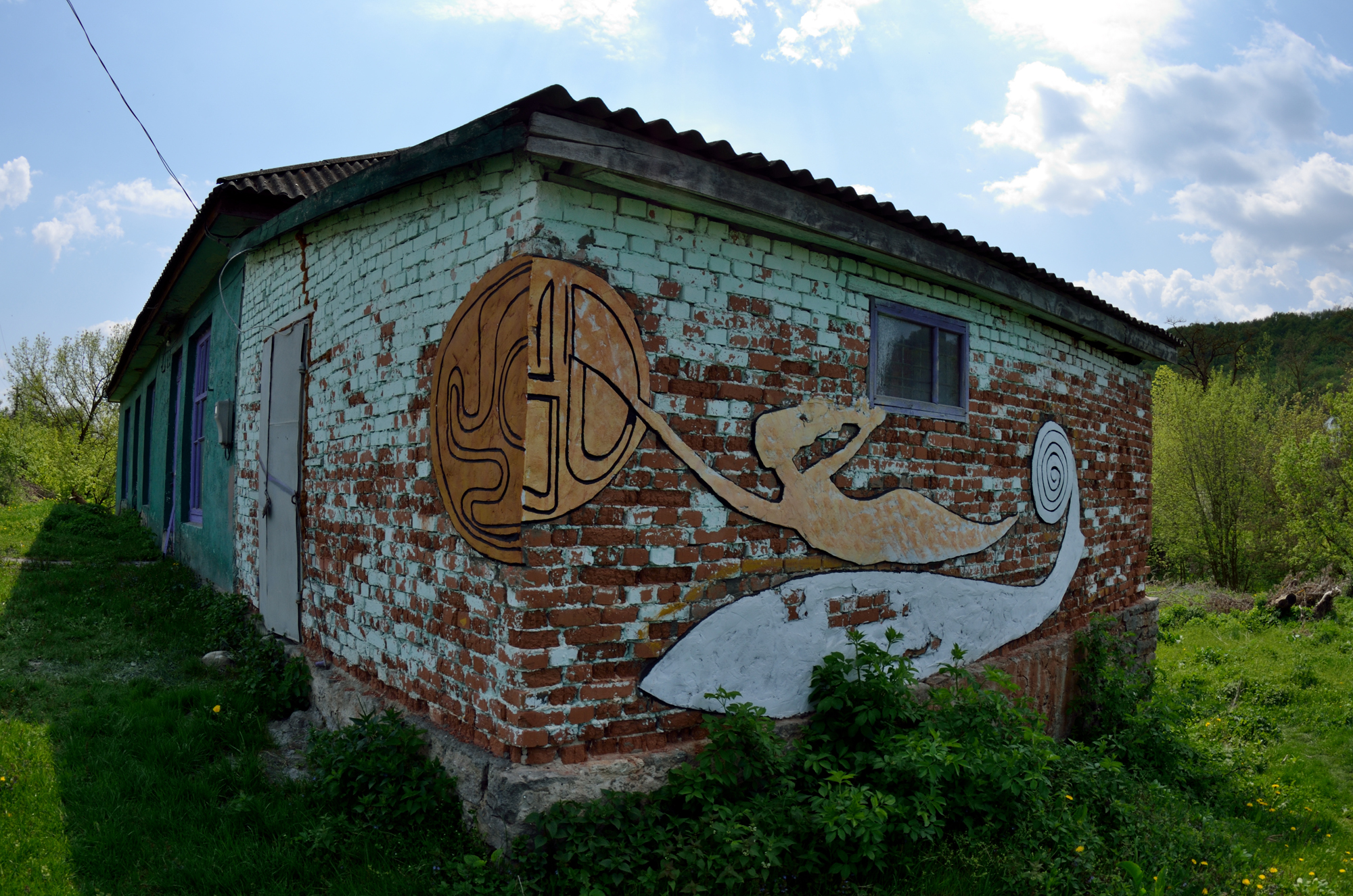
Stone sculptures are found in the village, sometimes in very unexpected places – for example, in the garden. Busha residents have a taste for beauty – they eagerly paint houses – sometimes on their own, sometimes they invite artists.
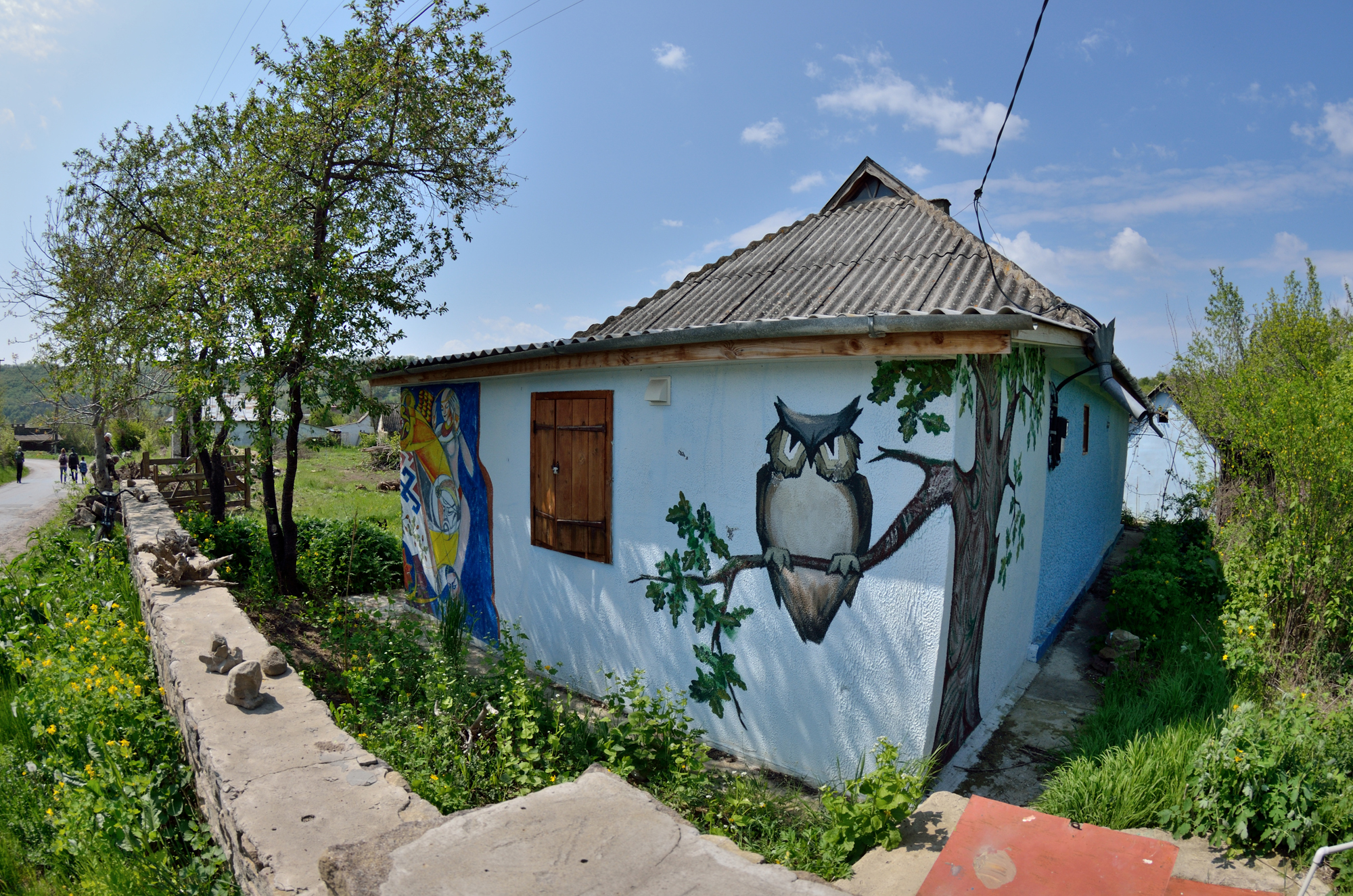
Artists from Kyiv, Odesa, Vinnytsia are buying houses here and use them as creative residences.
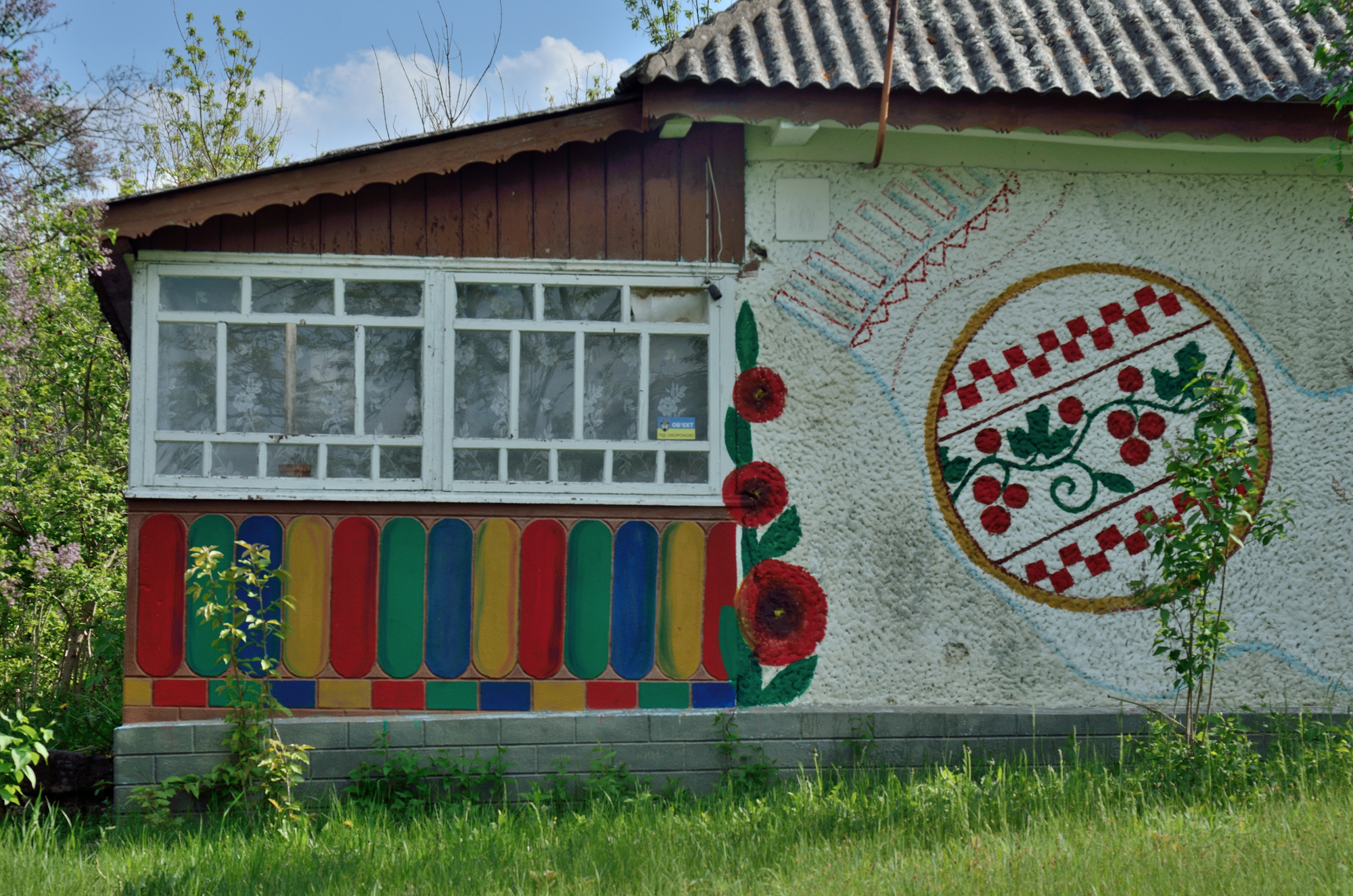
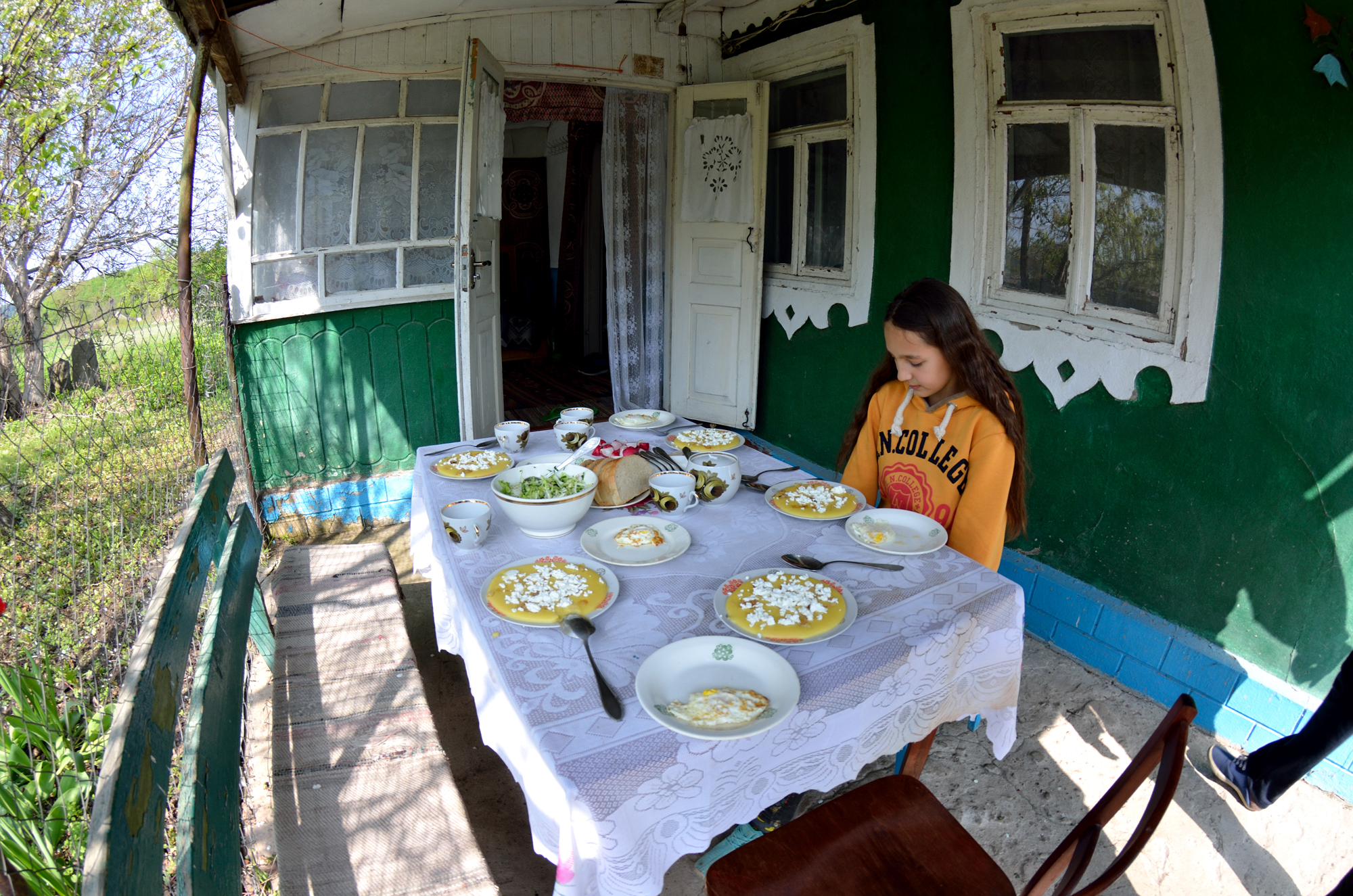
At the same time, you can earn good money on green tourism here. You can stay in an authentic village cottage, enjoy a breakfast of mamalyha, brynza, bacon and busha potato pancakes fried on home-made oil. For demanding tourists there are houses of a four-star hotel level with a sauna, and even a golf course.
Haydamaky Ravine
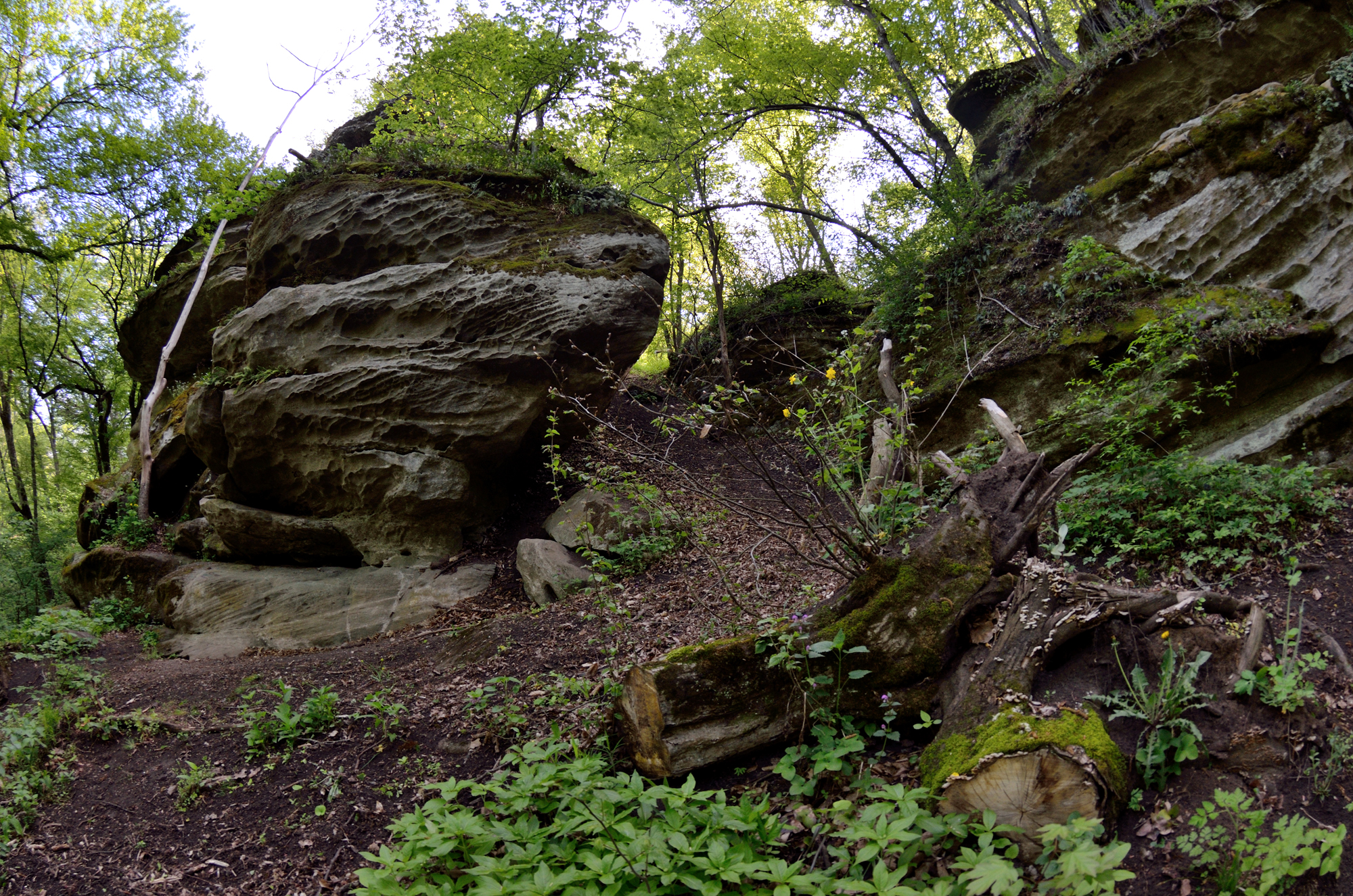
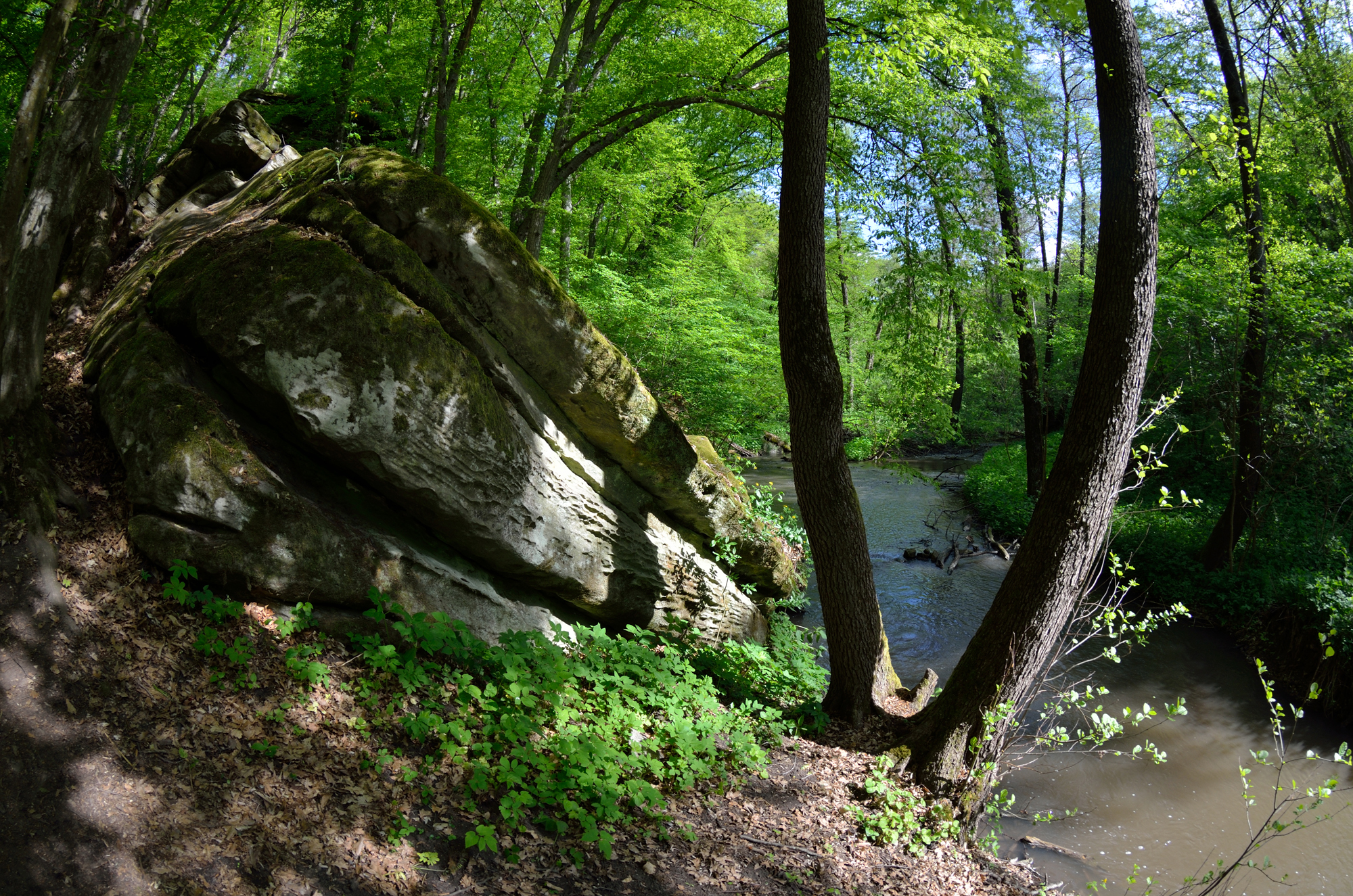
Busha attracts a lot of tourists in different seasons. Here, festivals, workshops on folk crafts and excursions are held. Another interesting thing in Busha is Haydamaky Ravine, a geological reserve with hanging rocks, caves and a stormy river. Once upon a time Haydamaky (18th-century Ukrainian rebels against the Polish nobility – translator’s note) were hiding here, now it is a place for having a picnic and celebrating the wedding. Perhaps treasures are hidden somewhere here. In any case, while visiting Busha, you will find the most valuable treasure – peace in your mind.
 By Darya Garmyder
Photo by Yulia Kryzhevska