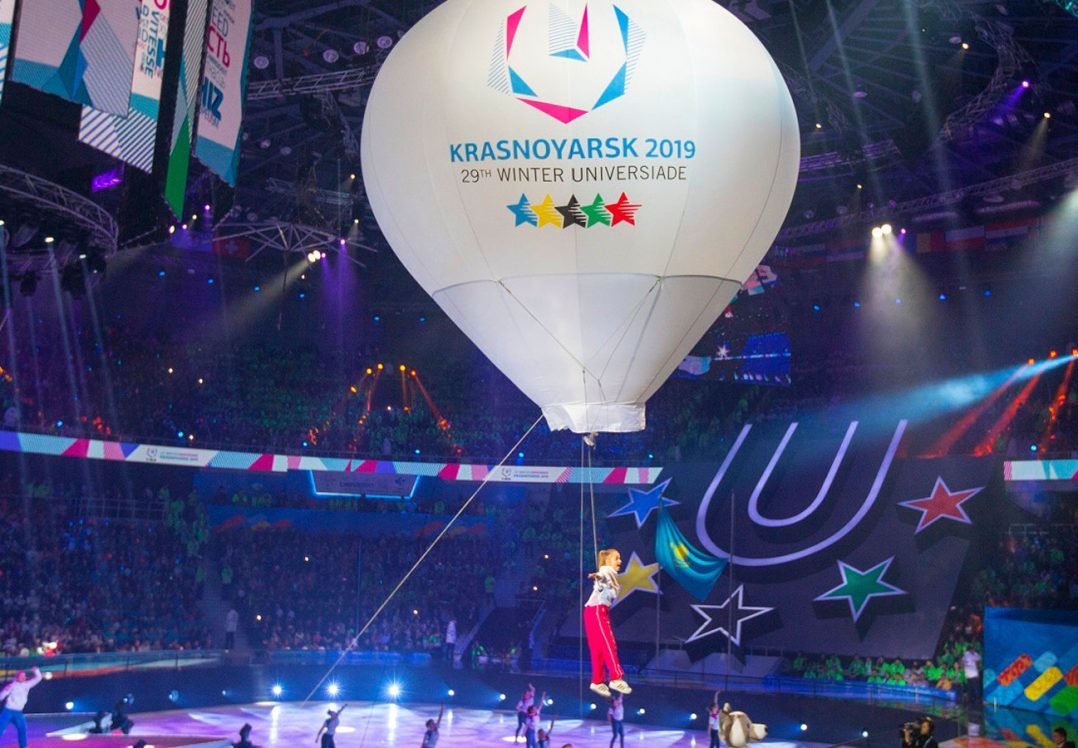


Ukraine has decided to boycott the competition in the Russian Federation again. This time the Ministry of Youth and Sports refused to participate in the Universiade, which will be held in March this year because it will be held in the Russian city Krasnoyarsk.
In the fifth year of Russia’s open aggression against Ukraine, we have not yet developed a clear strategy for the participation/non-participation of our athletes in official international competitions (world championships, world cups and so on) and continue to think in the categories of #zrada (#betrayal) and #peremoha (#victory). And we easily and thoughtlessly divide athletes into “our guys” and “traitors”.
The most famous Ukrainian chess players, sisters Mariya and Anna Muzychuk, went to the World Cup in Russia because they could lose their titles – # betrayal. Oleksandr Usyk won against the Russian athlete Gassiev and became an absolute world champion – #victory. No other option – Sashko beat the Russian up in Moscow. Hero!
There are more than enough of such examples. The national figure skating team took part in the European Championship in Moscow, our chess players participated in the competition in Khanty-Mansiysk, Usyk fought in Moscow. But there were also cases when our biathletes did not go to Tyumen to take part in the World Cup, the Ukrainian tennis player Elina Svitolina refused to participate in the tournament in Moscow, the Ukrainian karateka resigned from participating in the championship of the continent, which was also held in Russia.
However, when the Ukrainian athletes face the question “to go or not to go?” it seems they and their coaches are left alone with the choice. There is a position of federations of various sports, there is a position of NOC, but they are unclear, and almost hint that everything depends on… the athletes themselves. And in fact, it depends on the conjuncture of the situation. In general, the government made “Solomon’s decision”: in March of the previous year, the Ministry of Youth and Sports of Ukraine officially forbade the Ukrainian athletes to take part in competitions on the territory of the Russian Federation. They noted that such competitions are dangerous for athletes. However, later the Ministry explained that athletes can participate in the competitions, but… at their own expense.
Unfortunately, there are no visible preconditions for ending the war with the Russian Federation, and consequently, the scandals around our athletes’ participation or non-participation in competitions on the territory of the Russian Federation (which are held under the auspices of international organizations) will keep rocking our information space. We reject the idea that “sport is outside of politics” from the very start. It is not in any way. But it is very important to try to understand, to find common denominators in this issue, or at least to have a frank discussion – what really needs to be done? Yes, we have war, but it is a hybrid one, and officially undeclared. So, in Ukraine, we will accept any boycott of Russia enthusiastically. And in general, it is obviously the right decision. But the participation in the World Cup for an athlete is a lifetime pursuit, and the loss of credits and titles decreases his ratings and spoils the image of the Ukrainian sports. So, if you put yourself in the place of an athlete, perhaps the decision to go will not be condemned so undoubtedly. In the end, Ukraine has not stopped to trade with the Russian Federation. And the diplomatic relations are not completely severed.
DUMKA tried to figure out the situation and asked for the opinions of “both sides” – the athletes themselves (those who go and want to go, and those who boycott) and the experts (sports journalists). We took the boycott mentioned at the beginning – the Universiade in Krasnoyarsk – as a formal reason. But the problem, of course, is much wider.
“Have the boycott of the competition in the Russian Federation really made anything better?”
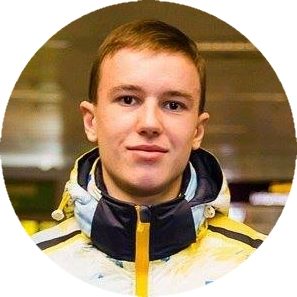
The figure skater Vladyslav Pikhovych had to go to the Universiade in Krasnoyarsk, but he will miss the competition because of the decision of the Ministry. He frankly admits that he doesn’t agree with this decision completely: “personally I don’t see any advantages in this situation. There are only disadvantages from the perspective of sports. The World Universiade is a competition organized by the World Federation – it is not like the Moscow Mayor Cup or the Championship of Crimea. The Universiade is held by the International University Sports Federation, and Krasnoyarsk is only its venue for this year.
I participated in the last winter Universiade and it was my dream to repeat it. For each studying athlete, it is a great sports festival, as close as possible to the Olympic Games. I do not agree with the decision not to go at all. I agree that it was impossible to fund such a trip (to Russia) by the state budget nowadays, but the organizers (FISU) offered to finance a team of up to 50 people on its own. I consider refusing this offer and forbidding to go at our own expense senseless. We, the studying athletes, lose the experience and the opportunity to express ourselves and our potential. Sports life is very short, it is even shorter for figure skaters, and student life passes very quickly. I graduated from the university in January and this Universiade was my last opportunity to get into the student team. Because of the high competition, I have no opportunity to qualify for the Olympics, the World or European Championship. I had a goal – the second Universiade – which I have pursued for 2 years, and by the results of the Championship of Ukraine, I would have to go to Krasnoyarsk. But unfortunately, two years of work were in vain. In our country, figure skating is based on the enthusiasm of athletes, their parents, and coaches, and such an attitude to sport destroys this enthusiasm… Have the boycott of the competition in the Russian Federation really improved anything?”
“Instead of forbidding athletes to go, the country should block the possibility of competitions taking place in the Russian Federation”
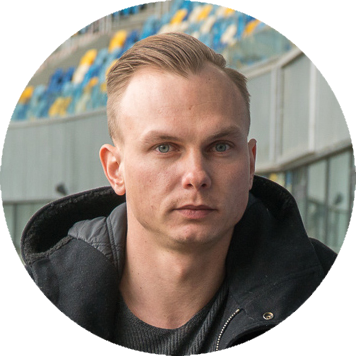
Oleksandr Abramenko, the Olympic champion of freestyle skiing who won the gold medal in Pyeongchang in 2018, also supports the opinion of his young colleague: “I believe that not going to the competition is bad for an athlete – what is the purpose of training then. It is necessary to influence differently, to press charges to FIS in our case with a request not to allow holding competitions in Russia. And what happens if suddenly there are World Championships or the Olympics, or some other significant competition in Russia – should we give up sports? Patriotism is good, but in this case, I think we are making it worse for ourselves. We need a different approach – to look for allies and not to boycott the participation of our athletes in the competitions, but the possibility of the competitions to be held in Russia.”
“The boycott causes resonance, and it is the right thing to do”
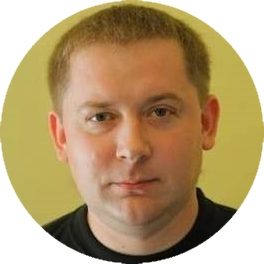
Dmytro Martsynyshyn, the sports journalist of Espresso.TV, calls the boycott of the Universiade quite a fair and a logical step, and here’s why: “Personally, I think that Ukraine’s decision to refuse to participate in the Universiade is the only possible one. It would be a mistake to send our team to Krasnoyarsk when Russia is waging a hybrid war against Ukraine, which they are trying to present to the world community as our internal conflict.
Under such conditions, every performance of the Ukrainian athletes, musicians and actors is used by the Kremlin propaganda for manipulations. They say that only the politicians are quarreling, but everything is in order between the people. They say, look, the athletes come to take part in the competition, they are treated well and in general – sport is outside of politics.
But the sport has never been outside of politics, and the Russians themselves know it better than anyone else. The 2014 Olympics in Sochi and the 2018 FIFA World Cup in Russia are indicative in this respect. Moscow had skillfully used them for “bleaching” Putin’s regime and propaganda. He will also use the Universiade this way.
For Ukraine, the boycott of the Universiade is a way to attract the world’s attention. It is another opportunity to remind the international community once again of the horror that is happening in Donbas and the occupation of Crimea. This should cause resonance. The boycott will be discussed and the situation in Ukraine will be recalled once again.”
“Officials must uphold the interests of the state”
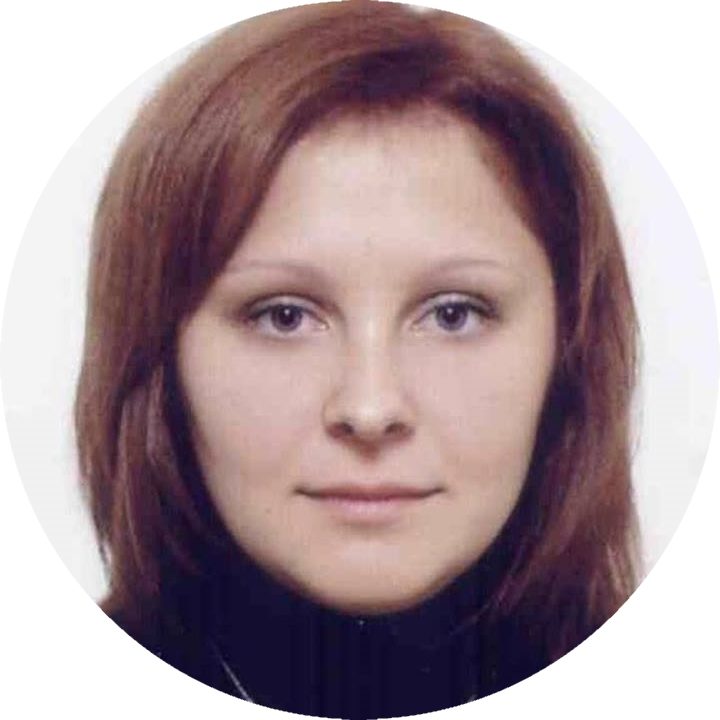
Anna Savchyk, a journalist of the newspaper Sport-Express in Ukraine, offers to look for an alternative solution. If we boycott international competitions that are held in Russia, we should immediately offer our athletes the support of the state at other tournaments of the same level: “I believe that our Ministry of Sports together with the Ministry of Education (because it is responsible for delegating athletes to the Universiade) should do everything they can to convince the world sports leadership not to hold competitions in Russia. We pay taxes – salaries of officials – so that they could defend our interests, and not violate our rights and deprive us of the opportunities, and that’s how their ban or their position “we do not encourage = we do not fund” performance of the Ukrainian national teams in Russia look like. Given how much money we have allocated to such sports as cross-country skiing, alpine skiing, snowboarding, short track, and figure skating, the participation in international competitions for the second or third numbers of the national team is a holiday. And an incredibly important chance. The Universiade, which takes place every two years, has always been such a holiday, and this time talented young people will not have this holiday! And for some reason, I am sure that the alternative in the form of funding the participation in other competitions will not be offered to our athletes”.
“If we have the opportunity not to go – we don’t go”
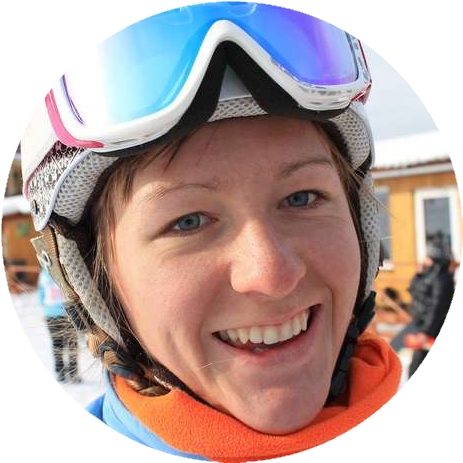
Annamari Dancha, the vice-world champion in snowboarding, the holder of the record that is historical for the country – the first World Cup medal, hints very diplomatically that she feels uncomfortable to go there, she does not want to, but… if the issue of acute need, she will have to go. In fact, her deeds speak louder than her words. In the last two seasons Annamari did not go to Russia: “We, snowboarders, are lucky not to go to Russia. Last year Russia was supposed to host the World Cup before the Olympic Games. But something didn’t work out with the organization – and the event was canceled. We didn’t go, and we didn’t lose anything in terms of credits. This season there was a competition held there too, but we decided to use this period for the enhanced preparation for the World Cup. That is, we “killed two birds with one stone” – we trained well and did not go to the Russian Federation.
Would I go if it was necessary to gain important points, for example, for the Olympic license – I am not ready to give an unambiguous answer. I might have had to go. When you are in the big sport, you don’t belong to yourself. Honestly, you go to the World Cup stages, not to Russia. Therefore, in any case, do not condemn those who do it. If it’s absolutely necessary.
As for the fact that Ukraine refused to participate in the Universiade – I think it’s the right thing to do. This competition is important for young people, but they do not affect the rating. In short, my opinion is: if you have the opportunity not to go – don’t go.
By Vadym Lubchak and Natalia Sofiyenko