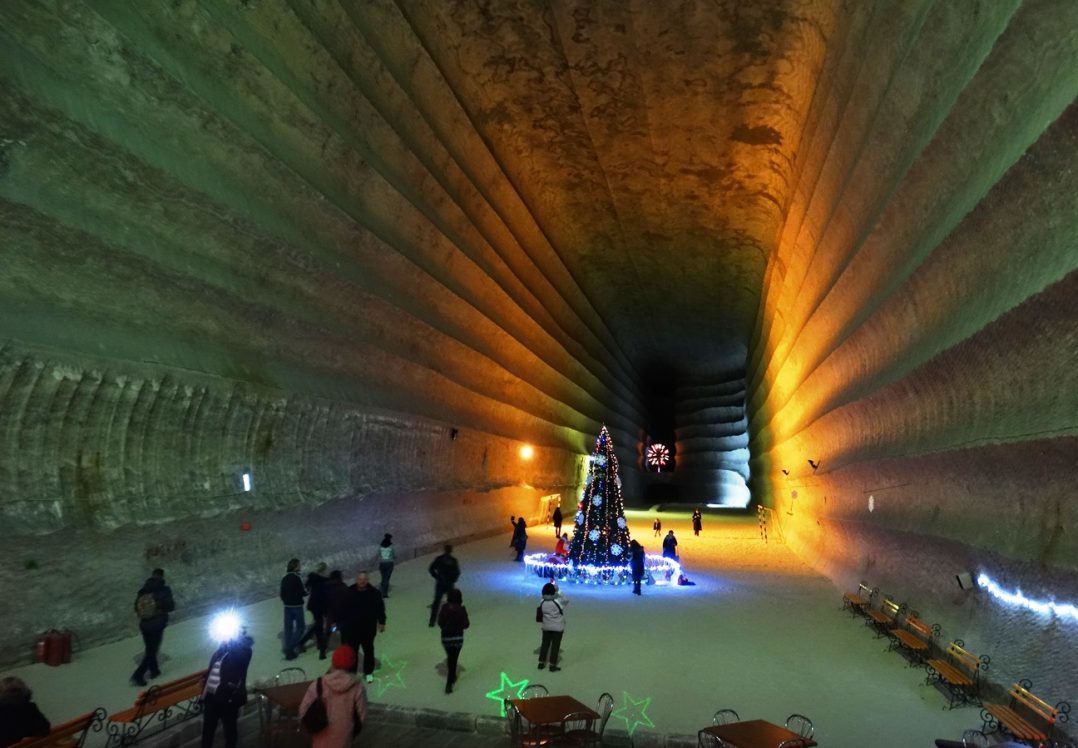


Soledar Salt Mine is a unique place in the Donetsk region, where you can walk at the depths of more than 300 meters along the bottom of the ancient ocean, recover and even enjoy the concerts of symphony orchestras.
I haven’t been in these parts for six years. Friends and colleagues said: “You’re crazy!” However, we (I and 12 brave people) took a chance. Being engaged in making tailored tours around Ukraine and abroad from Odesa, I have developed a large number of different routes for any taste, however, tourists haven’t been for a long time here in the Donetsk region (together with Oleksii Dyshlev and his project), but they should.
February is a perfect time to travel to a salt mine, time for diving into the bowels of the Earth at the depth of more than 300 meters! During this period, our respiratory system requires regeneration and healing more than ever. To this contributes the temperature +12, +14, which prevails in the mine all year round. Imagine you are walking along the bottom of an ancient ocean!
Recall that well-known pack of salt, which you take from a shelf of any supermarket? Well. Now you can walk on this very salt with your own legs. However, let’s put everything in order.
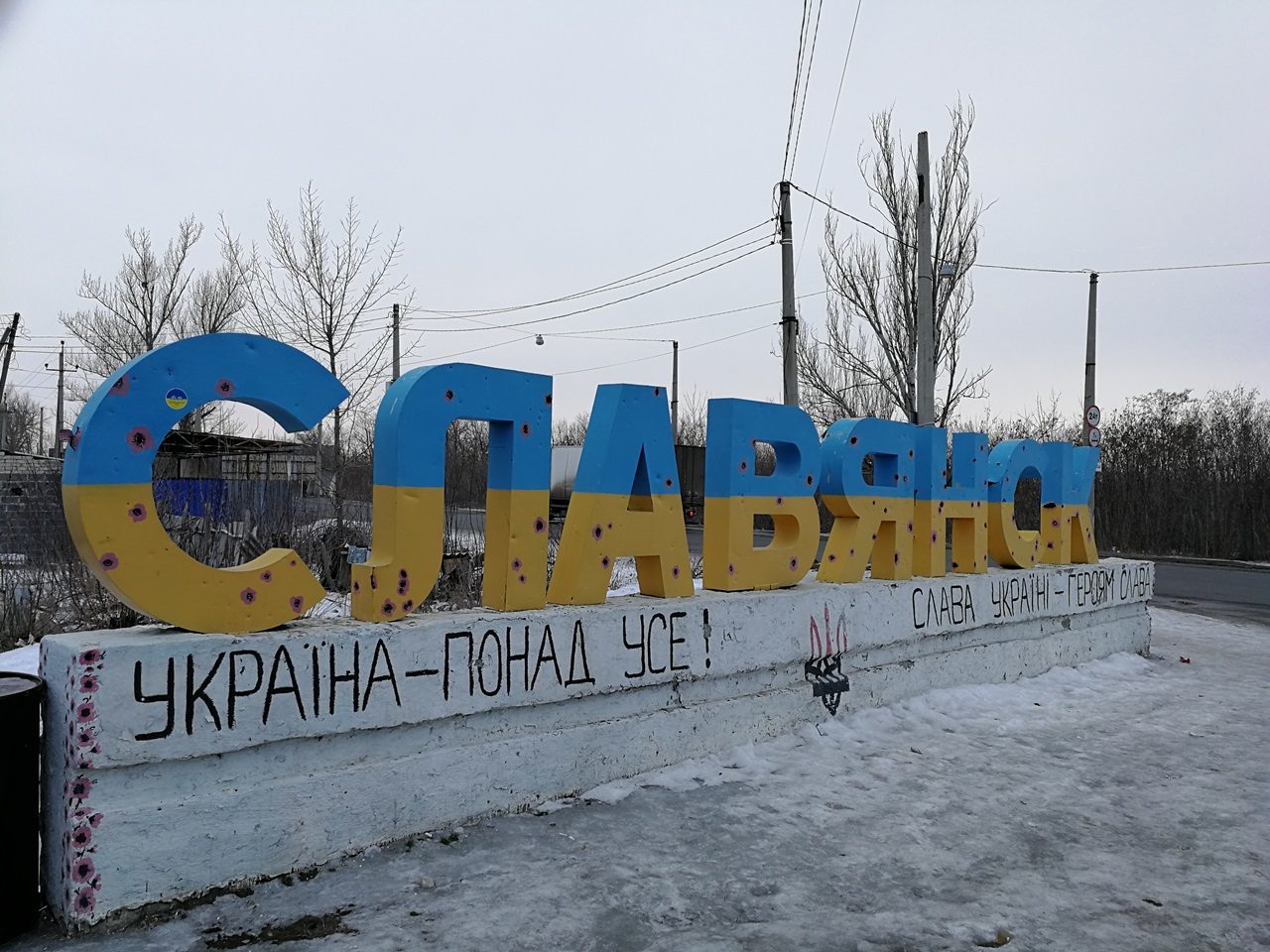
The notorious events of 2014 completely banished tourists from this, hardly touristic region of Ukraine. The shelled sign “Slovyansk” that is at the exit of the same name city brings bitterness.
From here it is just over 50 km to the small provincial town of Soledar that’s in Donetsk region. At the checkpoint on the route “Kharkov – Rostov-on-Don” we are asked about the purpose of the trip. By the way, you won’t be able to drive to Rostov right now, because about 15 km from Soledar the route ends in the demarcation zone. Be sure to take your passport for a trip.
Without any problems, we continue our journey. In 2017, the situation with tourism in the Donetsk region slowly moved from the deadlock. First timid groups of schoolchildren, and then adult tourists, mostly from the eastern regions of Ukraine have started going on the tour to the salt mine of Soledar.
Now it’s quite here. Probably, it would be all right if not the grief that was frozen on the faces of people. They are not the same as in Odesa, not the ones like in Kyiv. They are different. And, may God help you, my friends, not to experience what they lived through here…
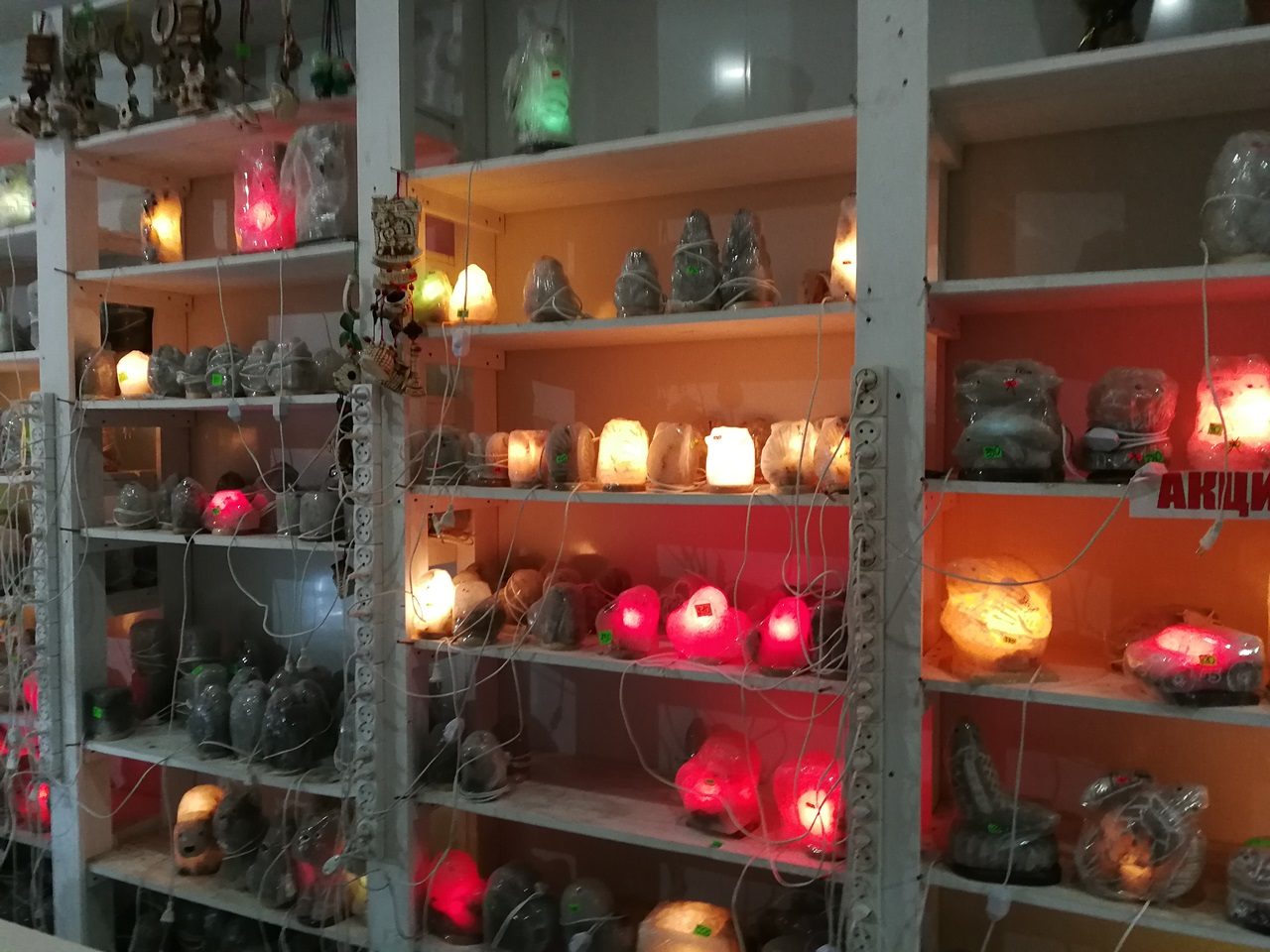
We arrive at the souvenir-salt lamps shop.
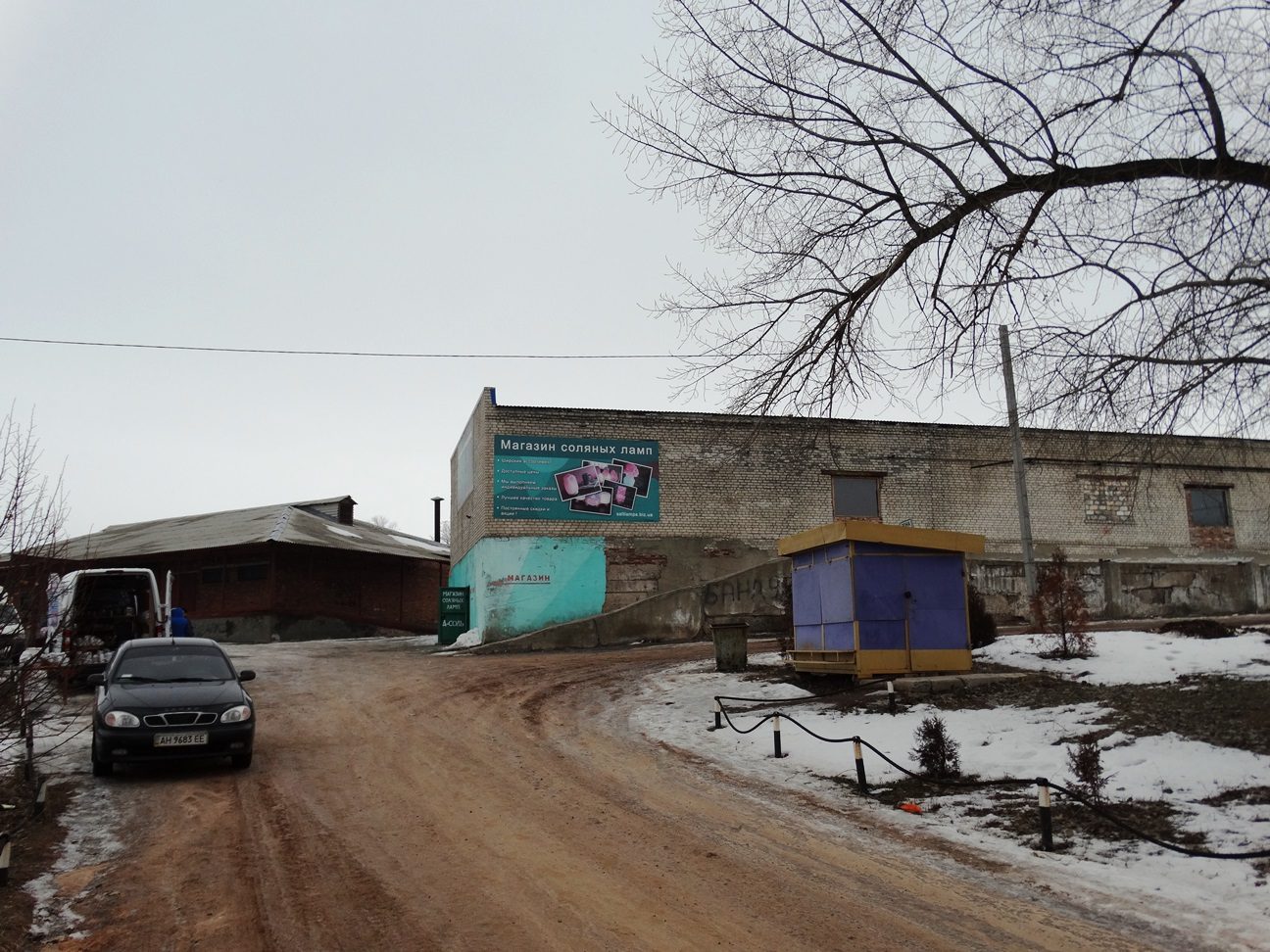
Everything is ascetic here, but for 150-250 UAH it is possible to buy quite a big souvenir for relatives.
So, let’s go! Let’s get into the bowels of the Earth through the 3-BIS shaft.
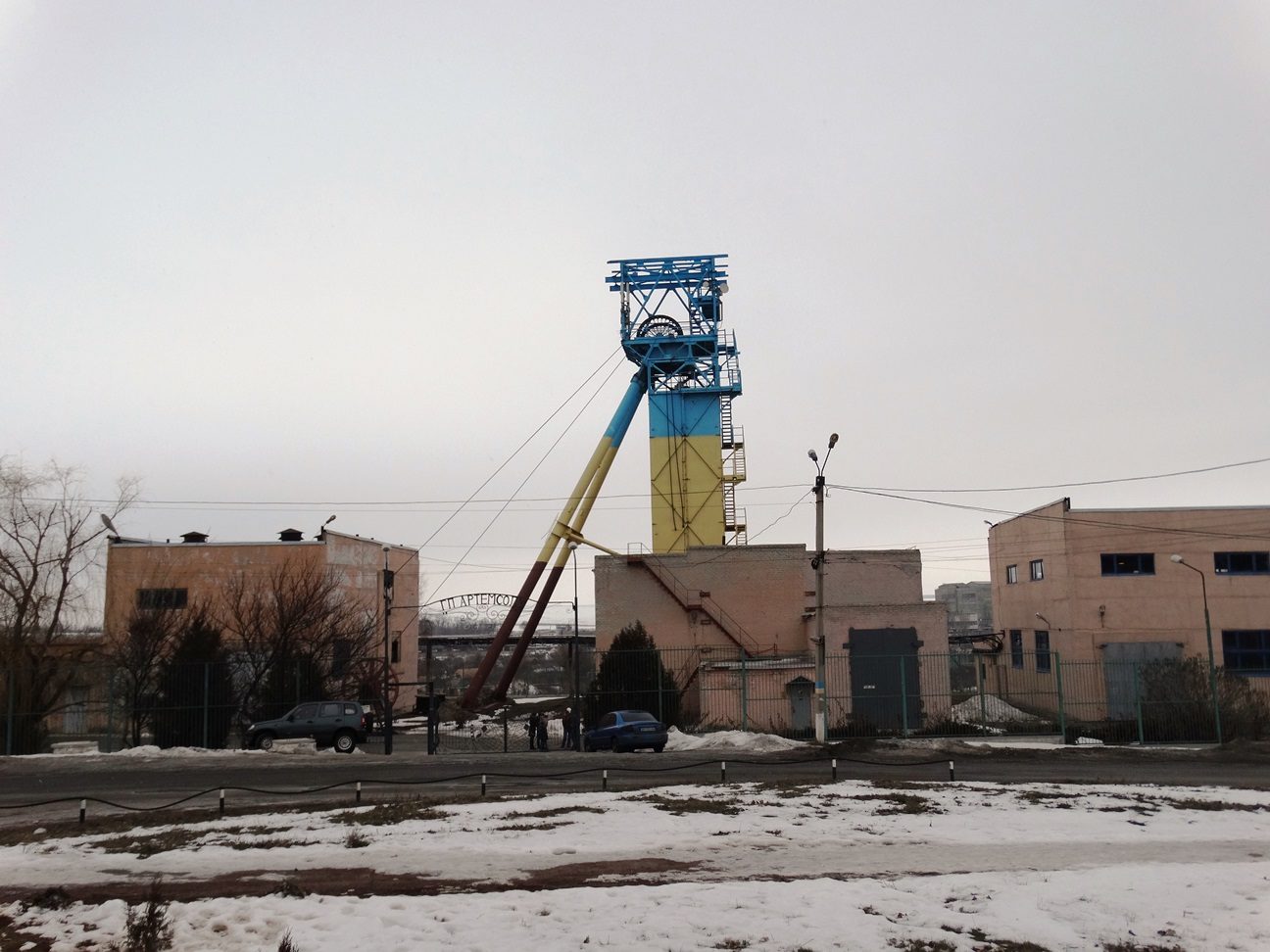
You will be instructed, helmets will be handed over, and you will be put in a cage – this is a name of the device for the descent to a depth of almost 300 meters. The ears are going to be plugged up a little due to a pressure drop. For some two minutes, you’re already in the underworld. The cage is designed for the simultaneous descent of 22 people, moving at a speed of about 3 meters per second.
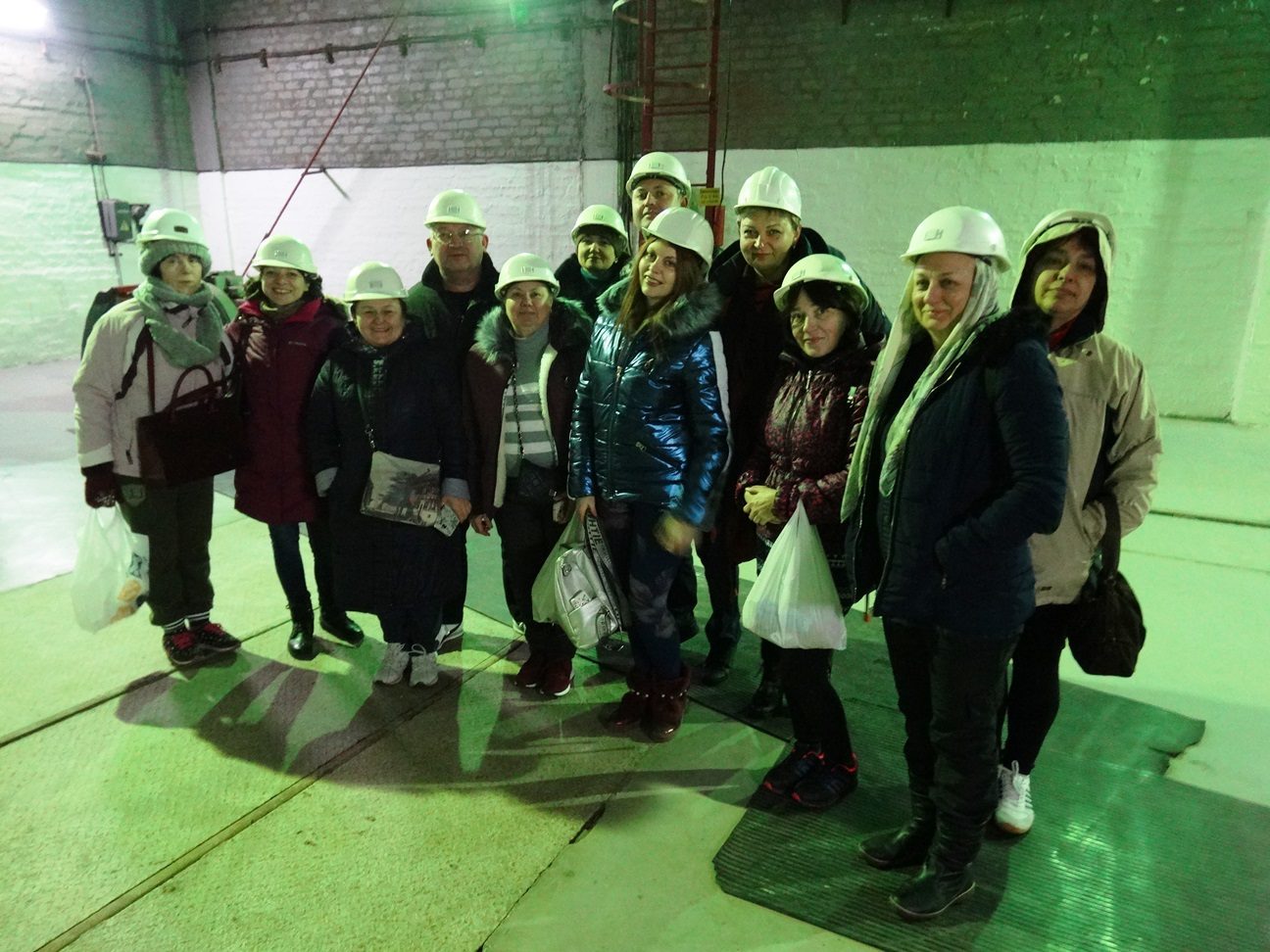
Our tailored weekend tour was accompanied by representatives of the unique Salt Symphony. Serhiy and Oleksandr treated our group very kindly and told a lot of interesting facts.
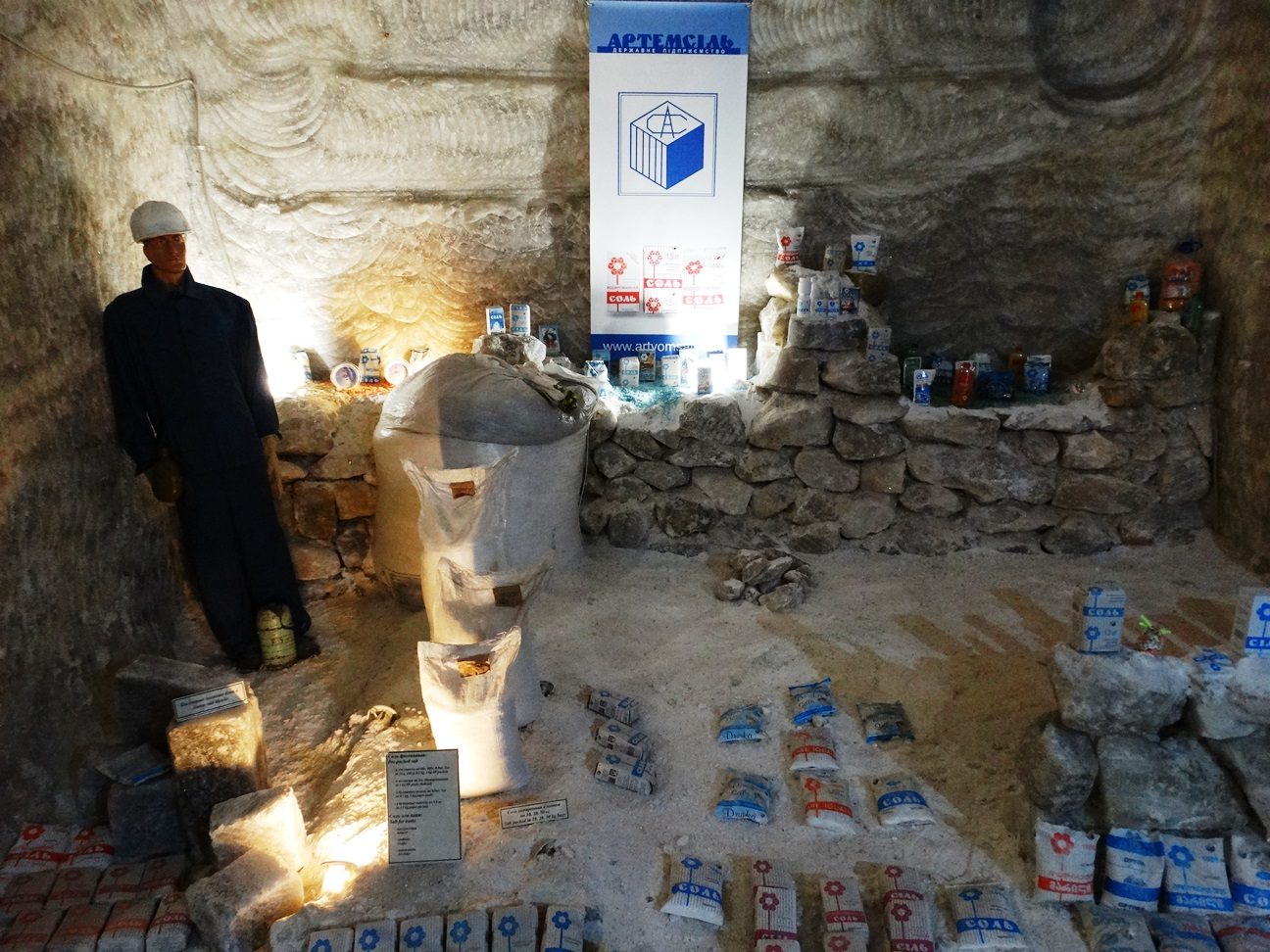
The extraction of salt in the Artemivsk deposit began at the end of the nineteenth century and, of course, continued in the Soviet era. Artemivsk that is located nearby is now called Bakhmut and is interesting for tourists as a place of tours and wine-tastings at the Artemivsk Champagne Wines Factory.
It appeared that on the territory of independent Ukraine there are two speleoclinics that are still working on the site of former mining operations. However, the well-known abroad allergic clinic in Solotvyno in Transcarpathia is closed since 2009. It’s sad because it’s almost the only reliable way for adults to cure bronchial asthma. As a result of the demolition of engineering communications and due to the lack of proper supervision and repairs, the mine, and with it a unique clinic, were flooded.
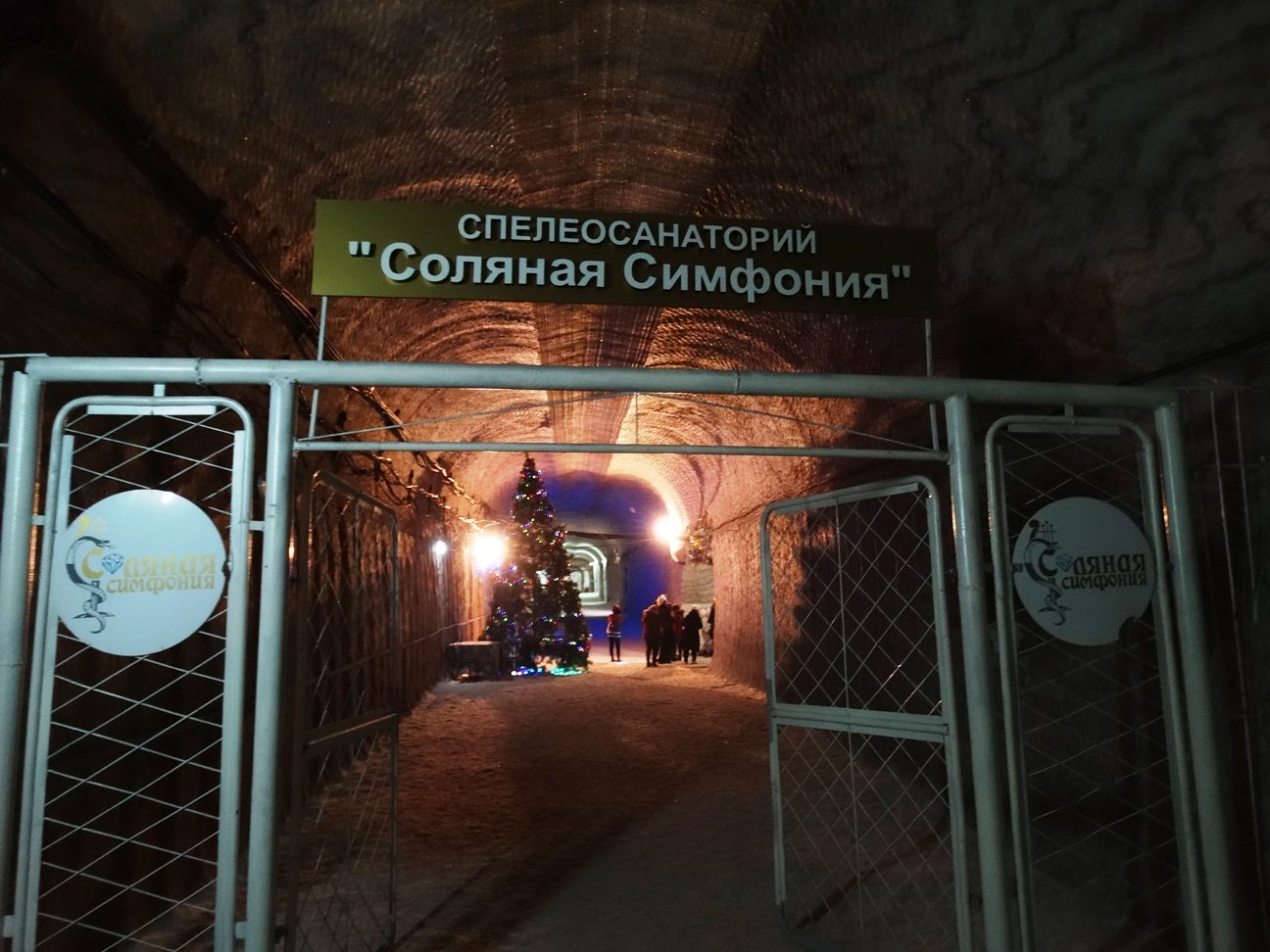
Speleosanatorium (that is, an underground sanatorium) Salt Symphony remained the only one in entire Ukraine, and by 2014 it was possible to be treated here for not so big money if you were waiting in a queue.
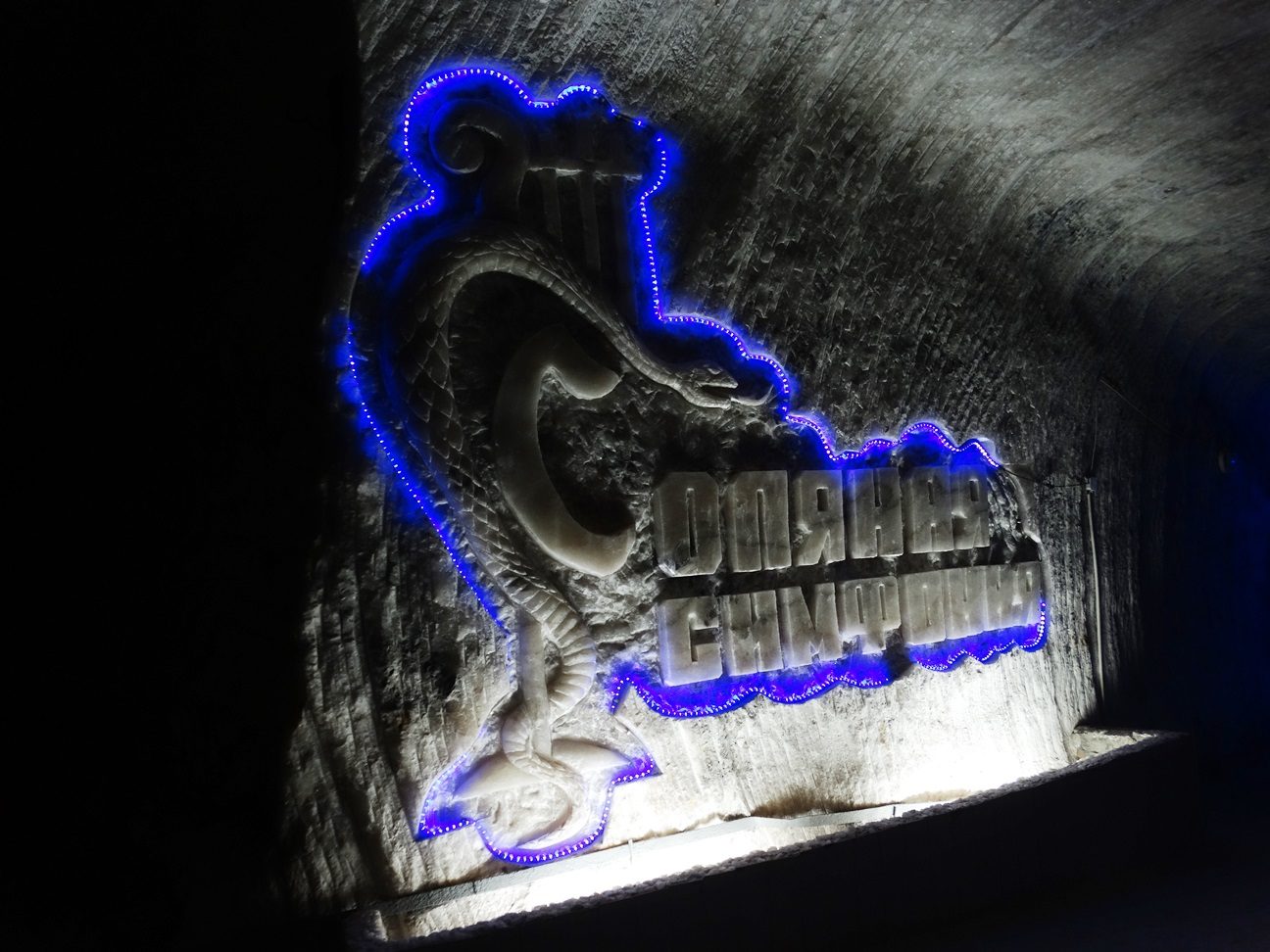
One day, underground and aboveground premises, with all conveniences, doctors, modern diagnostic center and gym were functioning. At present, the aboveground building doesn’t work, it hosts representatives of the OSCE mission. As for the underground, you can get there according to the schedule of arrivals. During two weeks, from 7 p.m. till 7:00 am, patients spend time under the ground, stay in special rooms – they are healed and treated for respiratory diseases and various allergies.
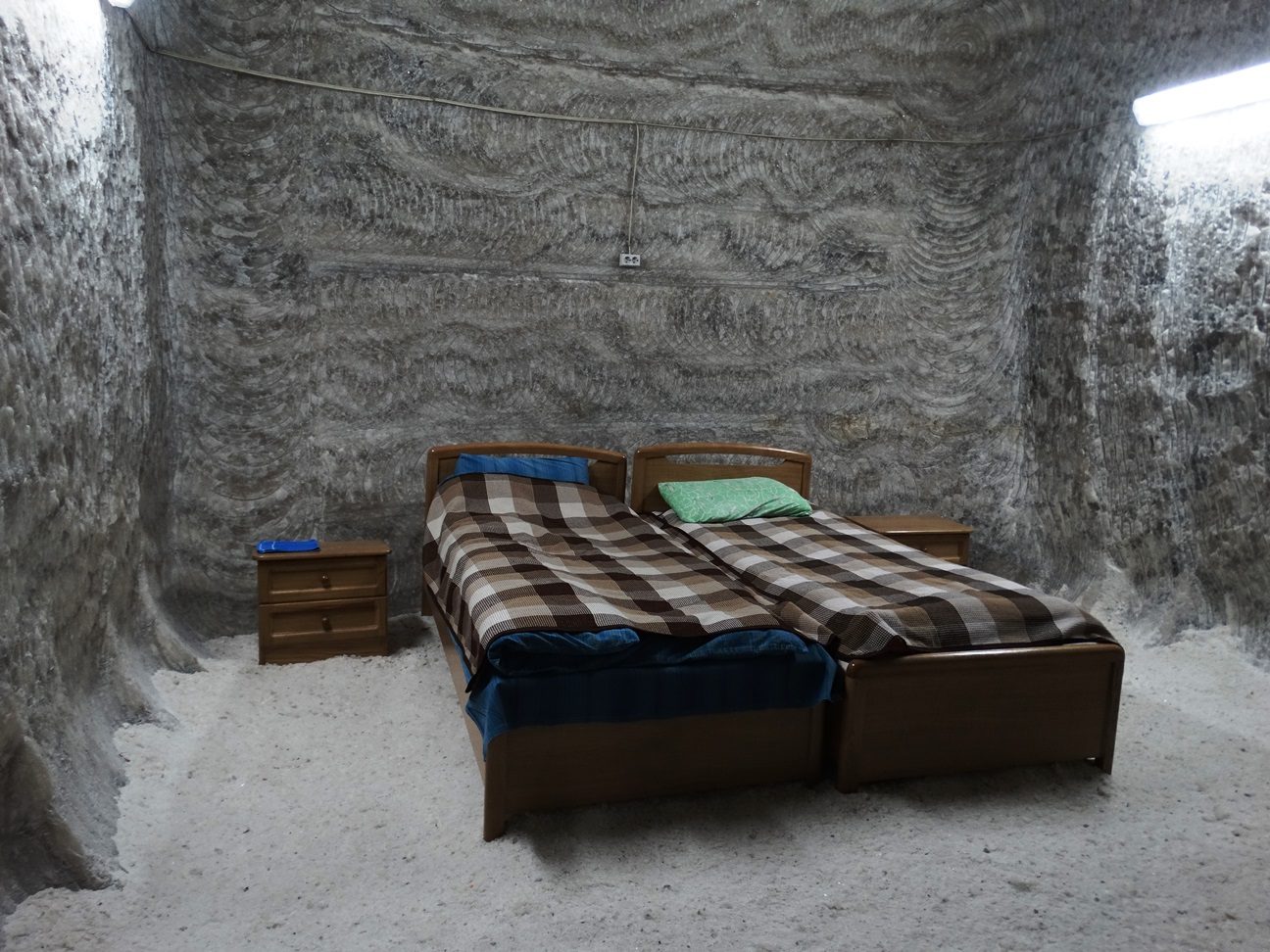
And no salt room, now it is fashionable to open them in many large cities, will not yield such results, it is better not to deceive yourself. Only a set of factors such as pressure, humidity, sufficient concentration of sodium and chlorine ions, and temperature regime will do its good work.
In addition to two-week programs, tourists are now offered one-day sightseeing-health tours, which we took. In addition to the exciting excursion and immersion in the underworld, breathing exercises, tea and the opportunity to sleep a bit on the beds of speleoclinics were waiting for us.
By the way, here, at a depth of about 300 m under the ground, they have quite decent restrooms.
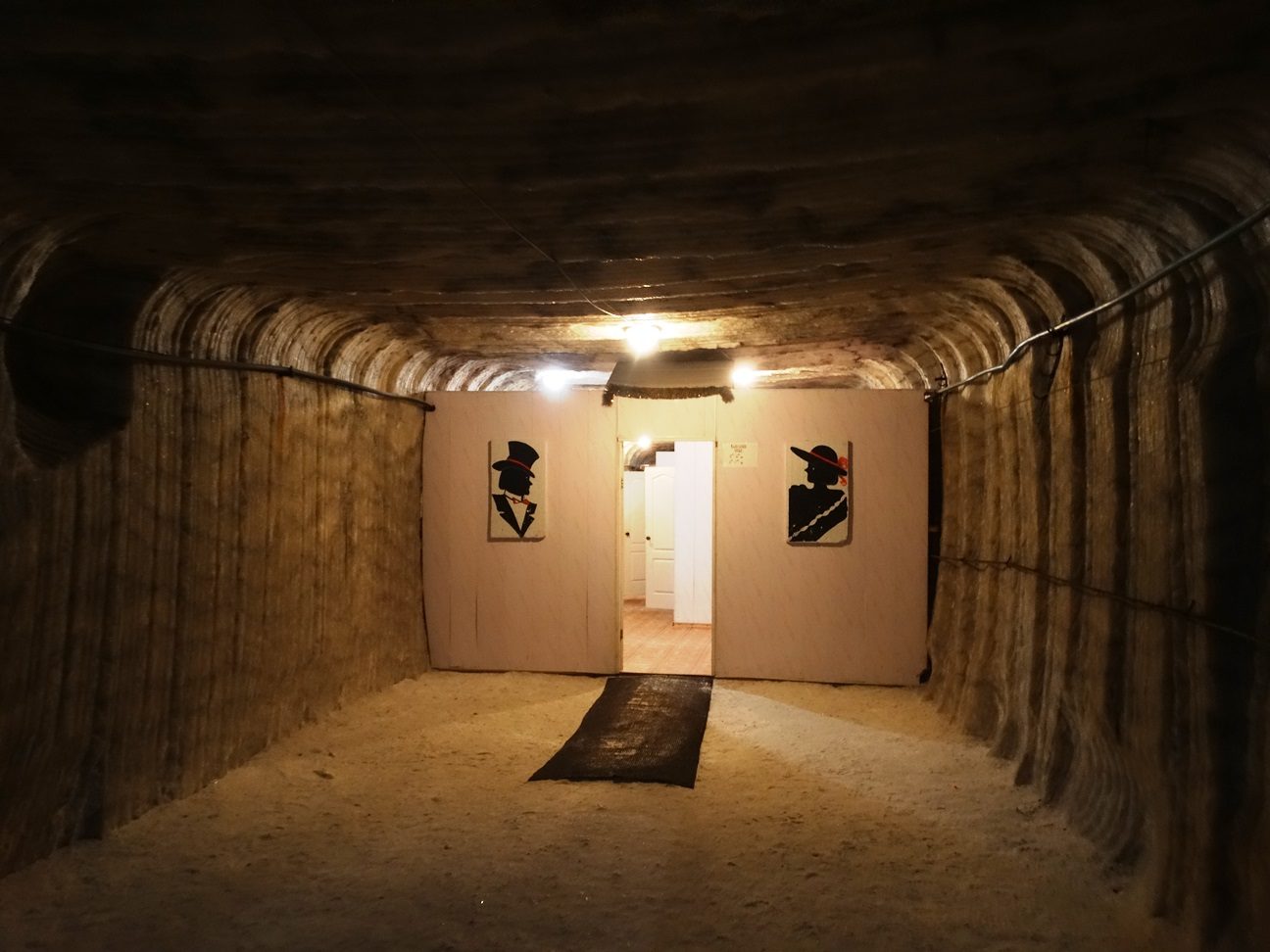
There is no coffee shop beneath, but you can take something to eat with you. I don’t recommend you to put on a bunch of warm clothes during winter – windbreakers will be enough, and it’s better to wear sneakers so that salt does not spoil the shoes.
However, in summer it is better to get warmer. The temperature is stable here it won’t rise above +14. Persons in the state of alcohol intoxication are not allowed for such an excursion as well. As for age restrictions, it is allowed to everybody from 6 to 60, if there are no contraindications. You can find out about them in advance. In long term programs, there are disadvantages – potential patients to speleosanatorium should arrange themselves the accommodation, food, and transfer. Minibusses from Slovyansk and Kramatorsk are going here, but not very often. There are no comfortable modern hotels. Maybe they will appear in the future when the number of people who want to have some rest here will increase. As an option – private offers to rent housing. It is sad because such places are very appreciated abroad. They are guarded by the state there.
Now there are 3 enterprises operating here.
Actually, Artemsil, a state-owned enterprise that regularly extracts salt. However, due to problems with the market (now, they do not supply salt to the Russian Federation), its production rate has fallen significantly, and the capacity of the enterprise is far from being used in full. The next is speleosanatorium Salt Symphony, which leases the territory from Artemsil, and also the Museum of Salt Industry, which also exists on lease terms.
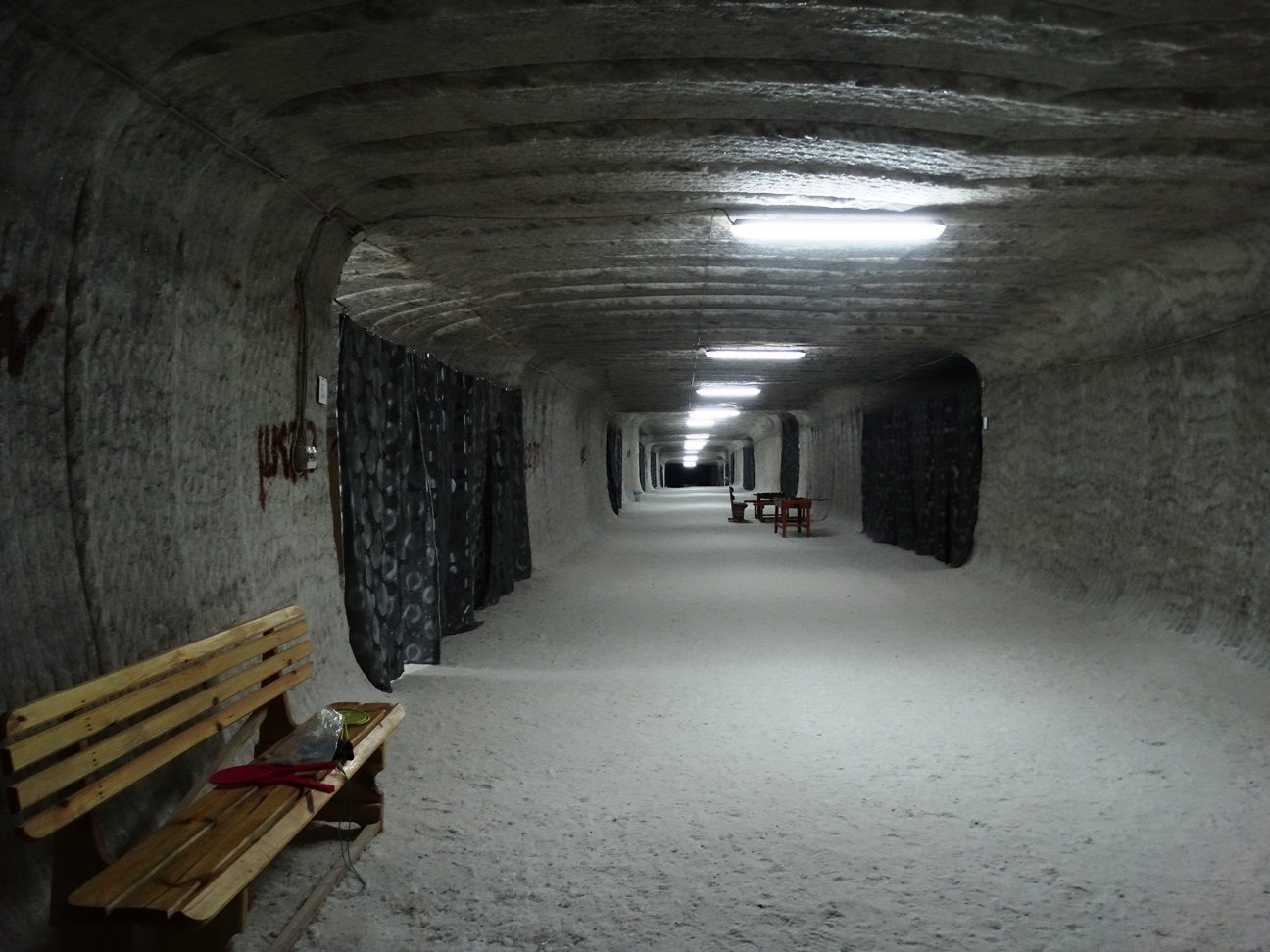
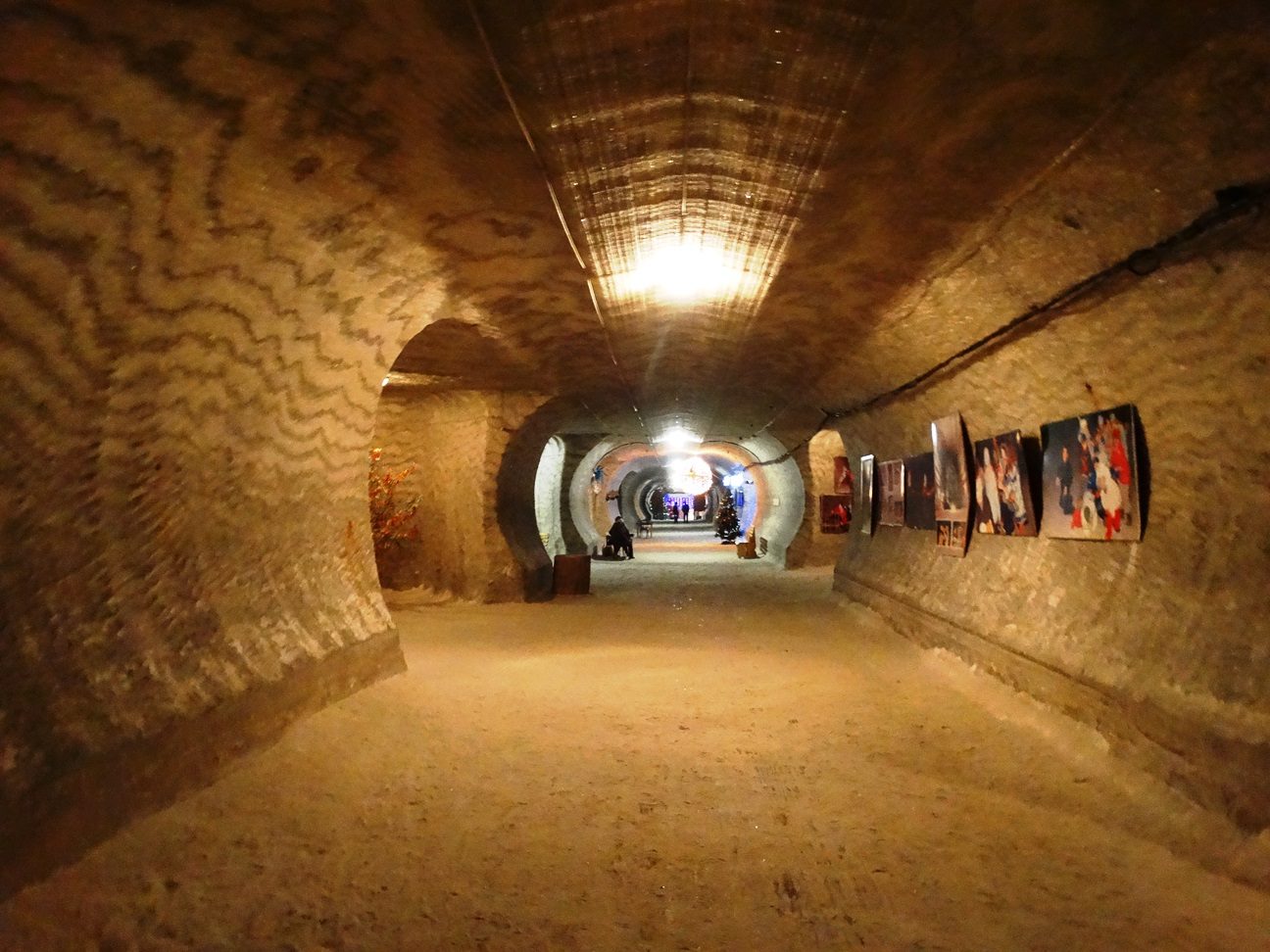
We walked through long underground corridors. It is very cozy here. The backlight is unobtrusive, there are almost no tourists. It’s really interesting and unusual.
The real “WOW” was waiting for us when we got to the Great hall.
Due to the 28 meter height of the roof and stunning acoustics, regular concerts of symphony orchestras take place here.
We didn’t sing. We were enjoying the mysterious surrounding, flickering illumination, we were breathing healing air… thinking about life.
Thank you Soledar for four hours of happiness under the ground! May peace and grateful tourists be with you! We will definitely come back here again.
Text and photo by Oleksii Dyshlevyi