

Some cultural traditions die as time passes by, some become a part of history, an artifact in a museum. In the XX century, the art of vytynannia (cutting) was also close to disappearing. This kind of art can be seen in different world cultures (central and eastern Asia, western and eastern Europe, China, Persia, Turkey) from the V century B.C.
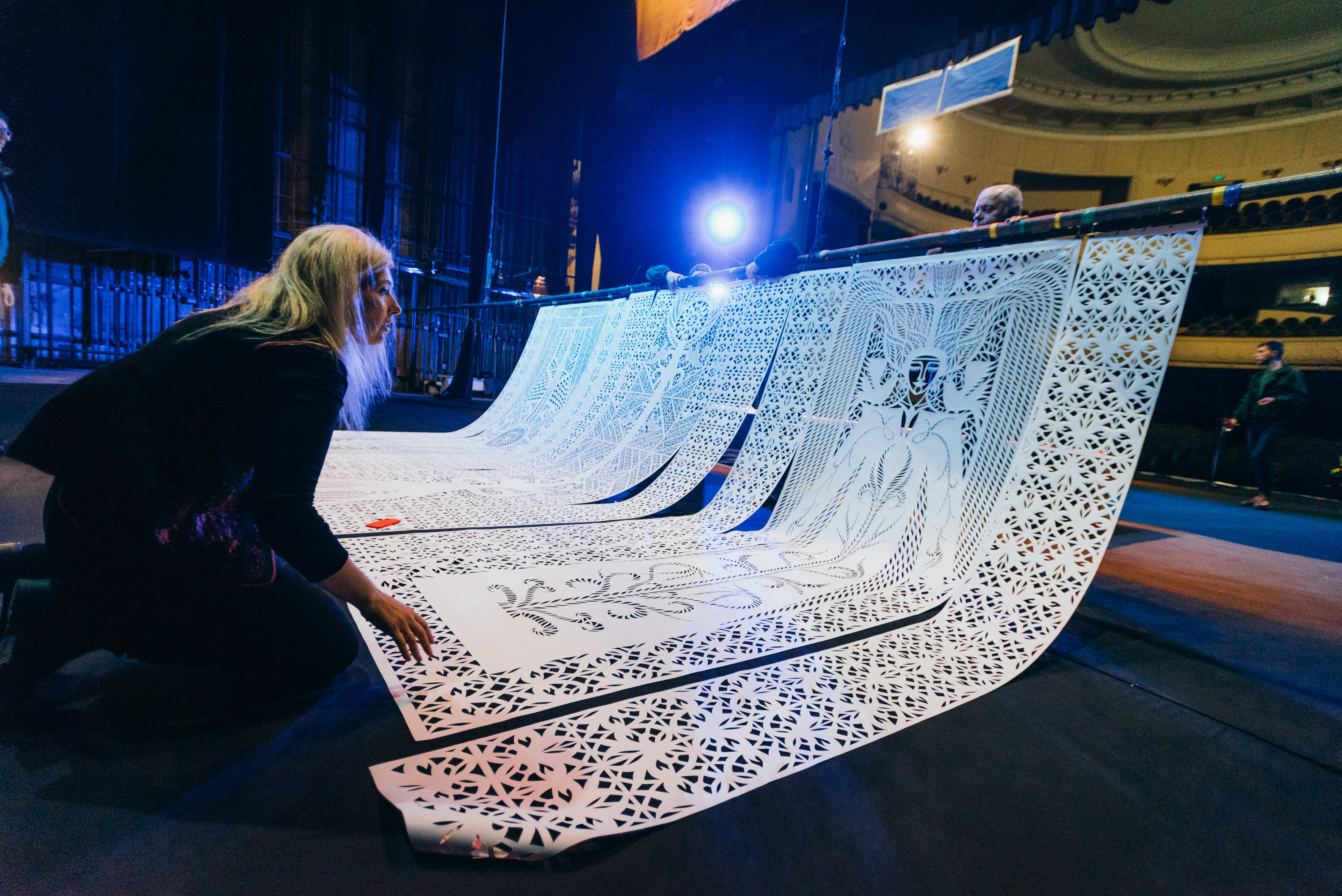
Vytynanky are lacy and silhouette pictures, cut on any material (fabric, paper, leather, cloth) to create patterns. A composition is a depiction of customs and traditions with the help of geometrical, anthropomorphous and zoomorphous, plant and symbolic forms. Vytynanky have always been used to decorate accommodation and clothes.
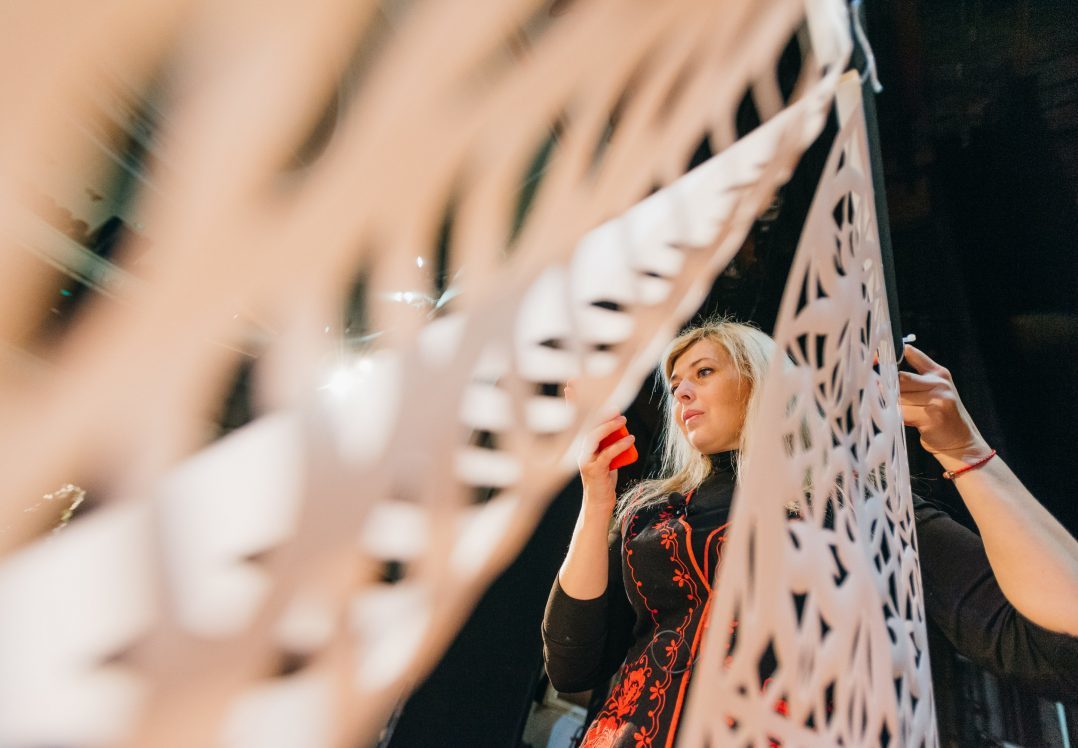
Today, vytynannia is getting popular again due to many masters, Daria Alioshkina, a Ukrainian artist, is among them. She is a professional sculptor. Her works decorate different places in Ukraine. She used to work as a theatre director. Now, she is working on making vytynannia modern and popular again, she is widening the usage of this art in every-day life.
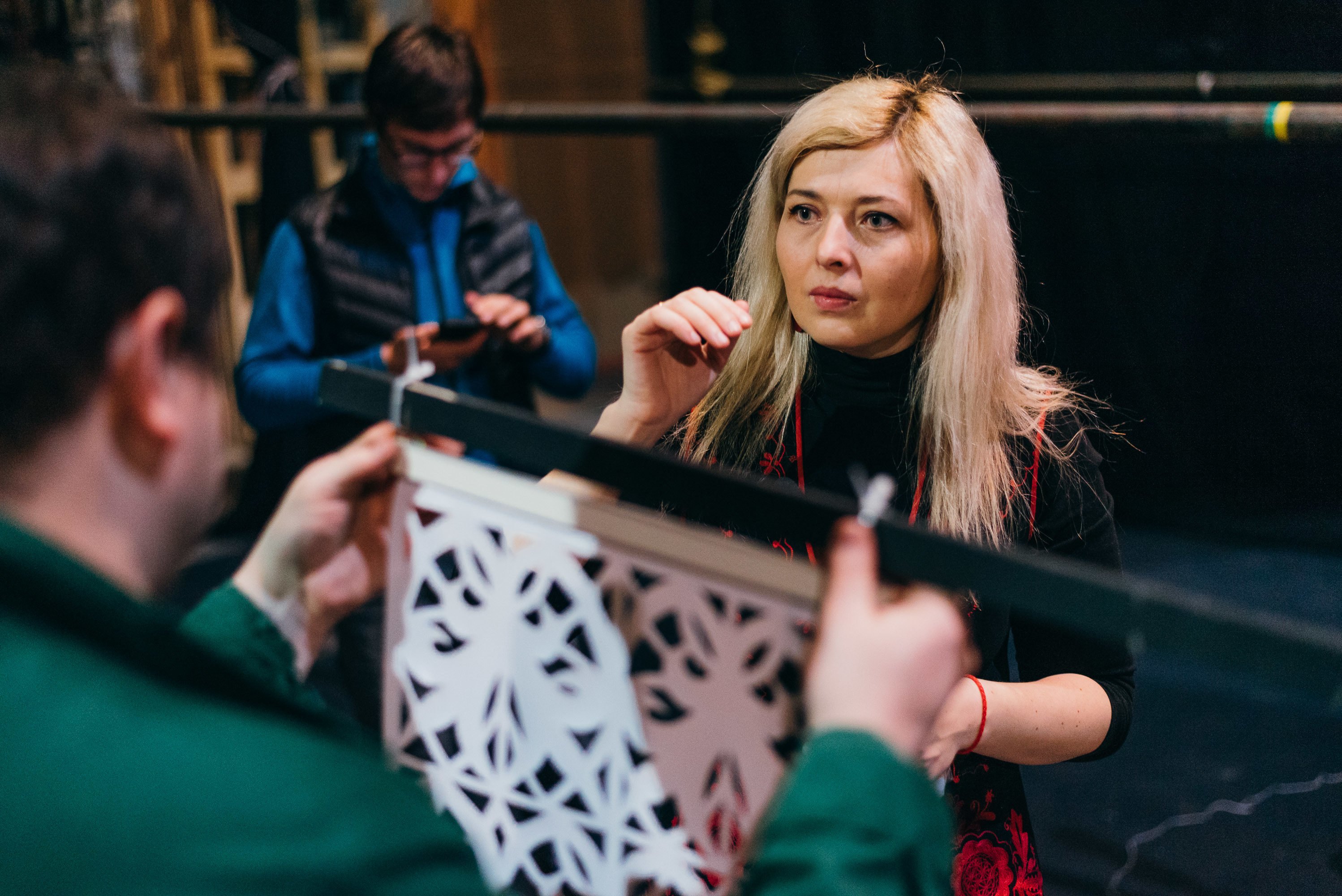
Daria’s vytynanky are kept in different countries: Austria, Belarus, Belgium, Italy, Canada, Germany, Southern Korea, Northern America, Poland, France, Japan. Her exhibitions have taken place in Germany, Poland, France, Southern Korea, Lithuania. “People have always got excited – I am happy,” the master says. Daria always decorates compositions at her exhibitions by herself, she is always there when vytynanky are being assembled and disassembled because it influences “whether they will “survive” or not for the next exhibitions,” she says.
Those were major exhibitions overseas which made Daria realize that giving new birth to vytynannia and its updating was a right kind of art to choose – “I began being appreciated in Ukraine, then I got a sign – I was moving the right way. There is a big demand – so I keep on working!”
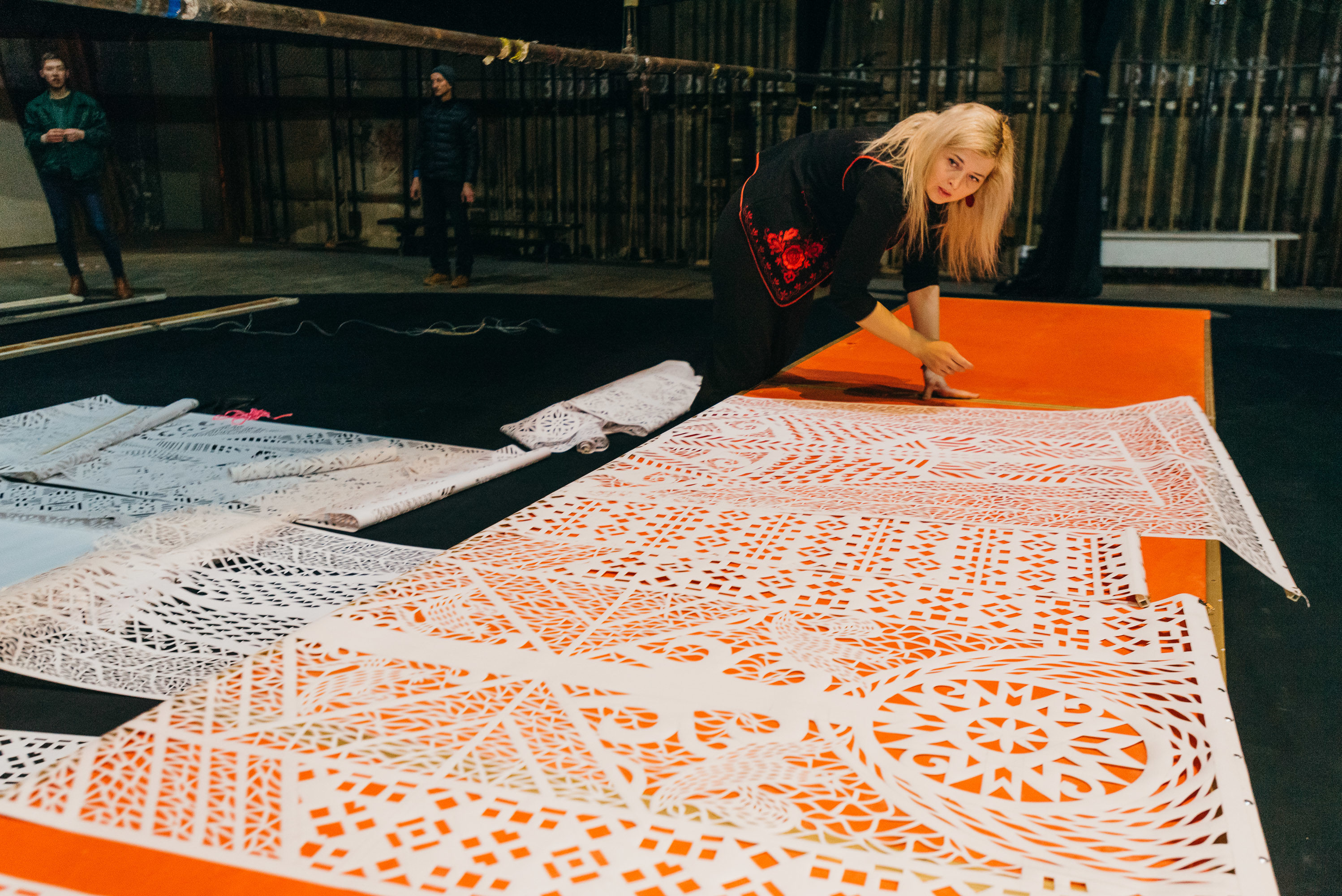
Daria not only creates vytynanky for decoration (in the form of a lamp, curtains, pictures).
Daria’s Vytynanka is also depicted on the cover of a Ukrainian translation of a Brazil writer Jorge Amado’s book Dona Flor and Her Two Husbands. She also made a paper installation for Cartier in Ukraine. “It was a great collaboration. I was inspired by old famous jewels of the brand,” she says.
Experts don’t agree upon the origin and functional usage of vytynanky. For Daria, as for a person who creates new patterns, vytynanka is a “universe thing, it can be used in different ways. My family, who lived in the Podillia historical region (central Ukraine) used it as a quick fit-out of the house, in the first place, also as a kind of art which enabled them to realize their art ideas.”
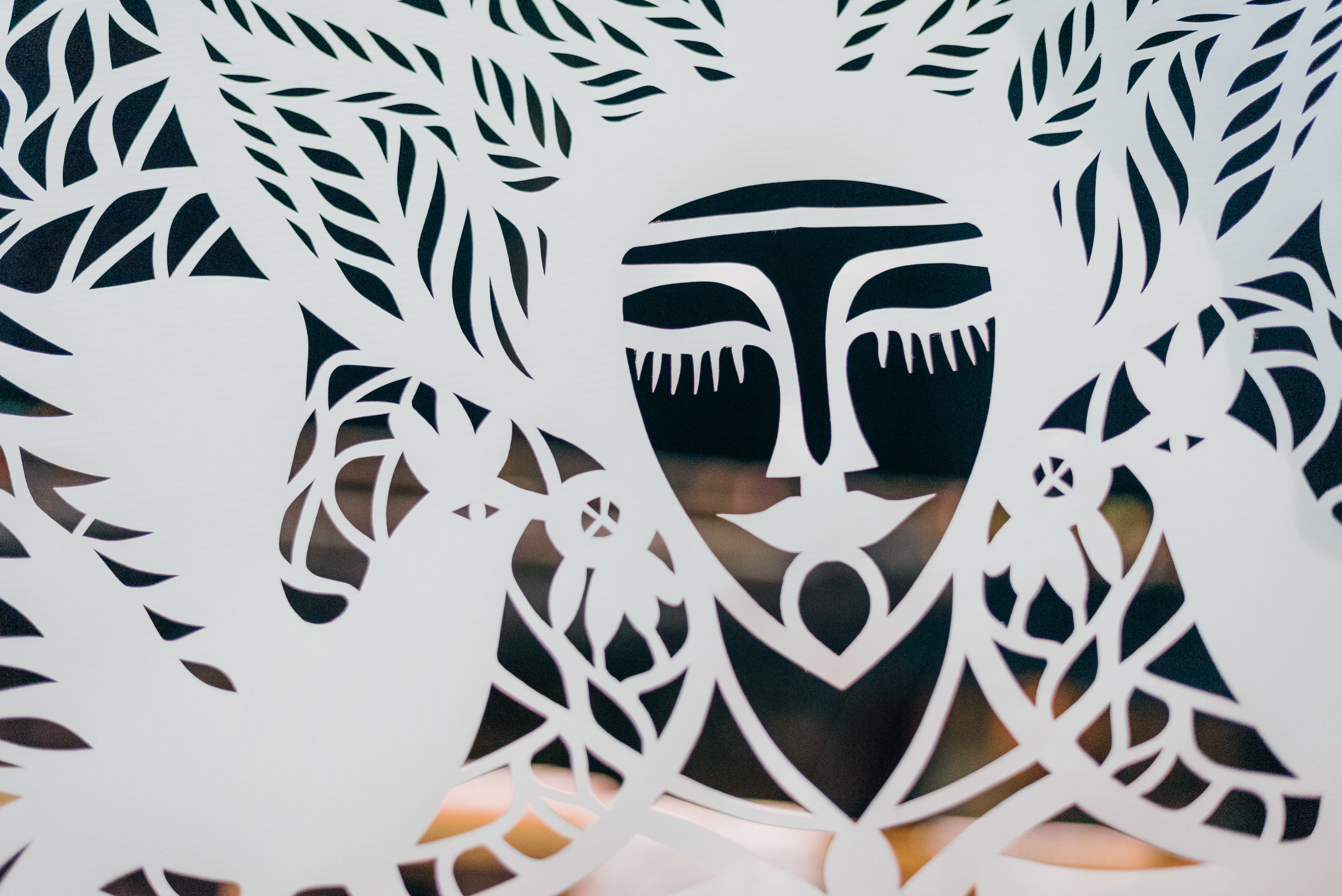
These were Daria’s parents who taught her to create vytynanky when she was a child. She doesn’t remember her first vytynanka, she smiles and tries recalling it – most likely, it was a snowflake. Daria was trying new papercutting techniques until she developed her own method.
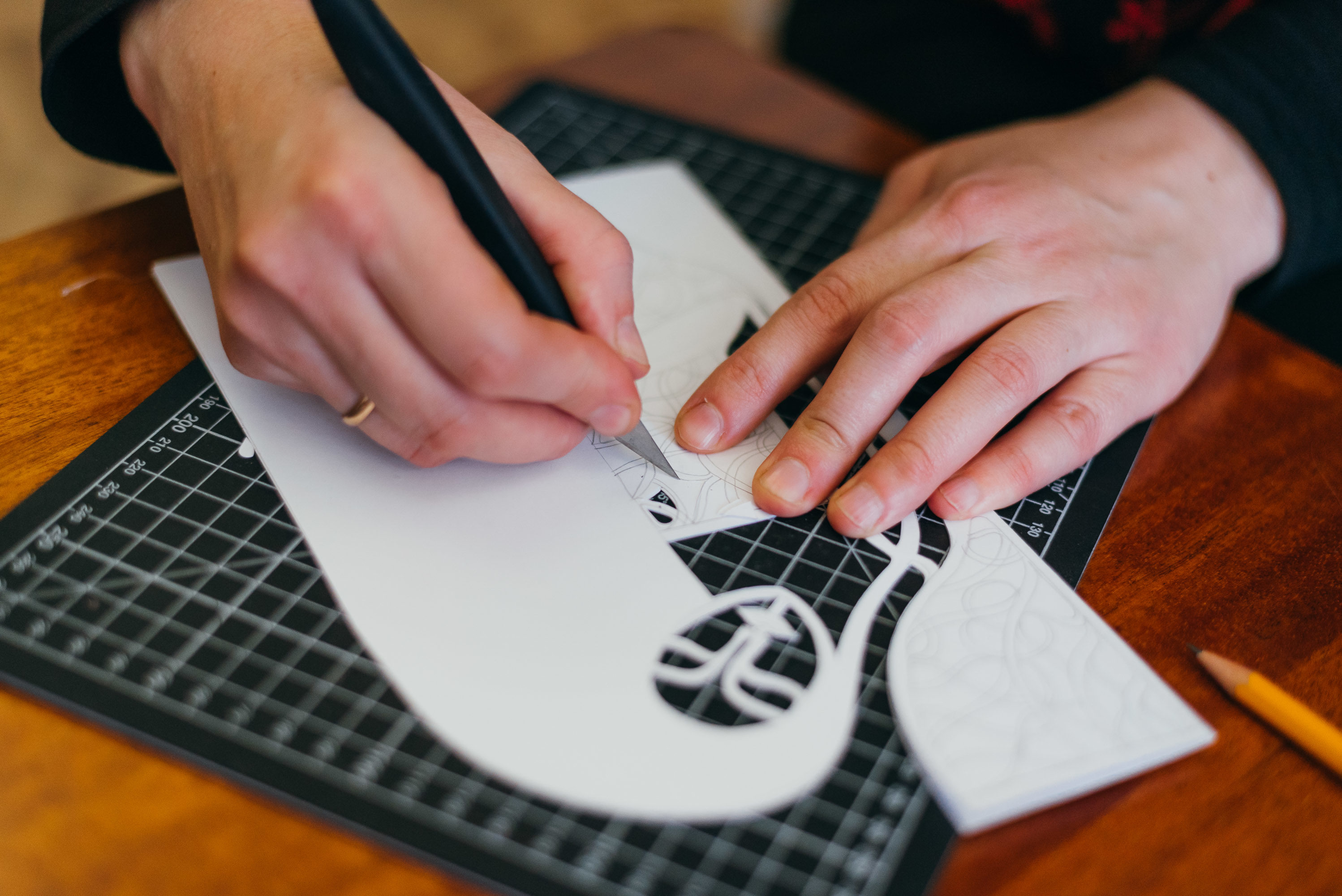
Daria uses a traditional scheme of folding paper – then vytynanky are symmetric. She chooses a solid paper with a basis weight starting from 160 gram to make a firm vytynanka which won’t spoil soon. Daria is constantly experimenting with other materials, synthetics one or fabrics. One vytynanka takes from three to five days to make it. A small one takes 2-3 hours. Daria reckons that the most responsible part about making a vytynanka is to make a fine one. You can see the process of vytynanky making in videos in Daria’s social networks.
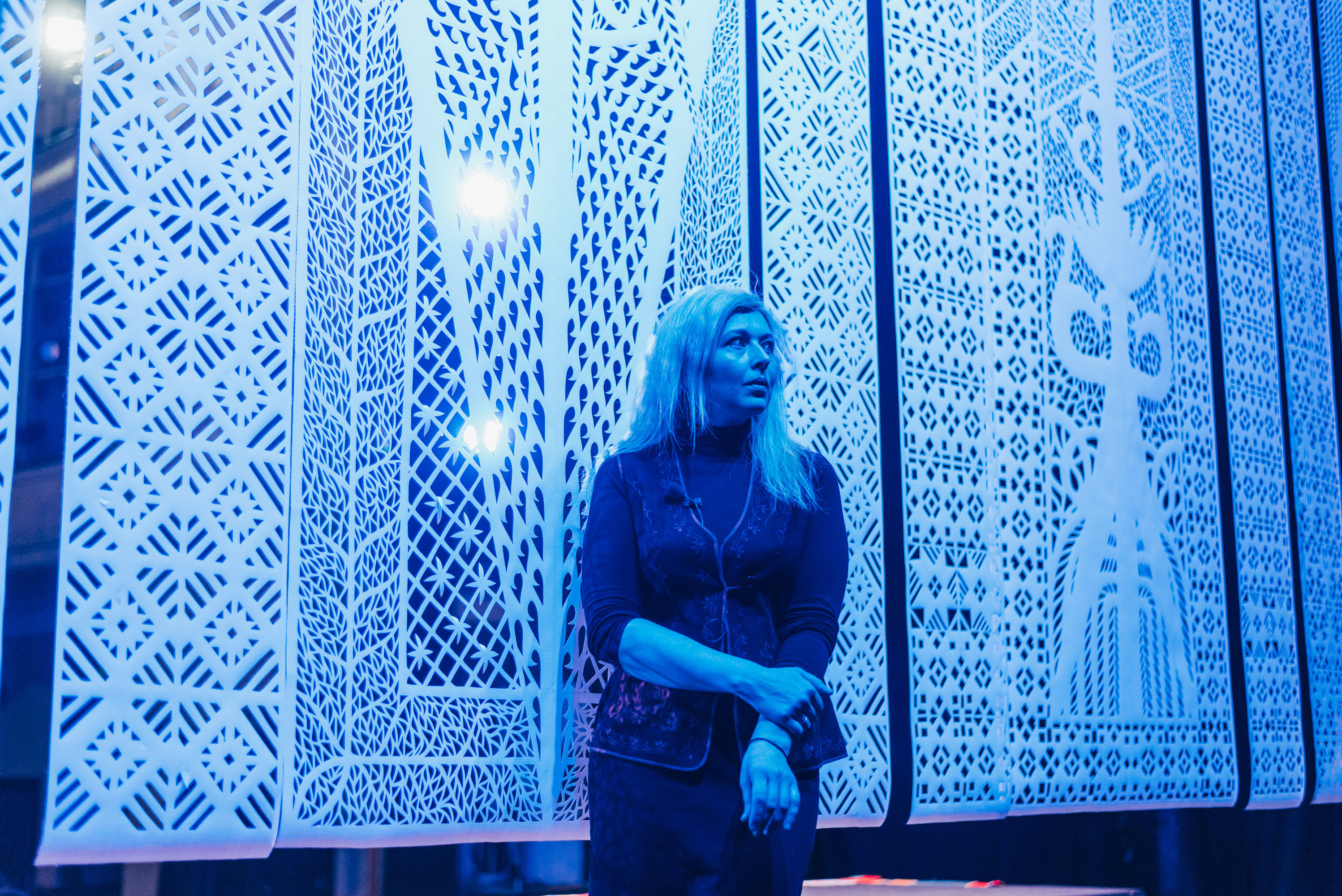
The hobby gradually became her job and rescued “the art in 10-year-old maternity leave” when Daria was bringing up three children. “At first, I was just working because it was comfortable to do it at home and look after the children, then I started to get orders, I saw the demand – I began developing it harder,” she says.
The sculpture took a backseat. Daria says, “The children led me to vytynanky, I think whatever happens happens for the best. But I will go into sculpture again one day.”
Daria was inspired by vytynanky of her parents, foremost, and of other artists: Mykola Telizhenko, Andrii Pushkariov, Olena Turianska. She was also influenced by a statement of Mykhailo Stankevych, a researcher. He said that vytynannia as art is dying in Ukraine. “It pushed me to work on it even harder and do it in a modern way,” Daria says.
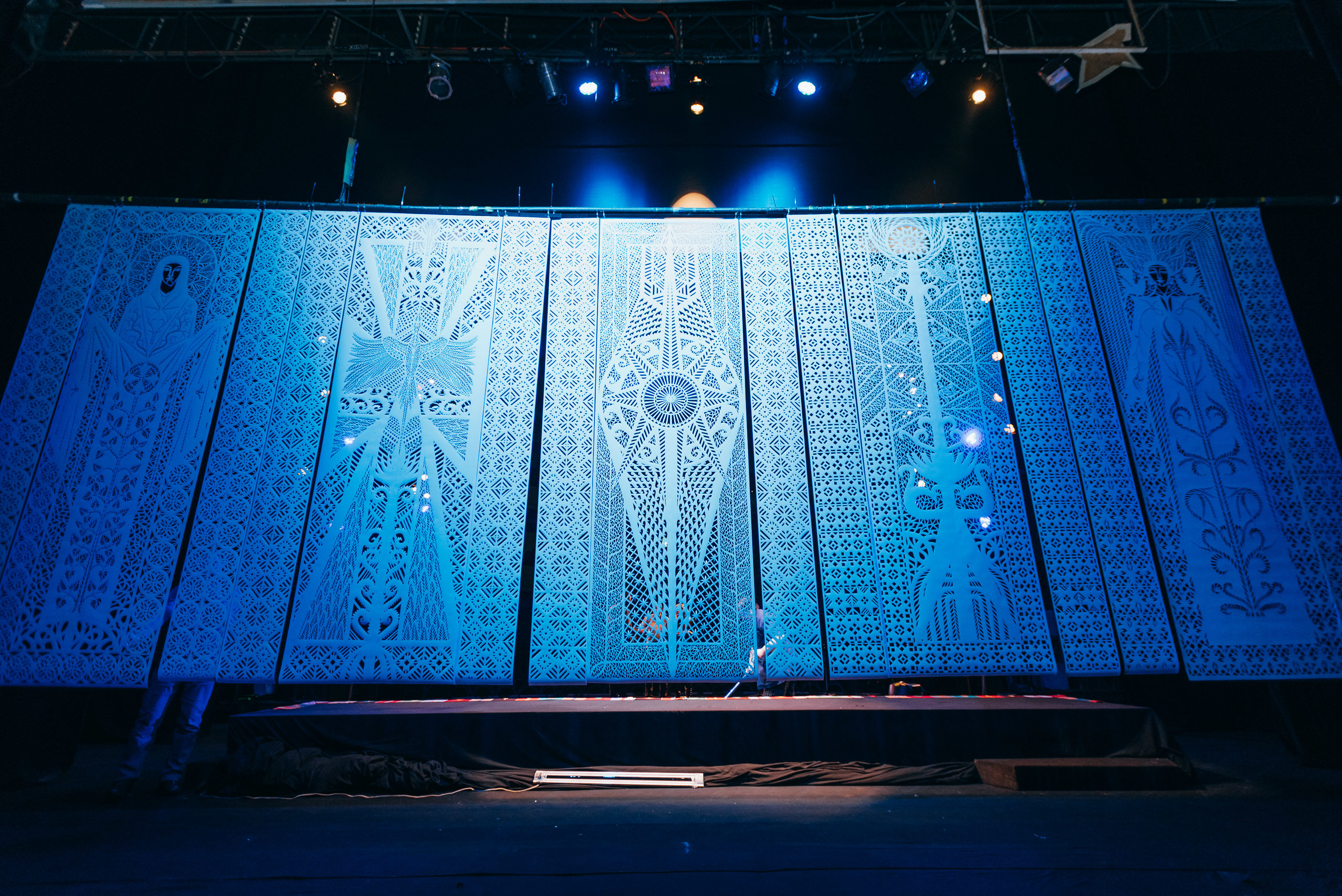
One of the first professional vytynanka was a colourful 2010 piece called Sun Worshipers. Daria likes to make colourful vytynanky. It is common for her early and small works. Colour Studies Classes and her own taste let her choose colours according to a plot depicted on a vytynanka. There are white, black, purple, green vytynanky.
There are plants, animals, people depicted on them. There are many vytynanky in the form of a circle. Daria transformed them into hand fans for her mysterious woman photo session.
There are different interpretations of these images. Daria believes that it is crucial for a symbol to have a positive meaning and visualization. Some viewers look for a certain sense of a vytynanka’s composition, think of what is depicted. Daria thinks that a vytynanka “should be emotionally pleasant, in the first place – for me, it has a story which people can interpret in different ways.”
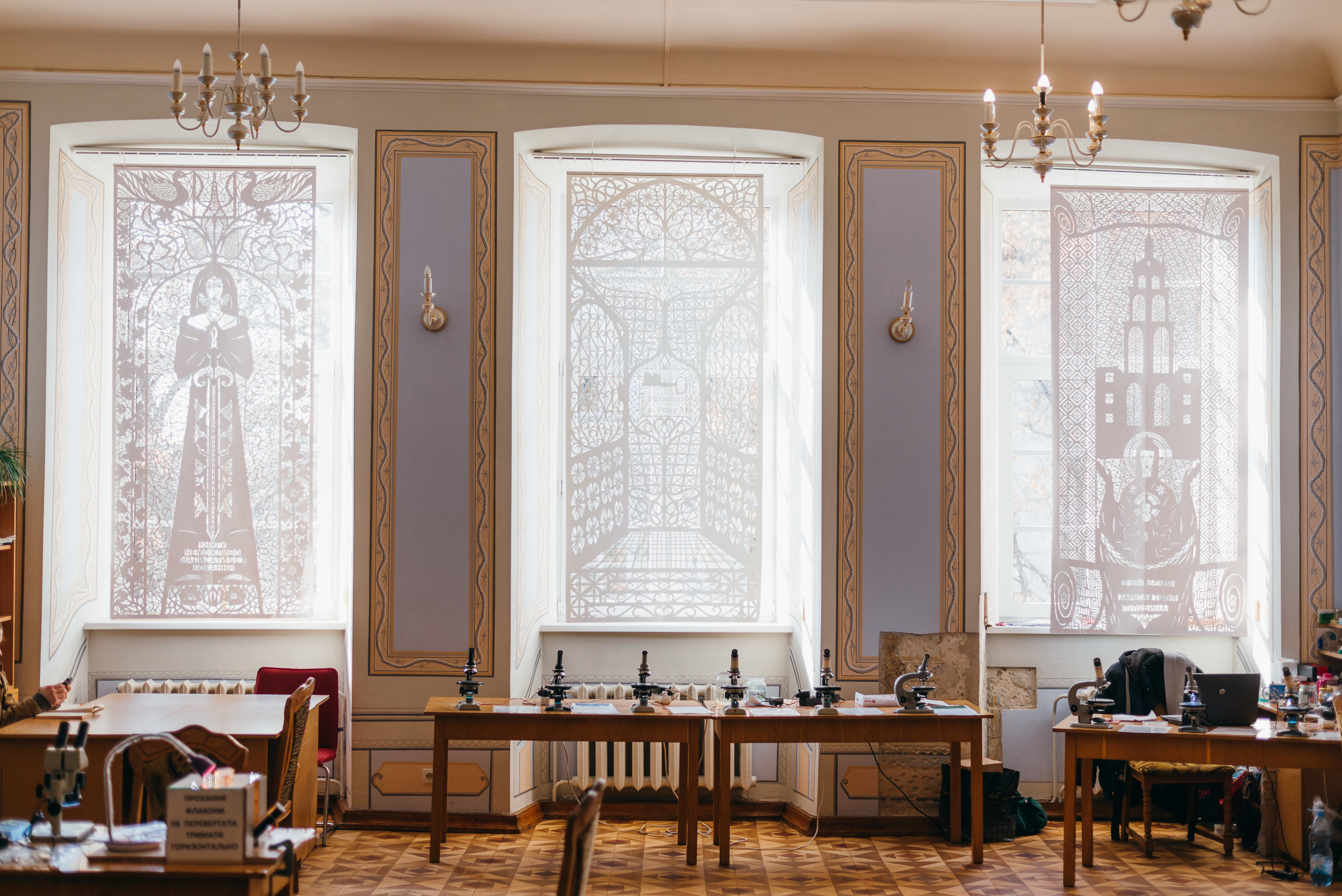
Choosing a theme and composition of a vytynanka, Daria focuses on a theme of the order, “if it is a creative work – I should find some great idea. Or I can make up a title at first or even sometimes a small verse.”
When Daria was working as a director in the Lviv Dyv Shadow Show, she used vytynanky in almost every play. Their dancing shadows were hypnotizing. Vytynanky are a part of the decoration of actors’ costumes (a butterfly’s wings, a crown etc.) Vytynanky were used as decoration in a play Green Gospel based on Bohdan-Ihor Antonych, directed by Yevhen Hudzyk. Such decorations caught people’s attention and helped the audience focus on the sense of poems. Vytynanky are also used in actors’ hats of the Lviv Kurbas Band, which is now travelling around the world and introducing Ukrainian musical traditions to other countries.
Daria realizes her ideas in vytynannia, sculpture and theatre. She is going to hold several exhibitions overseas. Daria hopes that her art will once let her earn enough money to open her own space which will give her new opportunities she can’t have in a small room she is working in now. To make this dream come true, Daria works hard trying to catch up with a crazy rhythm of modern life – “inspiration comes not only when you are able to work. That’s why I work with it according to the plan and on a daily basis. According to a timetable. I have to push myself,” she says.
Daria Alioshkina’s art is a great example of respect to Ukrainian art, attempts to update it and make it popular around the world. Vytynanka becomes not only a piece of decoration but a push for developing different kinds of modern art.
Text by Olena Skalatska
Photo by Mykola Tys