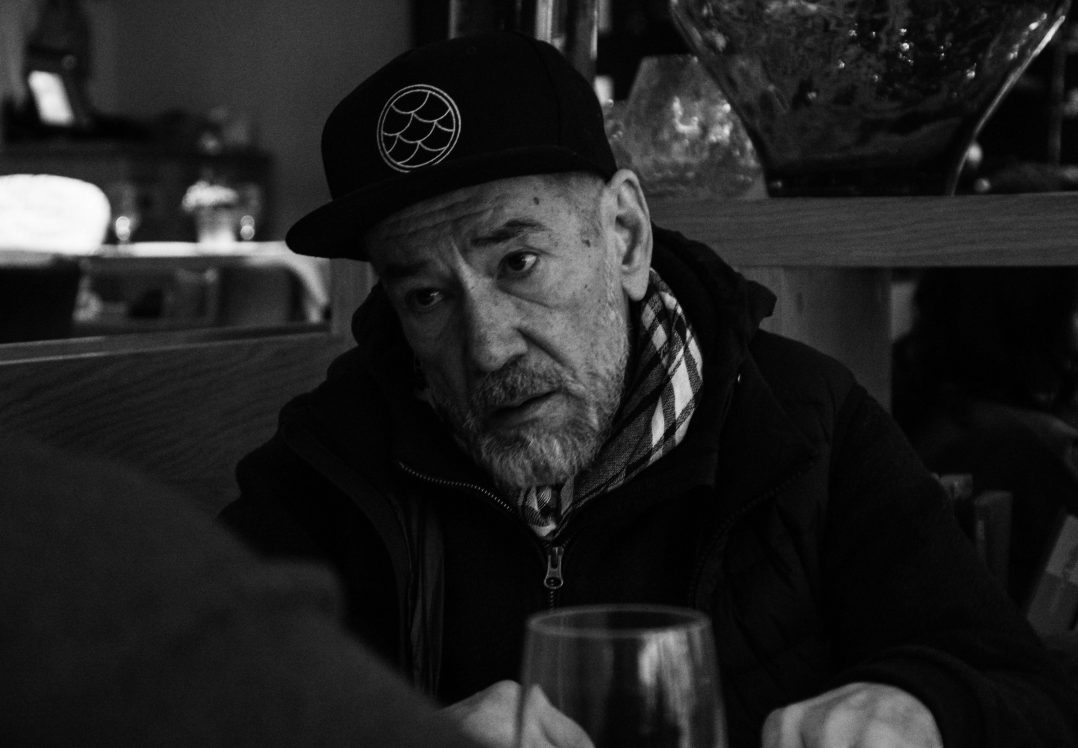


Oleksiy Horbunov is a true People’s Artist who is known and admired in Ukraine. He has played almost 150 roles in films, about a dozen at the theatre and hundreds of concerts with Hrust Pilota band (Pilot’s Grief).
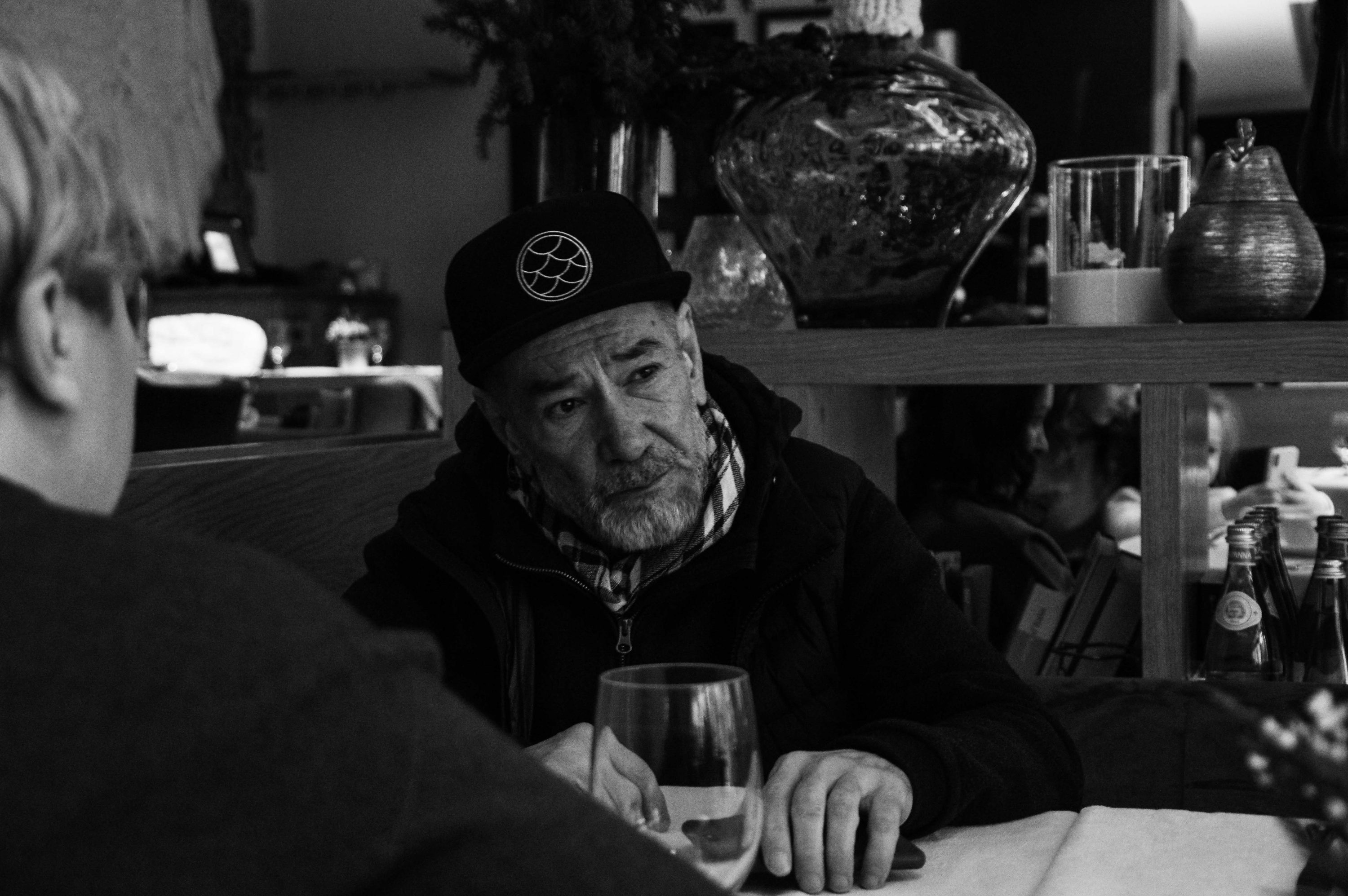
He has lived in Kyiv all his life, however, he worked and based in Moscow for some time, but he came back to Ukraine five years ago. Now, he lives in fact in two cities: his family and home are in one of them – which situated by the Black Sea, meanwhile, his friends and business are in the capital; as for concerts and films shoots, they take place all around the country. He has rejected attractive offers from Russian directors for five years. He has been dreaming about the new Ukrainian cinematography for five years.
During the interview, Oleksiy changed the language when started to speak emotionally, he mentioned his teachers with gratitude, Kostiantyn Stepankov in particular, as well as colleagues he played with together. He was excited to tell about young people which inspired him, cited Lina Kostenko (famous Ukrainian poet) whom he admires. It was kind of a monologue of the actor who cares.
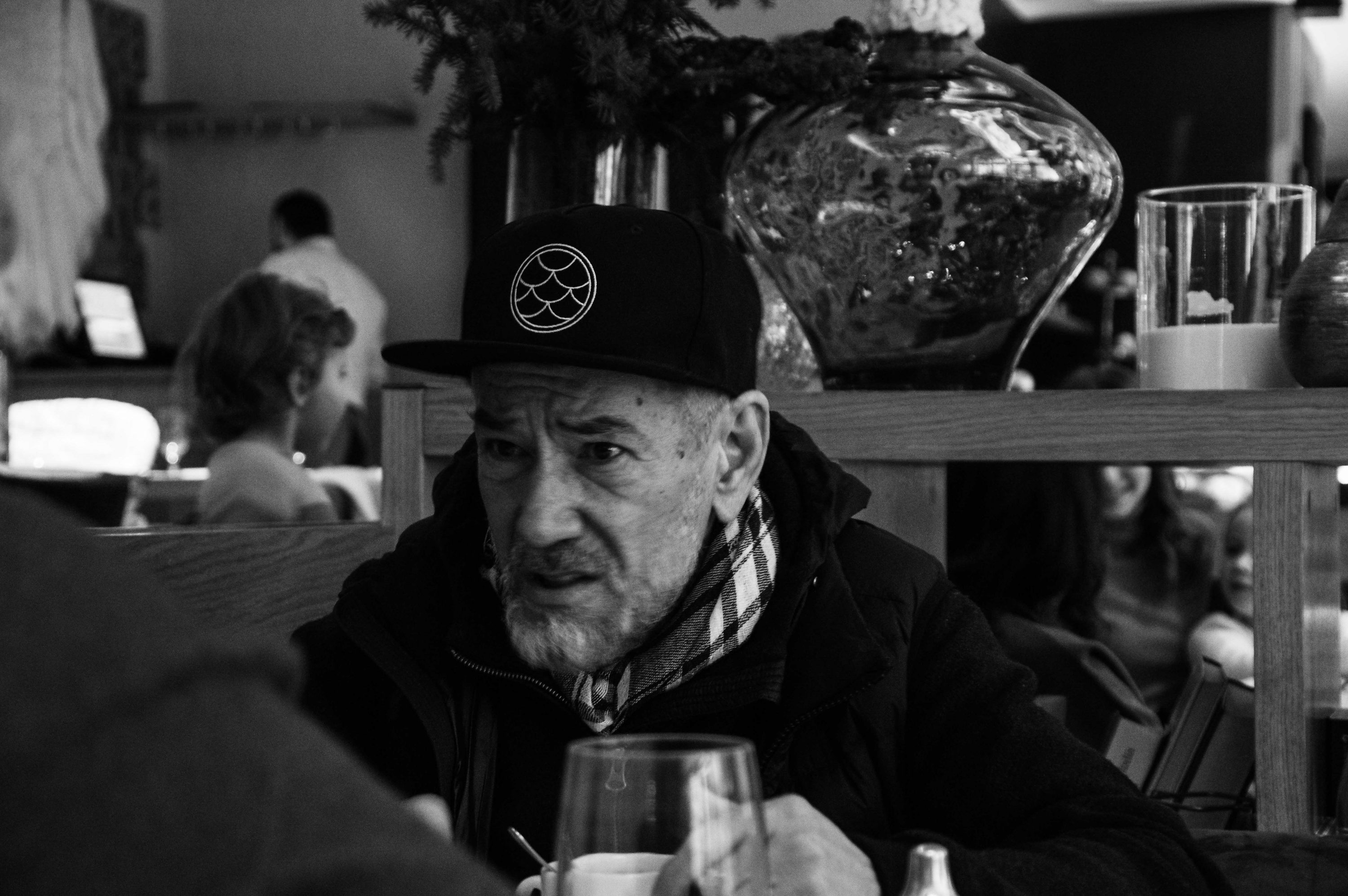
I have remembered myself since 4-5 years, like all children. I remember how Rusanivka was being built, the district where I lived. We moved there when I was five. Builders were constantly boiling tar in barrels in our yard, its bubbles were hypnotizing me. We, children, were taking sticks and dipping them into the boiling tar, spinning it over sticks, and it got rock-hard. That’s how we made kind of maces to play with. Elder children showed how to use them in fights. One day, tar dropped on my hand. I still remember it… So I do remember the neighborhood, adult guys…
When I saw these barrels on Euromaidan, they reminded me of my childhood, everything seemed so connective.
I grew up in the block: a child from the streets. Despite the fact that my parents were educated people: father was a design engineer, communist, he was a very responsible man; mother was a technician engineer. Father was originally from Siberia, Altai (all his family now lives there), mother was from Donbas, coal miners’ family, all her relatives who lived there died, even the cousin.
My grandfather was a coal miner, he was buried in the town of Perevalsk. It is a small miners’ town in the Luhansk region. By the way, I spent part of my childhood there. I remember that I came there quite often – when I was four, five, six years old.
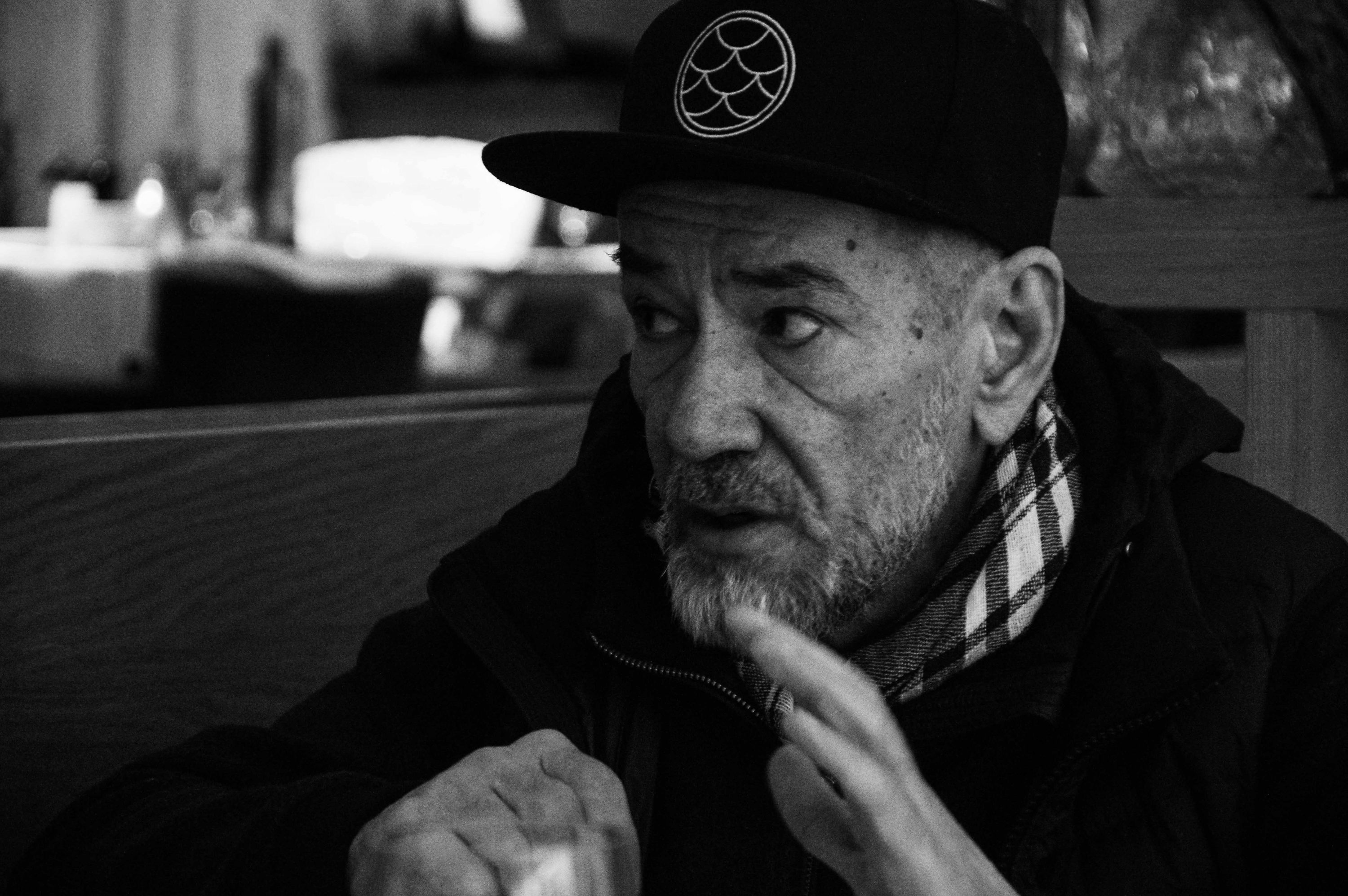
My grandfather died before I was born. I remember my uncle Zhora, he was a coal miner. When I was a child, I always wondered why miners had makeup on their eyes. One day, I just asked my grandmother, she answered that it wasn’t makeup, it was dust which couldn’t be washed off anymore. My uncle Zhora had black-black lines around his eyes.
I also remember spoil tips, how we were running and playing behind them. My grandmother had a detached house. During the Second World War, Germans placed this house. My mother told me that when she was three years old, Germans we reliving there. And one German gave her a piece of chocolate. My grandmother, my mom, and my three aunts were living in a shed while Germans were damaging grandmother’s house. I remember that shed, my brother and I were hiding there when we played. It was often hot there, spoil tips gave a specific smell. I can smell it as soon as I get in the Kyiv-Voroshylovhrad train (Voroshylovhrad is the old name of Luhansk). This name has been mystical for me since childhood – Vo-ro-shy-lov-hrad (he dwells delightedly on a word – ED).
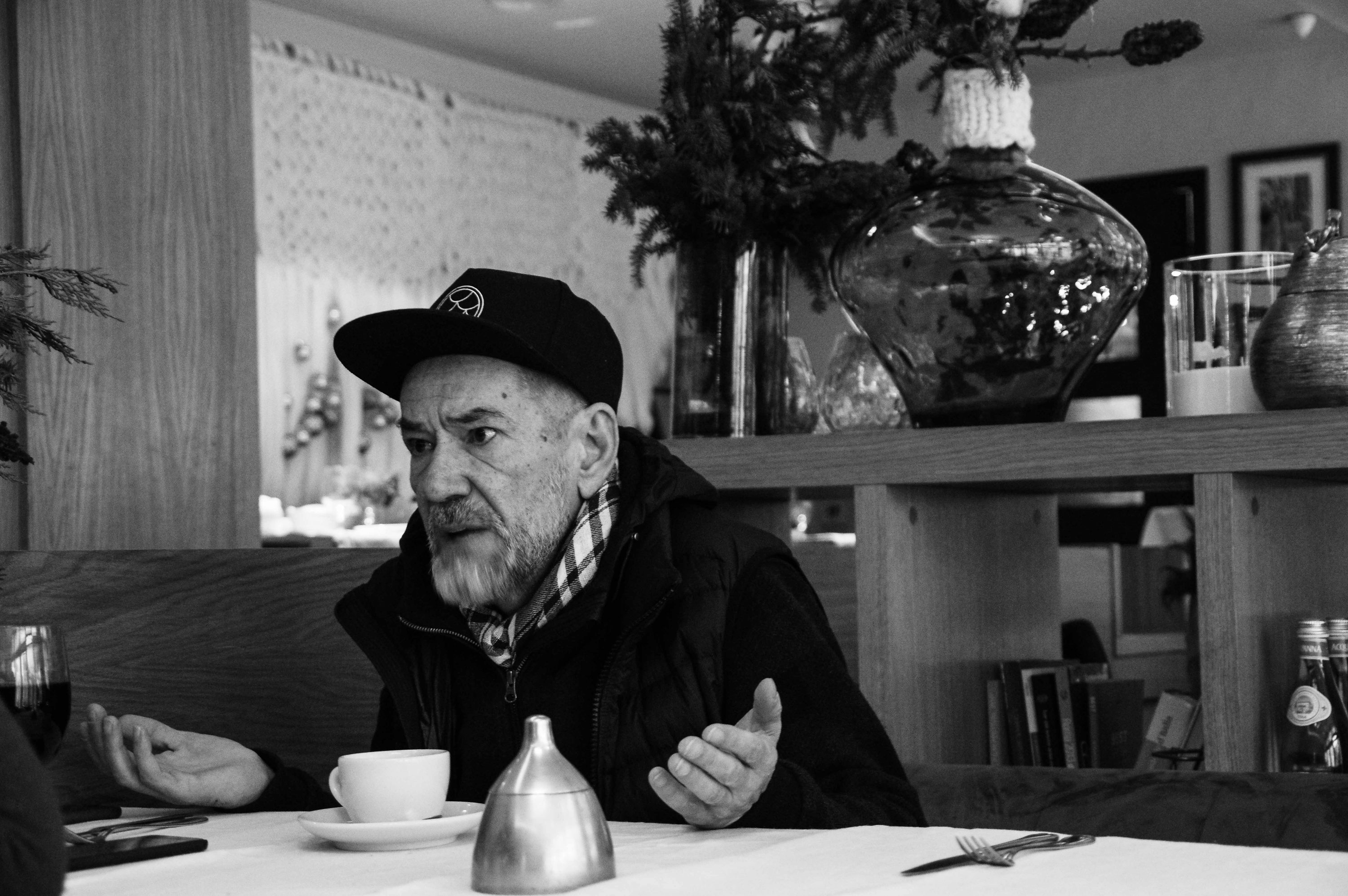
I wish they didn’t change the film title (The Wild Fields film – a film version of Serhii Zhadan’s novel Voroshylovhrad – ED). I think that this is one of few Ukrainian films, as well as Black Level by Vasyanovych, which are well-made and can be shown overseas.
As for the title, I was totally against the change. I told Yaroslav Ladyhin, a director, that we couldn’t name the film The Wild Fields because the Odesa Dovzhenko Film Studio has already shot the film The Wild Fields, so has Russia. So why? It is because they don’t know the cinema history: they don’t know what has been shot before them. Why not leave the title Voroshylovhrad? The sense is encrypted in it! It is very silly to be afraid of Soviet toponyms so much and reject a unique faithful title only because it originates from Soviet times.
I can’t get it why Zhadan as the author didn’t insist on leaving Voroshylovhrad as the title.
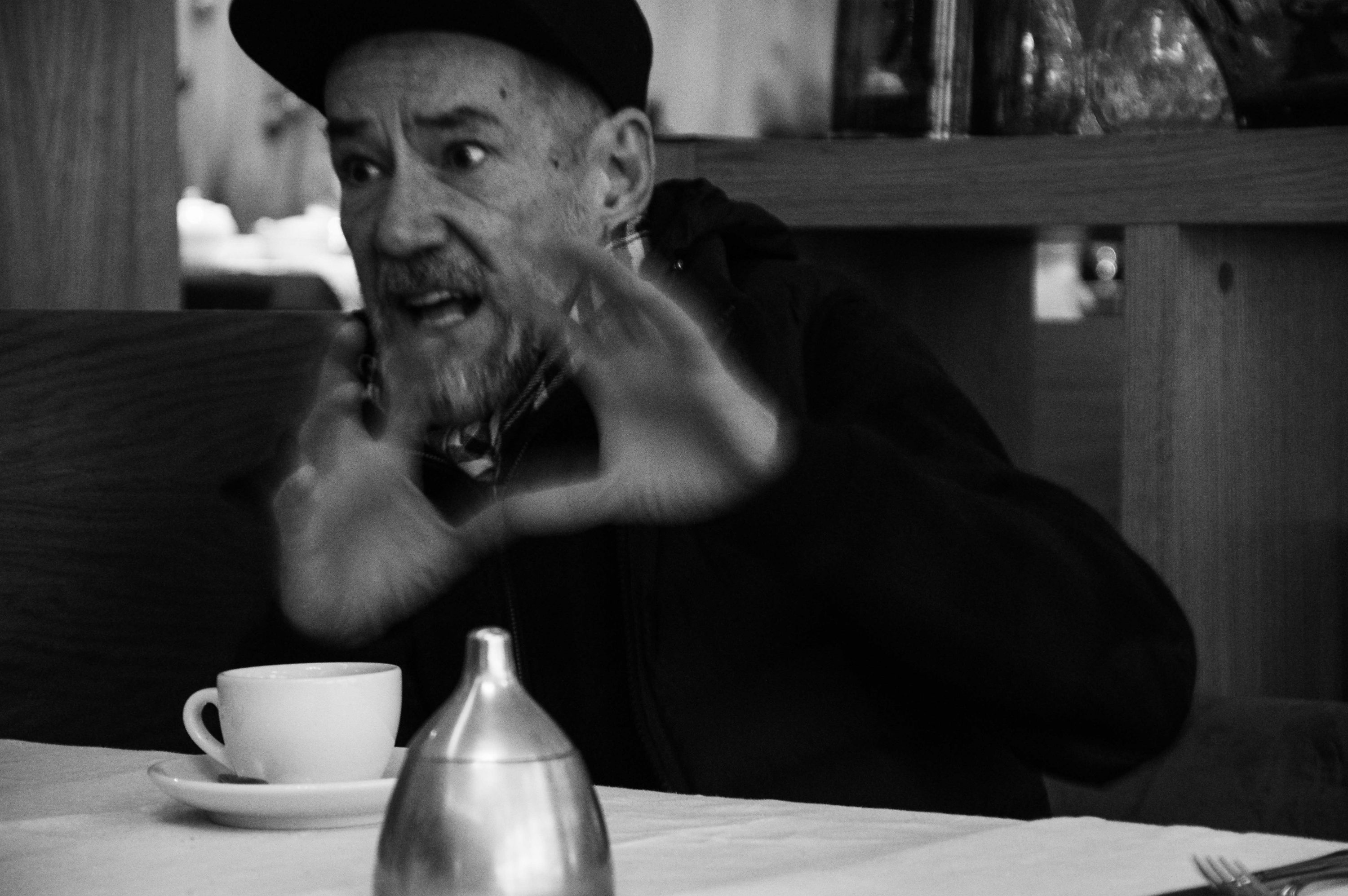
We have many talented directors, but they are unknown, many of them are not involved in big film projects – it is a problem. For example, a great Andrii Kavun has had no work for four years. He shot such films as Kandagar, Piranha, Sherlock Holmes. I acted in all his films. The Cadets is the best war film I have acted in. And he doesn’t shoot now! All talented and famous commanders (this is how Oleksiy calls directors – ED are jobless). Many talented and strong young people appeared but they can’t force their way through. It is the answer to all the questions about new Ukrainian cinematography. You can’t do it in boxing, it’s like being in a goldfish bowl: when you get in the ring – the whole world sees who is who. But as for cinema, people think that any Joe Schmoe can make a film. And before that, he would share the money the state gave to make the film with his friend. That’s why, in my opinion, we have only four-five good films shot during this time. And where are the rest 75 films which have been financed?
It hurts! These are all nails in my heart! I am 57: I don’t have much time! I can’t waste my years: five years for this, five years for that. I can’t wait and do nothing! I just can’t!
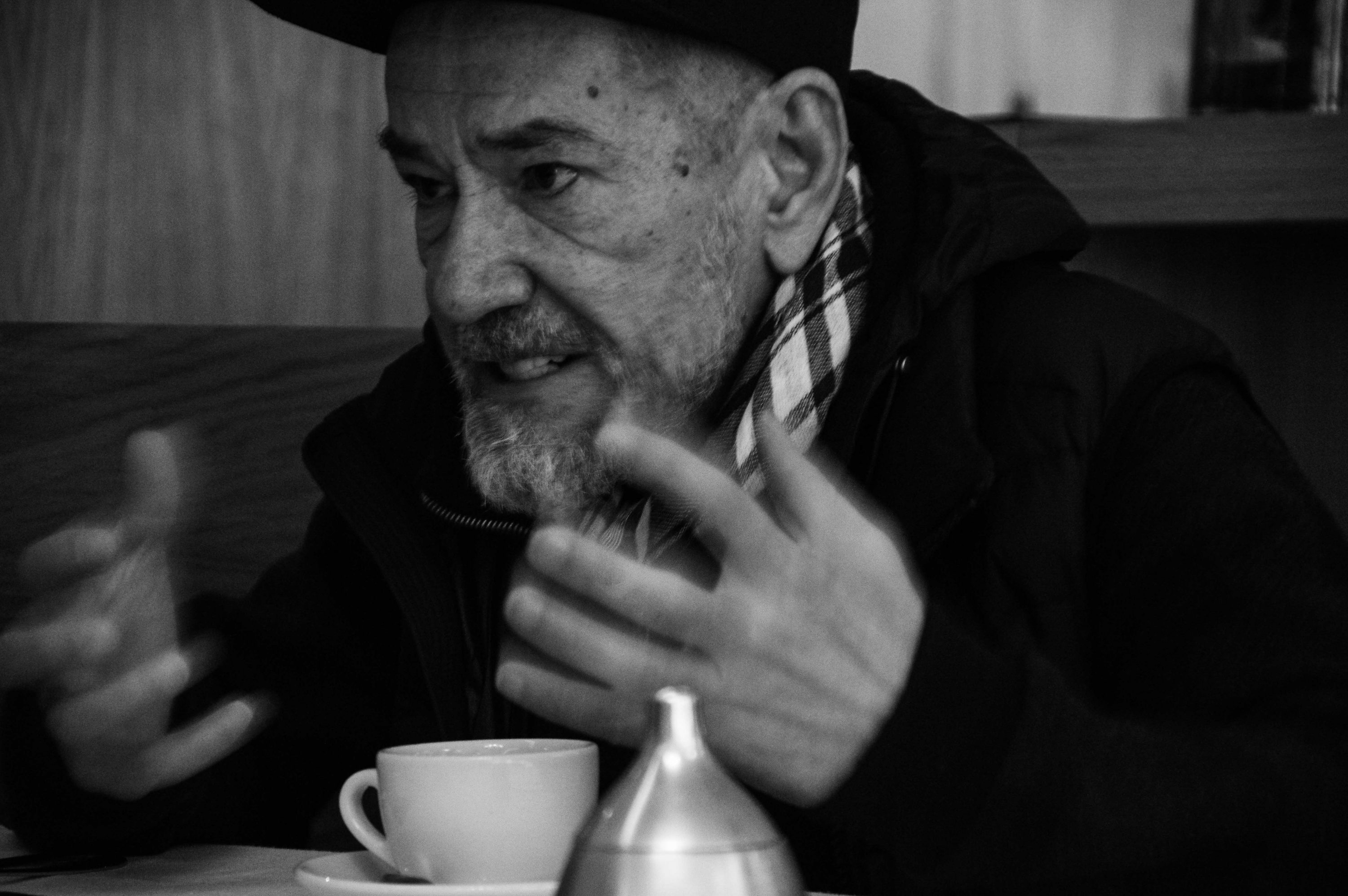
I have recently received a powerful script of a war short film. I got angry at once, “Will you give it a rest? I can’t read about the war anymore.” I have read about five such scripts lately. Some of them were OK, but others were total propaganda. So, this script of a short film was written by Cristian Jereghi (a member of Babylon’13 – a cinematography group – ED). He was born in Moscow. His father is a famous Moldavian director (Valeriu Jereghi – ED). After he graduated from the Moscow University of Cinematography, he came to the Euromaidan in 2013. He was filming everything with his student camera. This man embraced the events so wholeheartedly that he stayed here. This is a new generation. He was born in Moscow, but he lives and works in Ukraine. He was at the war for two years and wrote a really great script after that. He is also a director, he shot many documentary films. He has chronography, interviews, portraits and sketches connected with the war.
I have seen here many people who left everything in Europe, in Moscow, in the USA. Each of us came to work for Ukraine for different reasons: some wanted to boost the economy, others – to shoot films and make a new theatre and show it to the world. We see how it ended.
I have recently acted in the fourth season of a spy TV show The Bureau. Eric Rochan, a director, invited me. Mathieu Kassovitz plays the lead role. I played a FSB colonel called Karlov. I recommend everybody to watch it. It is a good TV Show, known worldwide.
***
(starts to speak Russian)
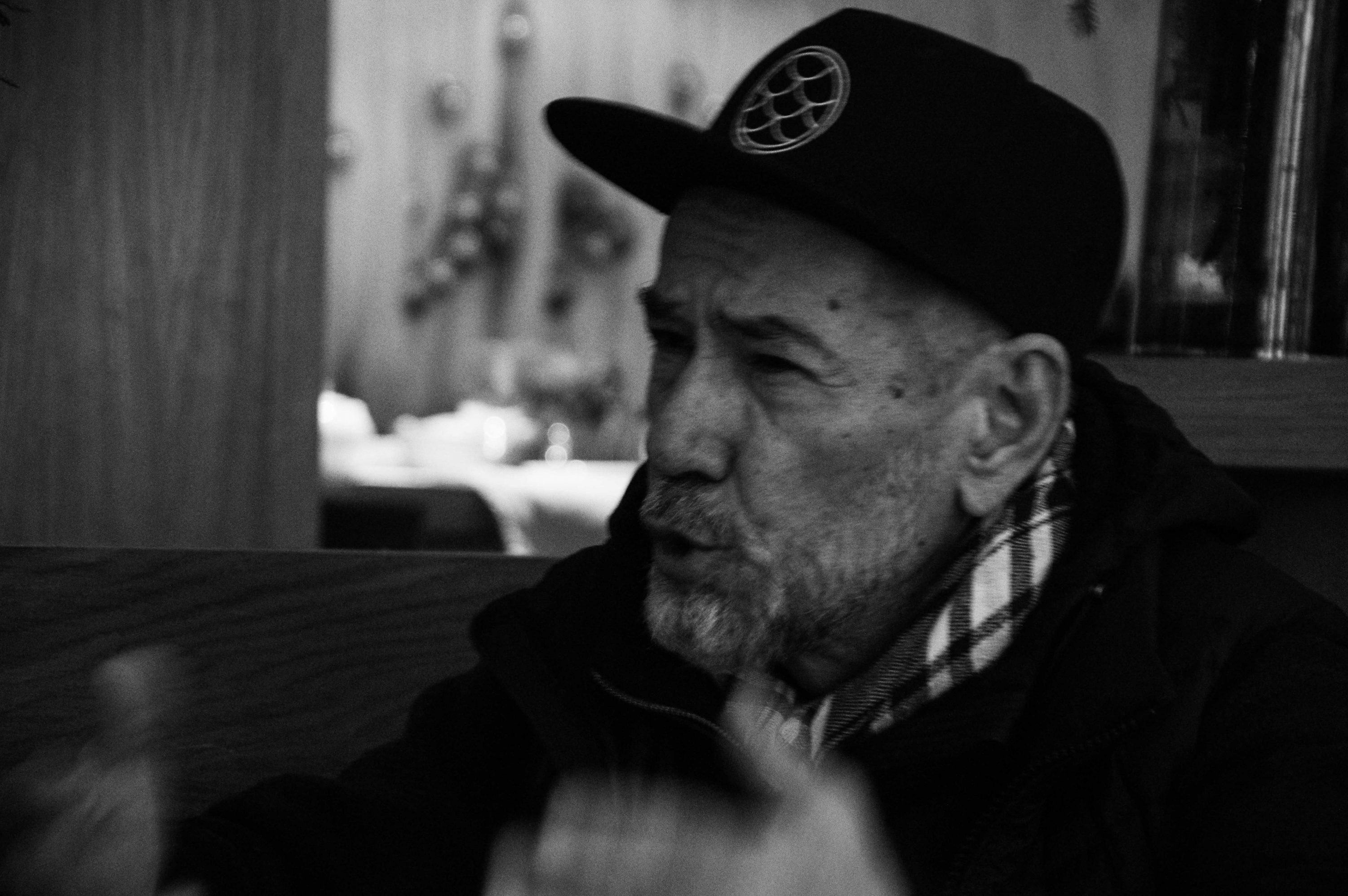
Well, today we need more love films. The good thing is that you don’t need much money to shoot such a film. I am tired of telling about that. We need to shoot only love films! People don’t want war films, they want love films. I have been offering for three years to shoot a chamber film about love between adult people. I play the lead role. The location is a small ancient Ukrainian town, for example, Mukacheve, Berehove. A woman comes for a holiday, a man comes for a holiday – they have breakfast in the hotel’s café, they start to talk…
I have recently acted in Optimus Gang (Ukrainian YouTube Channel – ED). He uses many swear words, he has millions of views. That’s how he works: a mobile phone, a shoot lasts five minutes, it is on the channel in four days, he has a million views in a week, two million – in two weeks. We shoot real films which have only up to ten thousand views in a year on YouTube. We all want this new Ukrainian cinematography, but it doesn’t exist! We should be realistic.
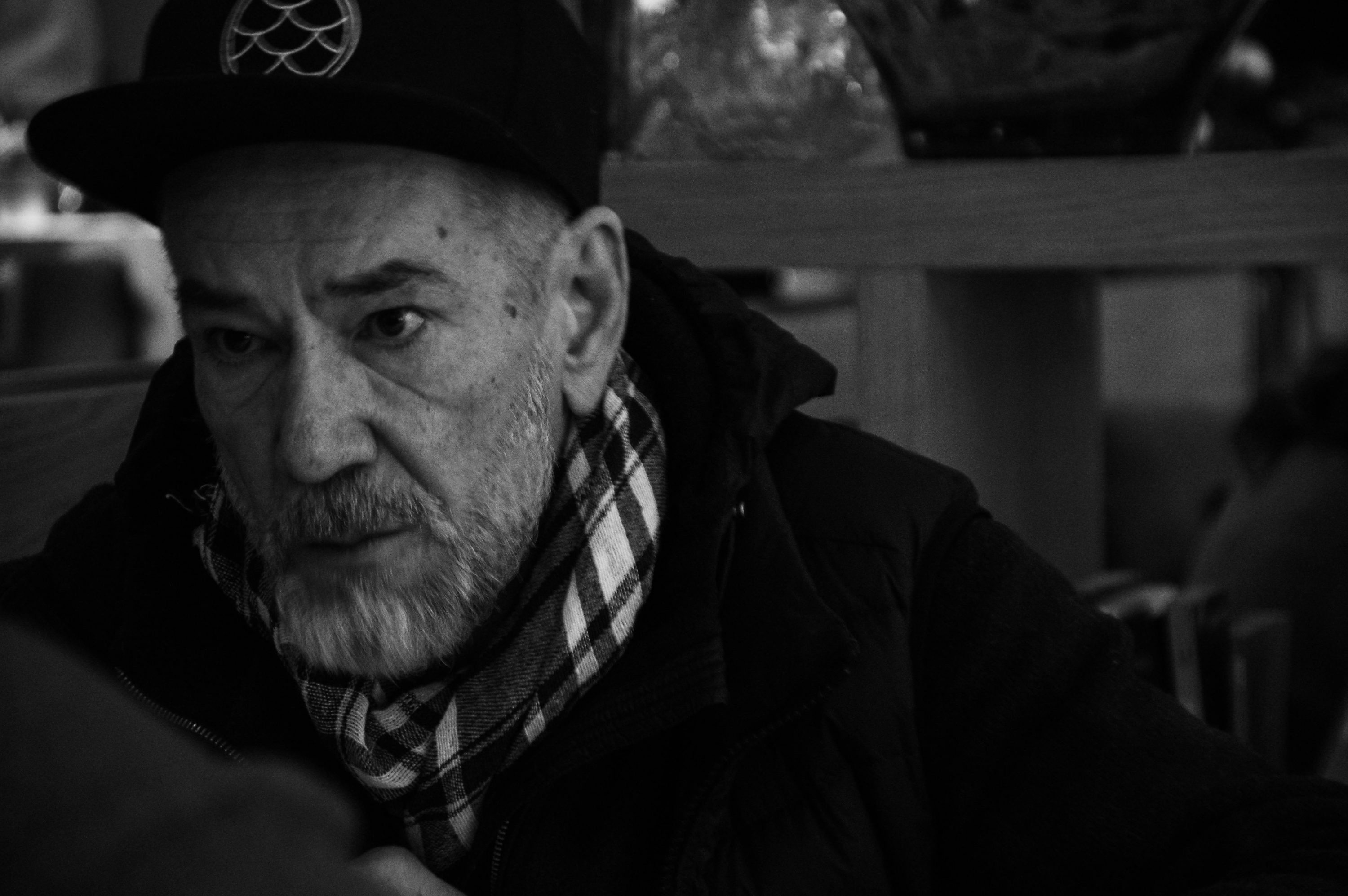
We shouldn’t damage cultural bridges as well. By no means. We mustn’t forbid masterpieces, we should appreciate them. We should watch good films and learn from good films. We should show our children the best films and plays. I am lucky, I saw Plyatt and Ranevskaya. Mironov and Papanov on the stage. I acted together with Yevstigneev and Yanovsky, they taught me simple words. I had an ingenious teacher – Kost Stepankov! And he was taught by an incredible Amvrosiy Buchma. That’s how I received the knowledge I have, a looped knowledge. But modern children don’t know them! They haven’t seen their films and plays. I wish they have.
But still, I believe only a young generation! We should do everything to help them. Then, they will do everything on their own.
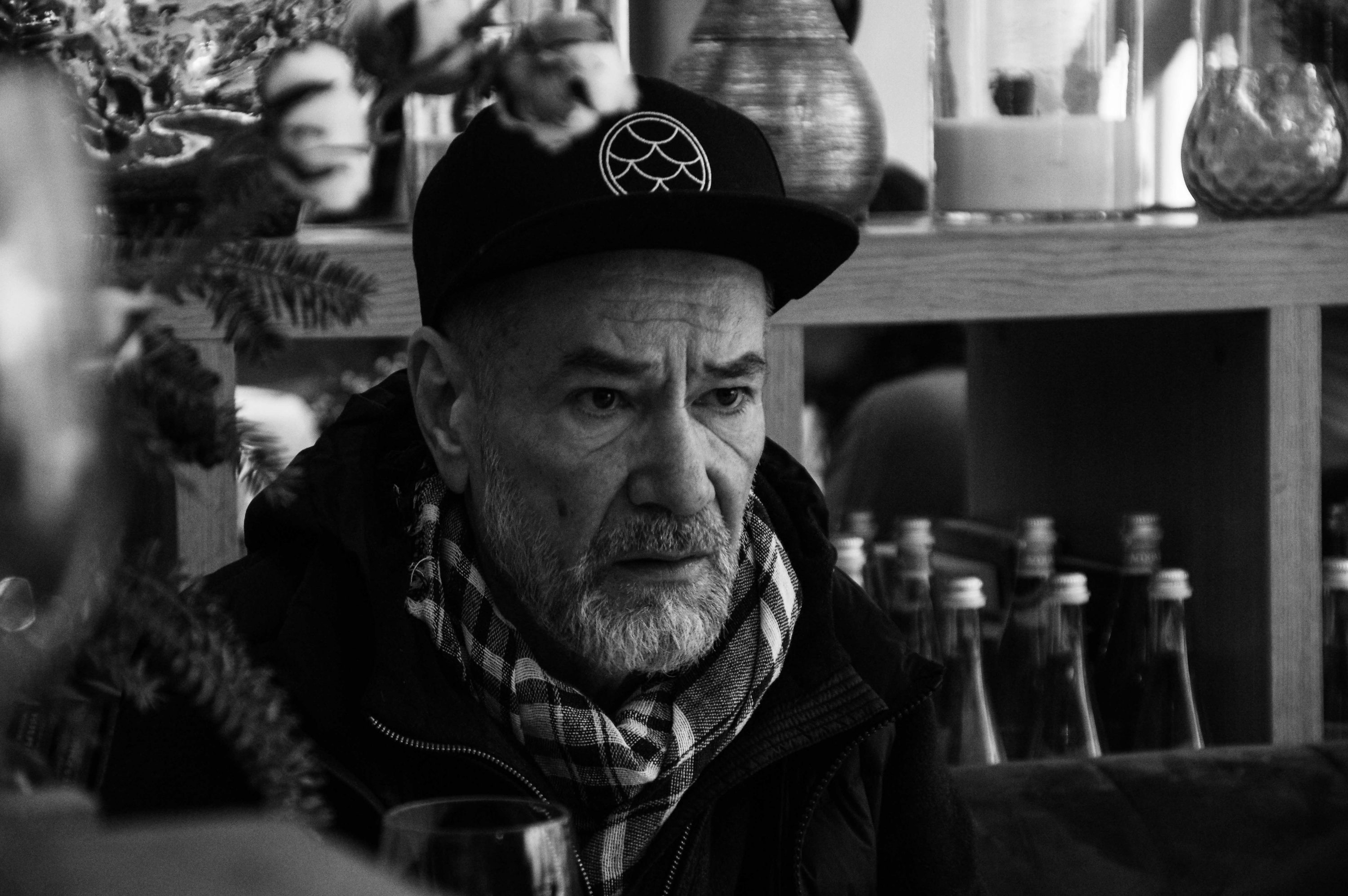
They mustn’t listen to anybody. Only to their heart. If you are a real man, you have to choose the warrior’s path. If you are a woman – you need to remember that your major weapon is tenderness. I look at my daughters, they are so independent now. If a girl had said anything in our block, we would have bullied her. But today, girls are even stronger than boys. I tell my daughter: you don’t have to be a man, tenderness is your power. You can stop a war with only a kiss or look. And men should be strong, purposive as Usik and Lomacheko (Ukrainian boxers – ED).
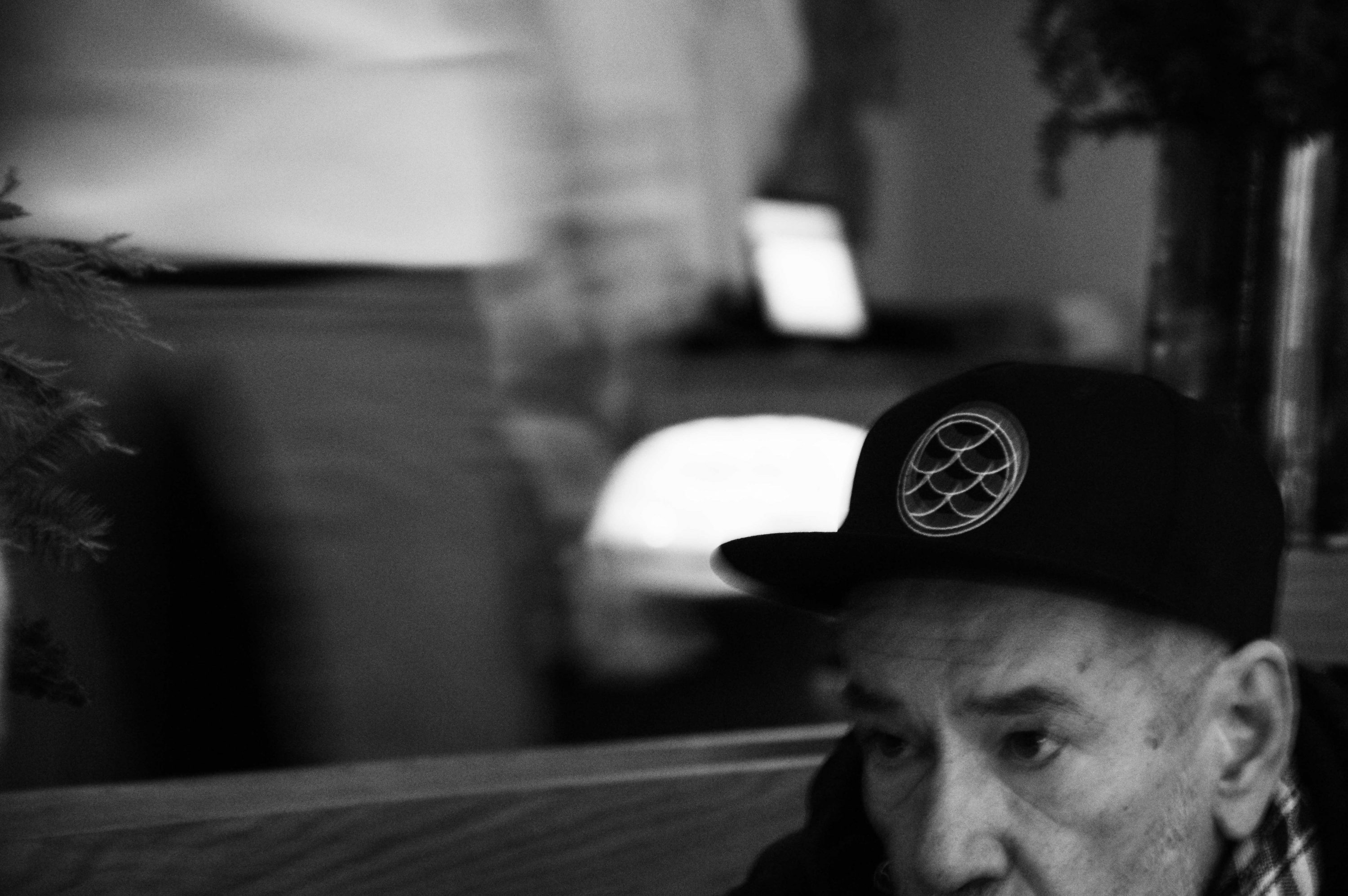
It is hard for me to say it that’s why the interview is turning into a monologue of my pain.
And in the end, I will cite my dear Lina Kostenko:
Like when minefields cling
The same in real life
I would ask for only one thing:
— Your heart is not for a knife
And if I only could
I’ll write it everywhere,
— There is no much good
Be to each other fair!
(Translated by Viktoriia Pohuliai)
Interview by Svitlana Bondar
Photo by Sasha Naselenko