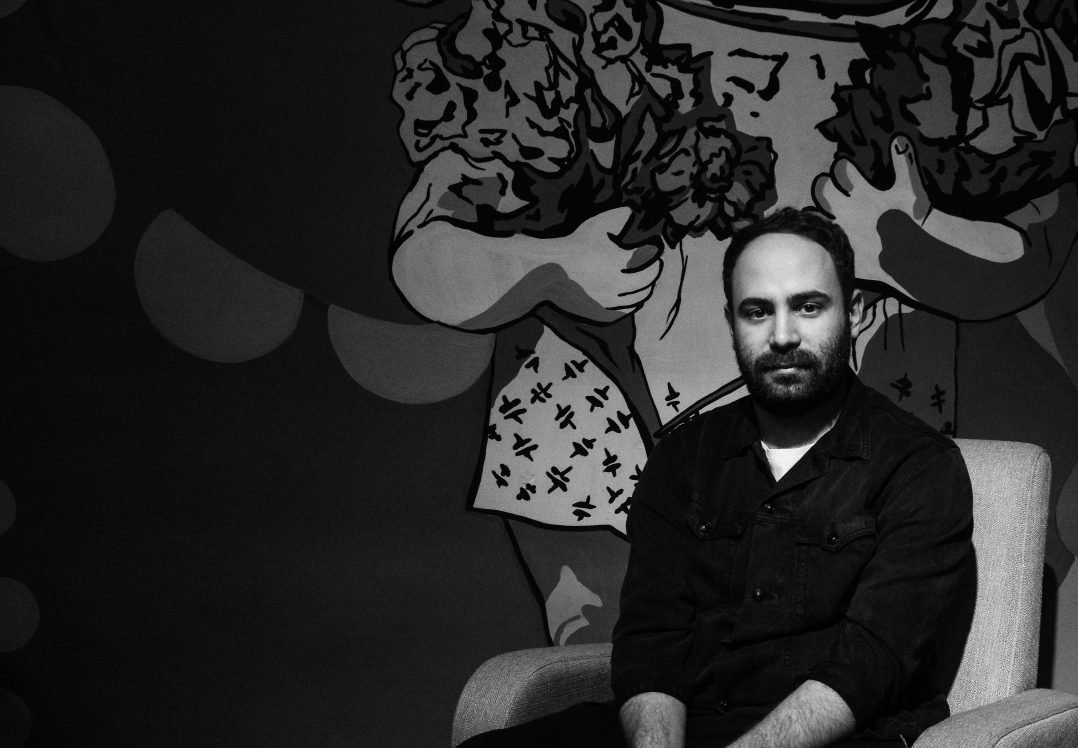


Kintsugi is an ancient Japanese art of repairing broken dishes with lacquer, mixed with either golden or silver powder. This is also a name of the debut album and single of Odesa jazz-band Pokaz Trio, released last year. Recently another presentation of this album took place in Kyiv. Band performed with a new member. Andrii Pokaz – jazzman, classical musician and a professor of music shared his thoughts on the recent album, music and his native city with us just before JazzBez music festival.
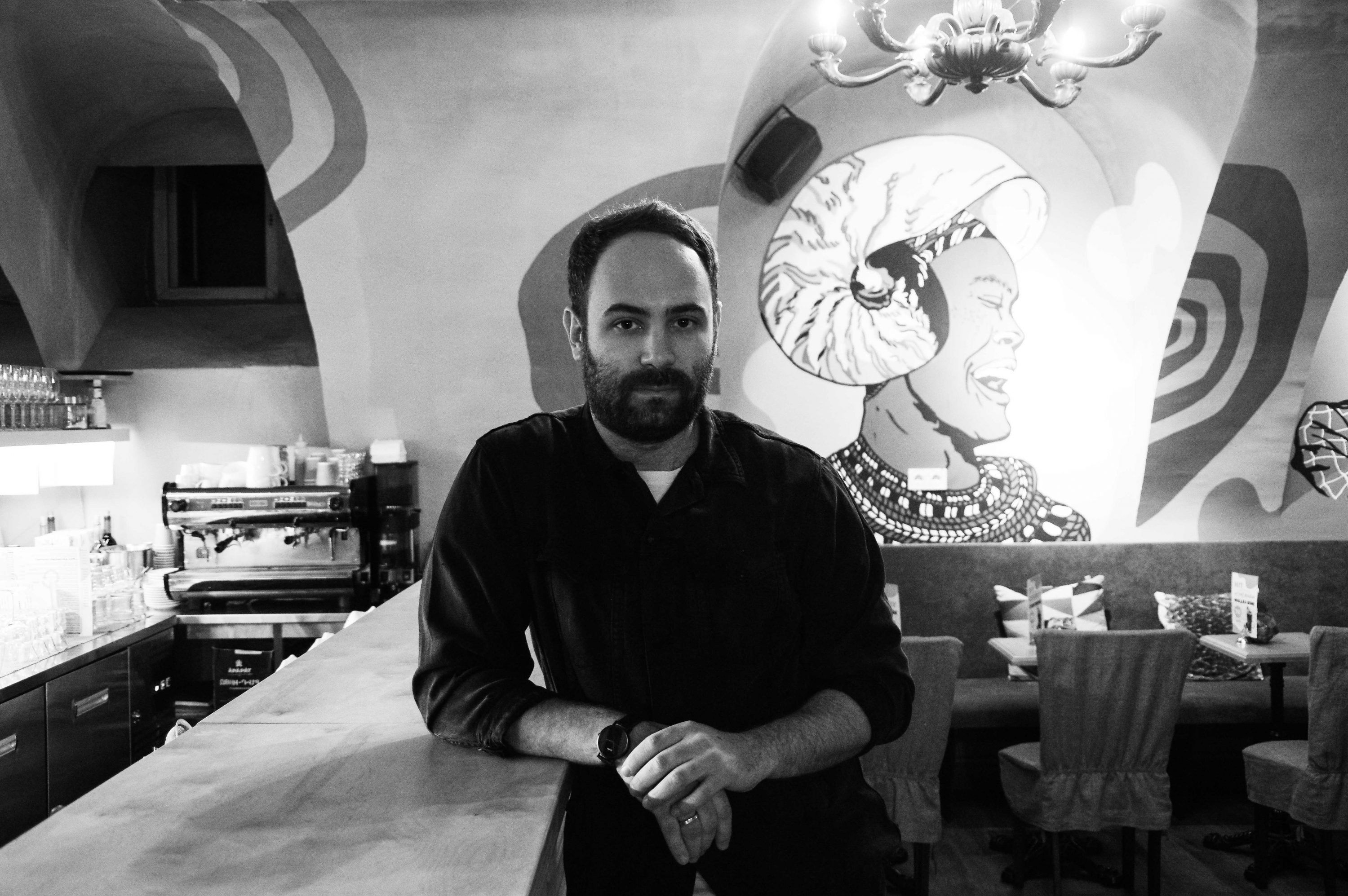
A ‘kintsugi’ therm has a wide field of interpretation, but the most I prefer an idea of treating something’s flaw as its advantage. We’ve been trying to expand term’s limits and to apply it to spiritualized objects. Every detail in this album has been shaped for a long time. So, eventually, its own kintsugi had happened to it. We also had refreshed our band – now we have a new bass player. And this is kind of another gluing too.
The same name single – Kintsugi, as well as the album overall, is a path from eternity to eternity for me, one of the ways to think about surrounding, one’s own characterising changes. Our friends and beloved ones become more precious to us after getting new wrinkles. Picture of the rock sharpened with strong winds and sea, which is the album cover, is a nice symbol for this concept.
For a long while, I was trying to understand – what does it mean for me to be a jazz musician? But honestly, I still don’t think I am the one. I consider myself a classical musician though.
Word ‘jazz’, if you’re talking about our trio, should be treated within the context of the European school of jazz. ECM records is one of the most popular sound-recording labels there. They work with musicians whose music is jazz and close-to-jazz, while their abbreviation is Edition of Contemporary Music. This shows they don’t have any limitations while choosing the artists. This also is a part of our mindset – we have to have an ability and space to experiment, to express ourselves. And it doesn’t matter what methods we choose to reach this – either jazz or classical ones. You can hear both funk and baroque motives in our songs.
You can call any improvisation-style music as jazz nowadays. Spirit of jazz lies inside innovations and experiments
Sometimes we also perform jazz standards, just like the other jazz collectives. But I don’t think of myself as of musician who plays them well. I could even do something horrible to them, so the classic jazz connoisseurs would not appreciate this. Anyway, I don’t think I’m too convincing with standards, but I have always admired those who let these brilliant songs live and get new meanings.
It also had happened to us that show organizers were unable to understand what kind of music we perform. They didn’t get it from our demos and promo-materials. This usually happens when we perform for the first time in some particular city or festival. In such cases, people just don’t know what to expect. Next show is always much better – we get a lot of positive feedback and people tell their friends about us.
There was one time when someone from the audience told us that our performing was not quite ‘jazzy’. The feedback we get is always different, but still, we are on our way to find our niche. At the moment we are conscious of the fact that we have to create it on our own. This trend is not yet developed enough here in Ukraine. We are also doing our best to expand the taste of our listeners so the effective market of this kind of music could finally appear.
It suits me more – to think of trio and special guest within the context of our performances. Quartet changes a lot in coloring and concept of integrity of our collective for me. Three plus one is not always four. Myroslav Piatnikov – a trumpeter is going to join us on Dec.15. We are preparing a unique show with old rearranged tracks and also some new ones.
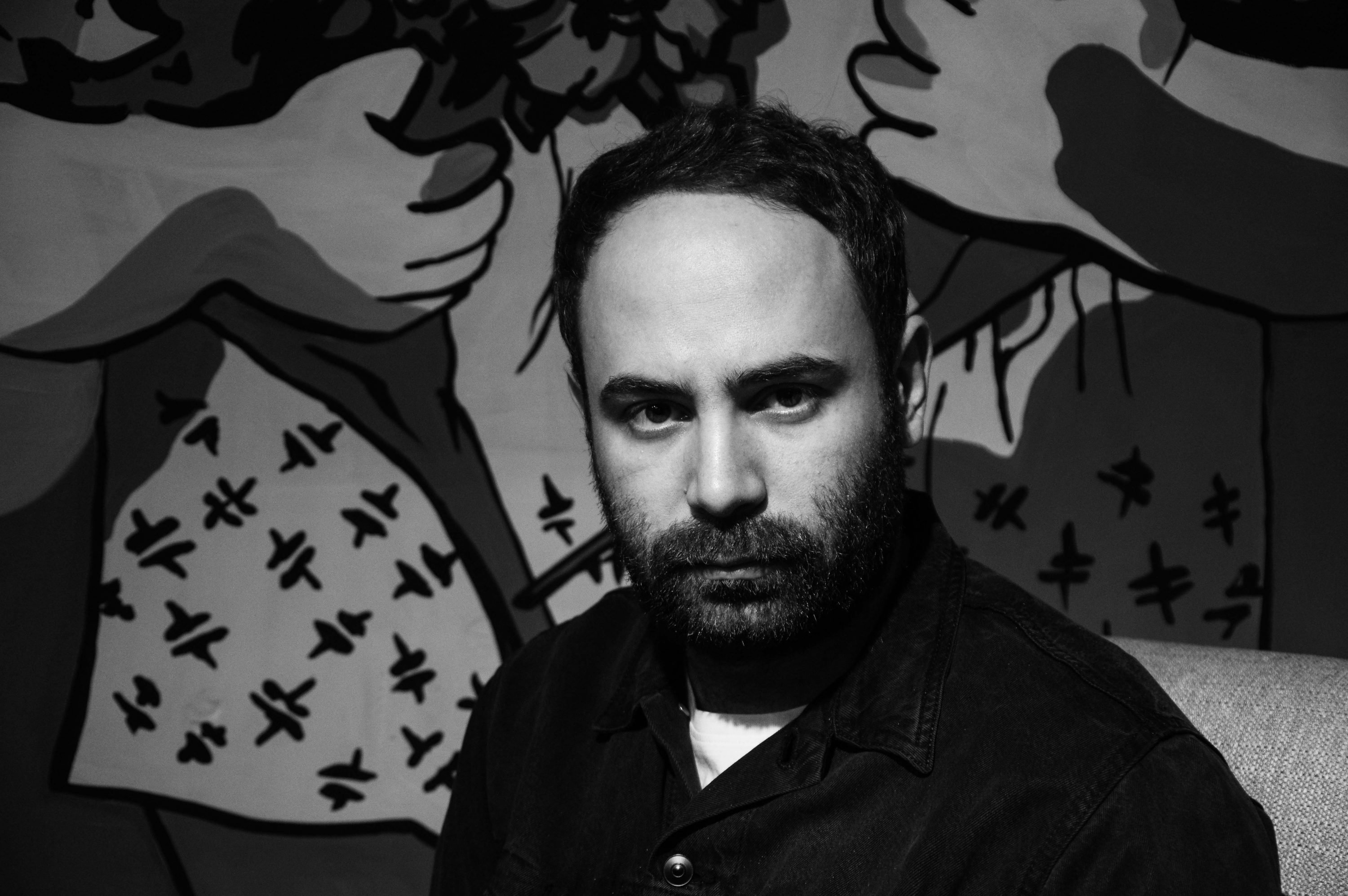
I rarely listen to music. I always try it to stay in my memories as a special event.
I never listen to music on a ‘radio’ mode – when algorithms choose what to play next. I think the value of each track is lost in such a case. That’s why I don’t listen to too much music and I can’t eventually copy or reflect it in my songs. When someone says that some parts of our tracks are similar to other band’s music I often say that I haven’t heard of them before.
I wouldn’t want Odesa to be ‘frozen’ for the winter. Although I like to show a state of restitution and waiting in my music, I don’t like to see Odesa becoming just resort-type of a city.
I’ve surrounded myself with unique people and feel comfortable here. But there are still a lot of negative changes now in Odesa. A lack of power to influence these changes upsets me the most. I see a lot of my friends trying to do some good and healthy initiatives but they often give up because of conditions they are in. But I still believe Odesa will get through it.
I used to have a lot of doubts about myself as a professor but now I like to teach a lot. I feel needed and at my place during the process. There are a lot of things that I understand with my intuition but still have to explain to my students. In such cases, I just sit and learn a theory. I always get to know something new. It keeps me toned and helps me to progress.
I believe Ukraine needs more new contests for musicians, considering the number of students in colleges. New formats of communications for classical musicians between different cities have to be created. They also need more possibilities to show themselves at the international level.
Text and photos by Sasha Naselenko