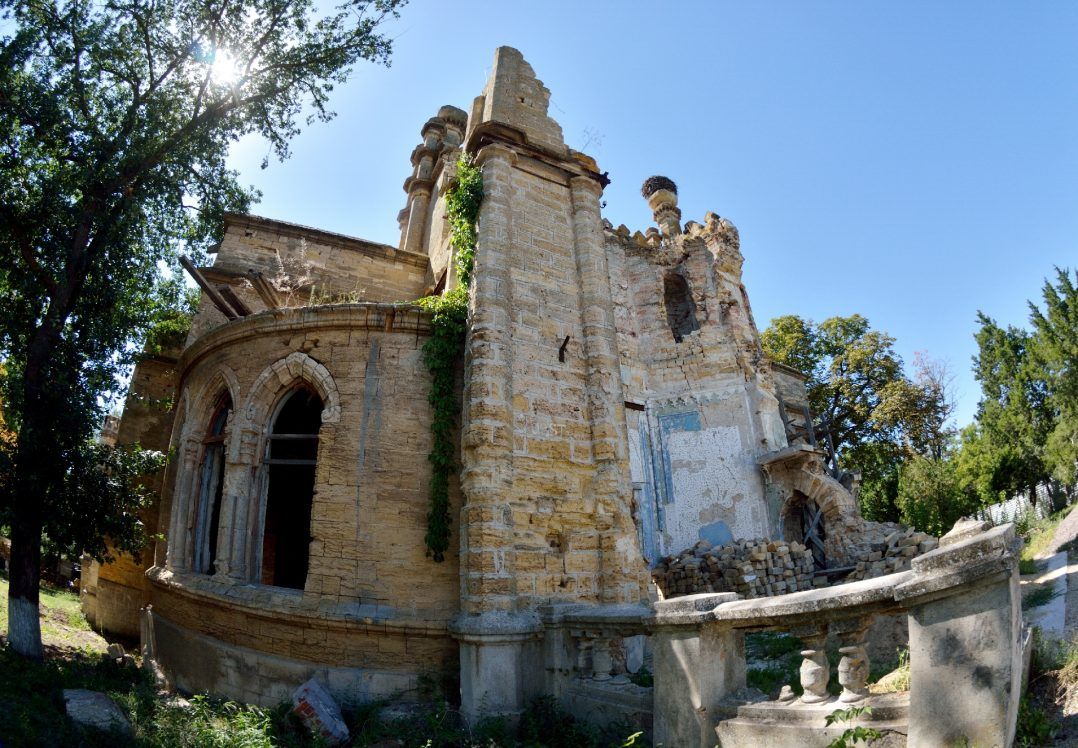


From time to time, in search of the Kuris castle, you find yourself thinking that you are in the wrong place or got lost. The photos on the network don’t coincide with the countryside around this place. How can this palace appear here? You’re hesitating: is it old-fashioned navigator that confused the former Petrivka (before 2016 this was the name of Kurisove village ) with some eponymous settlements? It sounds really weird if you don’t take into account the fact that in the Odesa region, there are more than ten villages named Petrivka.
You consult your phone, check up the information and try to find yourself on the default “Maps” app. It’s that very Petrivka. To be precise – Kurisove. The only thing that’s left is to find among those absolutely noncorresponding to your imagination scenery, something, for which you’ve come here. You have to accept the fact that surrounding doesn’t have to look exactly like the estate, which you saw yesterday on the screen of your laptop. And in the end, you find it.
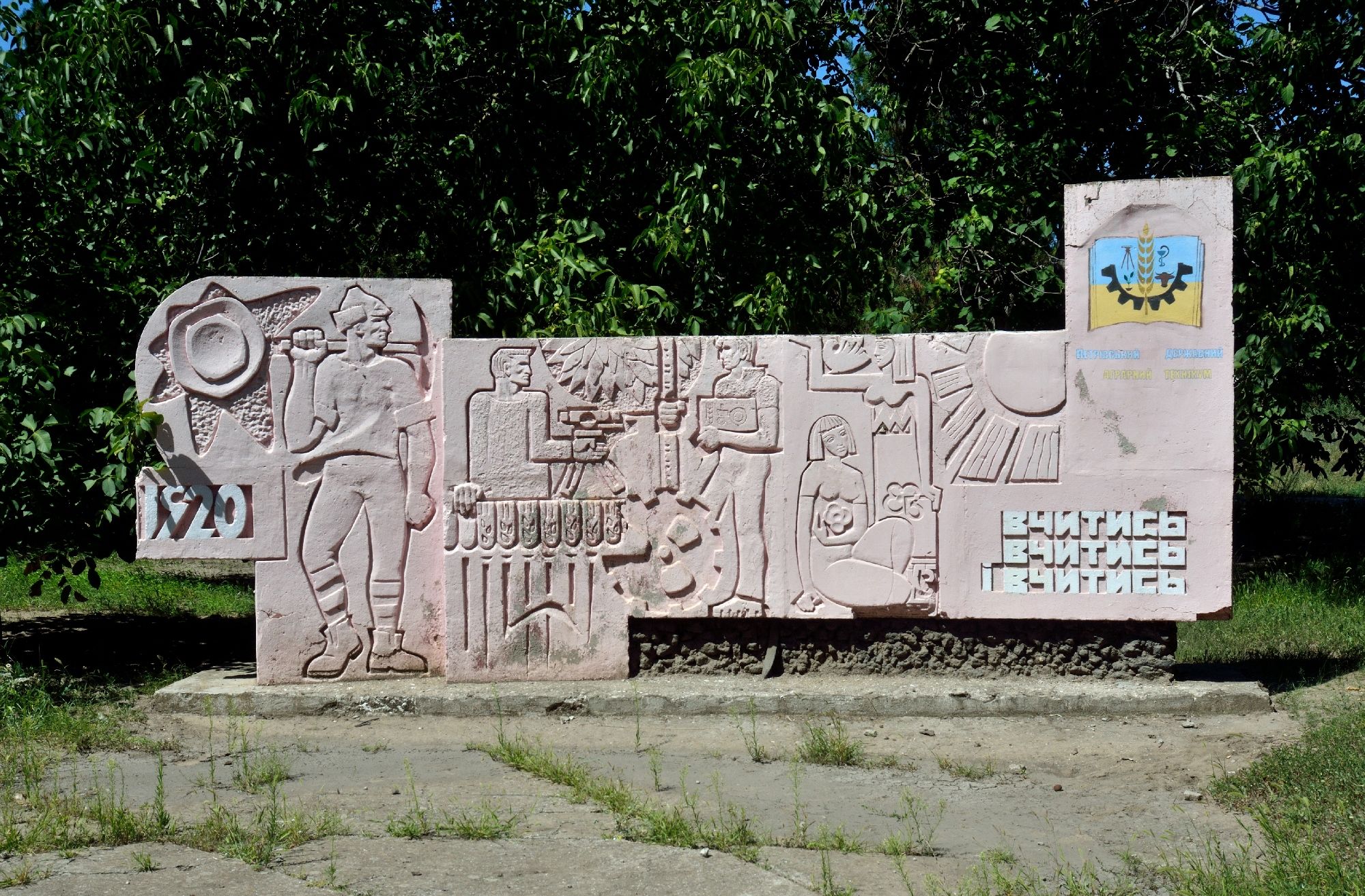
“To Learn, to learn, to learn,” echoes the Soviet past, which was fortunate enough to survive after decommunisation. Today it looks surprisingly distant and creepy. It would seem that one of the most famous statements of Lenin would disappear into the time, along with a bas-relief portrait of the author. Until recently it was placed directly above the words. But for unknown reasons, the call to continuous education still lives in Kurisove. It lives next to the old estate as if hinting: you better learn not from Soviet history, but from time, which in spite of great losses, has preserved the castle. The building that still amazes.
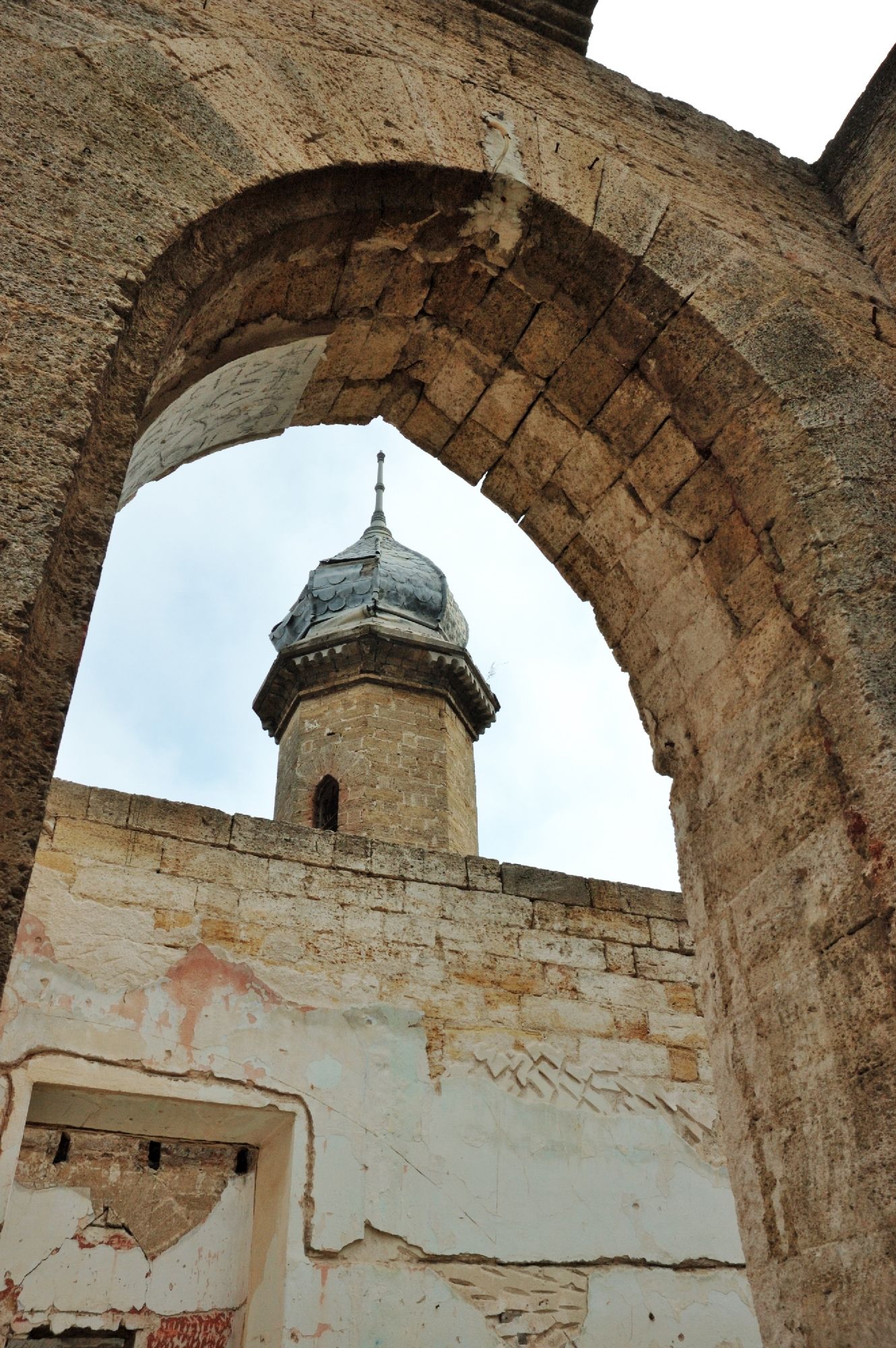
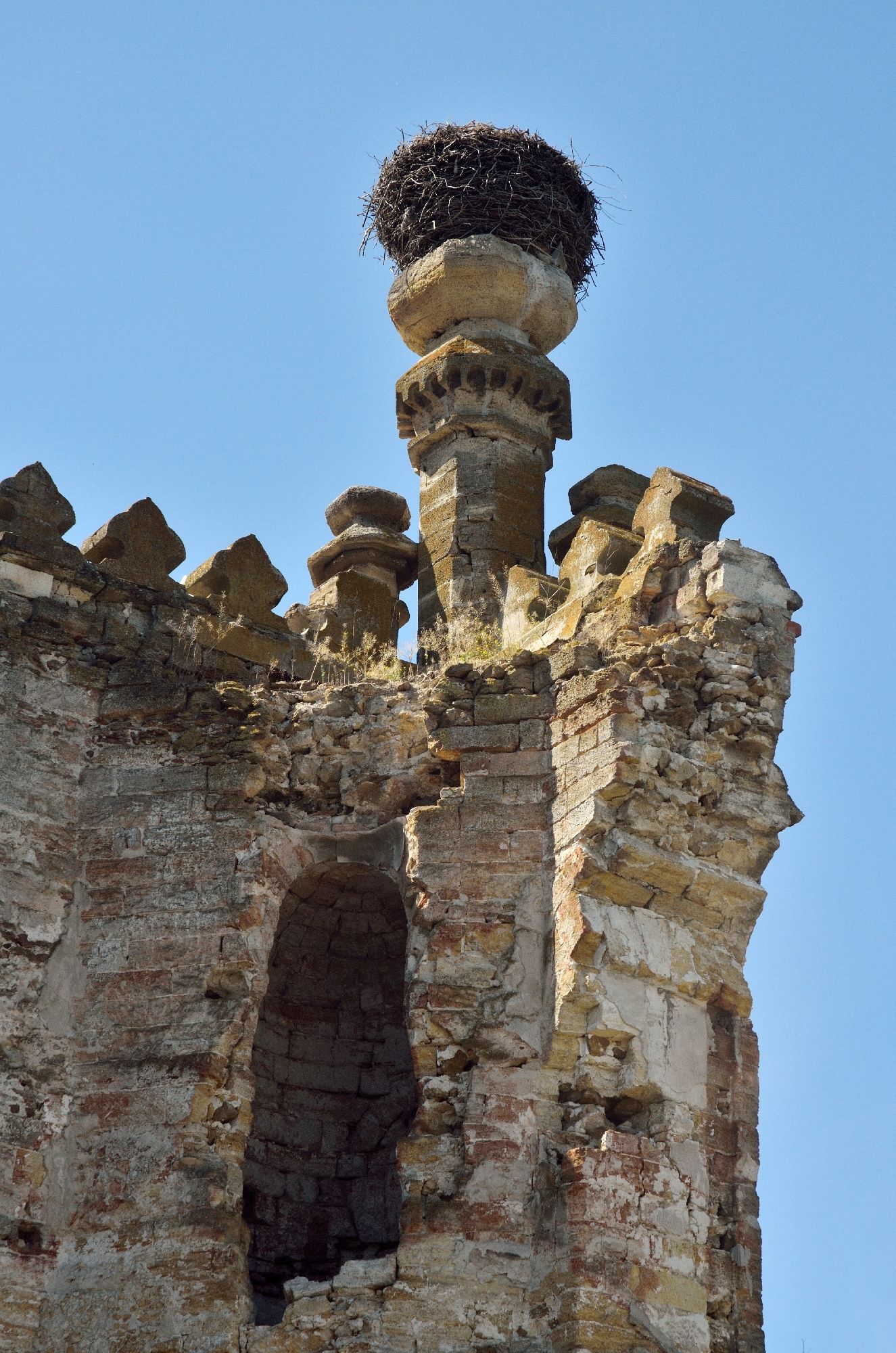
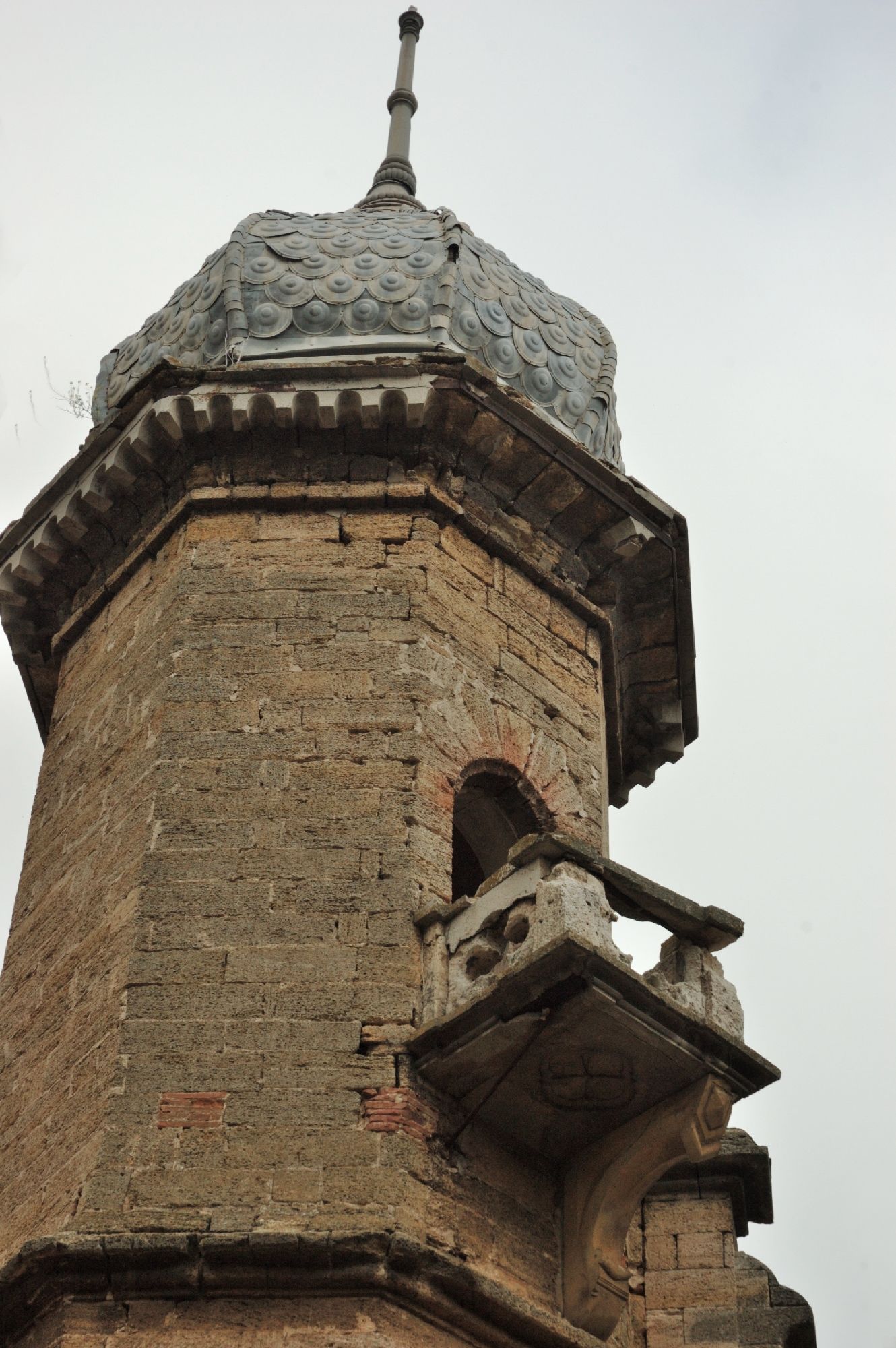
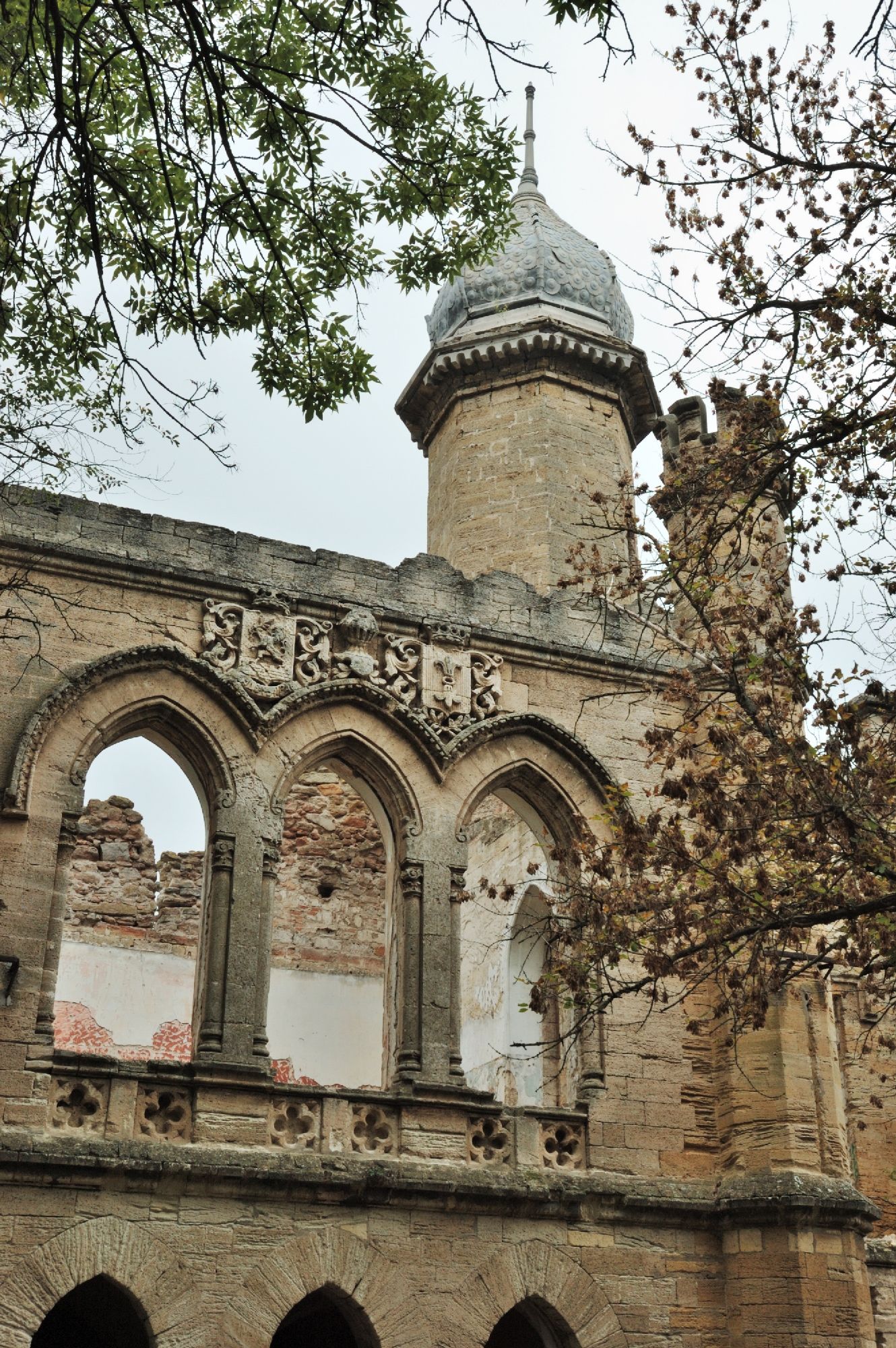
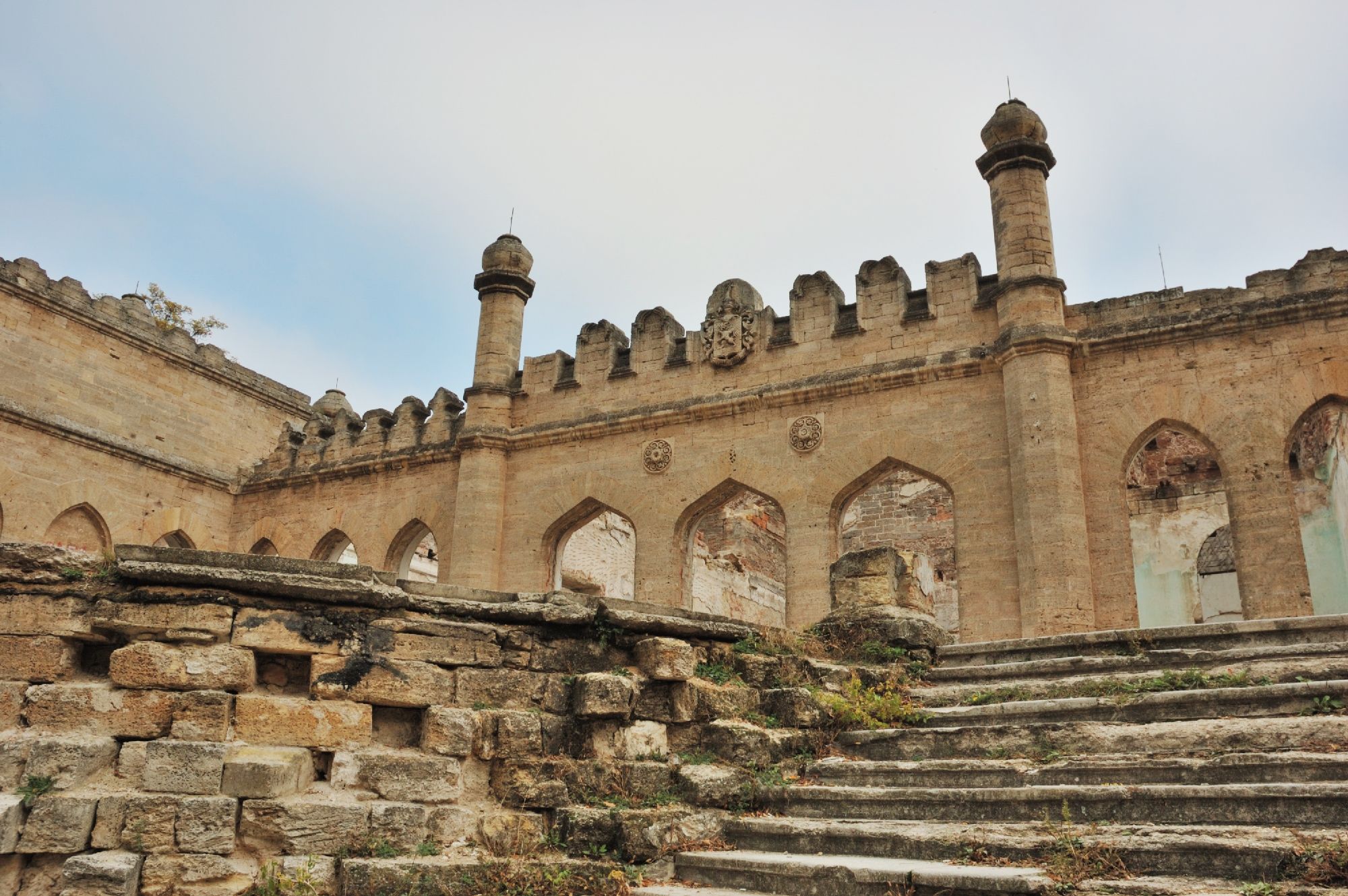
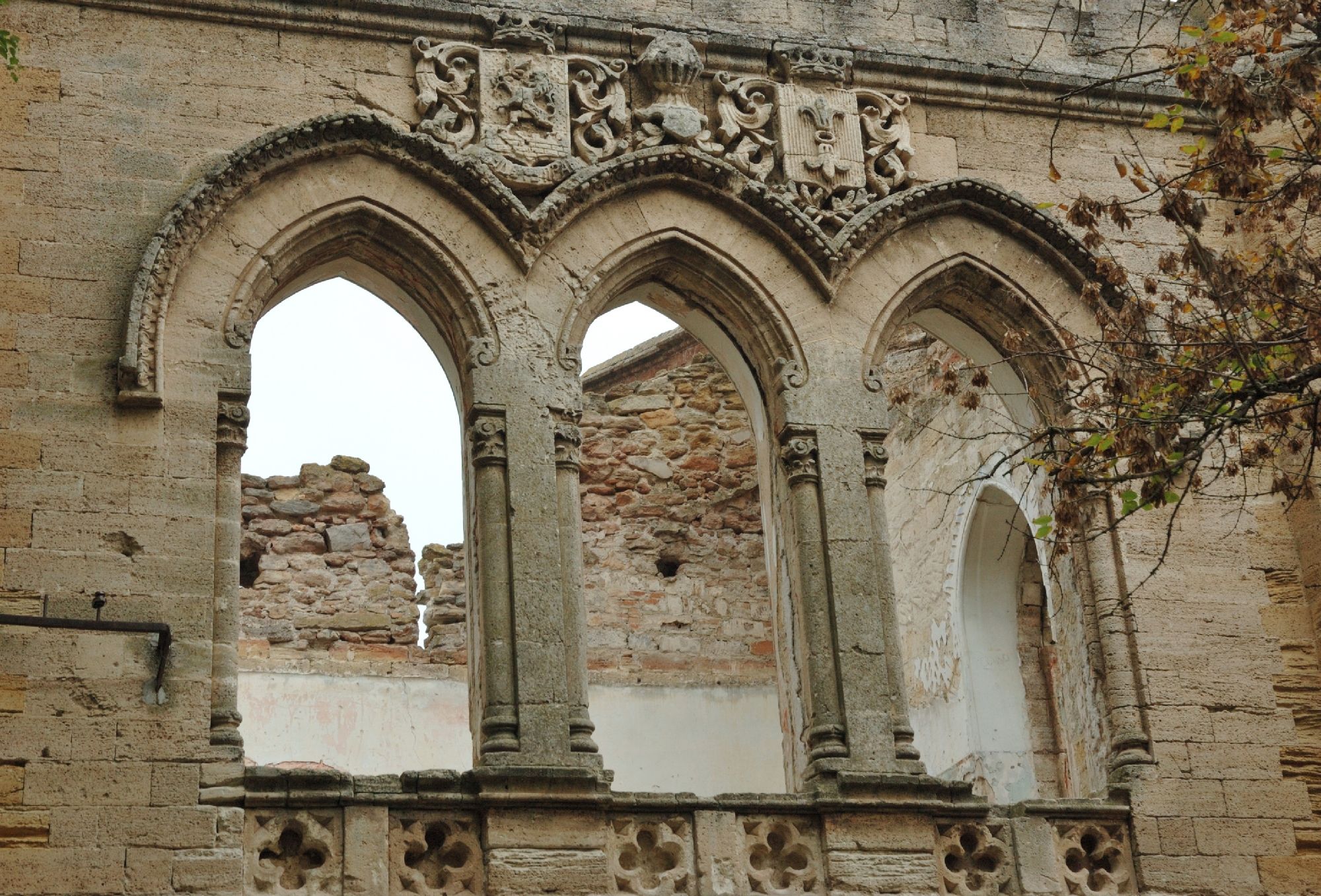
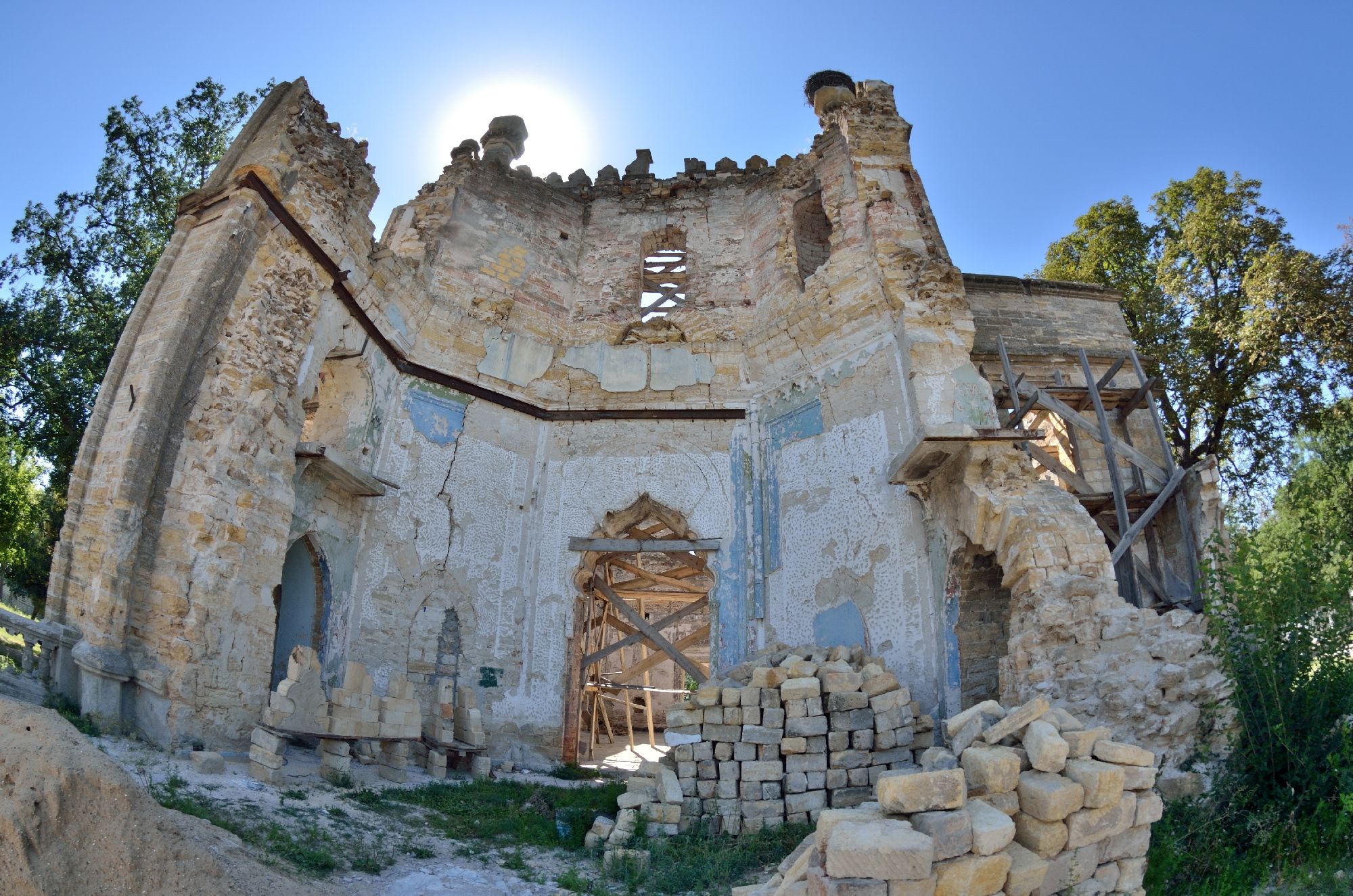
After accepting the contrast of the exterior and interior, the first thing you think of is a puzzle that consists of several large parts. It’s not surprising, cause each side of the castle looks something different. The way it is mysterious, the same way it doesn’t fit our time. The eastern part seems to be an example of a Moorish architectural style, just from the textbooks. In the north, all appeals to some kind of gothic motive. Romanticism is combined with classicism, the notes of medieval England peacefully coexist with some kind of fairy-tale decisions of architects. Time seems to have stopped before our arrival, demonstrating the peaceful coexistence of different styles and visions, hinting that it’s history that knows the most.
And the history of the palace’s construction, despite all stereotypes, is not full of some special mysticism or mysteries: in this case, everything is known more or less in detail. The first owner, and thus the initiator of the building, was Ivan Kuris , adjutant of Alexander Suvorov. It is said that during one of the battles Kuris managed to save the life of the Russian commander. After that, he paid tribute to his assistant in form of a plot of land on the newly conquered territory. Actually, after that, in 1810, the history of estate’s construction began, and the first, according to the plan of an unknown author, was the very eastern part. The western side was designed by Odesa architect Tolvinsky. It is said that for the construction of this palace serfs from other settlements were brought. Moreover, they were representatives of some of the oldest Ukrainian families. If you avoid the language of numbers and dates, then it turns out that the construction had been started by Ivan Kuris, and the work on the architectural mixture was completed by his grandson.
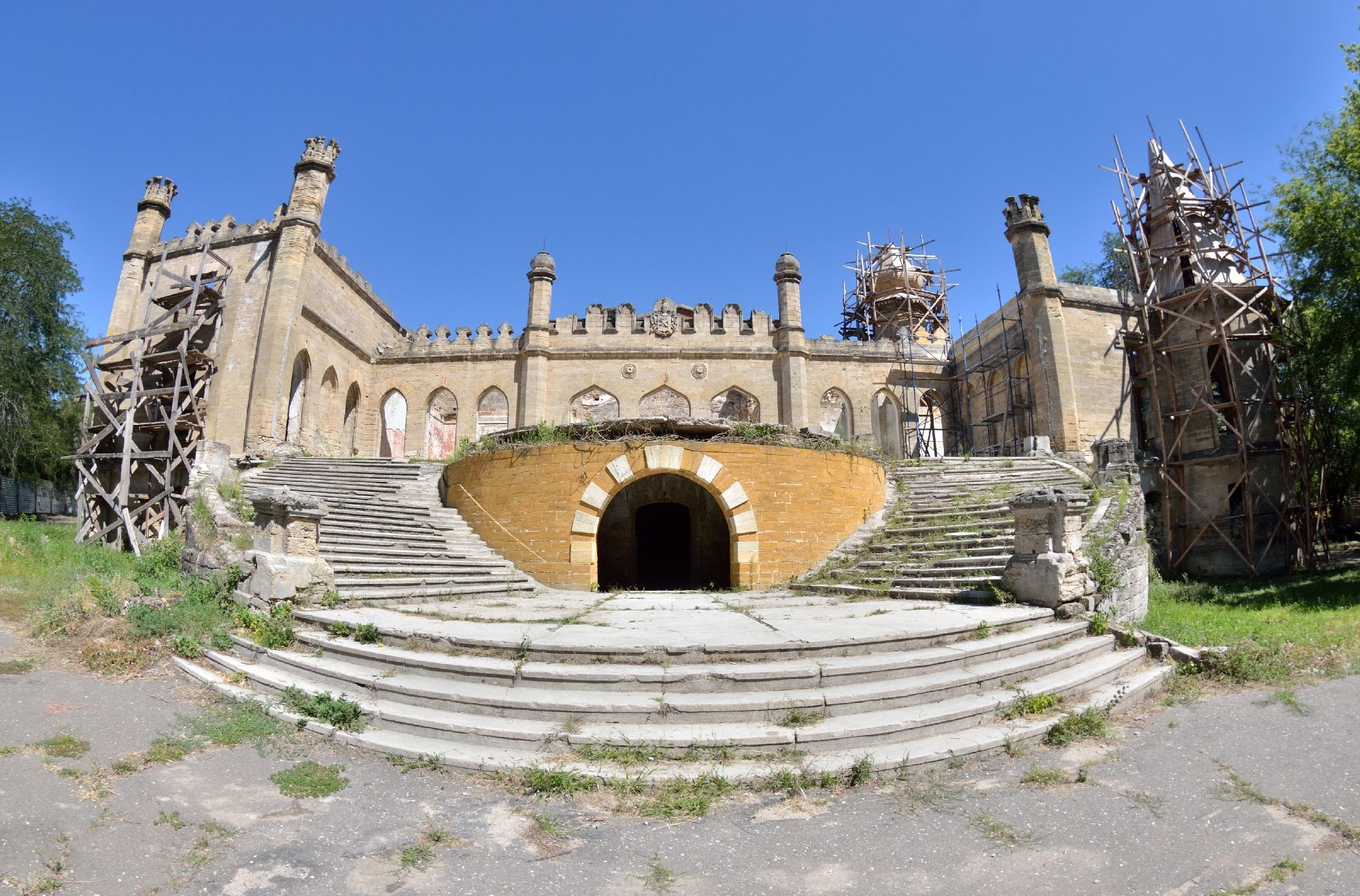
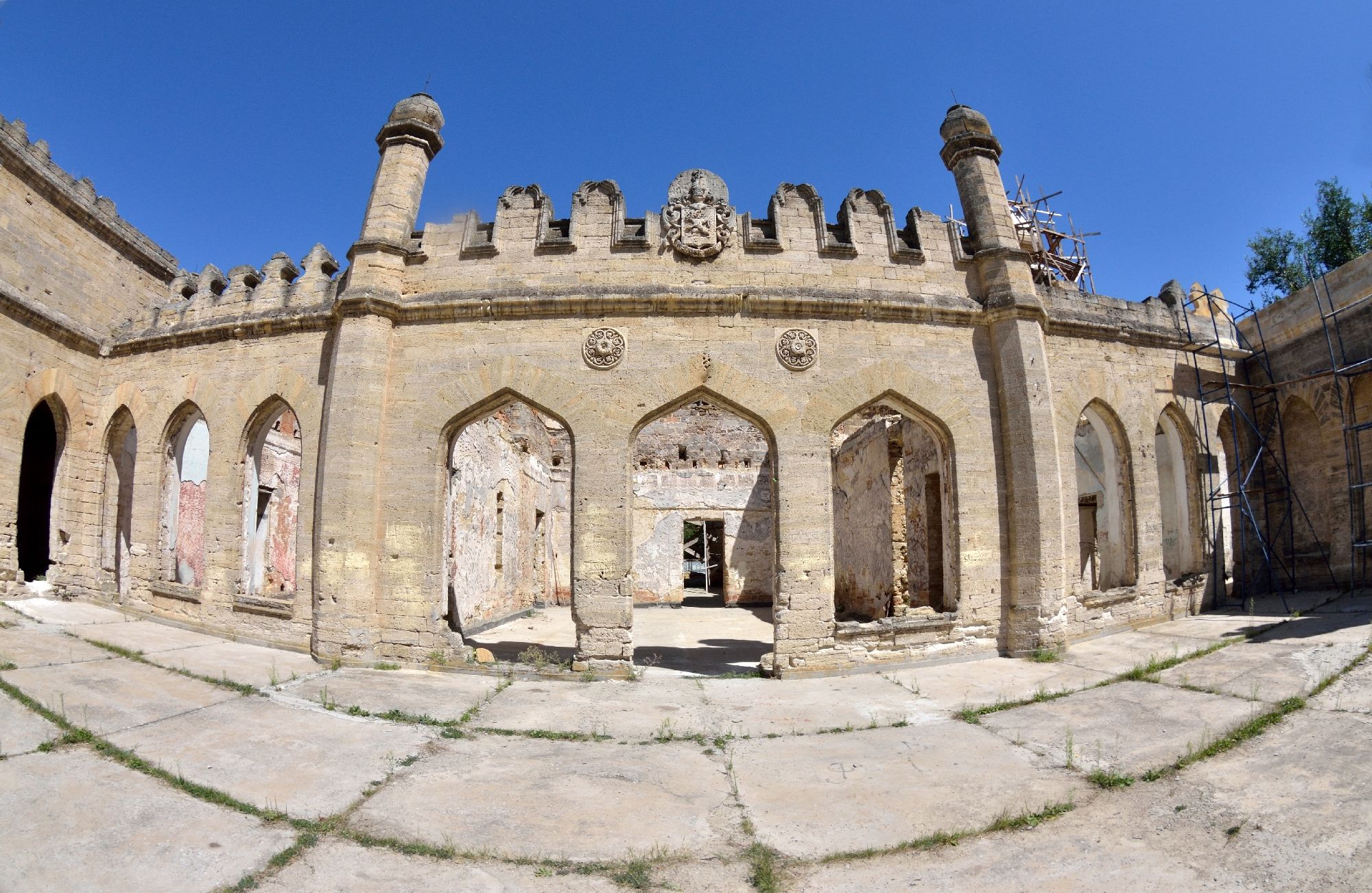
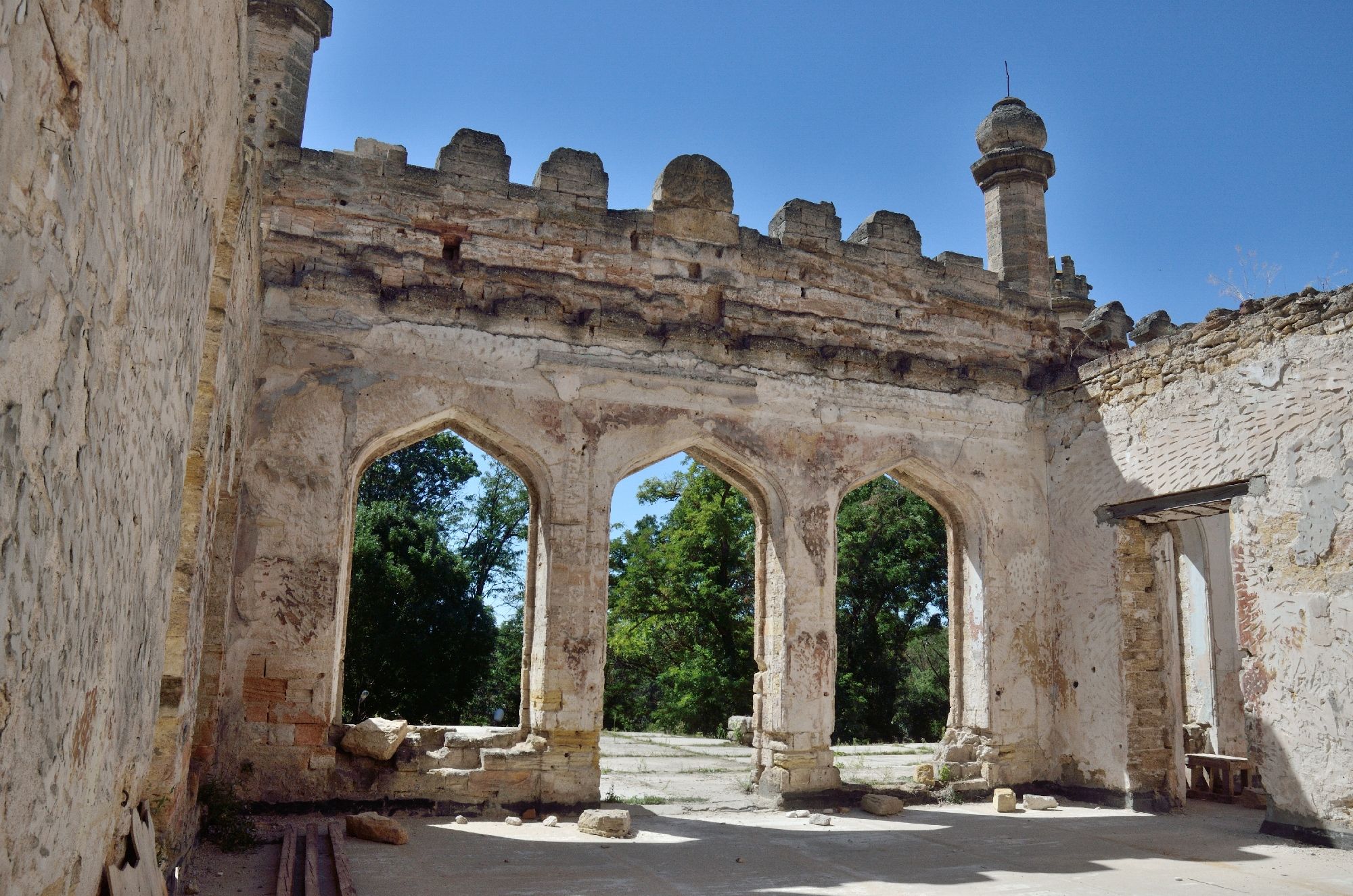

Since the last brick was laid more than two centuries have passed. Speaking of a castle or estate, we usually mean something complete and integral. However, in case of Kuris castle, we’re dealing only with remnants of that integrity – the walls that still hold the weight of history, are trying hard to keep it as long as possible. But even walls, despite their role as silent witnesses and keepers of the past, can tell a lot about it.
Walking around the mansion of Kuris, if you’re really attentive, from time to time, you can see traces of paint of different colors. And these are not just inscriptions, with the help of which contemporary wall artists declaring their love to each other and say “hi”. These are short instants, fixation of moments that existed once. Locals tell that the estate had more than seventy rooms, and each of them… had its own color. Moreover, local historians point out that honorable and wealthy guests from all over the world came to the castle of Kuris, and for women who wanted to look at their outfit for as long and as precise as possible, a separate room with mirrored walls was created. From time to time you can also hear the story that says that the ceiling in the room with mirrors was a huge aquarium. However, it’s impossible to be sure about everything.
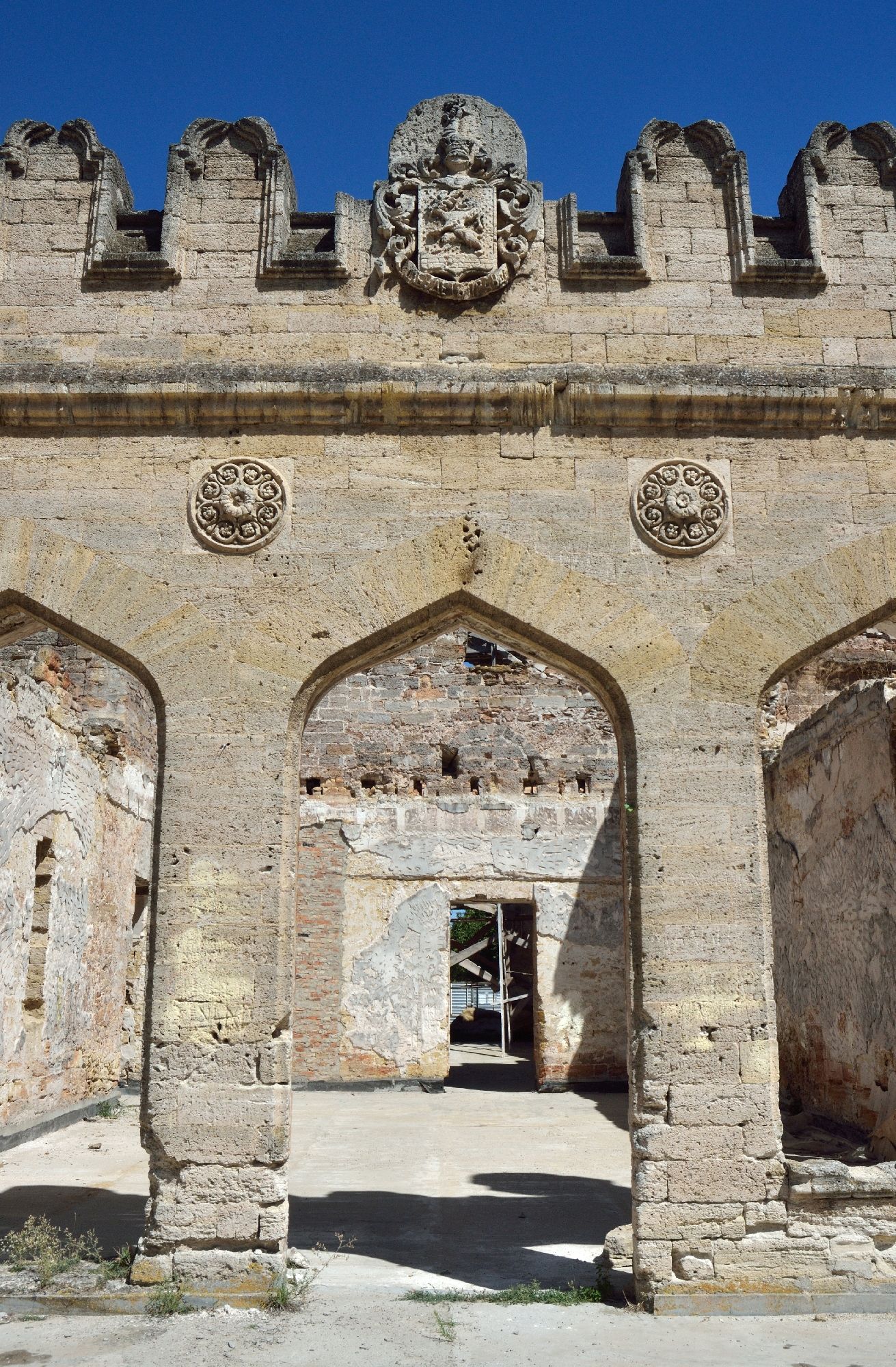
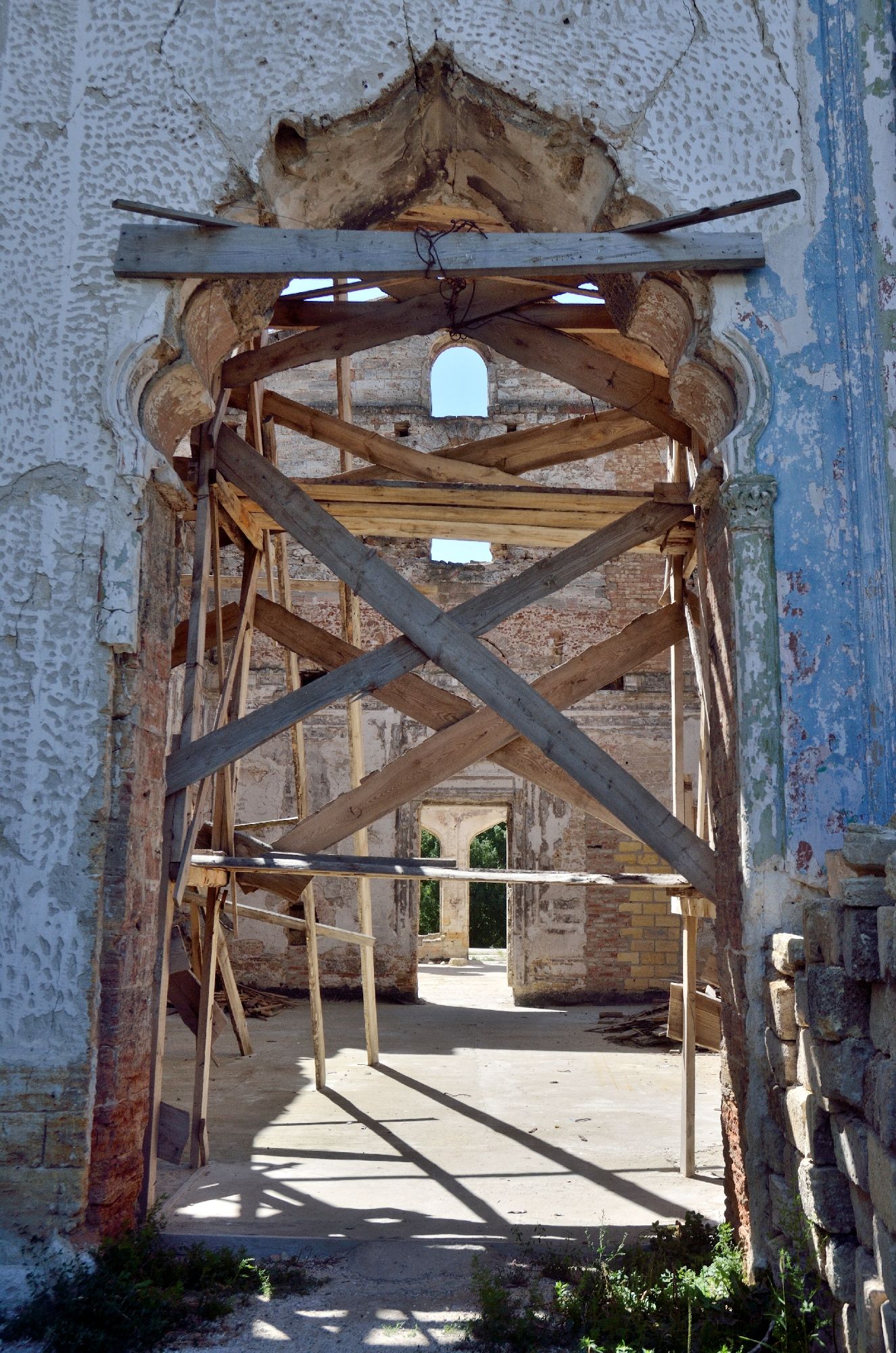
Despite the lack of myths about construction, mystical stories compensate for their silence with tales about hidden jewelry. According to the legend, which residents of the village for years broadcast to the guests, the first owners of the estate had a lot of money, which still remains hidden, most likely, somewhere under the palace. But this is not the end. Together with the story of hidden wealth, villagers love to tell a story about a beauty that allegedly jumped from the highest tower during one of the guest receptions. The girl’s spirit has never left the castle, and it is still wandering there, and protecting the treasures.
Whether these jewels really exist is a mystery, the answer to which is not so easy to find. They say that for the first time the palace lost its decoration during the period of the October Revolution. Subsequently, the Soviet government turned the premises of the building into agrarian college, everything was unified as much as possible – the Soviet man does not need much. In fact, since then, there has remained a stand with a message about continuing education. But the true spirit of the building and all the magnificence and beauty, it seems, had left the castle for a while.
However, already in the 1990’s, everything was put in its places by nature and… weather. The fact is that almost thirty years ago was the first time when they talked about the restoration of the estate. The first projects were made. But then, of a sudden, during a thunderstorm lightning struck the roof of the building. Lightning rods probably failed. However, firefighters couldn’t do anything. Thus, the palace remained abandoned for a quarter of a century.
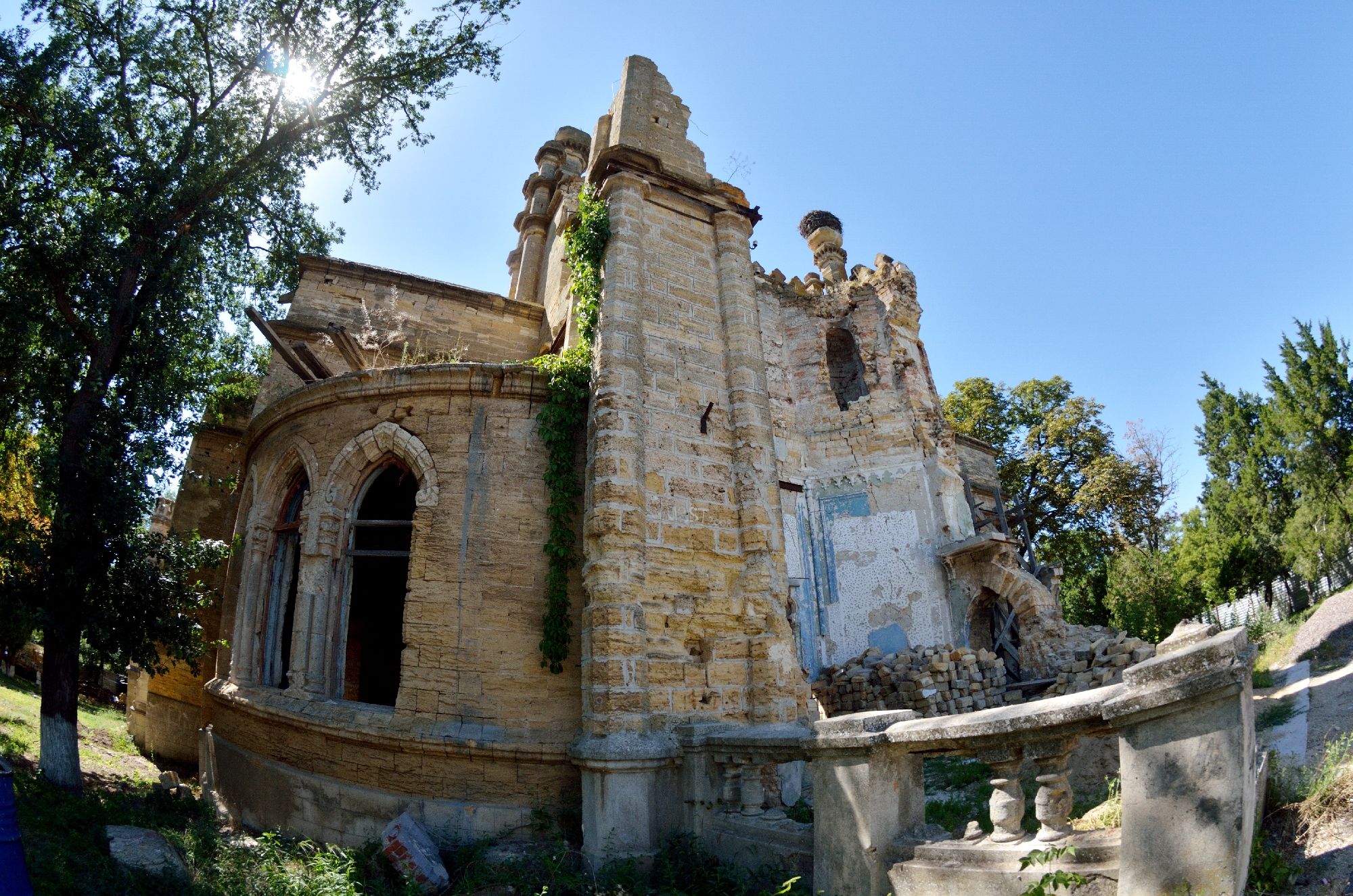

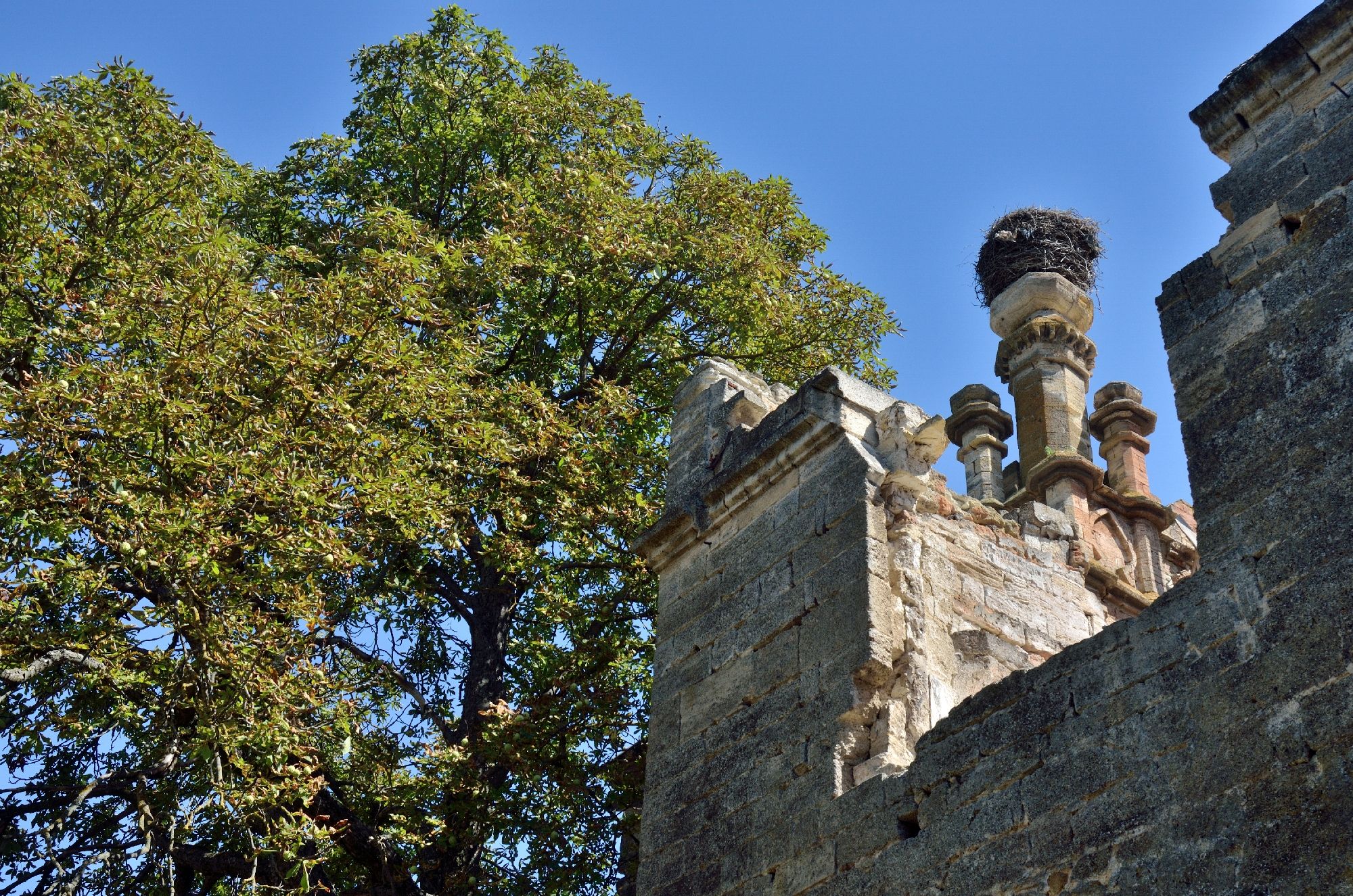
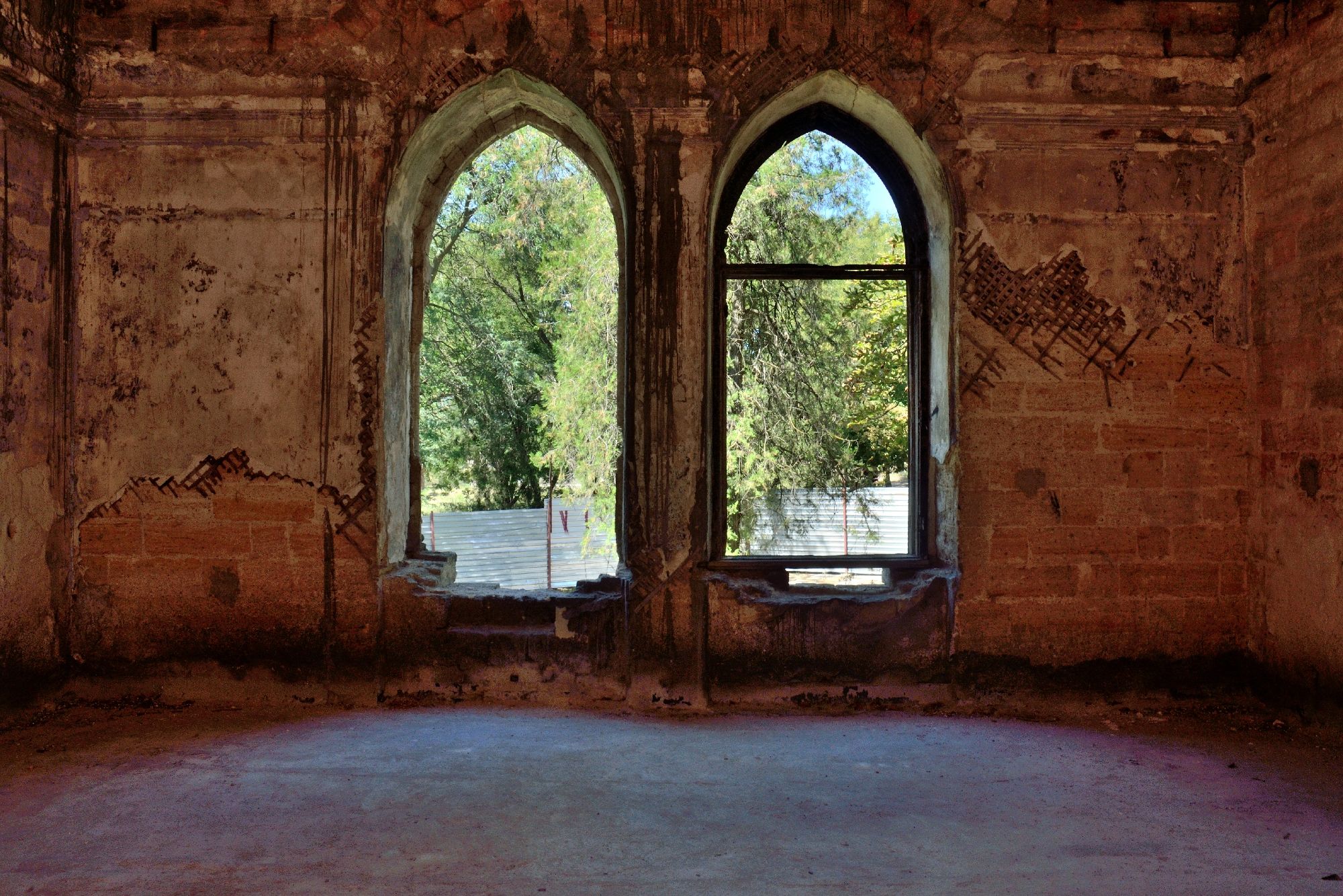
Abandoned for constant attendance by people, but not abandoned for life. According to locals, for more than a hundred years storks have been nesting in the castle, as if emphasizing that life goes on, regardless of cosmetic circumstances. It is clear that it is practically impossible to determine when birds decided to settle down here. It is only clear that we were not the first who was able to spot the nests: just look at the old images on the network. The stork’s dwelling here seems to be the same integral part as a mixture of architectural styles or mysterious treasure histories.
Today Kuris castle finally got its second chance for life. Within the framework of the reconstruction program, during the last few years, the basement’s ceiling and rooms of the first and second floors were strengthened. They plan to restore the roof of the palace. The first stage of work should be ended in 2020. However, even today they are getting ready for tourists. Owners dream that purchased carriages and breeding horses can become part of a special complex of impressions. However, neither a fund nor a director is managing plans and ambitions here. A time is a master here.
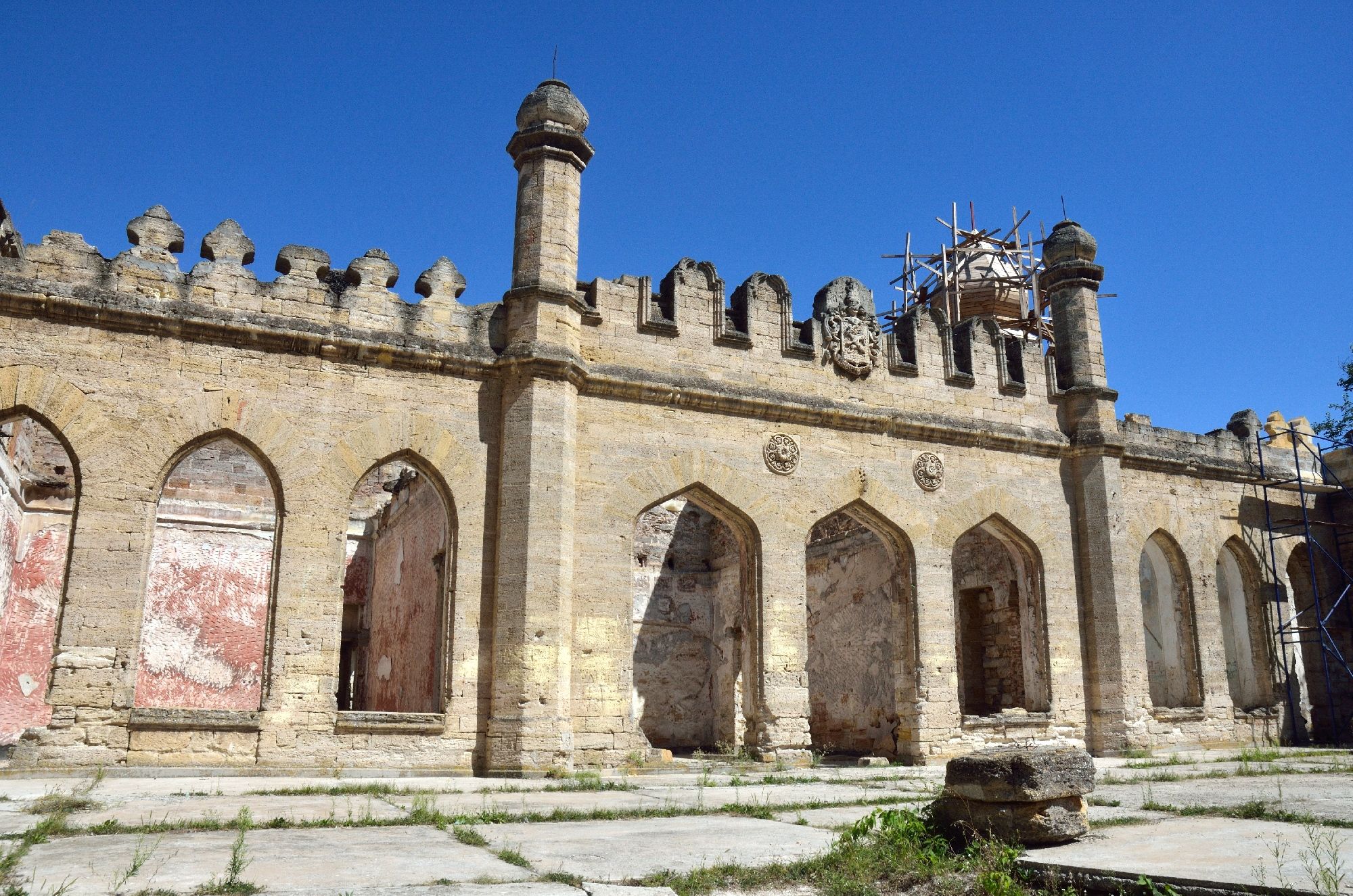
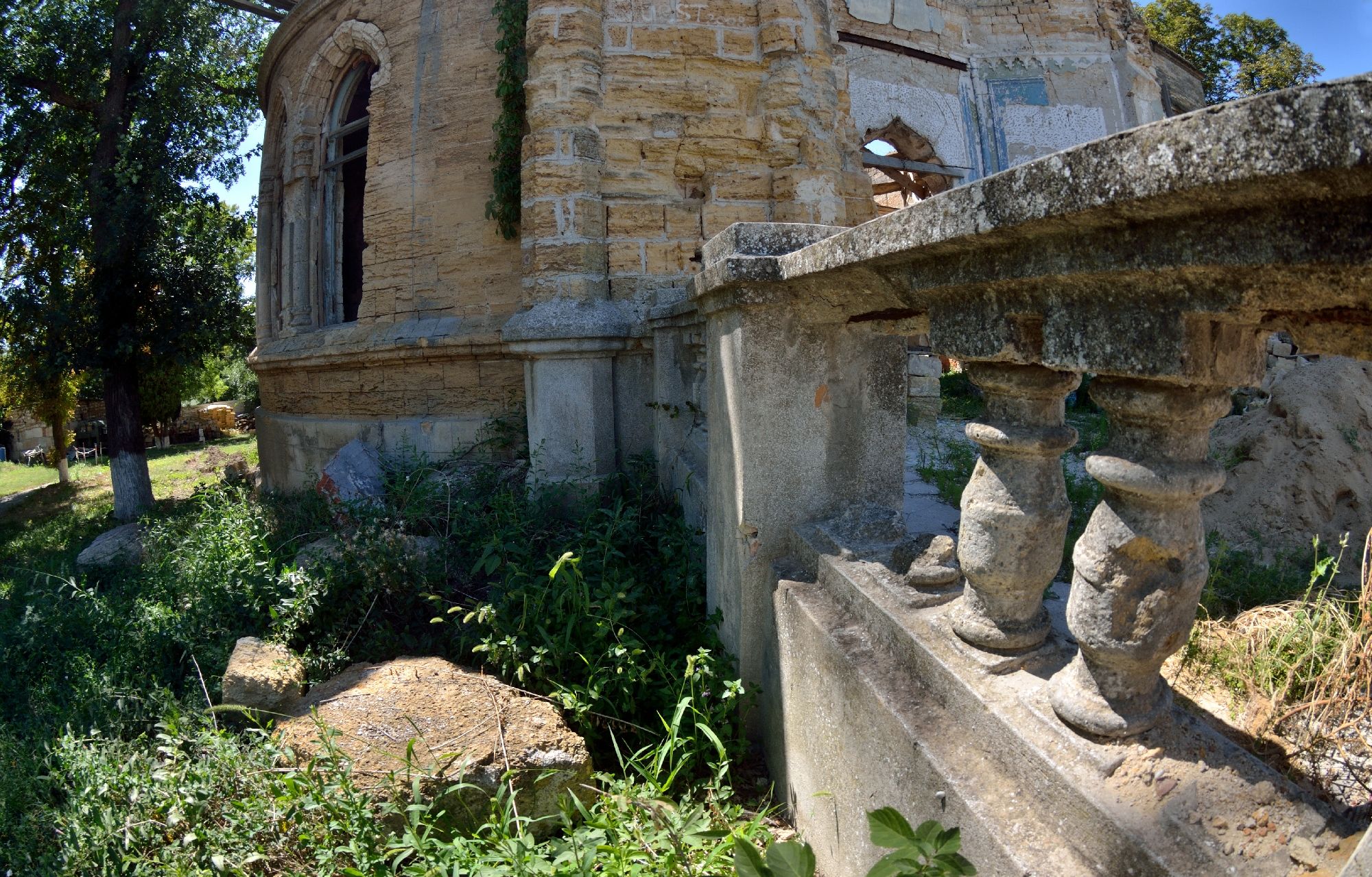
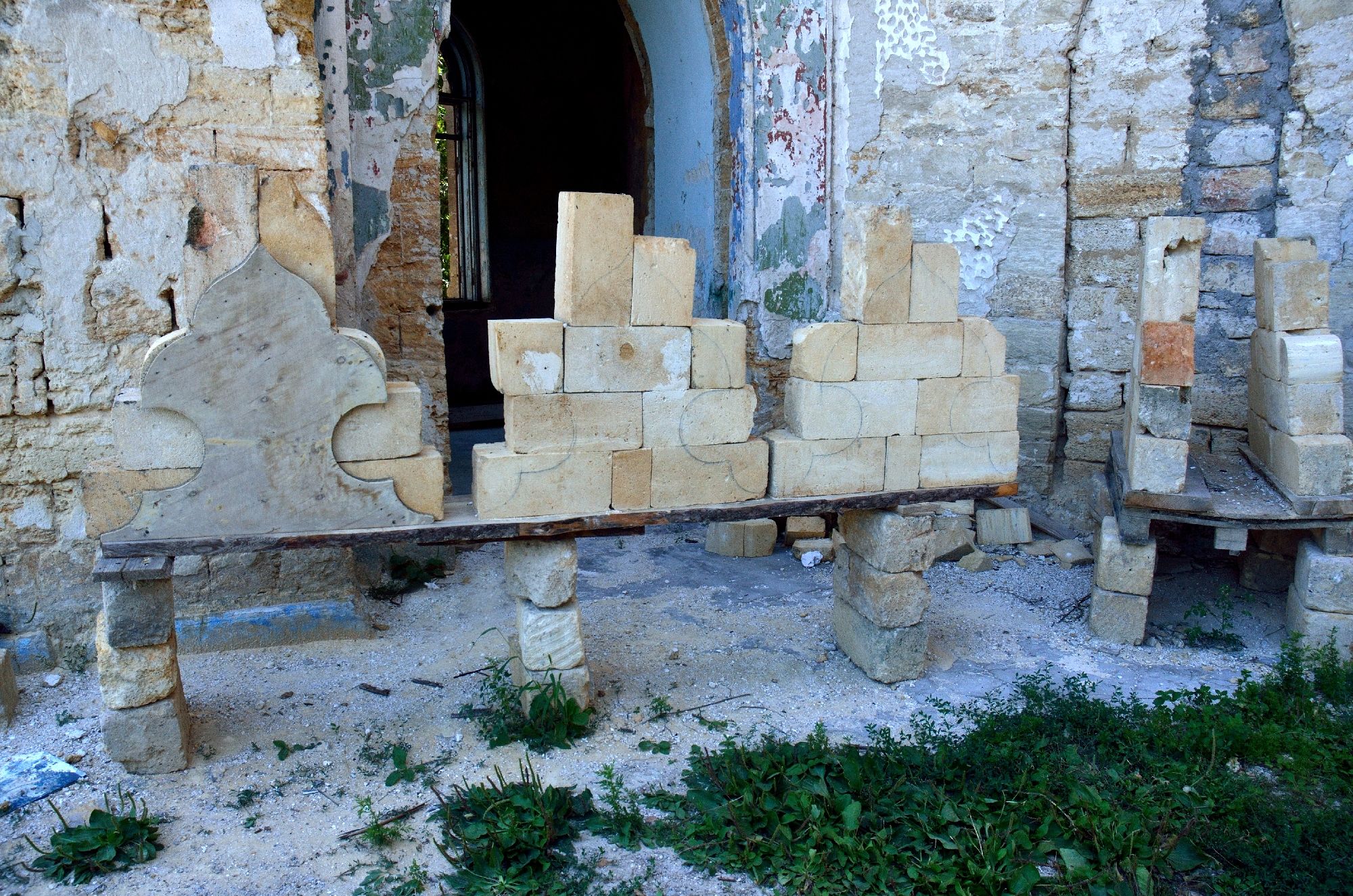
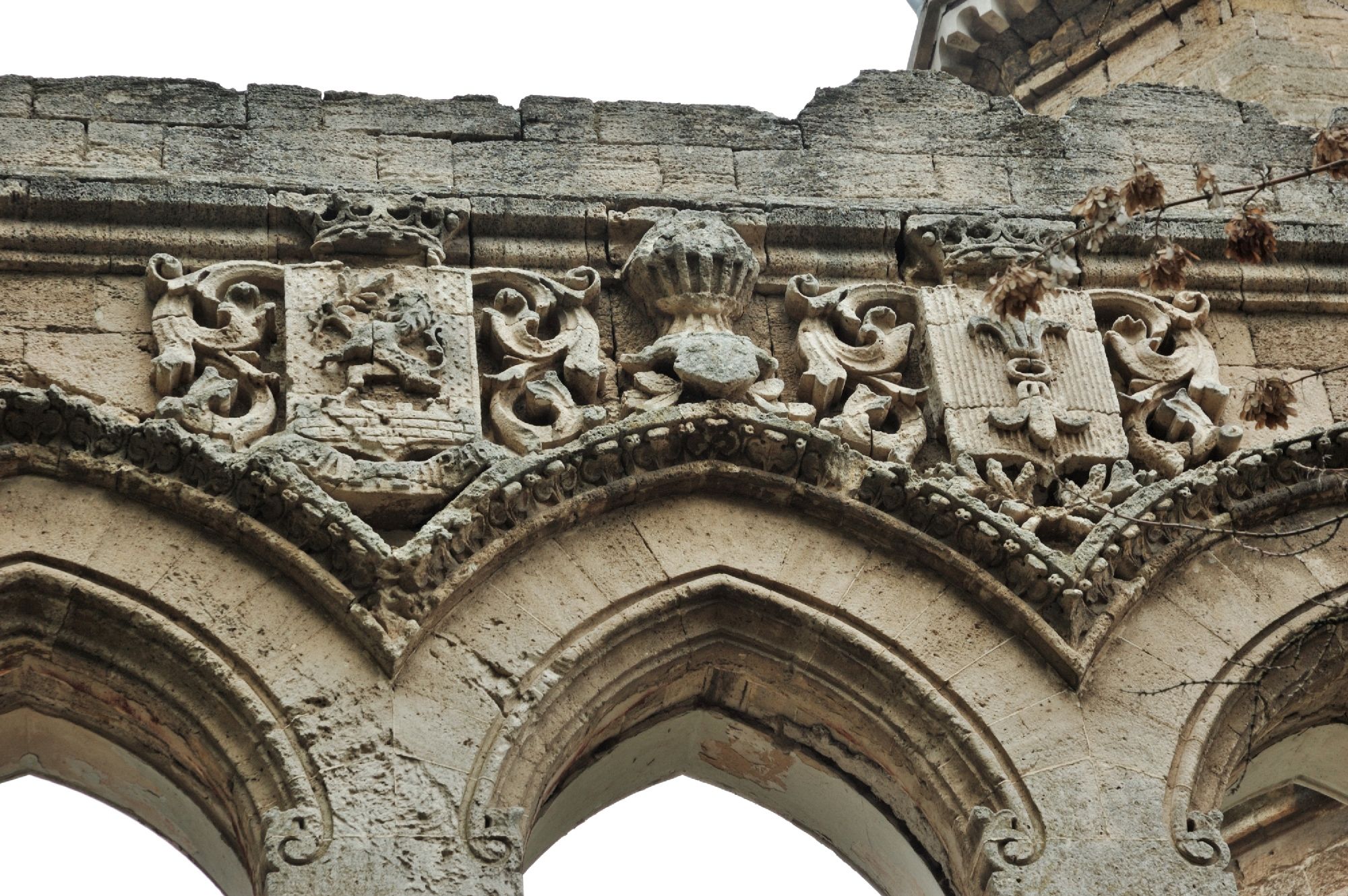
Kuris palace-estate is too far for typical tourists, but close enough for those who appreciate the past and are able to feel the history. Some movie-makers have already liked this spot and even shot some episodes for local soap-opera. Whether this idea was supported by the spirit of a deceased girl or feathered dwellers – it is a rhetorical question. Almost the same way the inscription welcomes the guests from the family coat of arms: “Let it be true.” Who will seek for this truth, and how it will look like at the end of the search, it is still unclear. It only remains to learn. To learn. And to learn. Only not from the echoes of the USSR, but from time, which knows how to work with the past.
By Dmytro Zhuravel
Photo by Yulia Kryzhevska