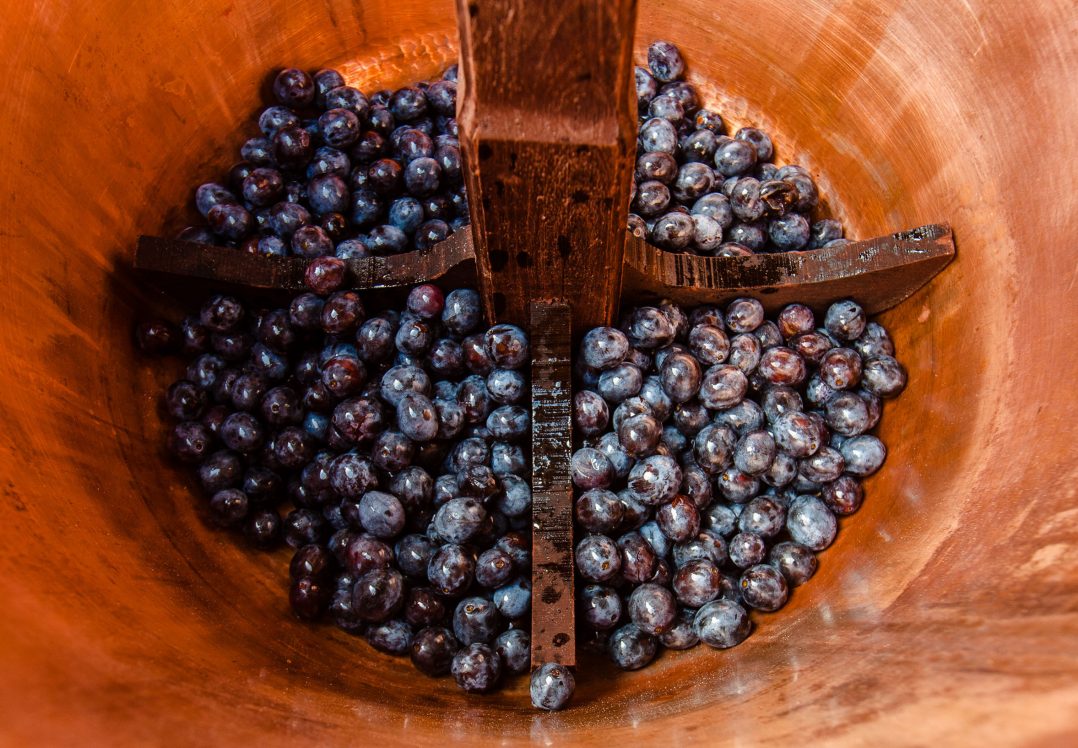


At first, there are only smoke and the smell of sunbaked ground and grass. The smell of sweet-sour plum, heated in a large cooking pot, will be added later. The product will be ready in 12 hours (at least!). It is a culinary symbol of the Zakarpattia – lekvar.
Now it is only 2 p.m., and they – those who cook lekvar – have plenty of work hours ahead. Hecha – a village in the Berehovo district – is the capital of lekvar. The village is strongly connected with its neighbour Hungary, and most people speak Hungarian here.
images not found
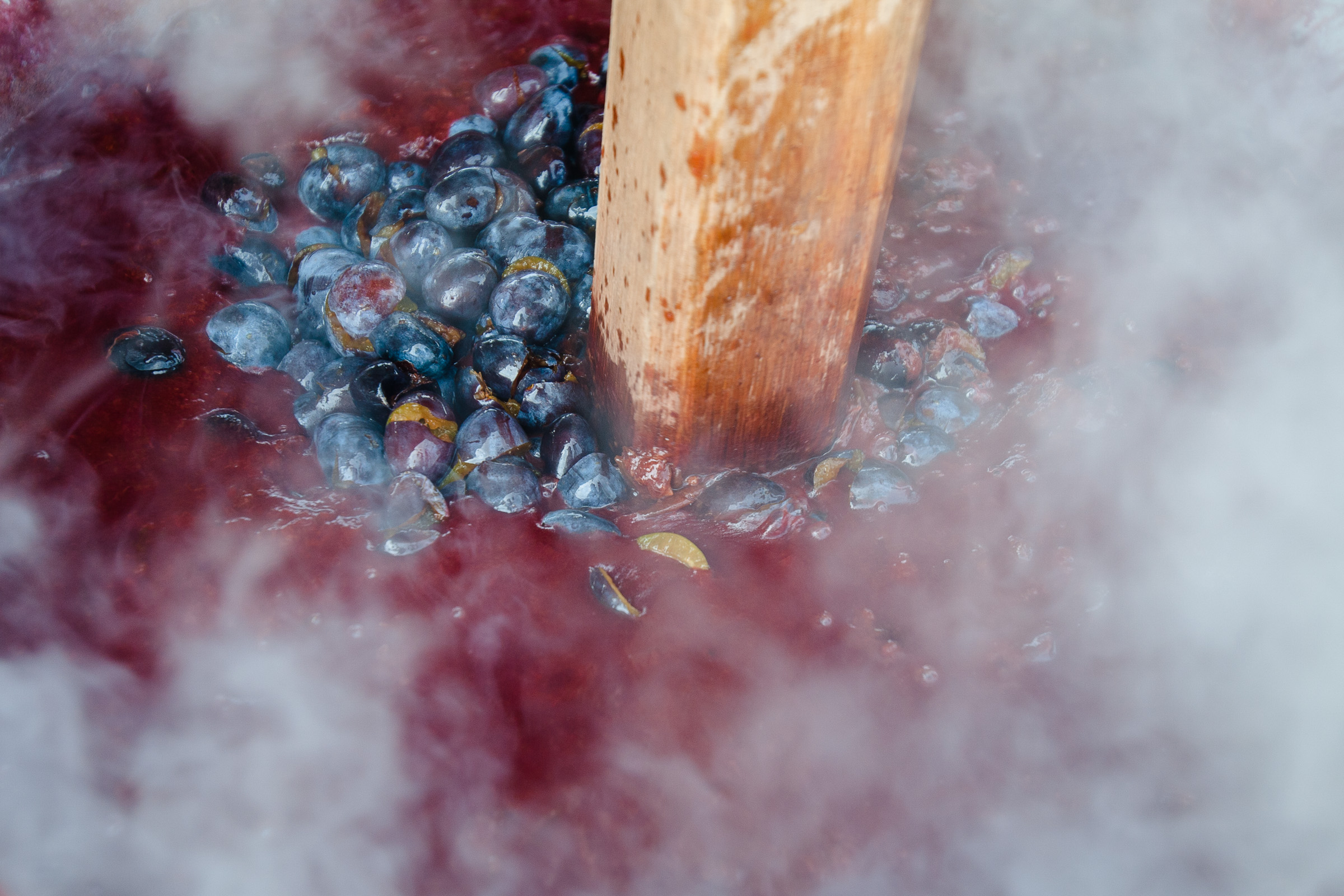
One of the most popular treats in the Zakarpattia is lekvar, a plum jam. It is cooked without any sugar from 12 hours up to 2 days. It needs to be permanently stirred. In the end, it begins looking as a very thick, almost solid tar. The process of cooking is a ritual. Moreover, there is a lekvar festival in the Zakarpattia.
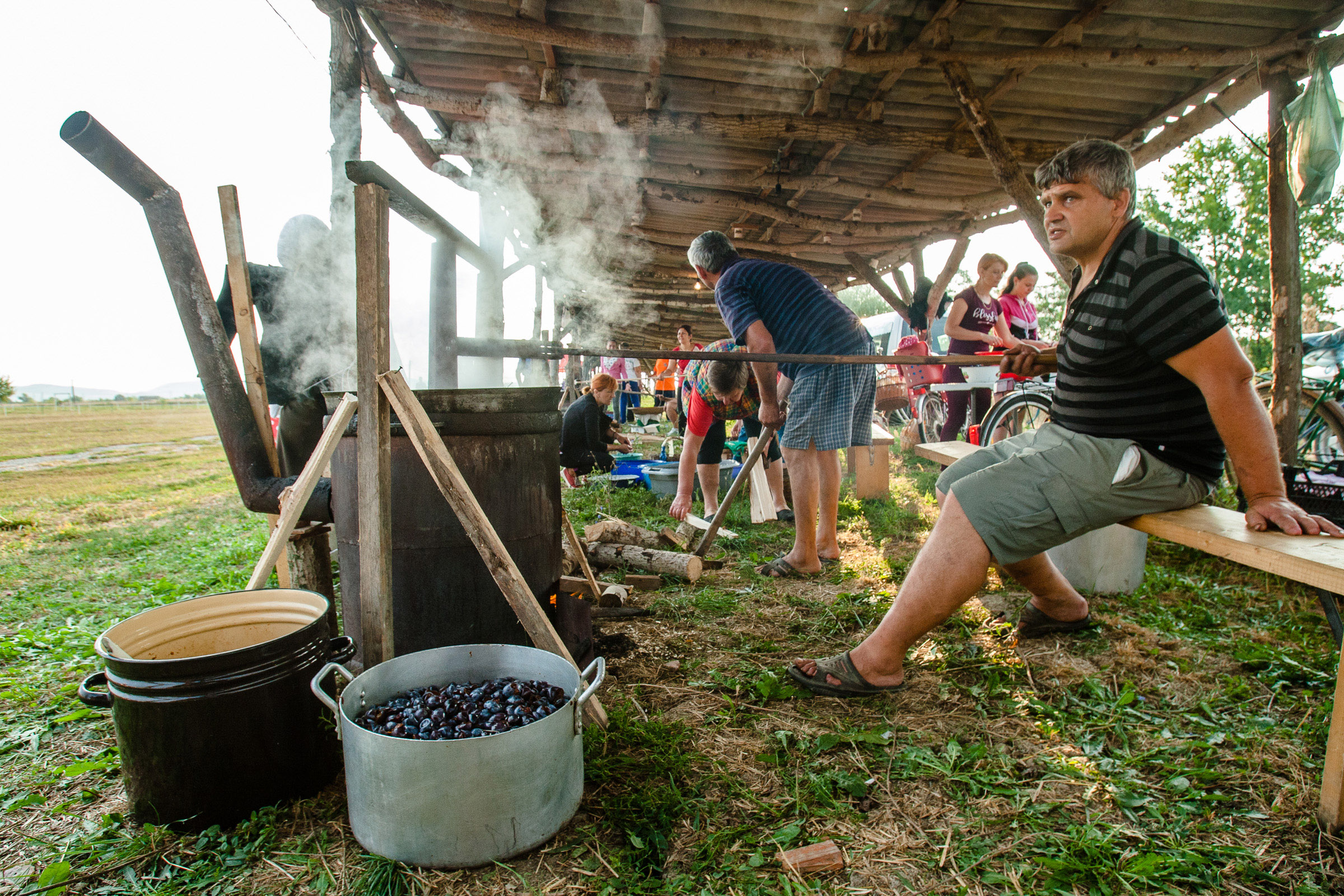
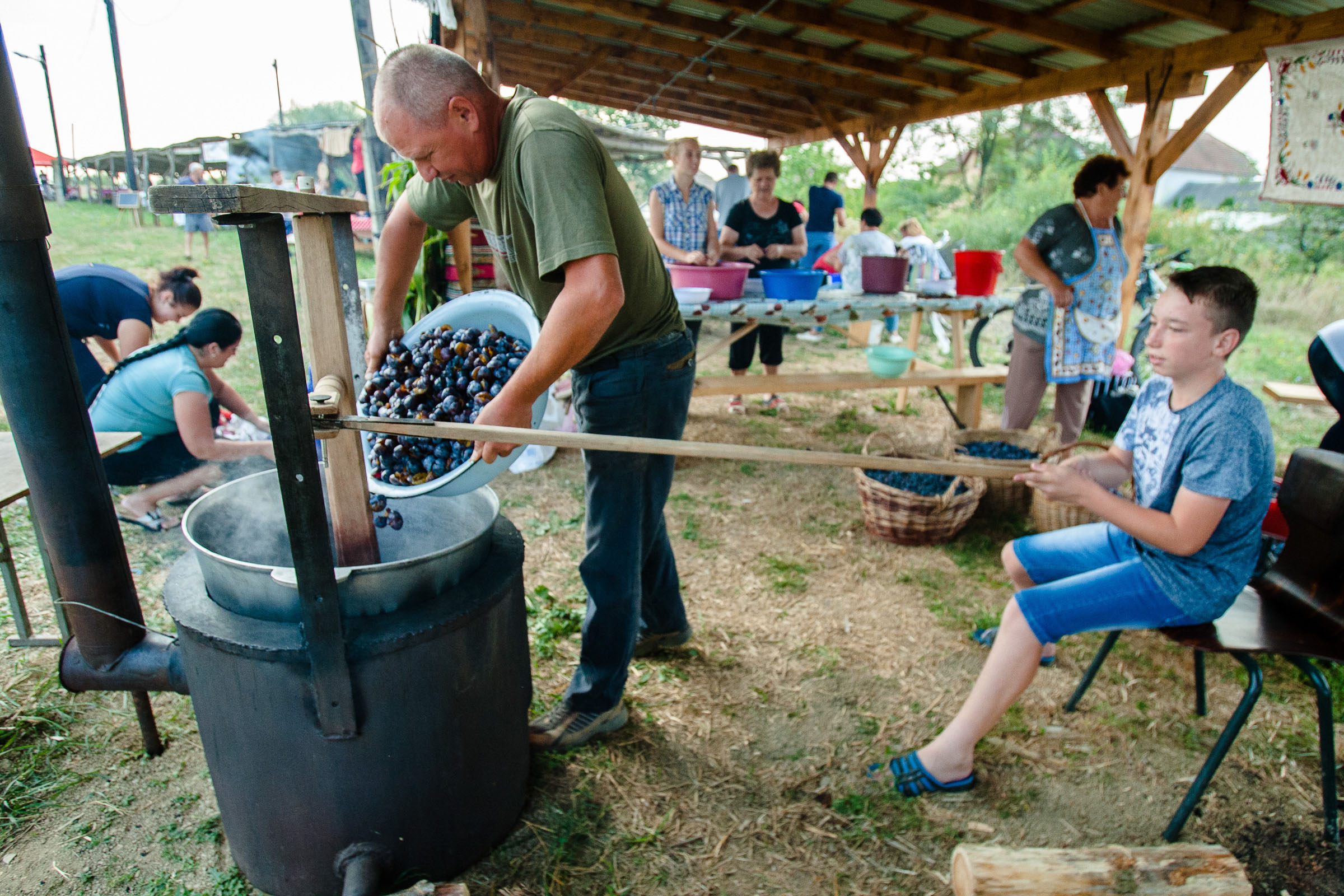
Yosyp Feyesh started to put plums in a hand-crafted large cooking pot at 6 a.m. He is going to cook lekvar at least till 7 p.m.; the gold standard is a minimum 12 hours of slow boiling. Please, be always by the pot, if you go away even for a minute, call your children to stir jam. “Lekvar has to be thick, very thick. We cook much of it, here in Hecha, everybody cooks it, we have many plums. If lekvar is cooked properly, it could be stored three or even five years. We sell it as well as eat, of course! We bake fankys (doughnuts) or eat bread with butter and lekvar for breakfast. It is delicious!”
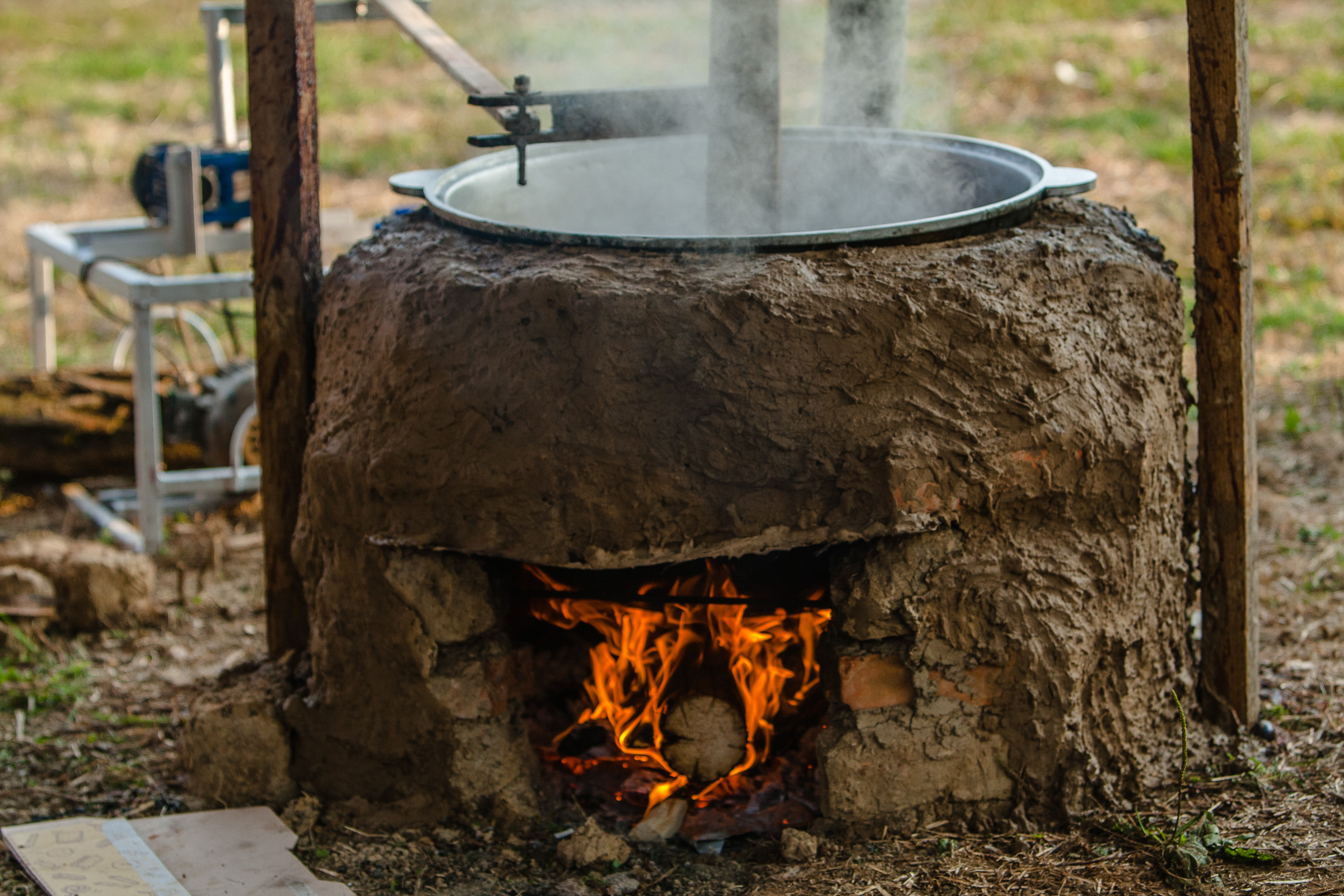
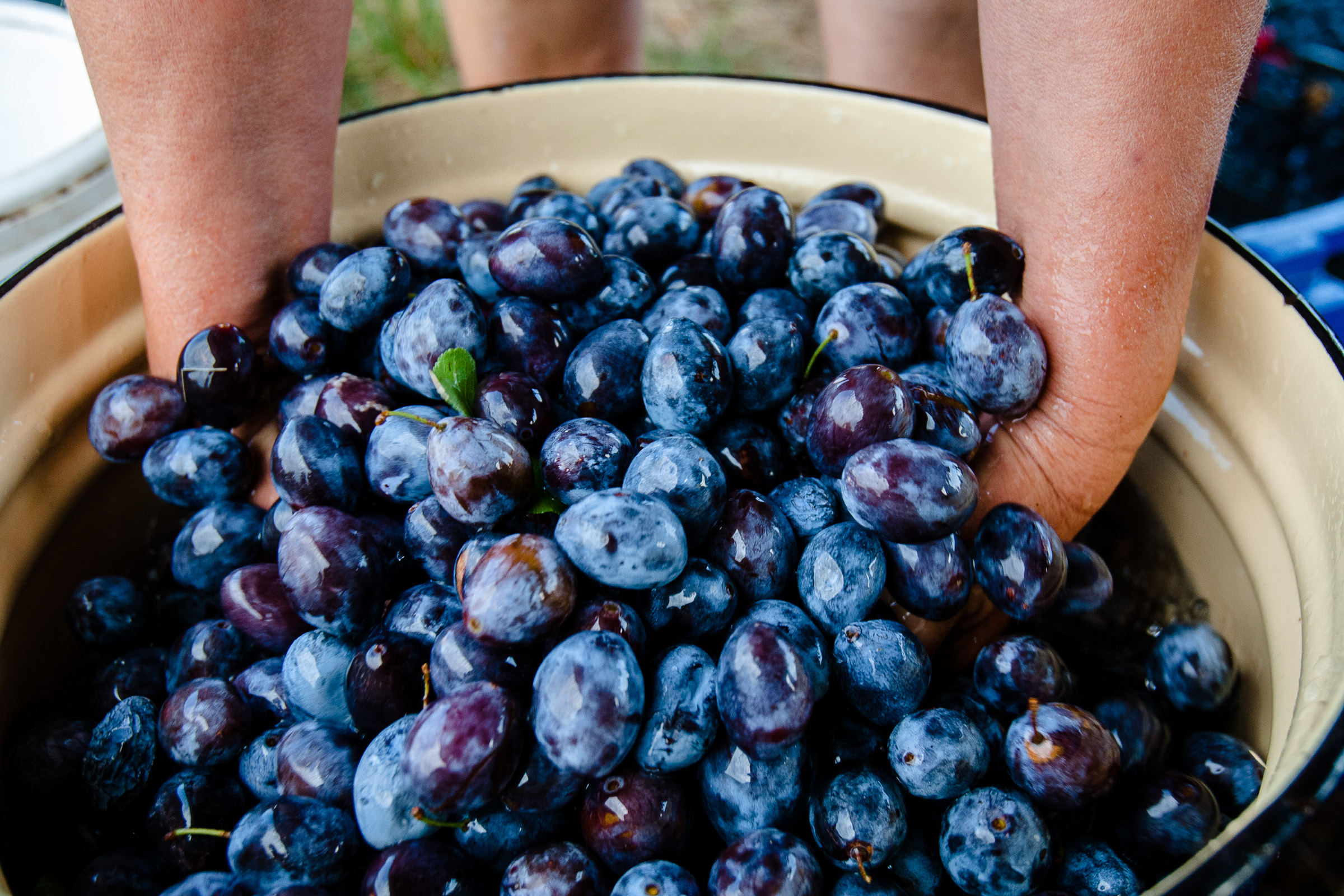
Due to technologies, plums in the next pot are stirred by an electromotor. Hosts are laughing: no, of course, we will stir by ourselves, the electromotor is working only when we are busy with cleaning fruit. The best plum for lekvar is called “uhorka” in Ukrainian (Uhorka is a female citizen of Hungary). It is dark-blue elastic fruit. It is easy to take out its pit. These plums are not very big and pretty, but they are delicious and used for cooking the thickest, even black, lekvar.
“Come to us. We have 150 kilograms of plums left. We open a plum with fingers, take out a pit and check whether the plum is rotten. We don’t feel our fingers in the evening, our hands will become black either! But we like the process!” Natalia Hrab shows how to select plums properly.
images not found
The woman tells that traditionally, a family gathers with its neighbours, and they cook lekvar together while chatting and eating. She comes from the neighbouring village of Bakhta, not from Hecha, however, she respects lekvar cooking. There are many plums in her village, too. They like baking there.
images not found
“Those 12 hours are counted from the last plum put to a pot. Usually, people start to cook lekvar in the afternoon and finish it in the morning. Well, it takes time… Unfortunately, there are not many traditions left in neighbouring villages, but Hecha still has it, and it is our traditional cuisine,” Mrs Natalia says.
images not found
The best treats to eat with lekvar are legendary hombovtsi (mini-knodels of yeast dough steamed and rolled in fried sweet pieces of toast or hazelnuts), or buns “haioshi”. “When we slaughter a pig, we don’t throw away its fat, it is called “hai”. We grease dough and cook haioshi, our buns. We cook it for all holidays: there are no Easter or Christmas without them. The only filling for haioshi is lekvar, it is thick so it won’t leak out,” the hostess says.
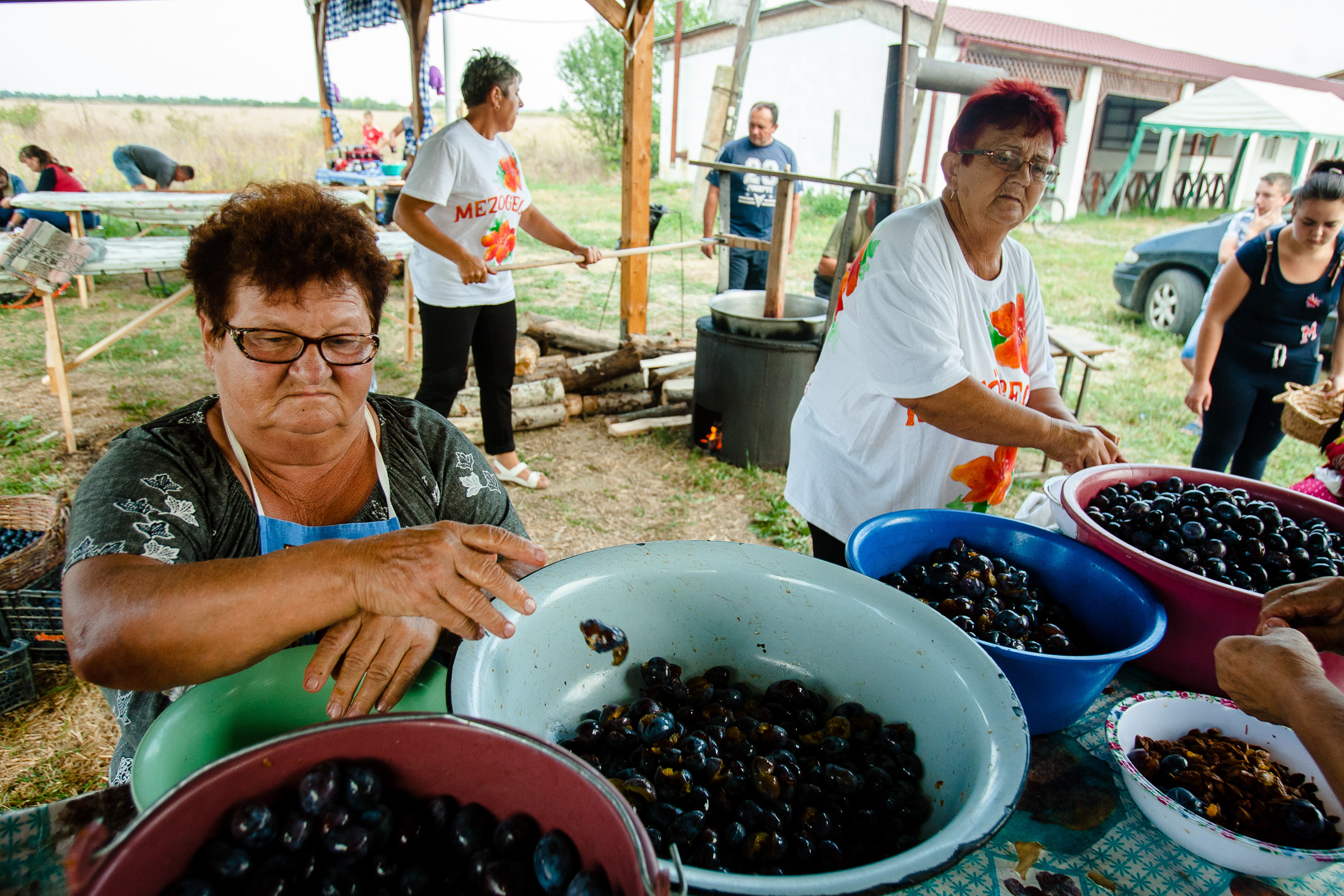
“Oh no, I don’t understand what you are asking about, please speak Hungarian. I am a member of a folklore group, we follow traditions of our ancestors – ethnic Hungarians, so we will speak only our language,” Mrs Viola Satmari has wet hands, her T-Shirt says, “Flame Lily. The Club of Reconstruction.” – “We save all the songs, customs which were in Hecha, in our villages, we save all the culture and cuisine as well. On holidays, we show people here and abroad how people used to live, for example, such traditions as cracking corn, poultry plucking and of course, lekvar cooking. It is our favourite.”
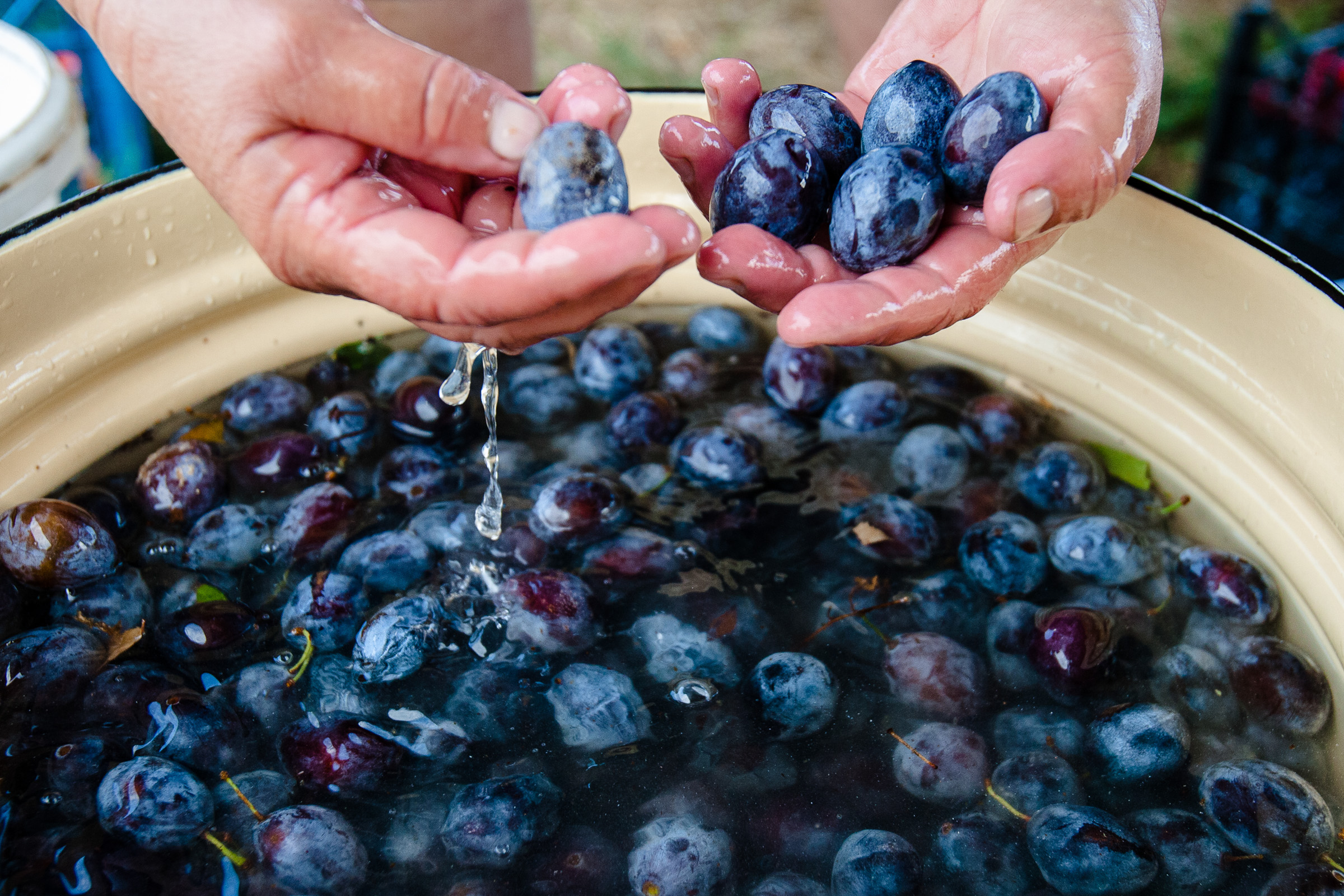
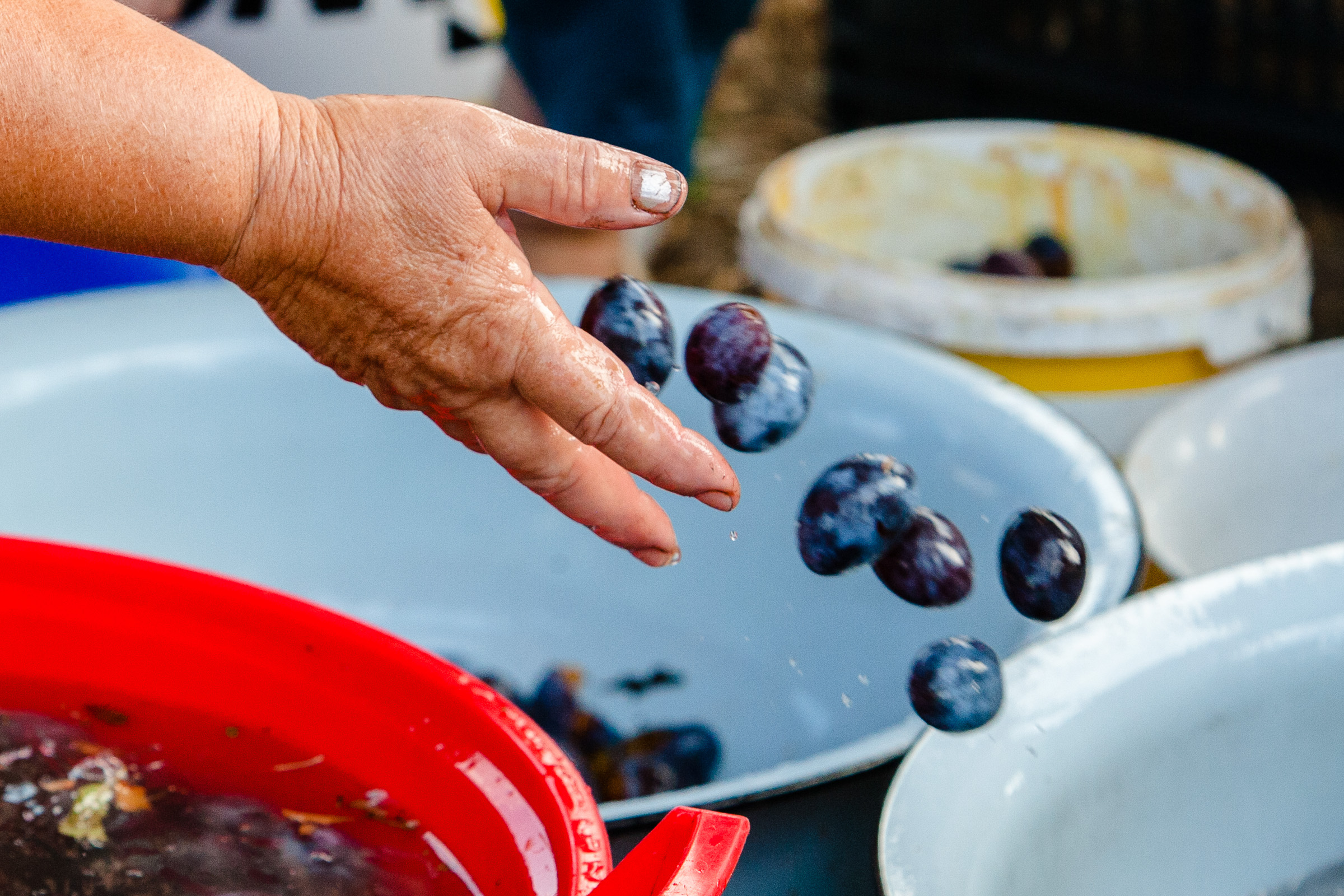
“Girls, what song do we usually sing when we cook lekvar, remind me! (girls are singing). Oh, yes, it is about a plum which has ripen and fell down of a tree!” Mrs Viola is taking plums from the next basket.
They will sing together later, when only two baskets are left. There is material for lekvar cooking on the table, a slim bottle with some transparent liquid is next to it. “Silvo-palinko”, a plum palinka – vodka made according to a classic Hungarian recipe of fruit distillates, a famous “slyvovytsia” (slyva is a plum in Ukrainian) – it is one more traditional product at the lekvar festival. One festival team even has a slogan which is translated from Hungarian as “We make palinka and lekvar from the same product!”
images not found
“Well, at first, we drink 50 ml of palinka and then start working, it is an aperitif! Do we bake muffins while cooking lekvar? We cook meat!” Mrs Morika Dobosh says, smiling and adding plums in the pot.
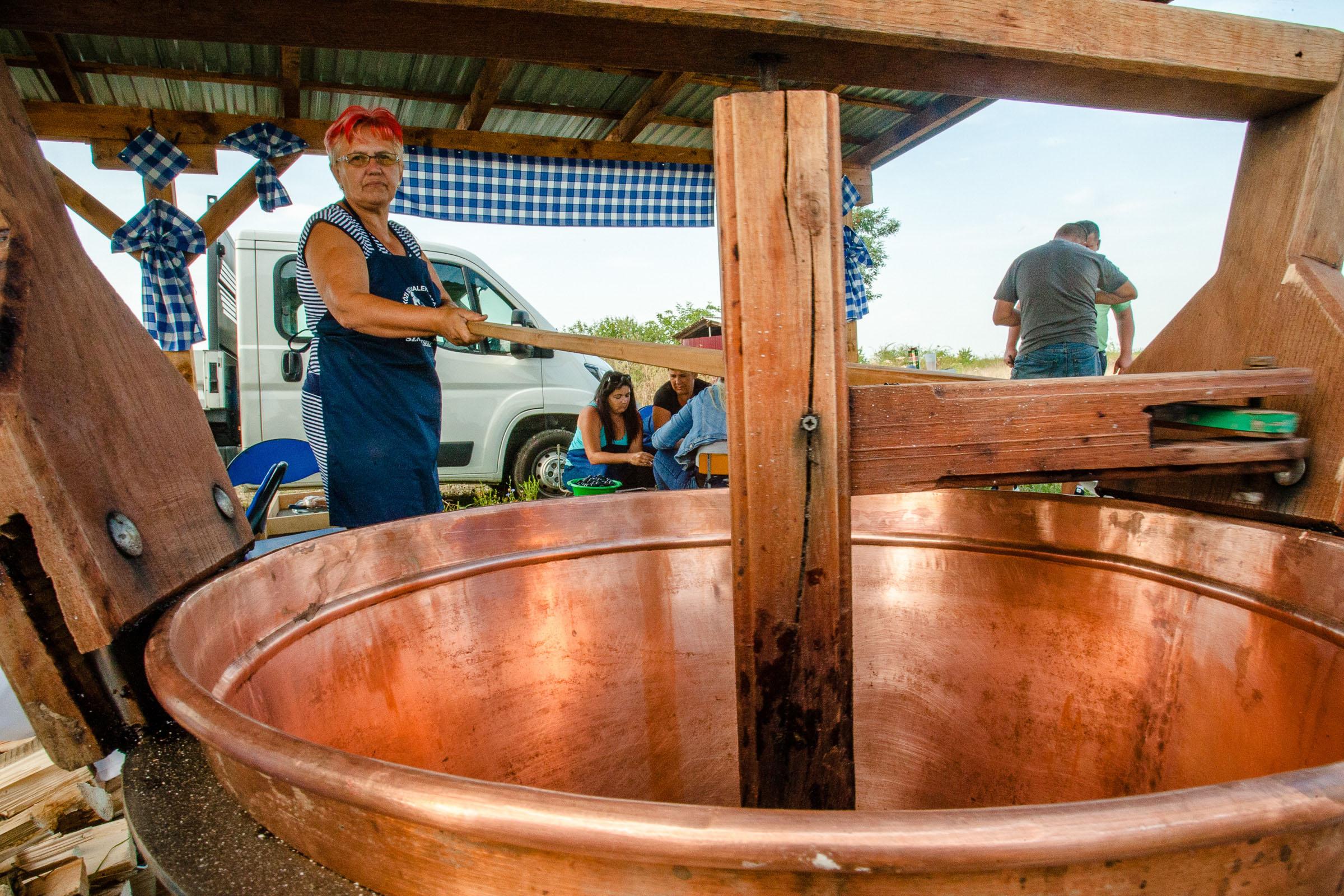
Mrs Dobosh came to Hecha not only with plums and the pot but also with different jams. A Hungarian team from the town of Sotmarcheke (not far from the border and Hecha) has a big plate with hot pork on their table. The lekvar exhibition is just beside it.
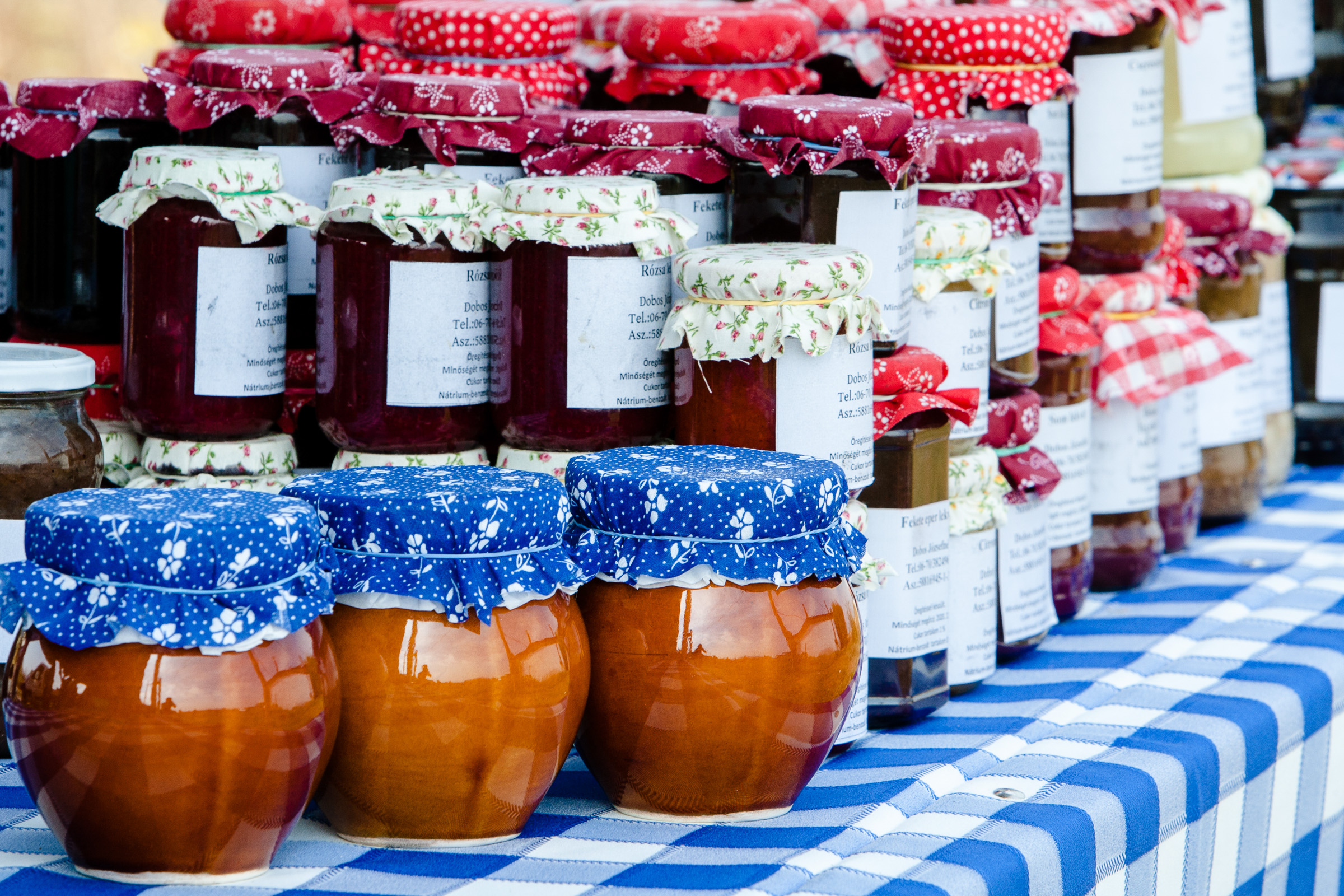
Hungarian women are the best lekvar cooks. Lekvar can be made of different fruit and vegetables. Jams, jellies are also can be called lekvar. However, just the word “lekvar” means only our hero – a classic plum jam.
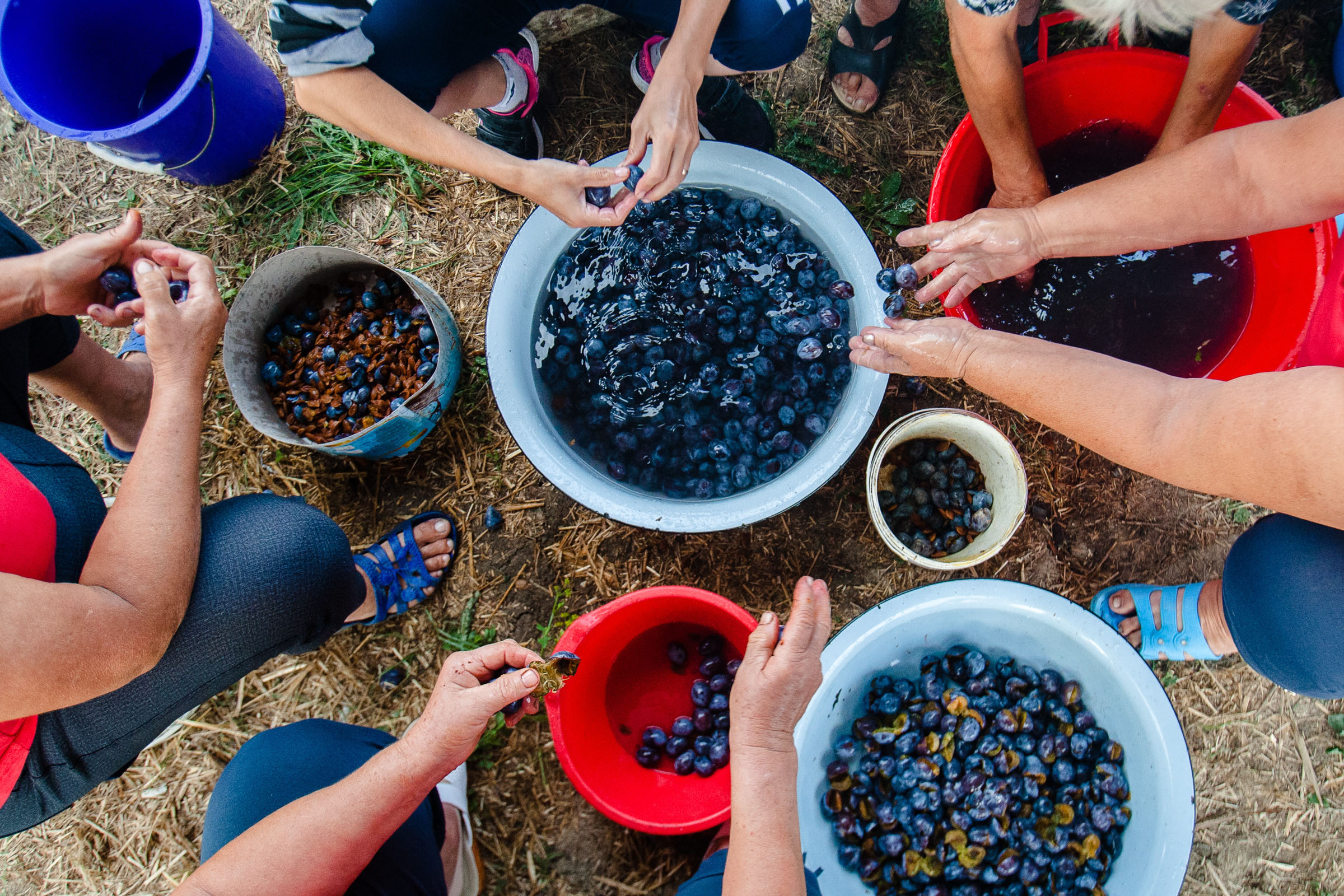
“We have a rose, onion (served with meat), nutmeg lekvar. We don’t add anything to a plum lekvar: any spices, any sugar. Usually, we do it this way: we cook it in four pots and then put everything in one and cook until it becomes thick. We cook plums only in copper pots for a very long time – up to two days so it will get a proper thickness, my grandmother taught me so. Lekvar becomes not only delicious but good for health. Doctors of the Debrecen Oncology Clinic officially advise eating a little of lekvar every day as a precaution! What is my favourite dish? I like turnovers and buns-pohachi (a traditional salty Hungarian bun with fried lard), well, I like to eat lekvar just with a spoon, too!” Mrs Morika says. She also answers to tourists who pay attention to a well-dressed team from Hungary. Last week, they had their own lekvar festival, the 20th one. They were cooking plums from the dawn to the late night in pots built in clay, they were eating and drinking good, singing songs…
images not found
Andrii Meshter is a head of Hecha and a member of the Region Council on Tourism in Zakarpattia. It is he, who made up an electromotor for his lekvar-team, and he continues to bring plums, “The Hecha Lekvar Festival is our summer holiday. Why lekvar? Because it is a tradition. Everybody cooks it here, and it is sold here throughout the year: almost every family has a hundred or more kilograms (lekvar is traditionally measured not in jars but by its weight, the price is from 120 hryvnias for a kilo). Hecha is the capital of the lekvar, without a doubt.”
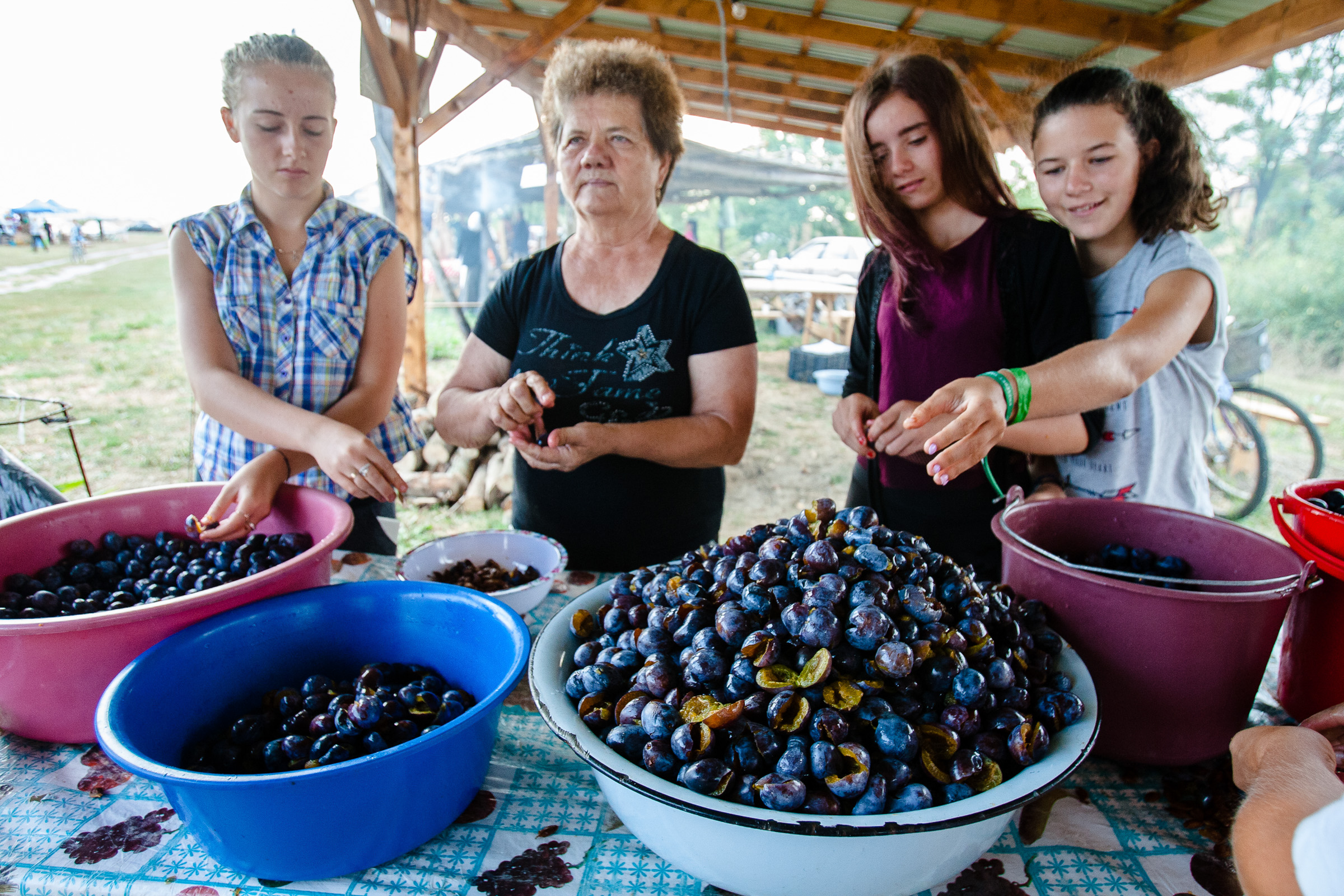
“Due to two festivals, (there is a festival of meat, butchers, as they are called here – henteshi), Hecha has become a famous village. Tourists who want to rest in a Berehovo district, rent here “green” cottages. This way, we develop our village, you can see, lekvar helps us! And of course, a delicious Zakarpattian cuisine with Hungarian and Ukrainian dishes is our feature. For example, today, we will have a competition on the best bohrach, bableves, holubtsy… Tourists eat these dishes, and then we serve something with lekvar for a dessert! My favourite dessert is, perhaps, varenyky,” the head (birov) of Hecha smiles.
There is a famous saying in Zakarpattia: to fall in lekvar. It means to be stuck with something, not to be in touch, to get lost. It seems to be a good variant – to fall in lekvar in Hecha… At least it is delicious and vibrant.
By Alla Haiatova
Photo by Serhii Hudak