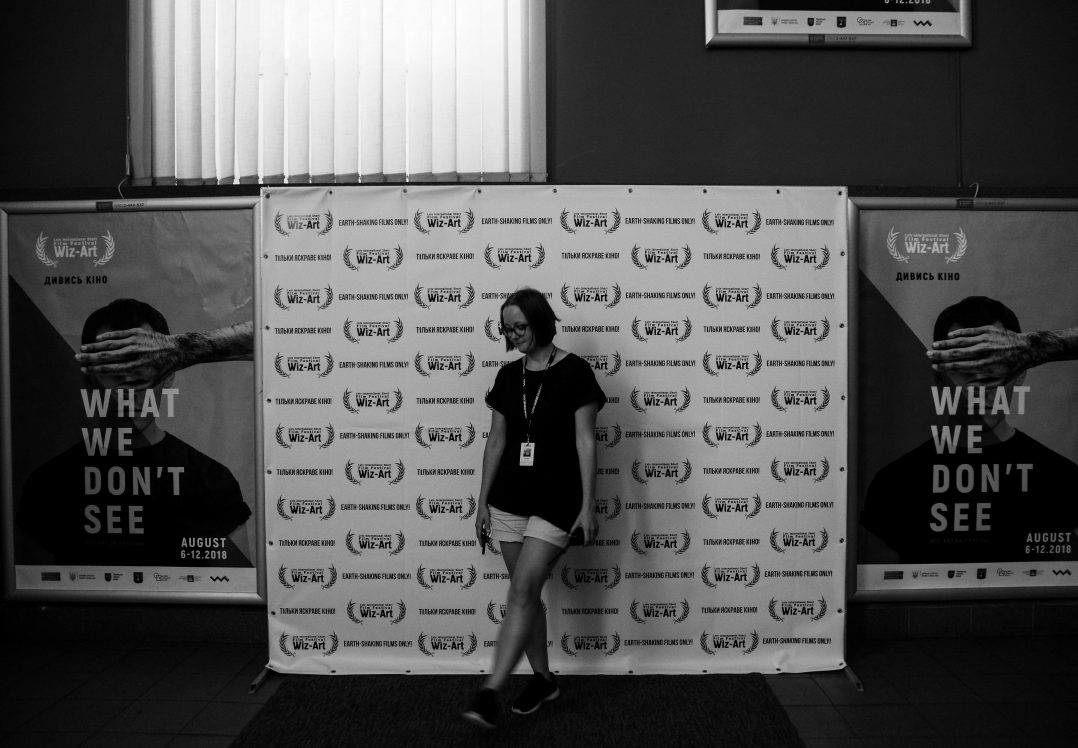


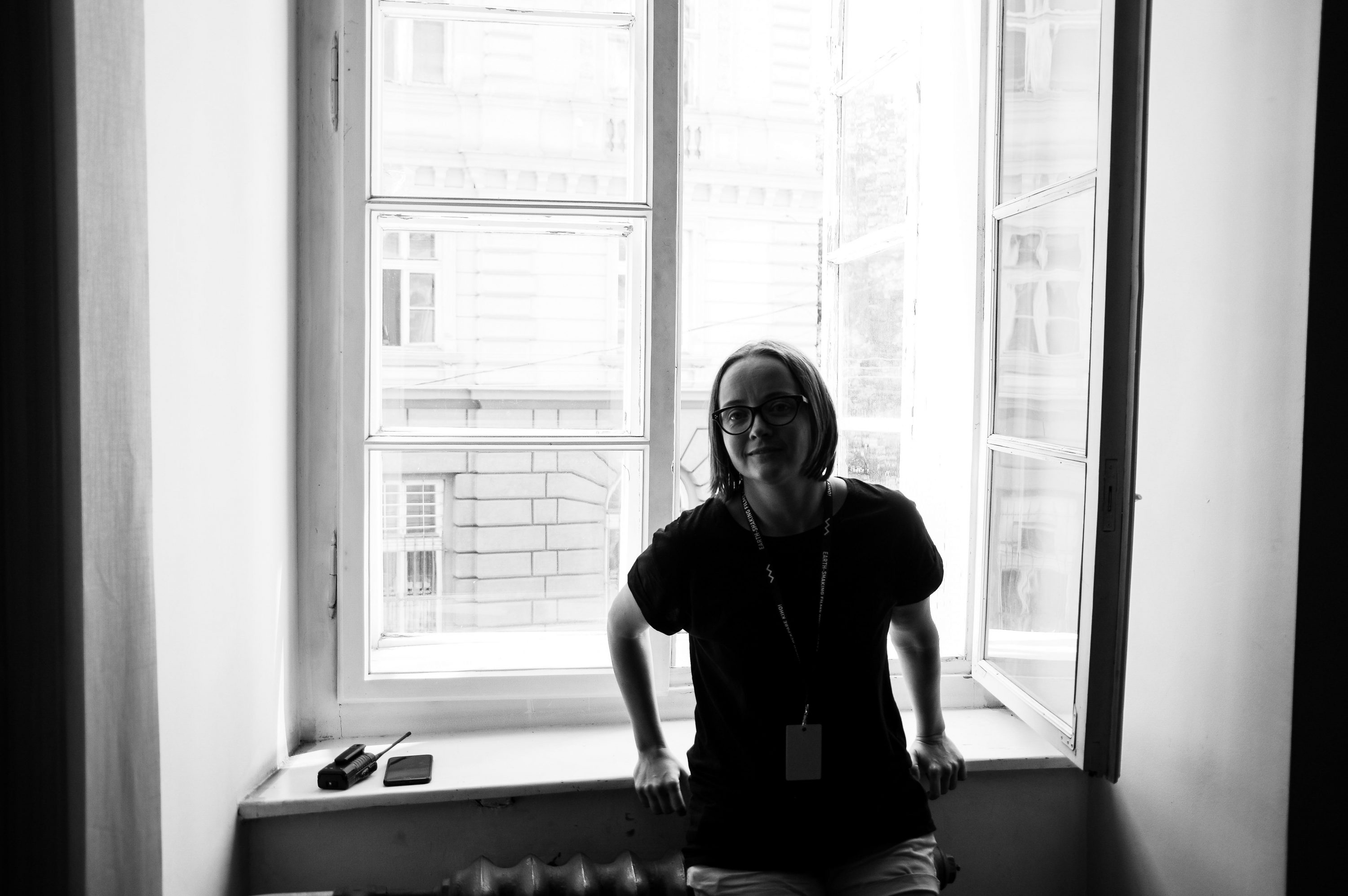
11th Lviv International short films festival Wiz-Art took place this August. Organizers and visitors had passed a long way from an unknown local event to a status of an important cultural spot on a map of Ukrainian and foreign short films lovers. 127 films were presented this year through special, national and international programmes. DUMKA had a talk with Olha Reiter – a programme director and co-founder of the festival.
During the opening ceremony, you’ve said that it was happening within non-formal conditions, with no pathetic official speeches. How do you keep this ‘friendly atmosphere for soulmates’ while being an important international cultural event?
It may be happening because neither I or any of our team members has any ambition to talk big about our work at the festival. We have the ambition to show movies that would excite our visitors’ imagination instead. It’s our choice to either make a festival just for its name or to improve and develop the quality of community as we see it. I’m trying to move from a festival’s director role to put more effort into its programme composing instead. We have a bigger team this year and this has a positive impact on the level of the organization too. We are still learning to work with each other though. We are not trying to be someone else. We can’t imitate the pathos as much as we don’t talk about things we don’t believe in just to get sponsorship. These are some of our principles and I hope our visitors can see it through our work.
This year’s slogan is “What we don’t see”. What idea and reasons stand behind it?
I had this situation with my friend once. I’ve asked her what she thinks should we talk about nowadays. She said that we’re imitating a lot in Lviv – we’re shouting out about its creativeness and success in IT, but at the same time we remain silent about factories workers, public transport, we don’t speak to our partners. Pretending that we don’t see something that is happening in front of use, not telling our feelings out.
I also visit a pool sometimes, where I have to use a public shower. I remember all these stories from the very childhood when parents would close my eyes so I don’t see naked bodies. This was closing eyes to something natural and essential, tabooing human body and building complexes about ourselves and others. So we came up with the idea of this poster – simple and easy for understanding. Lviv also has its own slogan – “Opened to the world” But it’s not always true, we’re still tensed, here in Lviv and in Ukraine overall. I’m very glad we had this discussion about equality and inclusion. It was loud, but no one had beaten anyone. It was good.
The city and festival do affect each other. What relations have Wiz-Art with Lviv during all the years of its existence?
We haven’t been considered or financed at all during the first five years. We also didn’t quite know what exactly we were doing, and what for. But in 2012 we came up with a whole new concept of the festival. We also paid more attention to our design. It was awful before. We had to move screening location as well. This year we’re screening with DCP technology, which requires more work from our technical department. We almost ran into a financial crisis due to this. I’m happy we’re moving forward and keep screening quality and important films.
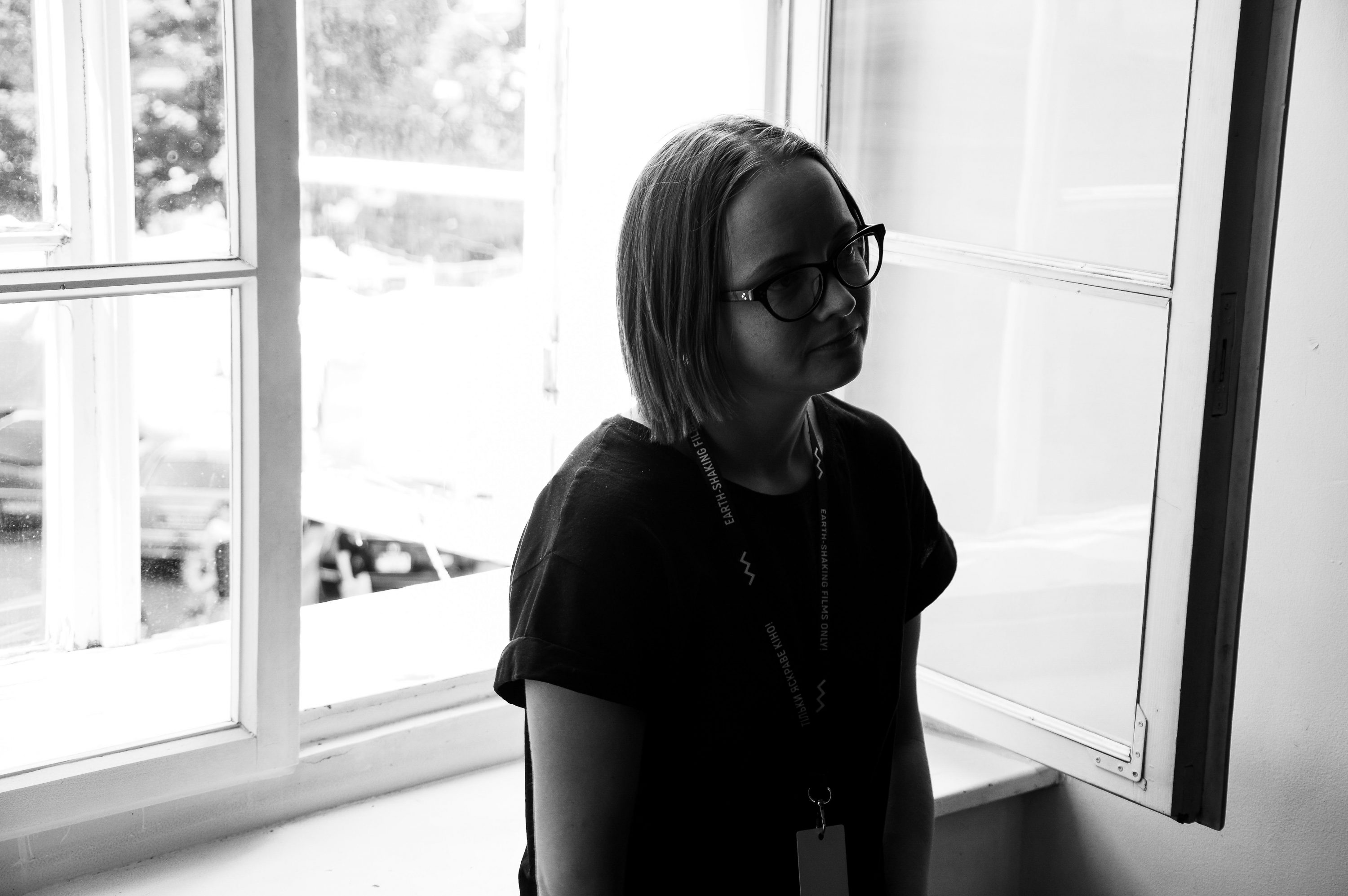
How did your team change through those 11 years? Is there anyone in from the very beginning?
I’m the only one left from the initial team. That’s why I’m feeling ‘old’ sometimes, but we have people here whose experience is more than 5 years, they’re ‘oldies’ too.
What do you do to increase your professionality level? Do you visit other festivals, workshops?
Yes, we’re always trying to visit more festivals. This year we’ve been invited to make a Ukrainian film programme at some festival in Germany We look what’s best amongst other festivals, then trying to build it in here, regarding local context. For instance, we can’t just duplicate Vienna Independent Shorts. Lviv is not ready for such a format. Austrians have passed a line of radical experiments long ago, so now their visitors are ready for it. We also try to add some radical decisions to our programme. But it’s more like a cherry on top of the cake. I believe it always has to be a balance between sorrow and joy, understanding and misunderstanding in the movie – that’s how we build an impression of not only the festival but of a whole cinematographic process. You can’t see this in cinemas, where everything is standardized and shaped. The world of films is very dynamic, it changes constantly and short movies directors are the ones who are able to react quickly and create a wider circle of perception.
How does your audience change? What is it like this year?
Mostly they are youngsters between 16 and 40 years old. Its always a pleasure to see how our visitors grow, lots of them have their own families already. It’s not only about screenings for me. We’re trying to build our own infrastructure here for visitors – with the festival itself, film school and film commission.
A Nobel prize winners Svitlana Aleksievich lecture was canceled a few weeks ago in Odesa due to the threats. Cases like this are happening often in Ukraine. Equality marches, lectures, their visitors, and organizers have been also attacked. One of Wiz-Art principles is a need to talk about controversial issues. What do you think about the cancelation of such events?
I think our position is understood only by a certain amount of people. We don’t talk about this straight. The only attack we’ve experienced happened in 2011 – someone threw in a smoke bomb to a hall while screening was taking place. It happened just because we had a word ‘sexual’ in the name of the event. I believe we’re coming out of this bracing and probably this year the same attack-boys will visit us with their girlfriends to watch our Sexy shorts programme. They’ll be able to see how different sex can be and why people have it.
I don’t think it’s right to cancel the event – it’s always better to call security services for protection. We did this few times just for safety.
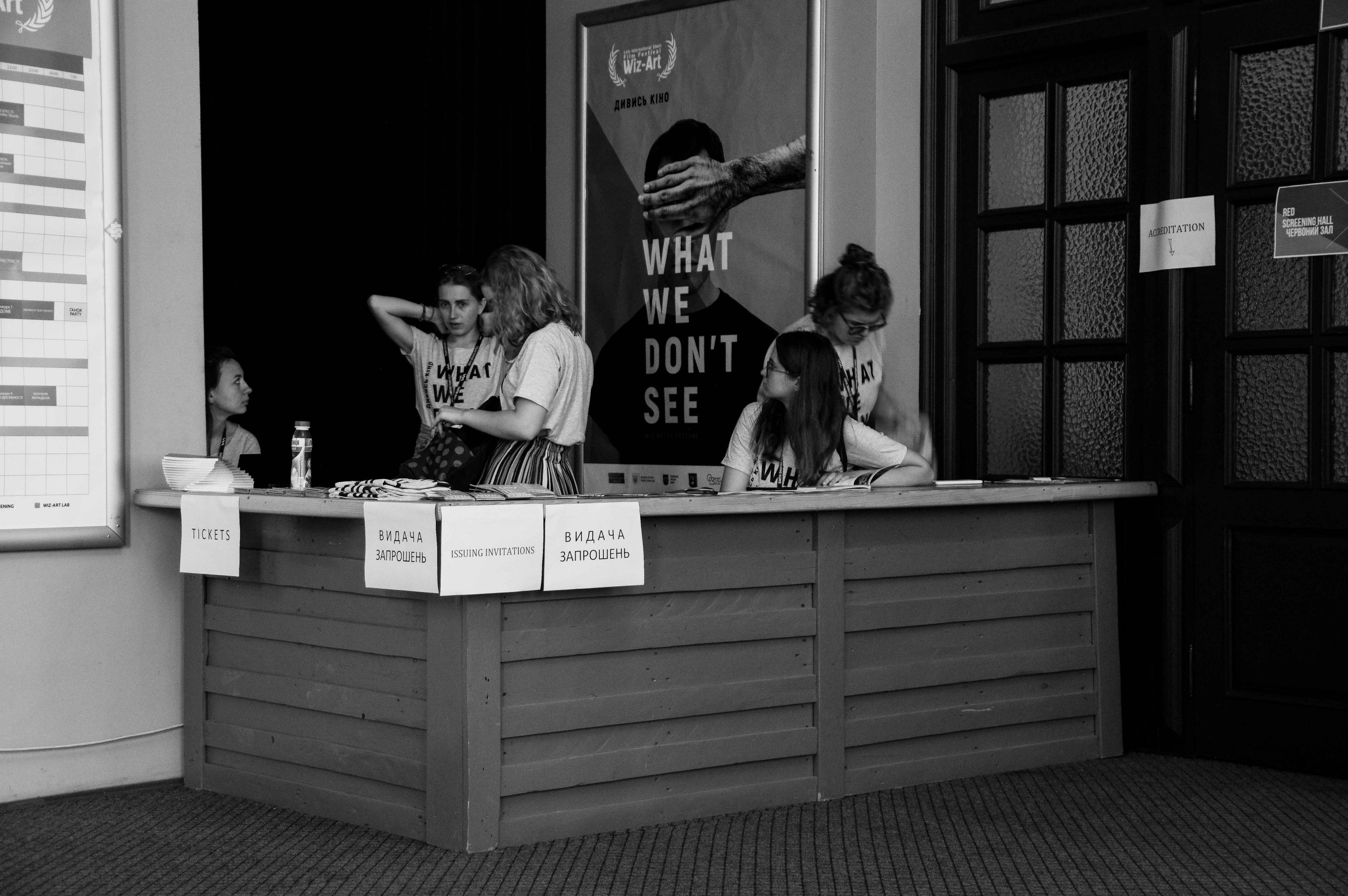
How important is it to keep speaking while being threatened?
You have to speak up. Few nights before the festival we were checking some of our movie copies in a cinema hall that shares a building with an Officer House. There was a watchman there, whom we met every night. He was very intolerant towards us during all those nights, he wouldn’t let us out till 6 in the morning. We always had tense dialogues, but I believe it’s important that we’ve been trying to find a compromise. I’m telling about one man here, but if you are under attack of a group of people it’s not about dialogue anymore. Still, we should always look for a human in each other. We always need to talk more.
Who is responsible for programme composing?
I work here now as a programme director of the festival. There are four of us who watches through all the movies and chooses them after. There are also certain people who are responsible for special programmes – British, for children, etc. Valentyna Zalevska is the one who responsible for the international programme.
You’ve looked through a lot of movies while composing this years programme. What trends did you notice in international and Ukrainian short films? What are the common sides and differences?
I’m a bit worried for Ukrainian short film industry, honestly. Directors who graduate from the only specialized university (Karpenka-Karogo) in Ukraine are getting financial help just for their debut. After it, they have to work with full-length movies. We don’t have a program that would support short film directors. It’s often considered as a low-level cinematography. So the only way for directors that would like to cooperate with a government help is to move from short to full-length movies. Amount of good and qualitative movies is small. This was one of the reasons for us to create Wiz-Art film school. It’s important to be helped not just by official institutions but also by local partners and private foundations.
How do you explain an importance of shooting and watching short films to those who you come with sponsorship request and for help?
It’s always not easy, but if they give some amount of their time to watch a few movies it becomes simple. I tell them that these movies are actual, that short film format is the medium that reacts very quickly to nowadays challenges. These movies give us an alternative point of view, the ability to see things from unusual sides. This is what our visitors love us for – being able to watch something they would never be able to see somewhere else.
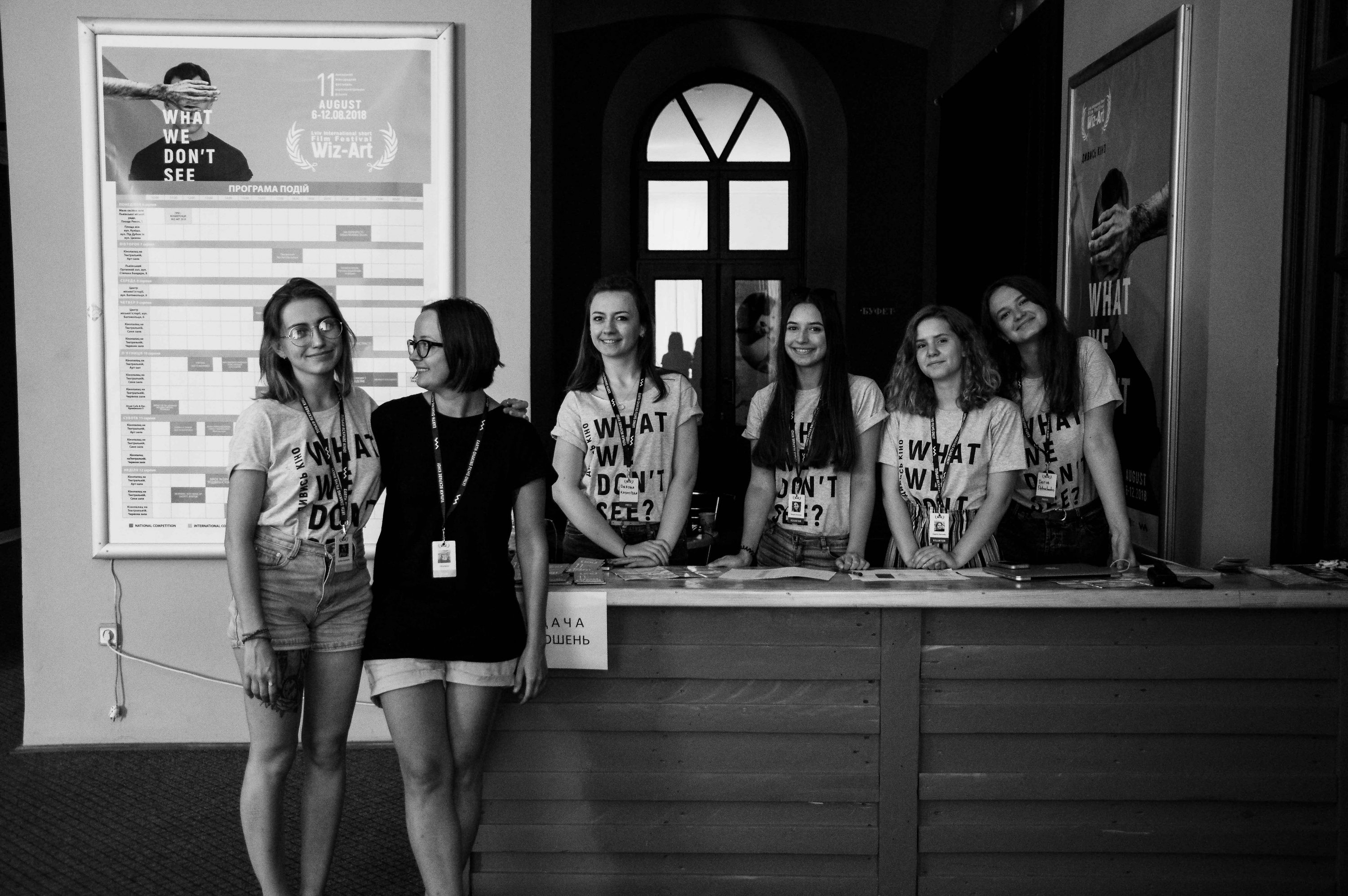
Text and photo by Sasha Naselenko