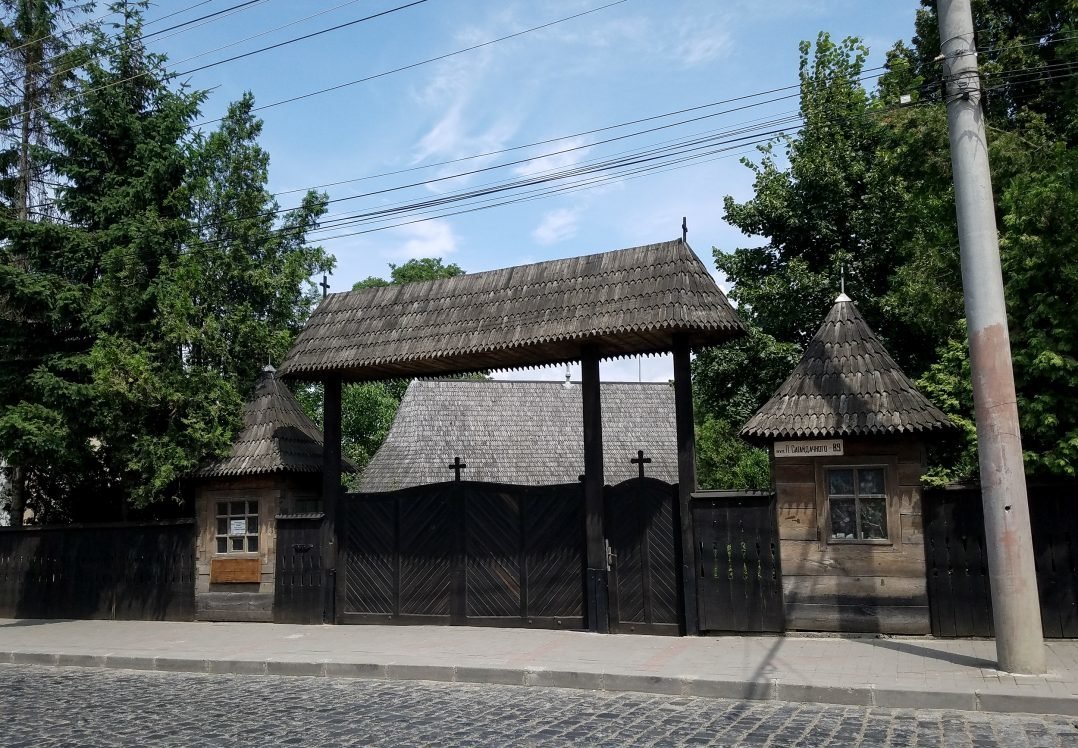


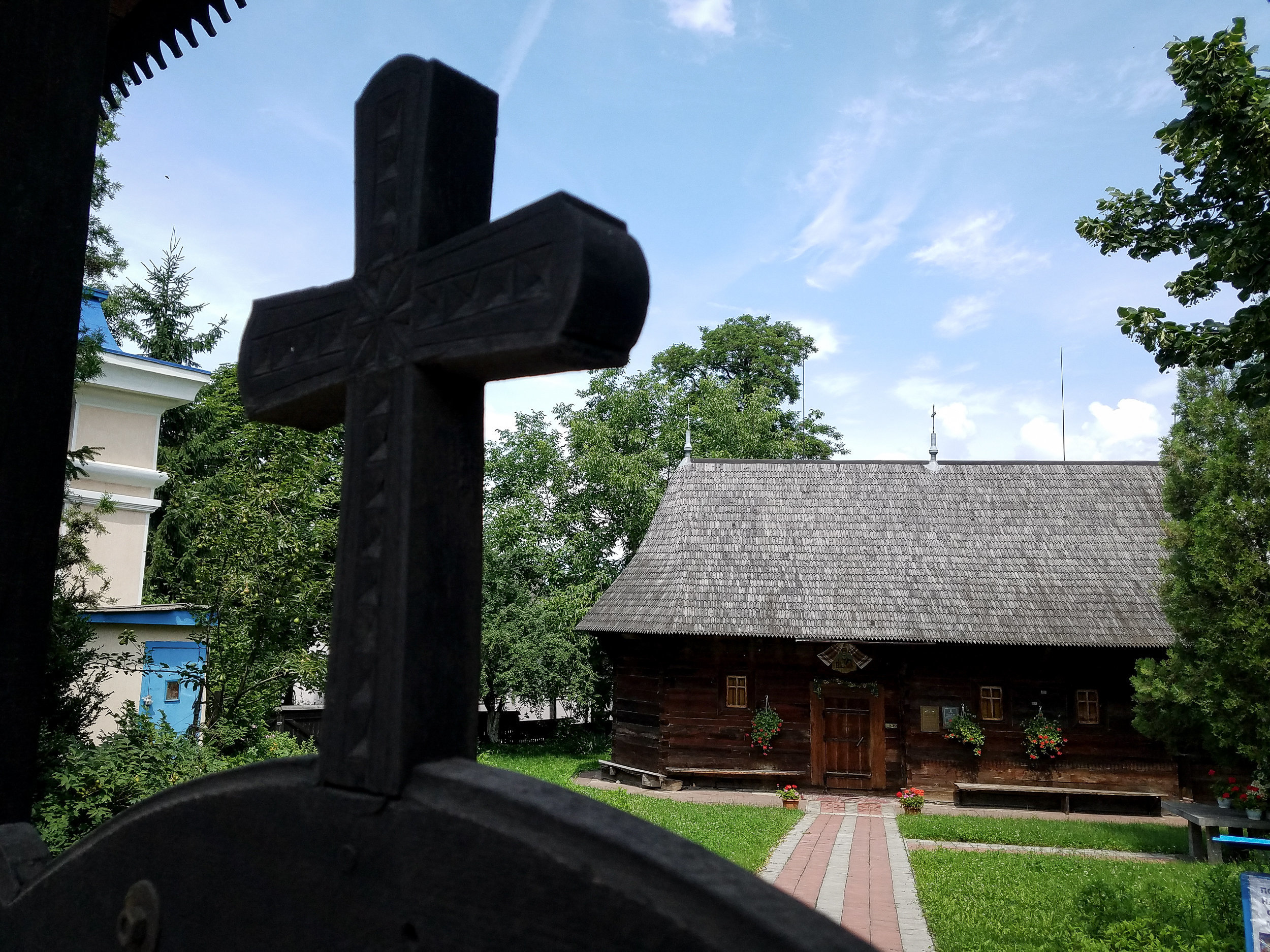
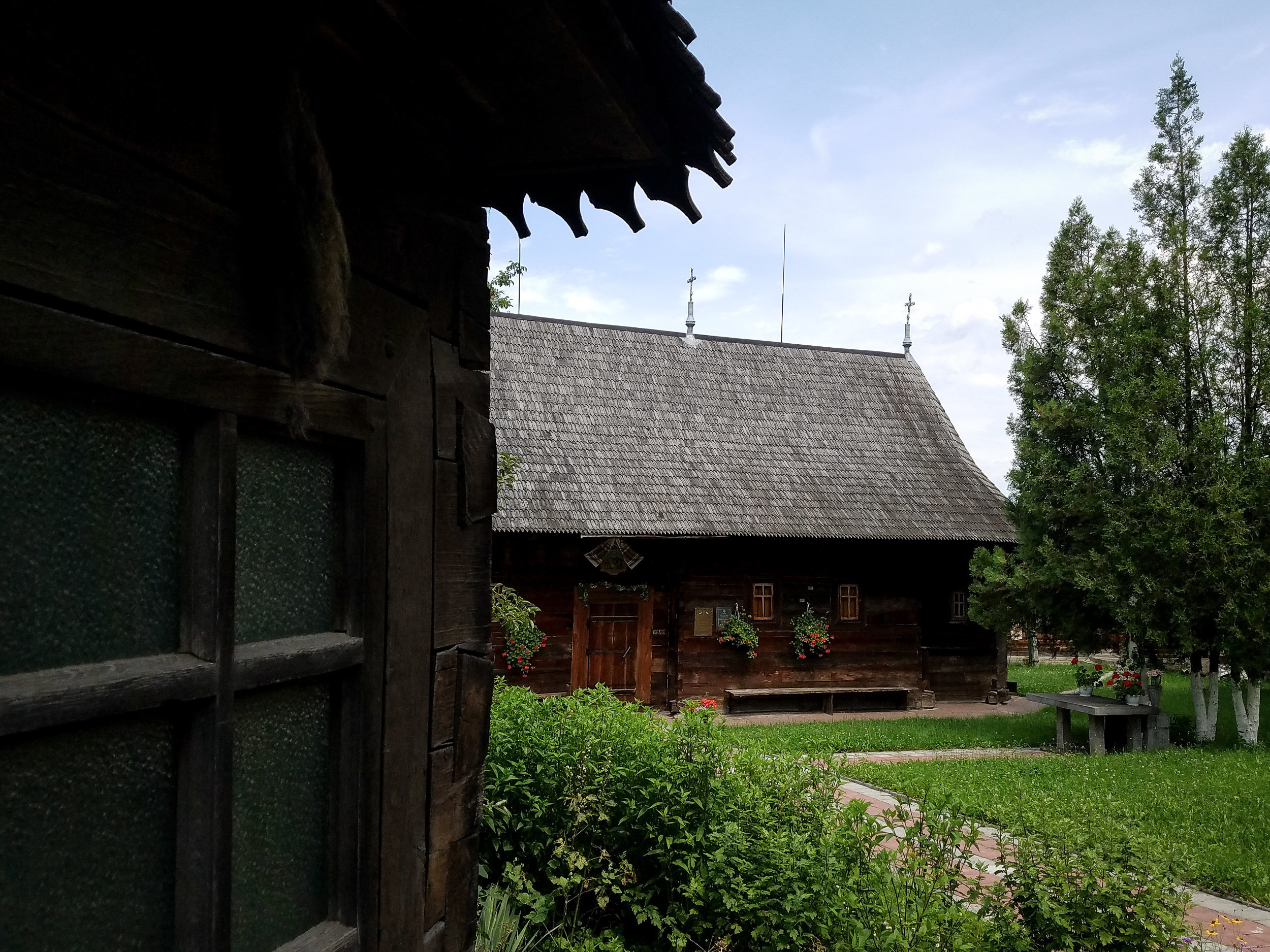
Next to the square of St. Mary, on the Sahaidachny Street, there is a wooden church. It’s hiding under a high wooden fence; the entrance is closed by the massive gate. The church of St. Nicholas seems to be very small, cozy, and like home – friendly.
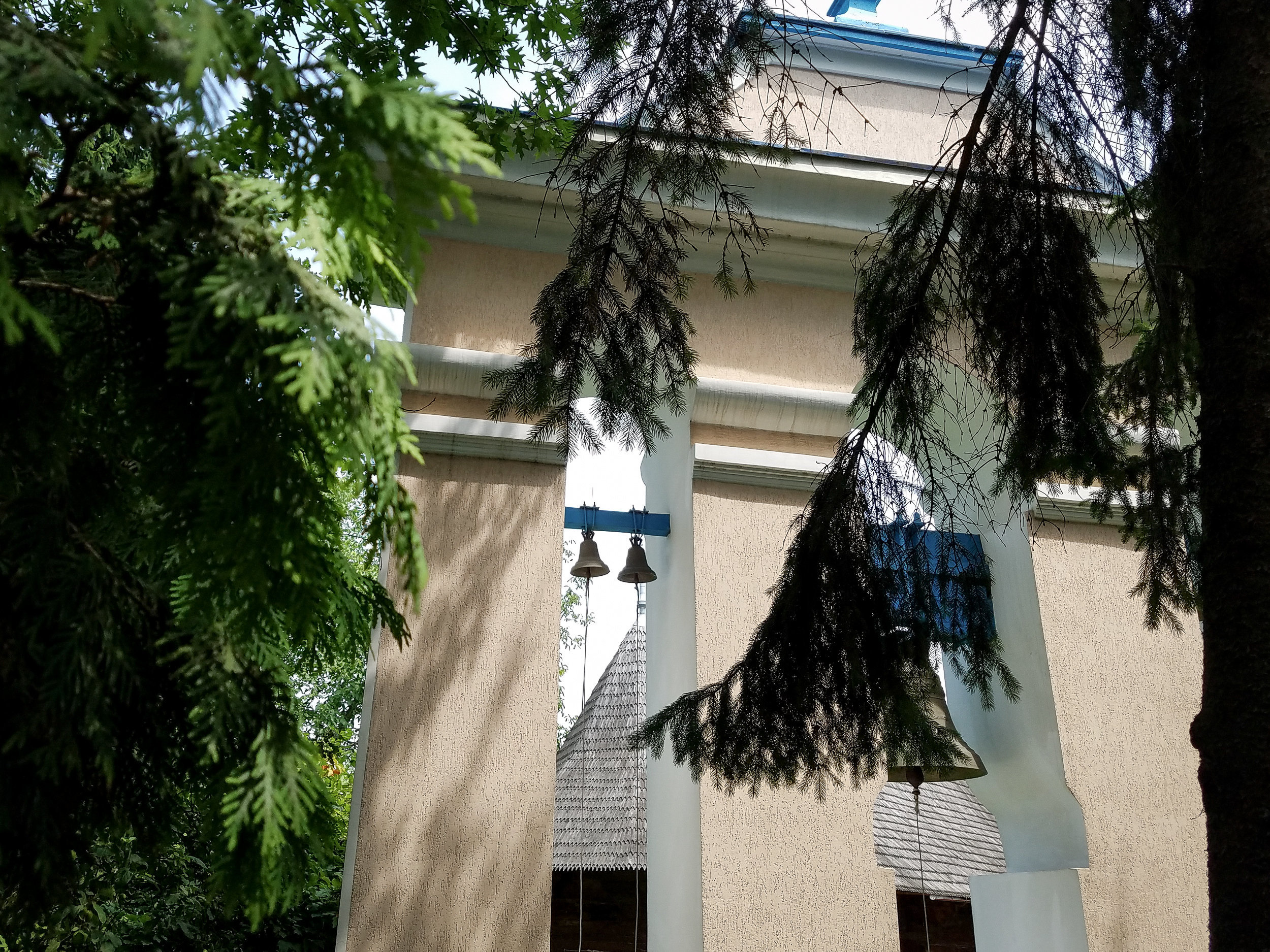
Near the church there is a stone made bell-tower with big and small copper bells.
Mykolay church is famous for its Cossack legends. They say that in 1621 Hetman Petro Sahaidachny came to this church to pray for success in the battle against the Ottoman Empire’s army when it came close to Khotyn fortress. The battle eventually became successful for Cossacks and Poles, but for the Hetman himself, it became fatal. He was wounded during the battle and in a half a year Sahaidachny died.
People say that 30 years later in Mykolay Church, in Chernivtsi the body of Tymofiy Khmelnytsky had been given his last rites. The eldest son of prominent Hetman Bohdan Khmelnytsky was killed during his Moldovian campaign, where he went to help his father-in-law, the ruler of Moldova, Vasile Lupu. And after half a century more, in the small wooden church of St. Nicholas, Hetman Ivan Mazepa poured out his worries in a prayer. At that time he was fleeing after the defeat in the Battle of Poltava.
It is also said that the Mykolay church has heard an appeal to God from all these prominent historical figures. Its walls, icons and altar felt empathy for glorious warriors… But it’s only people’s words. That’s just beautiful legends.
In fact, the story of the wooden church of St. Nicholas in Chernivtsi is not so legendary, but it’s equally interesting. And it is important for the city.
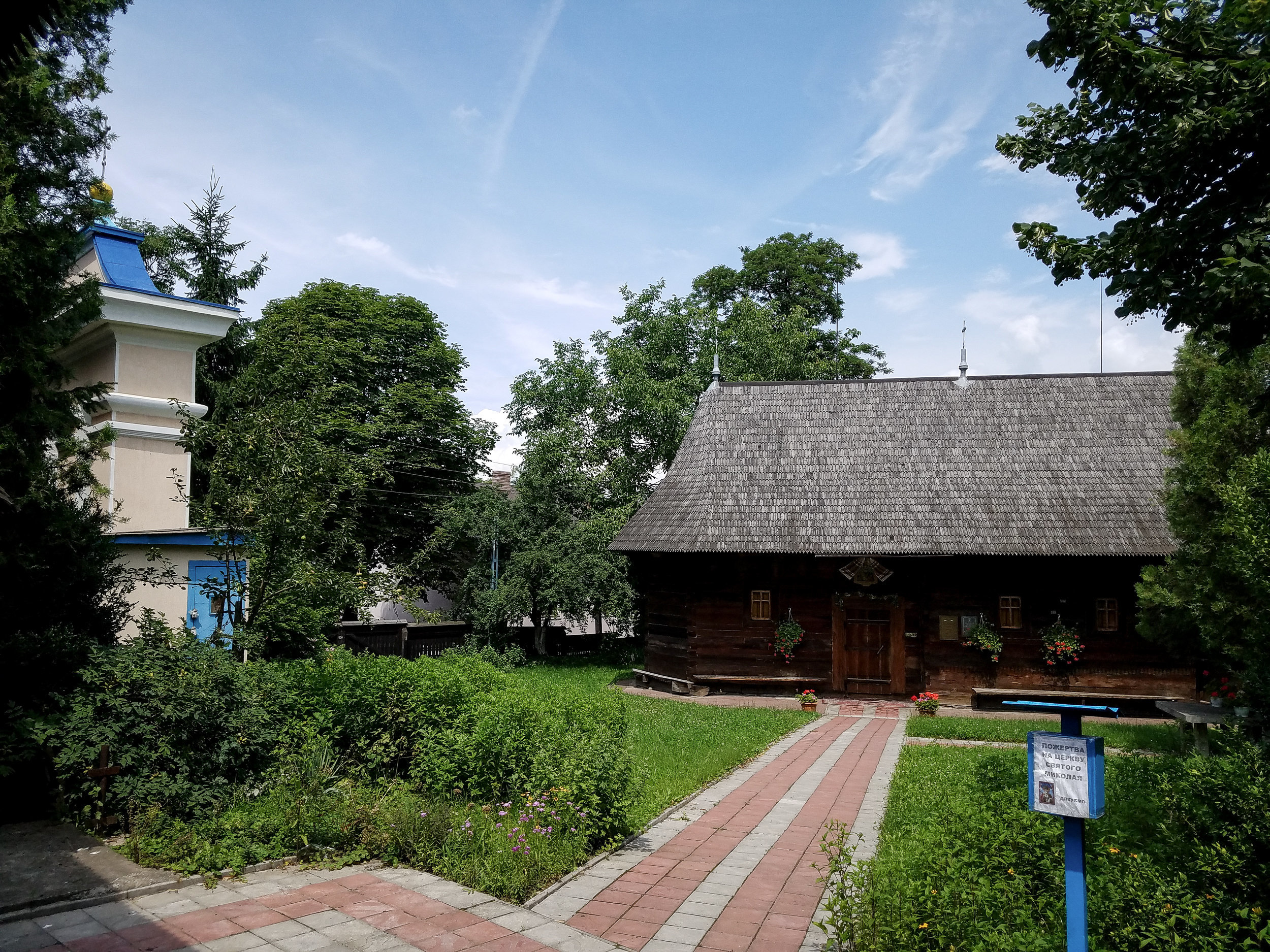
The Mykolay Church was built in 1748. Then Chernivtsi was under the rule of Moldavian principality; it remained a quarter of a century until the arrival of Austrian Empire’s authorities. The town didn’t differ a lot from surrounding villages. There were no stone houses, instead, there were small huts made of Masan, dirt roads; pigs were wondering around the ditches and puddles, dogs were barking on everyone and everything; a forest was situated close to the city and there were wolves.
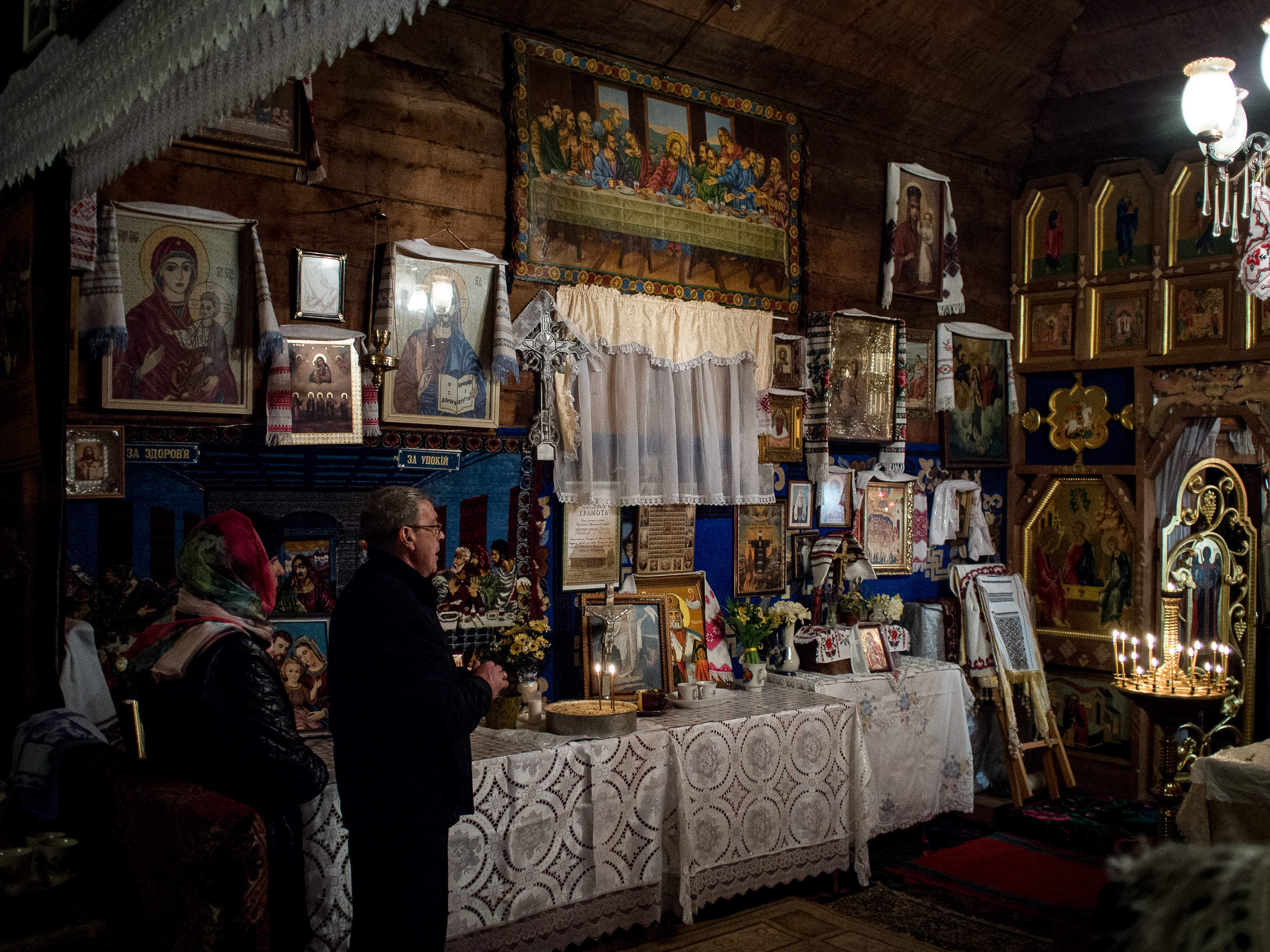
Back then, the city was inhabited by people of different religions. Religious communities built for their needs churches, synagogues and prayer houses.
Mykolay Church was built on the land of a local headman boyar Stroescu. It was he who became the first patron of the temple.
At first, the church was similar to the neighboring houses – small and obscure. However, in 1779, it was substantially rebuilt, expanded, and an extra stone wall was erected. In the same shape and in the same place the Mykolay church is now.
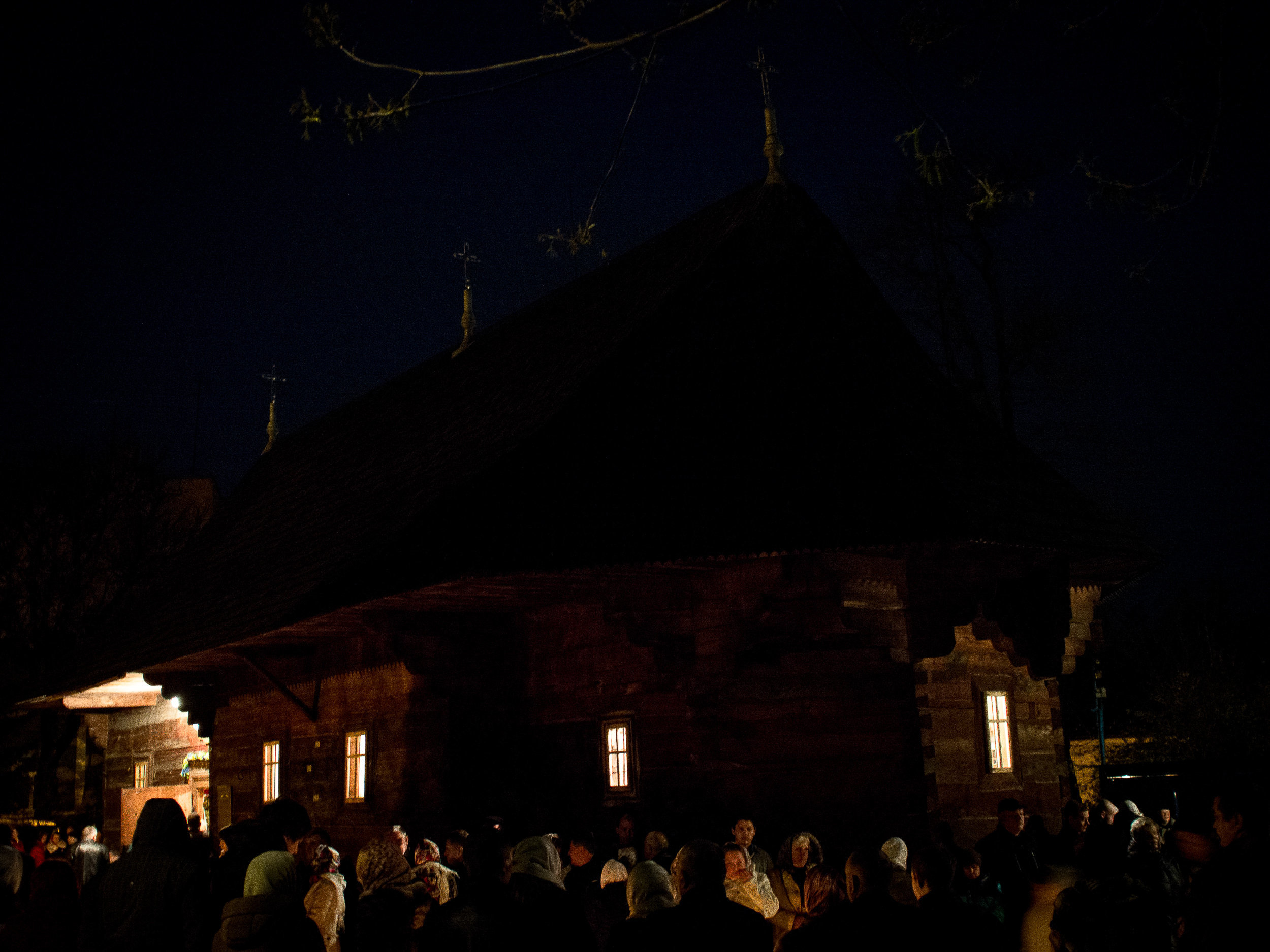
During the Austrian and Romanian reign, the church was open, during the Soviet times it was closed. After Ukraine obtained its independence, the doors opened again. It seemed that the wind of change blew and the church was going to resurrect. However, in 1992 the church caught fire. Officially – it happened because of the candle that hadn’t been put out, unofficially – it had been a deliberate arson. The church, like a mythical Phoenix, had to reborn from the ashes, because 2/3 of the buildings were burnt down.
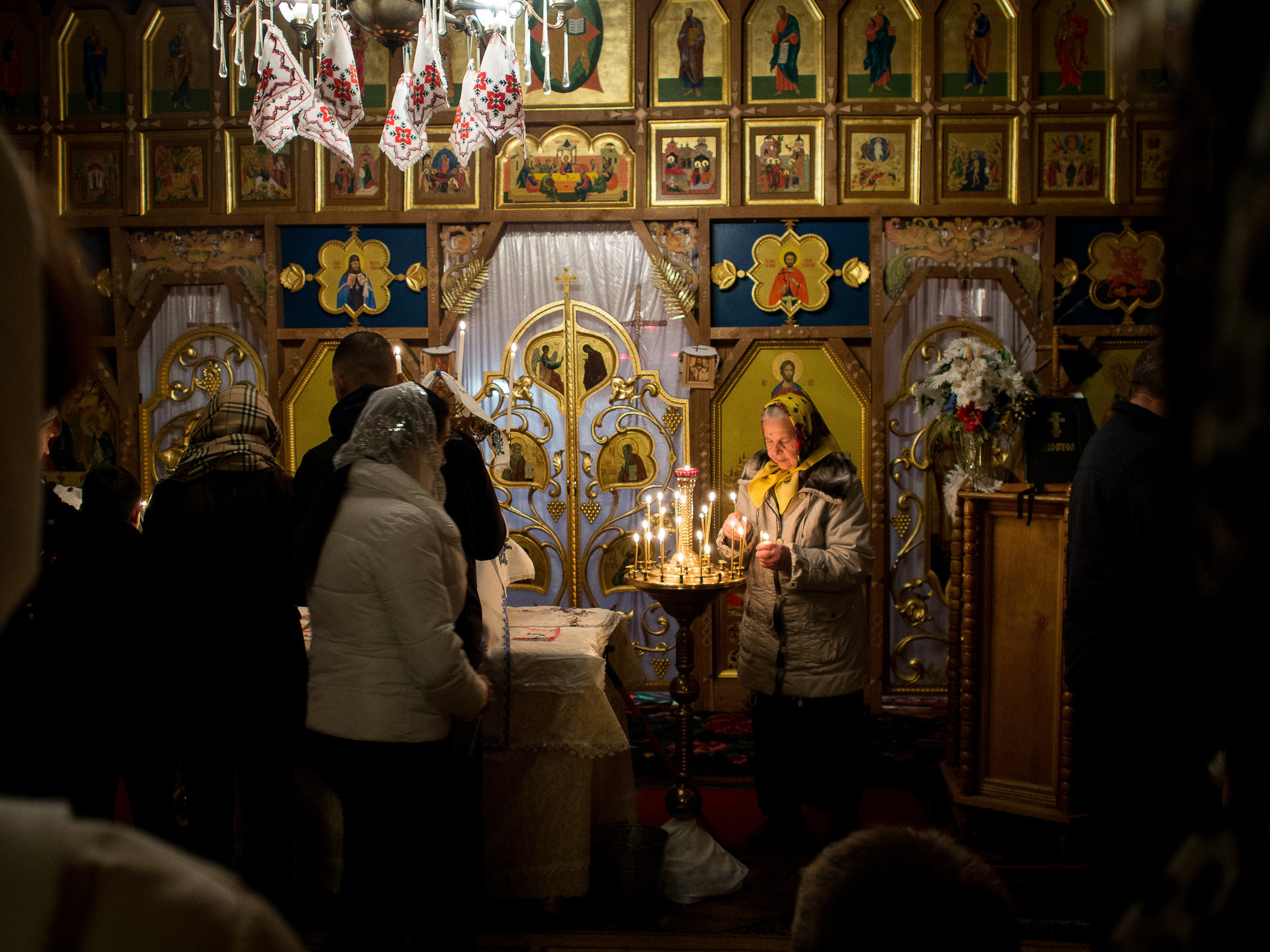
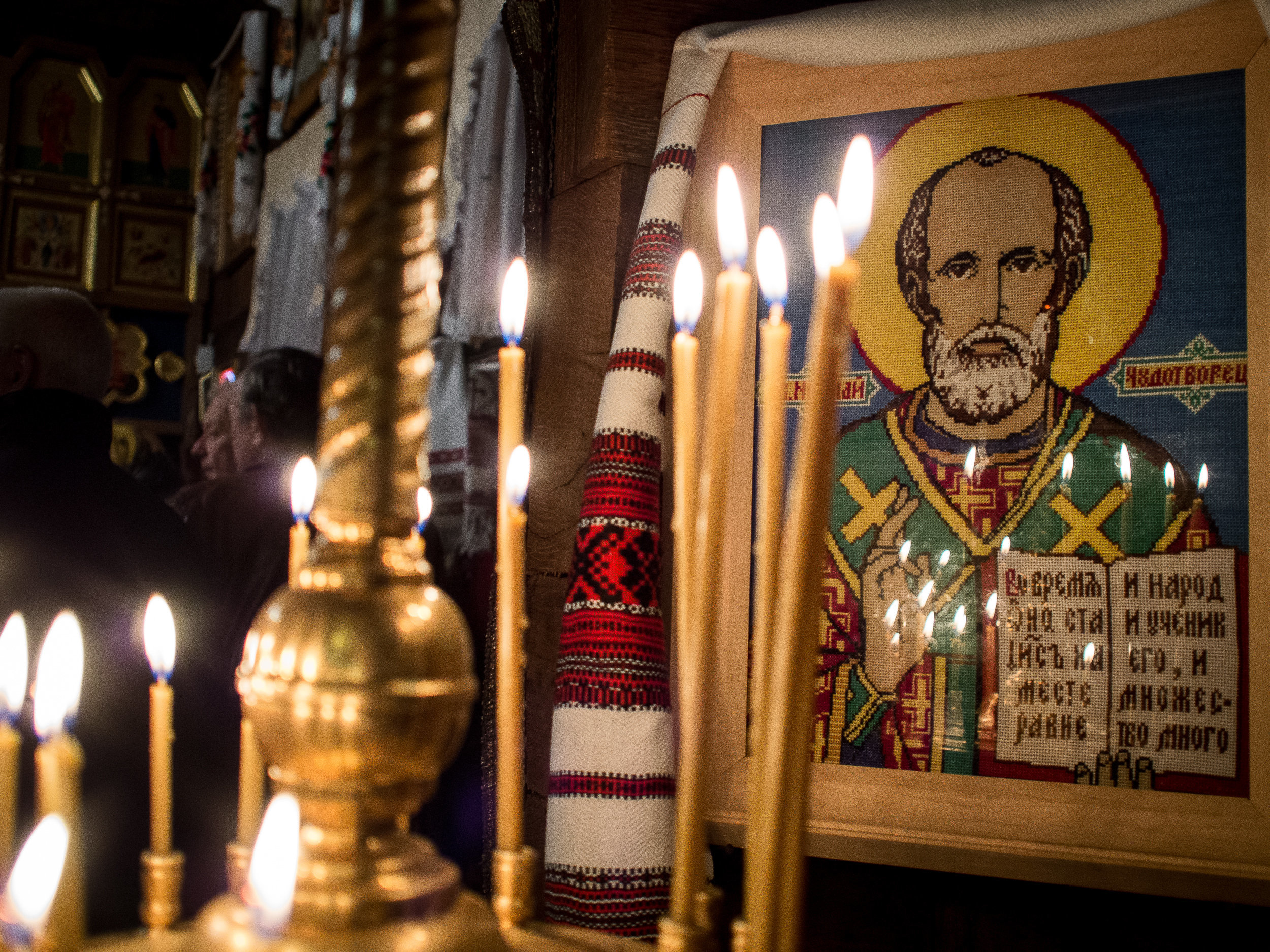
In three years Mykolay church was rebuilt. Today, the Word of God can be heard here; weddings and baptisms are held. The temple is living like 300 years ago.
Text and photo by Maksym Kozmenko