

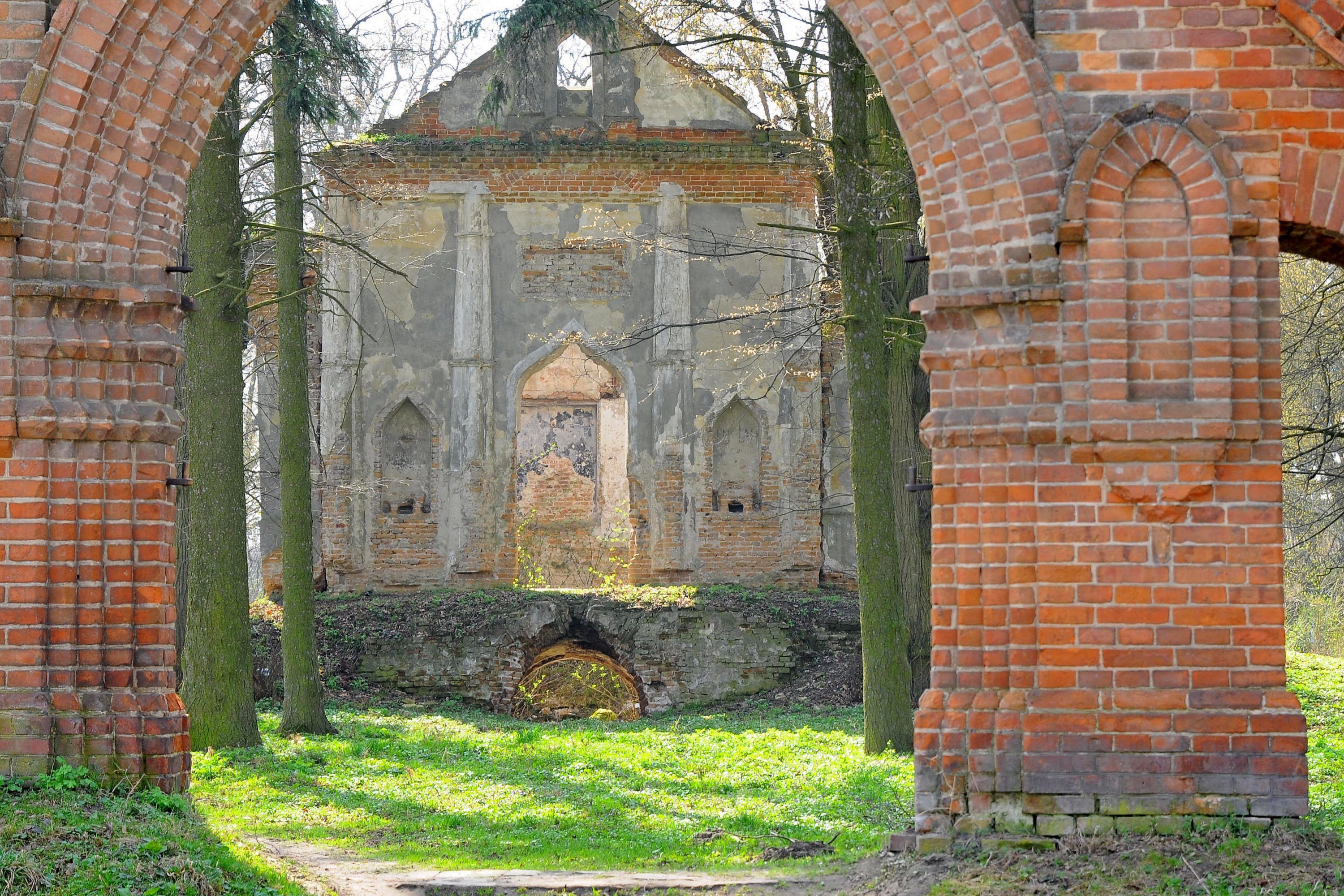
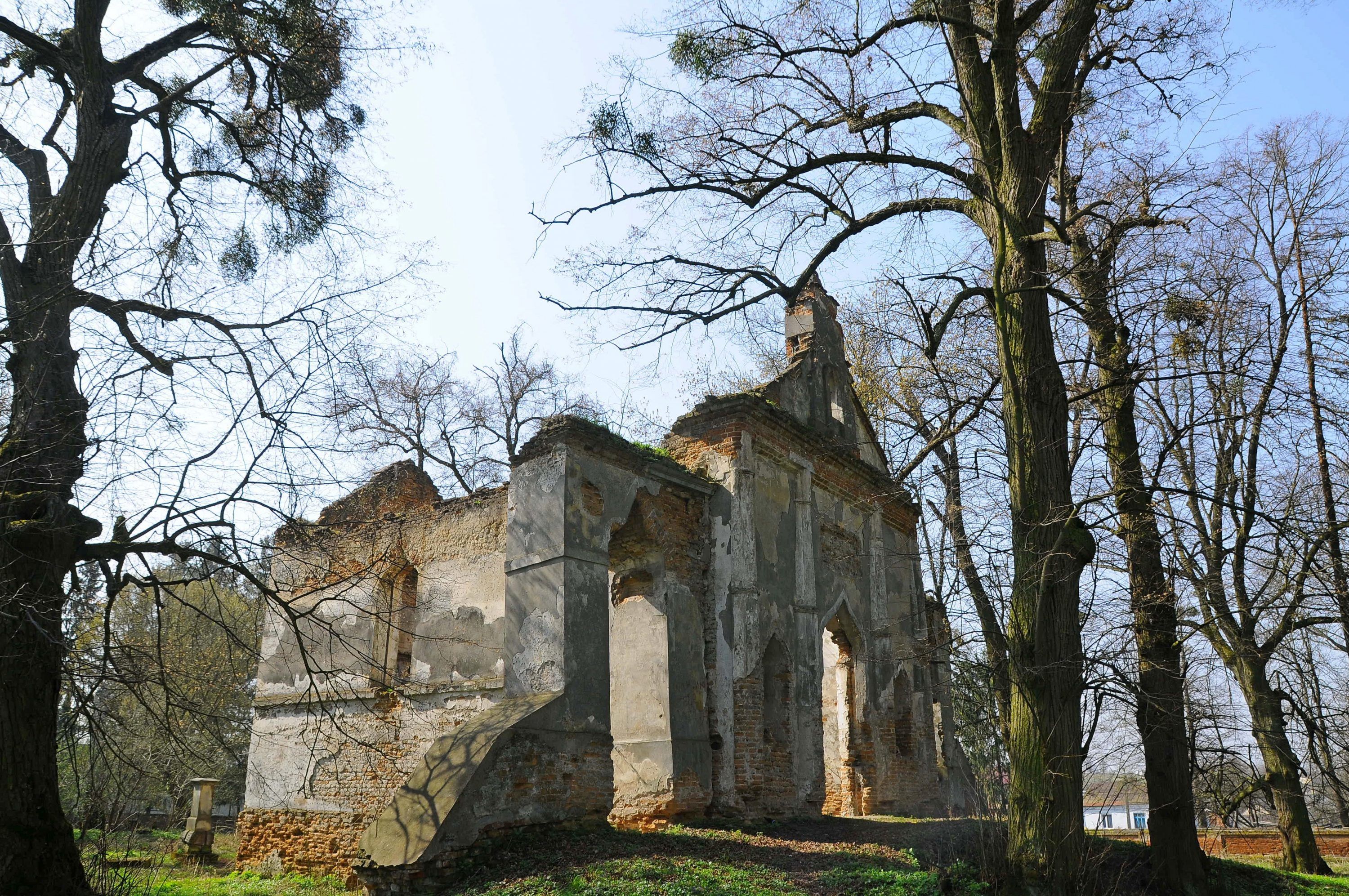
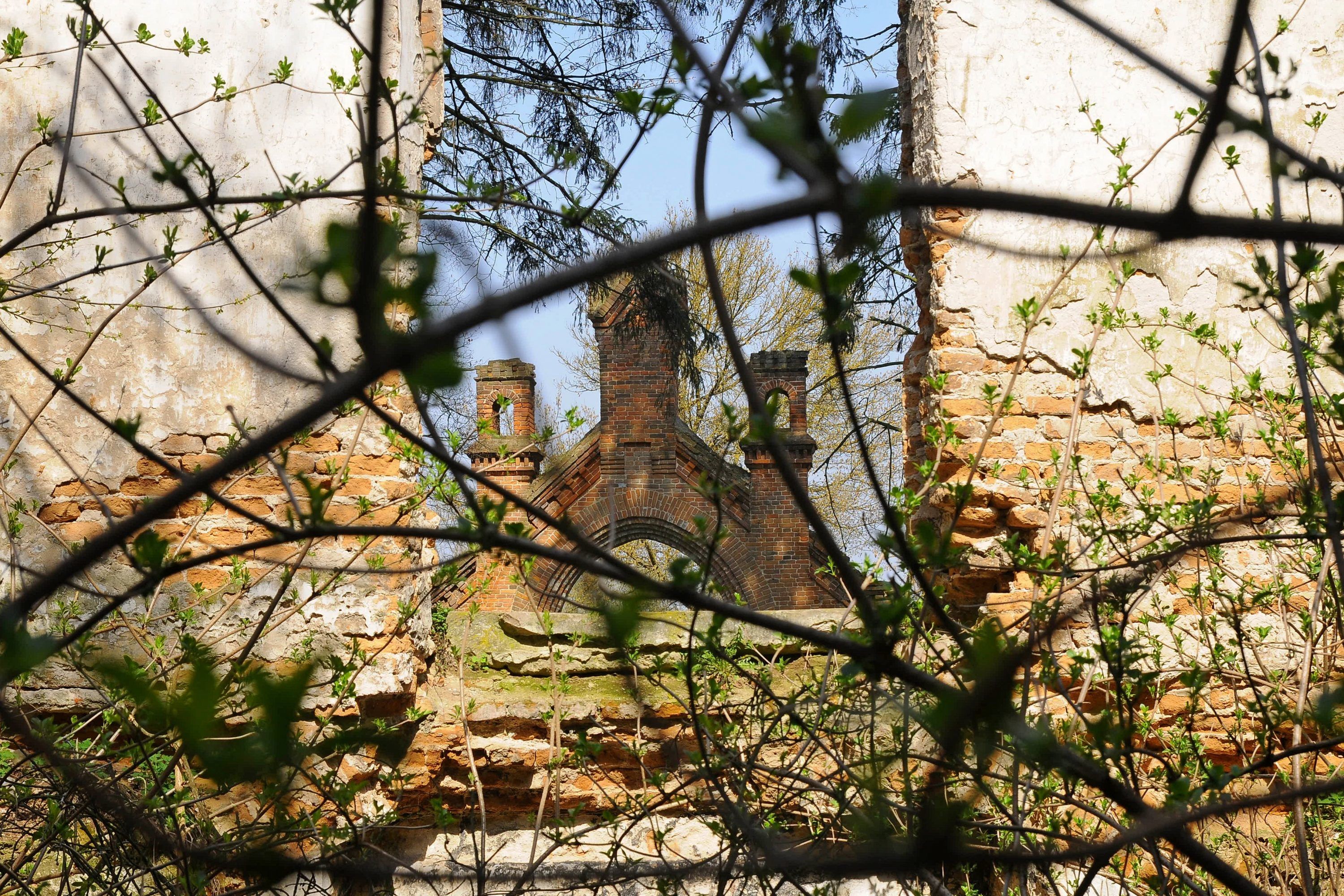
Volhynian history can be studied by the epitaphs in its numerous cemeteries. One of these cemeteries is in the center of Olyka village, which for several centuries was the residence of Radziwill princes. Epitaphs became numb. The calm of the past is guarded by the stone gate. Further you can see only graves. Some of them are several hundred years old. The majestic chapel-ruin has walls that are still keeping cracks about a luxury of the past.
The cemetery for the Olycian-Catholics Radziwills was founded in the XVI century. As the local ethnographer Anatoliy Gur says, cemetery appeared here almost at the same time when castle’s construction works had begun. Actually, then, the local population of Volyn was process of converting to Catholic faith.
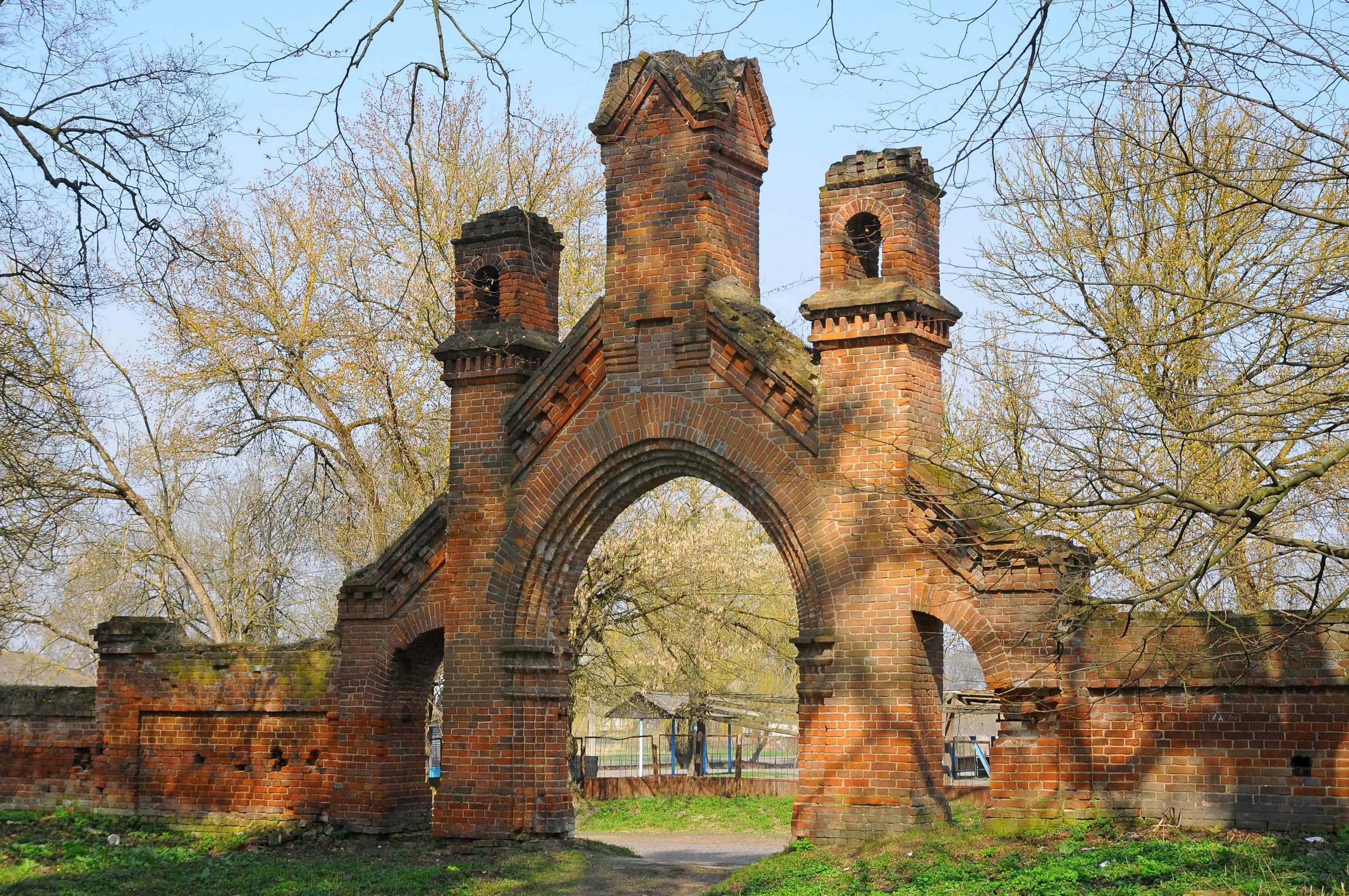
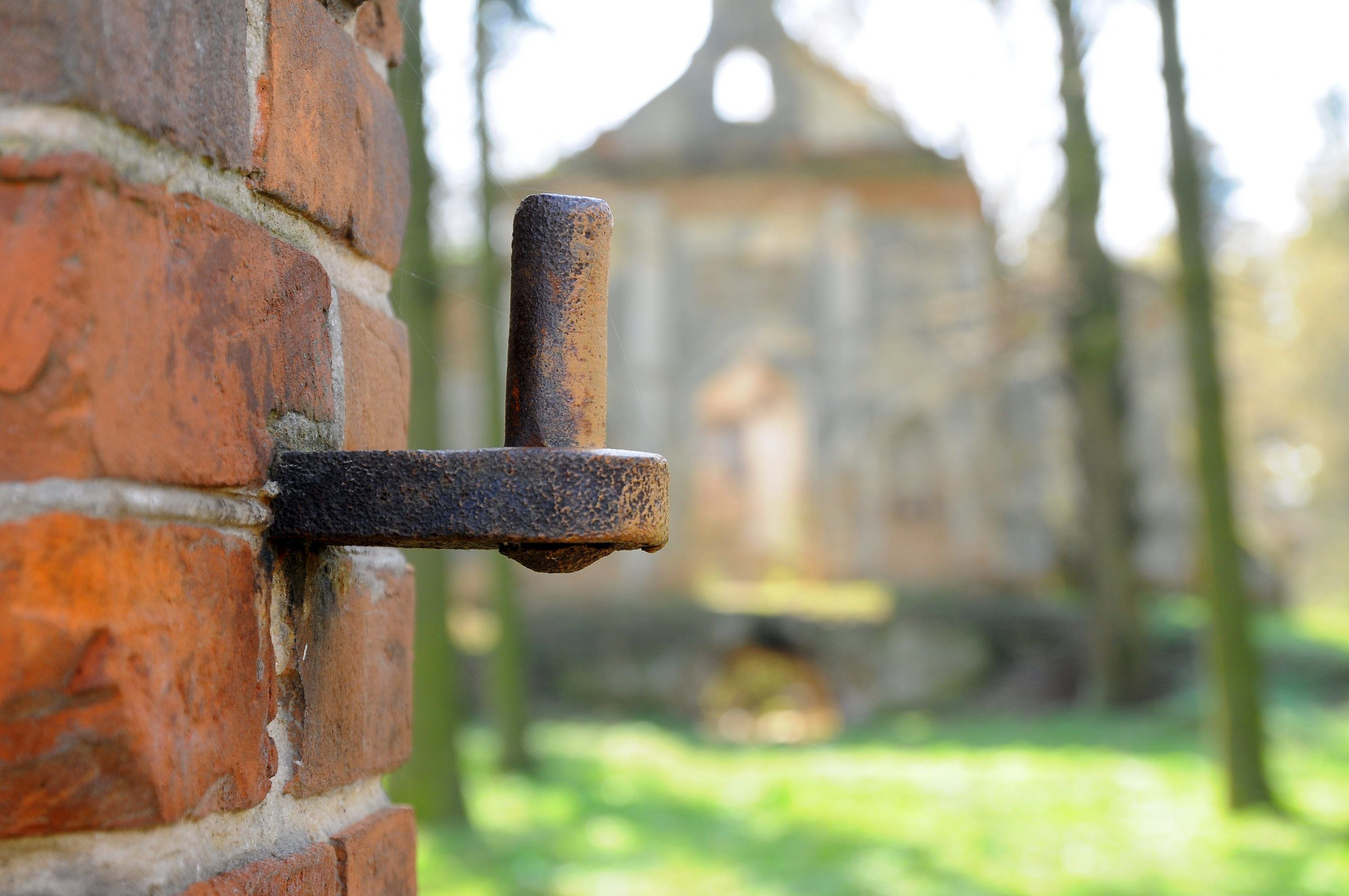
The cemetery “welcomes” us with a magnificent gate. It used to have massive forged gates. Now, there are only pieces of metal looking from the old brickwork.
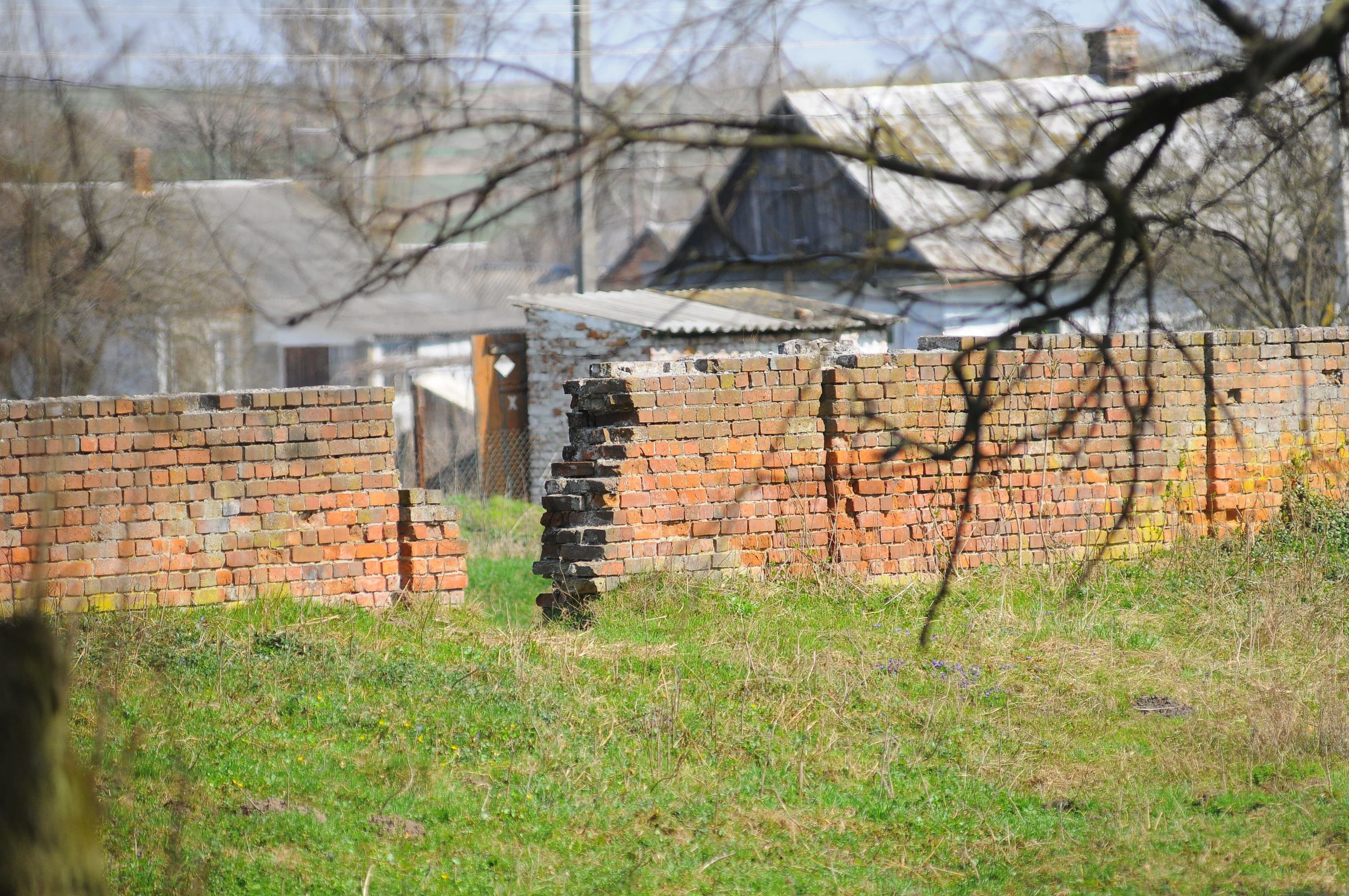
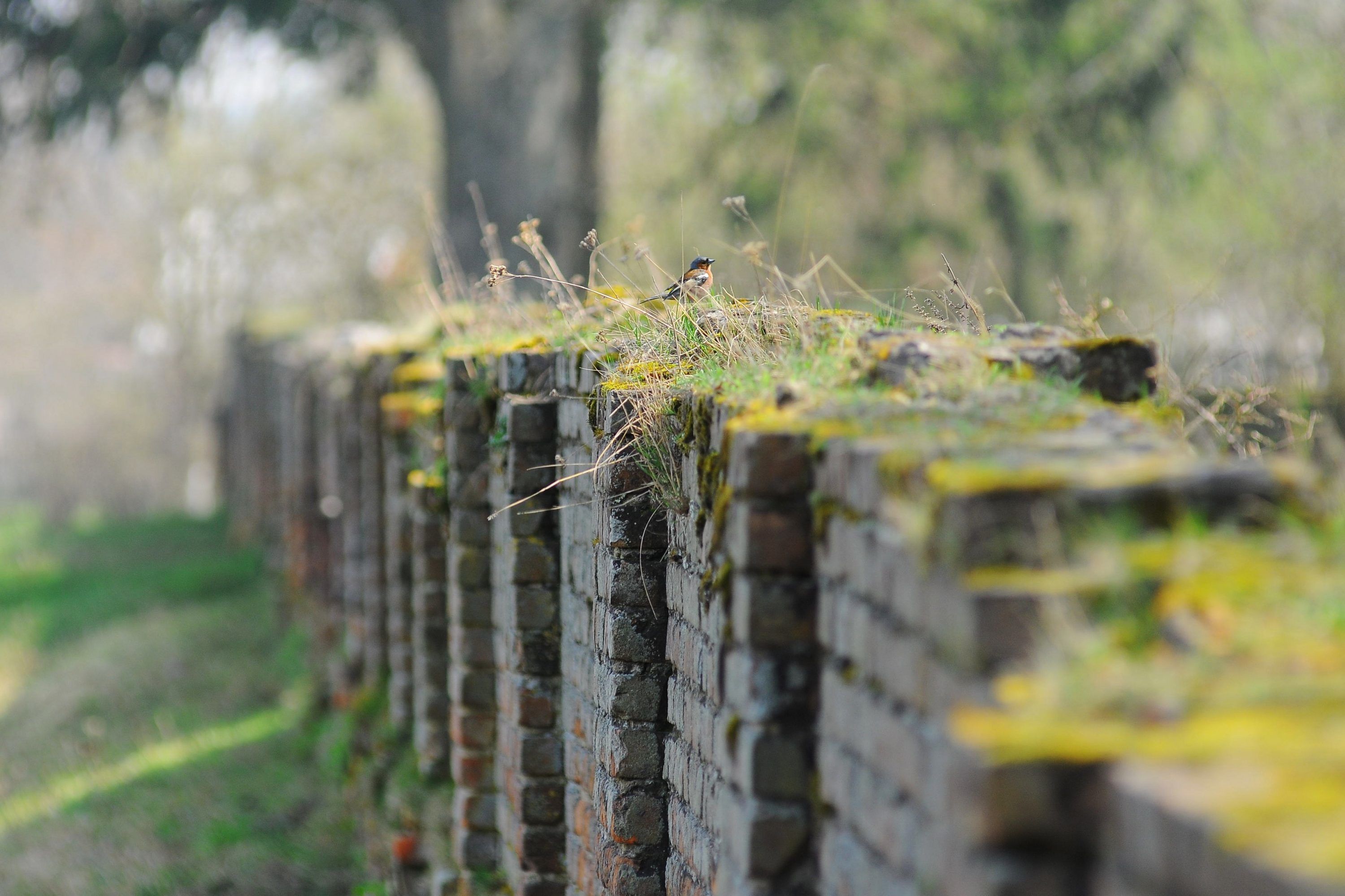
Considerable area was once carefully surrounded by a fence. Now it is already “chipped”, because apparently someone needed bricks for more ordinary purposes than to protect the rest of the deceased. Wall and the gate were erected by the order of the 12th Ordinate of Olyka, Prince Ferdinand Radziwill, in the 70’s of the XIX century. Back then he decided to bring the system to the cemetery.
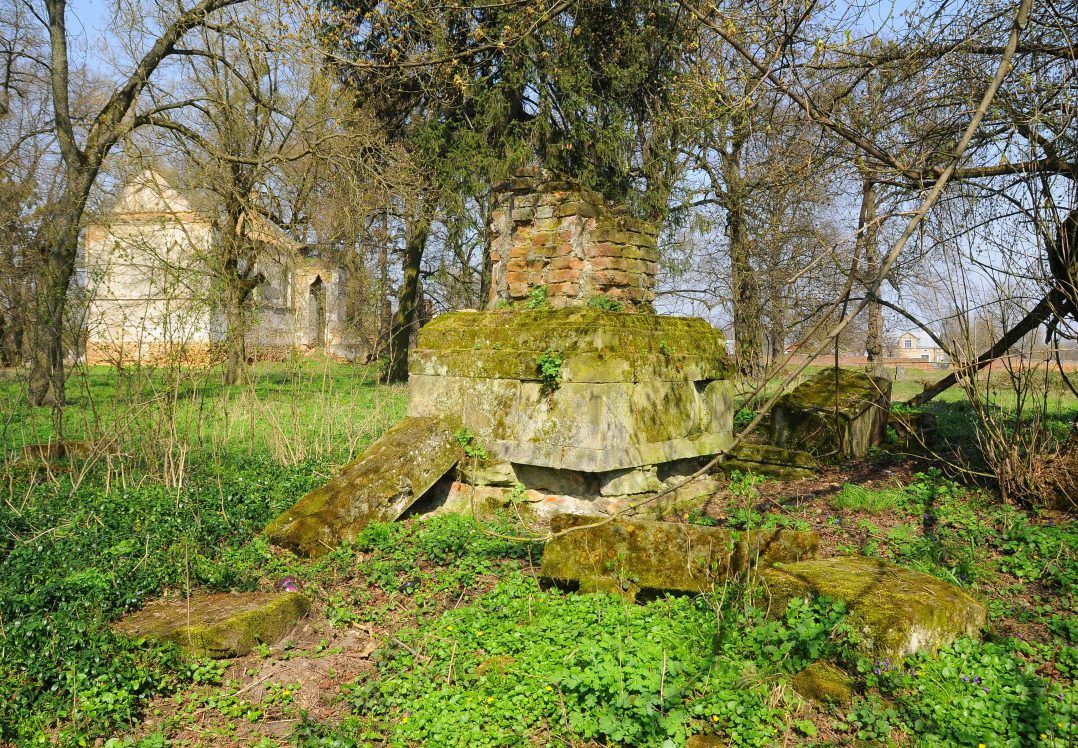
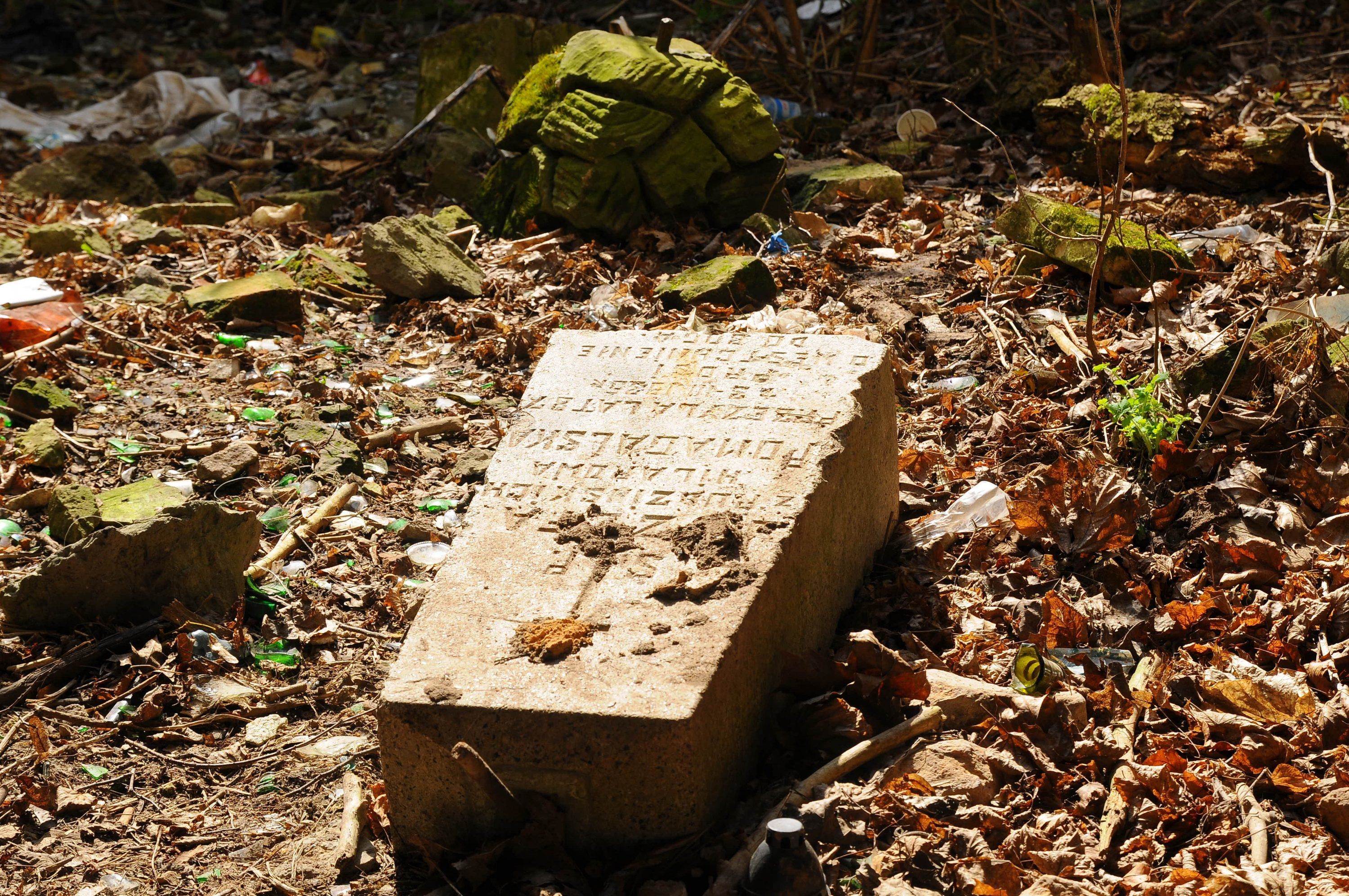
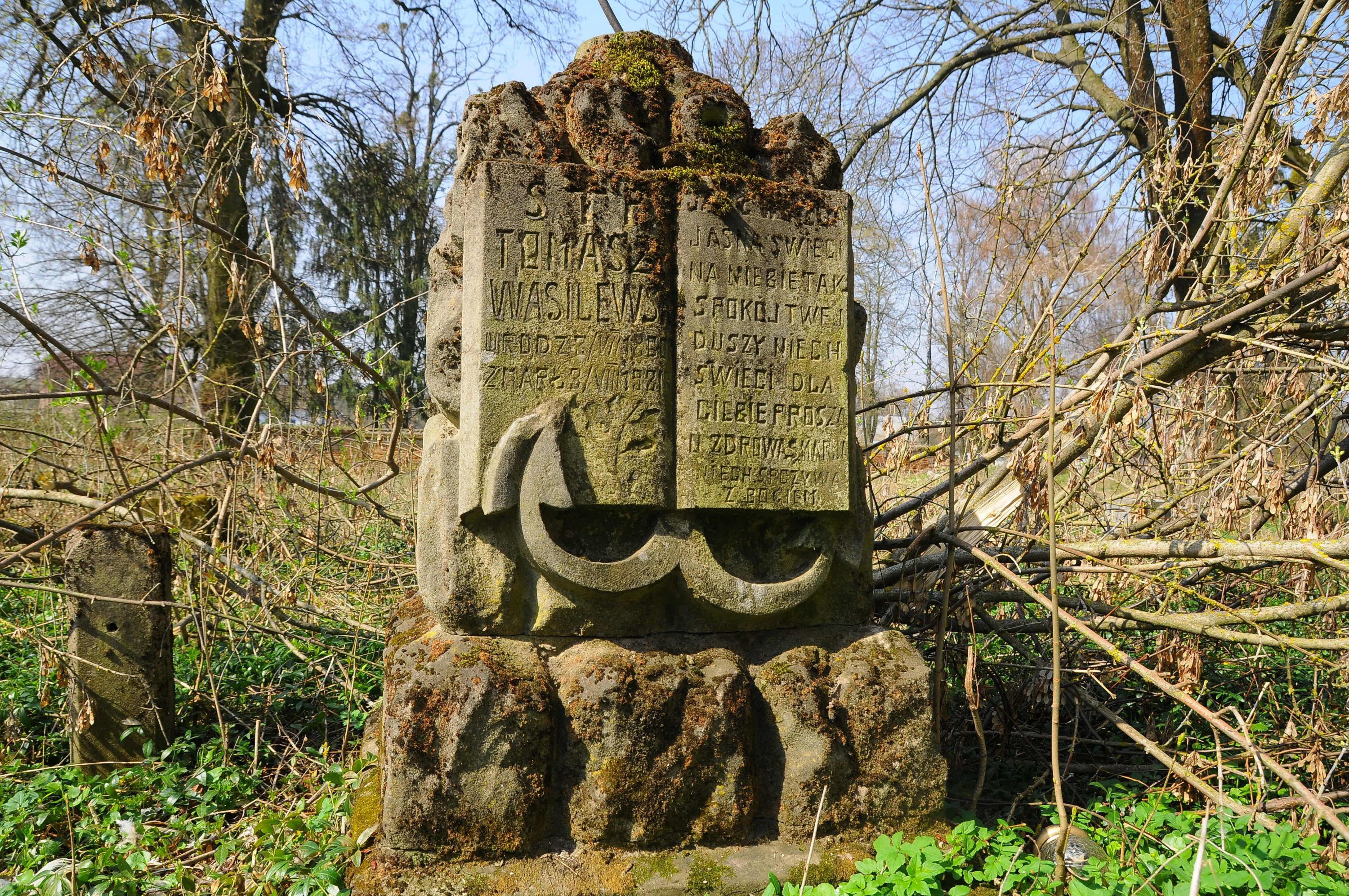
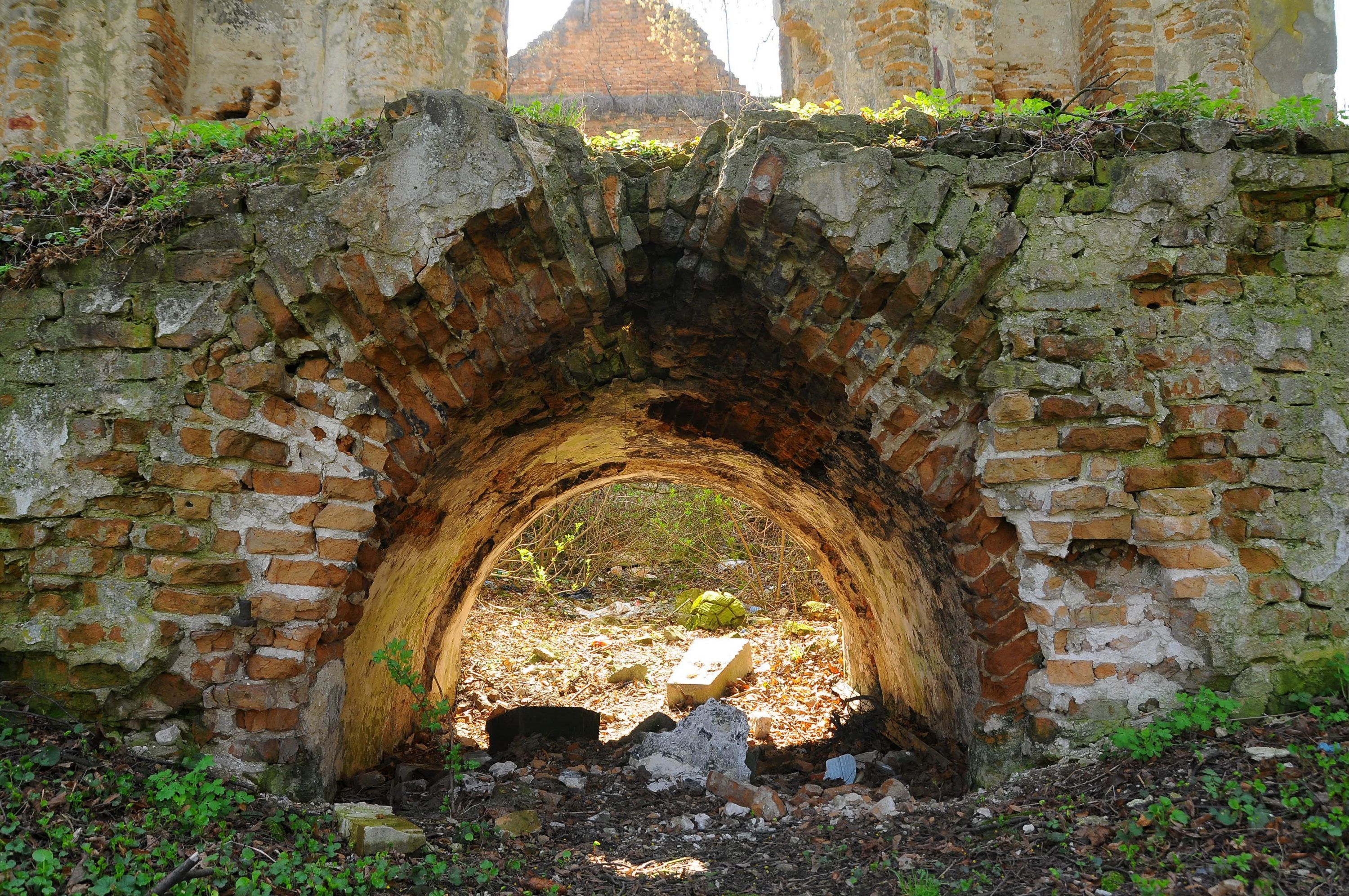
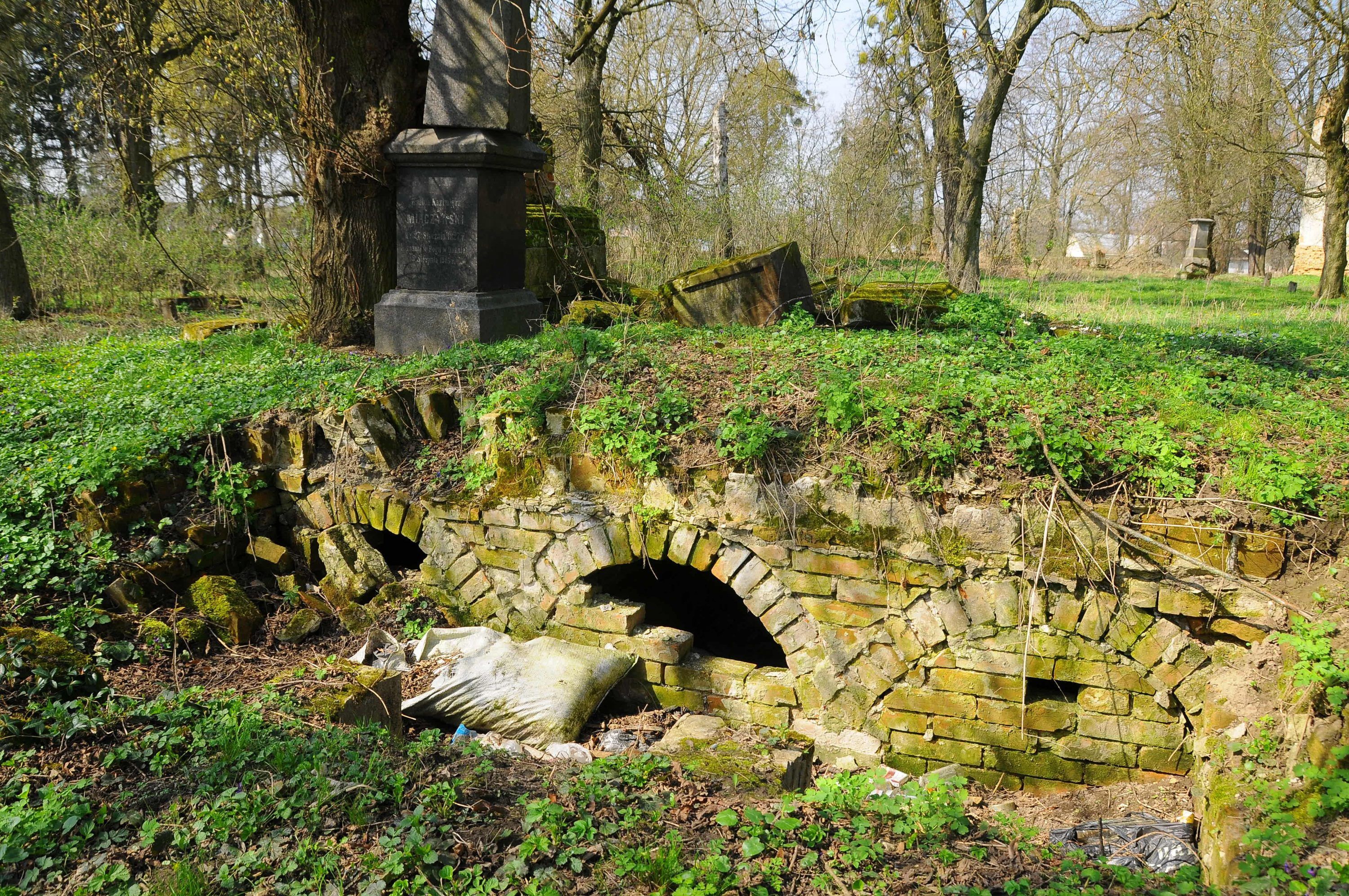
Two dozens of graves have “kept” behind the fence. More precise, all that’s left of them. Some of them are shards of tombstones, on which, in Polish language, encrypted names of the buried and dates (mainly the middle of the XIX – the beginning of the twentieth century). Under the slabs there are remnants of the crypts. Some of them are completely covered with grass, and some “holes” look at you from the other side to the white world.
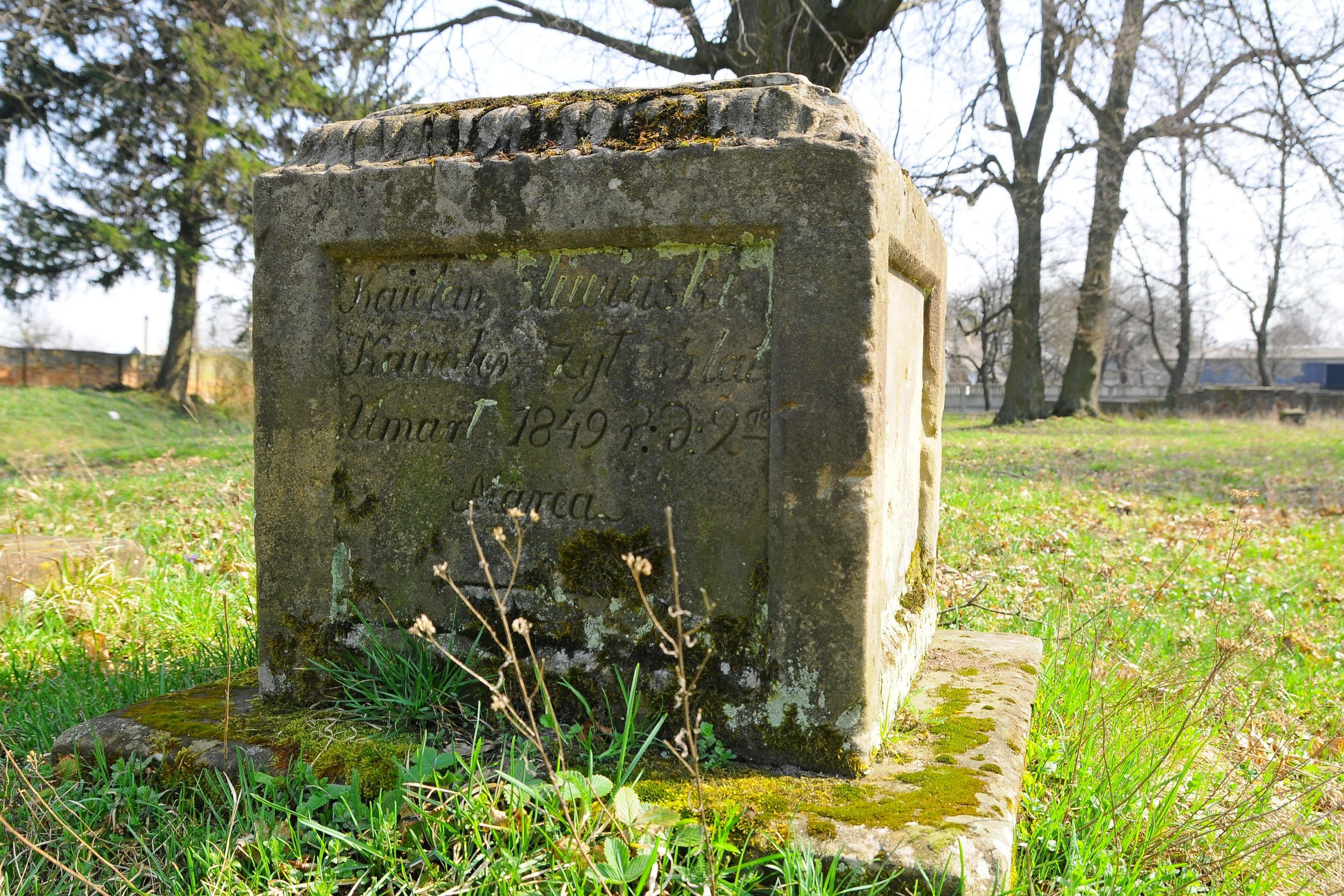
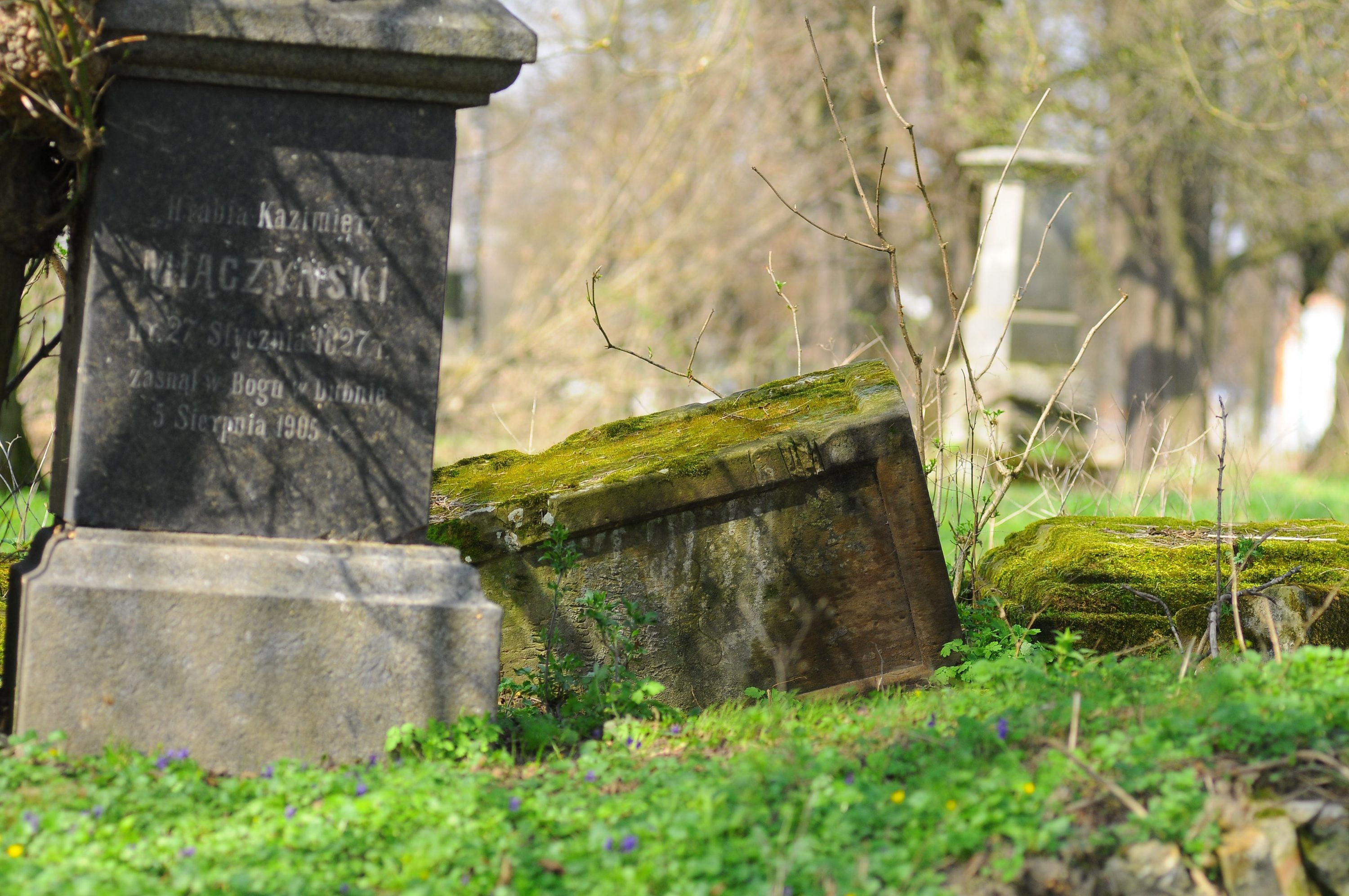
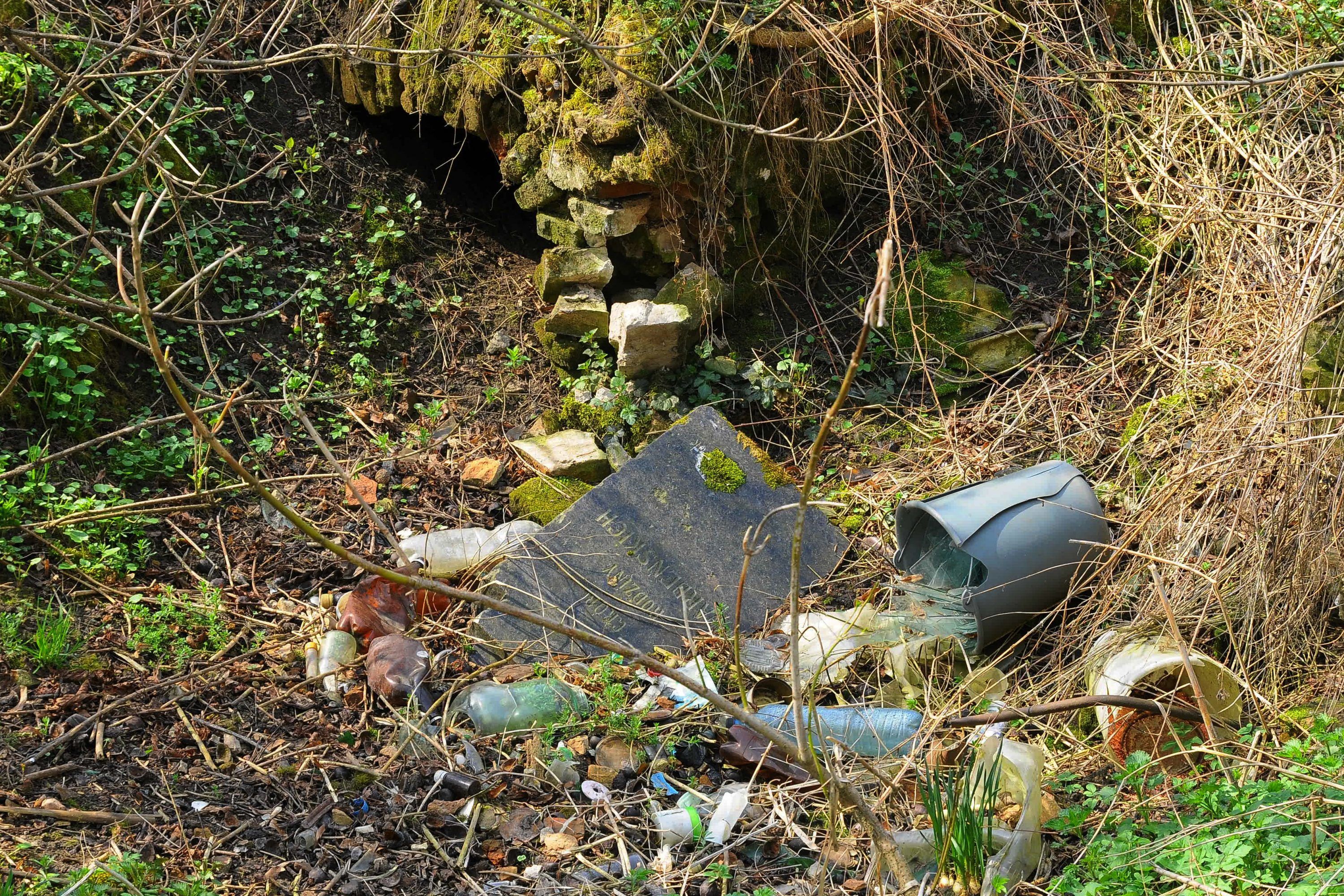
Between the graves there are plenty of periwinkles. It reminds passer-by, who from time to time walk through the cemetery along the path, that it is the territory of dead. Although for some living creatures it’s not a problem, based on the garbage that can be seen in the corners of the ruined crypts.
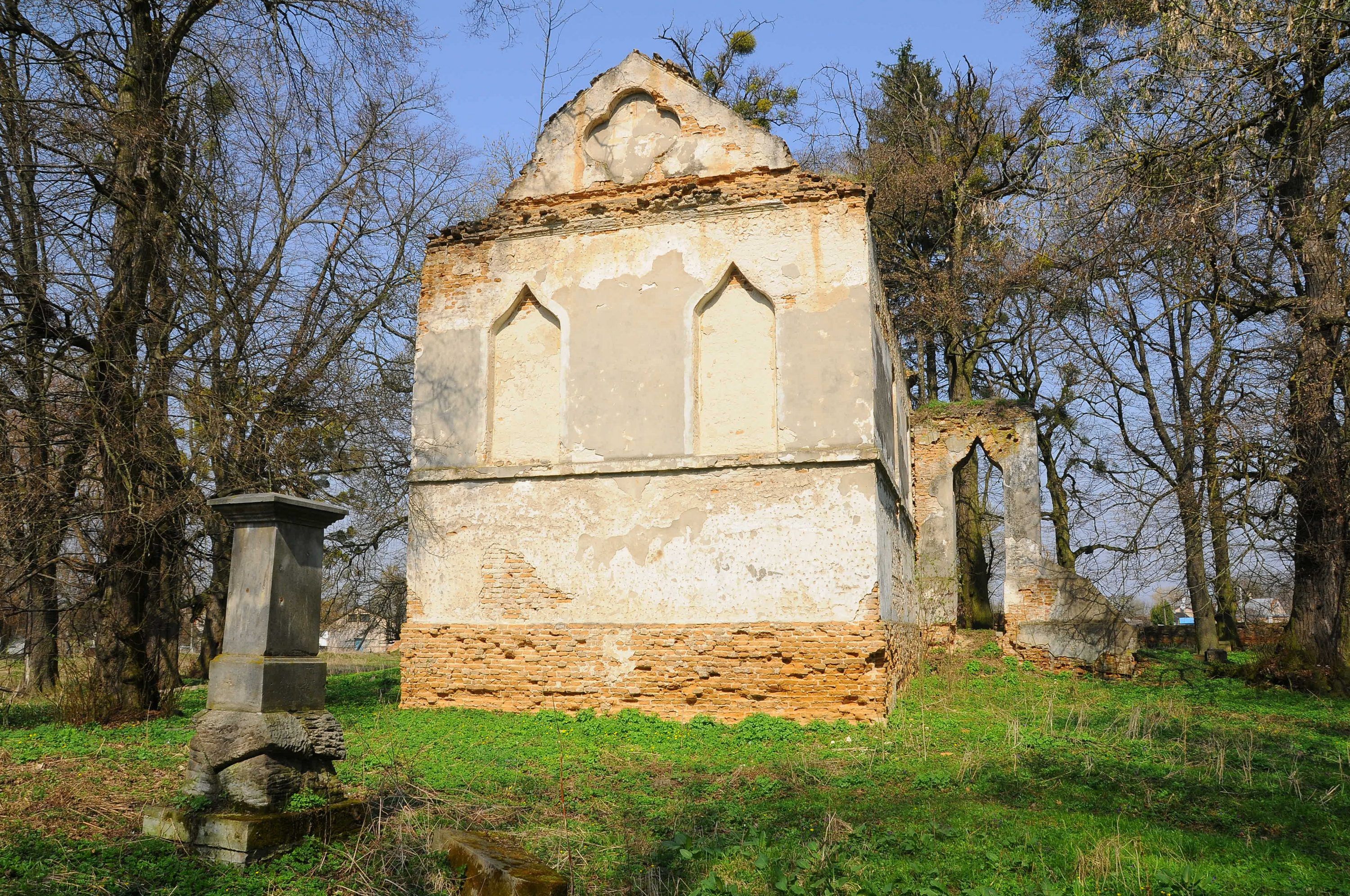
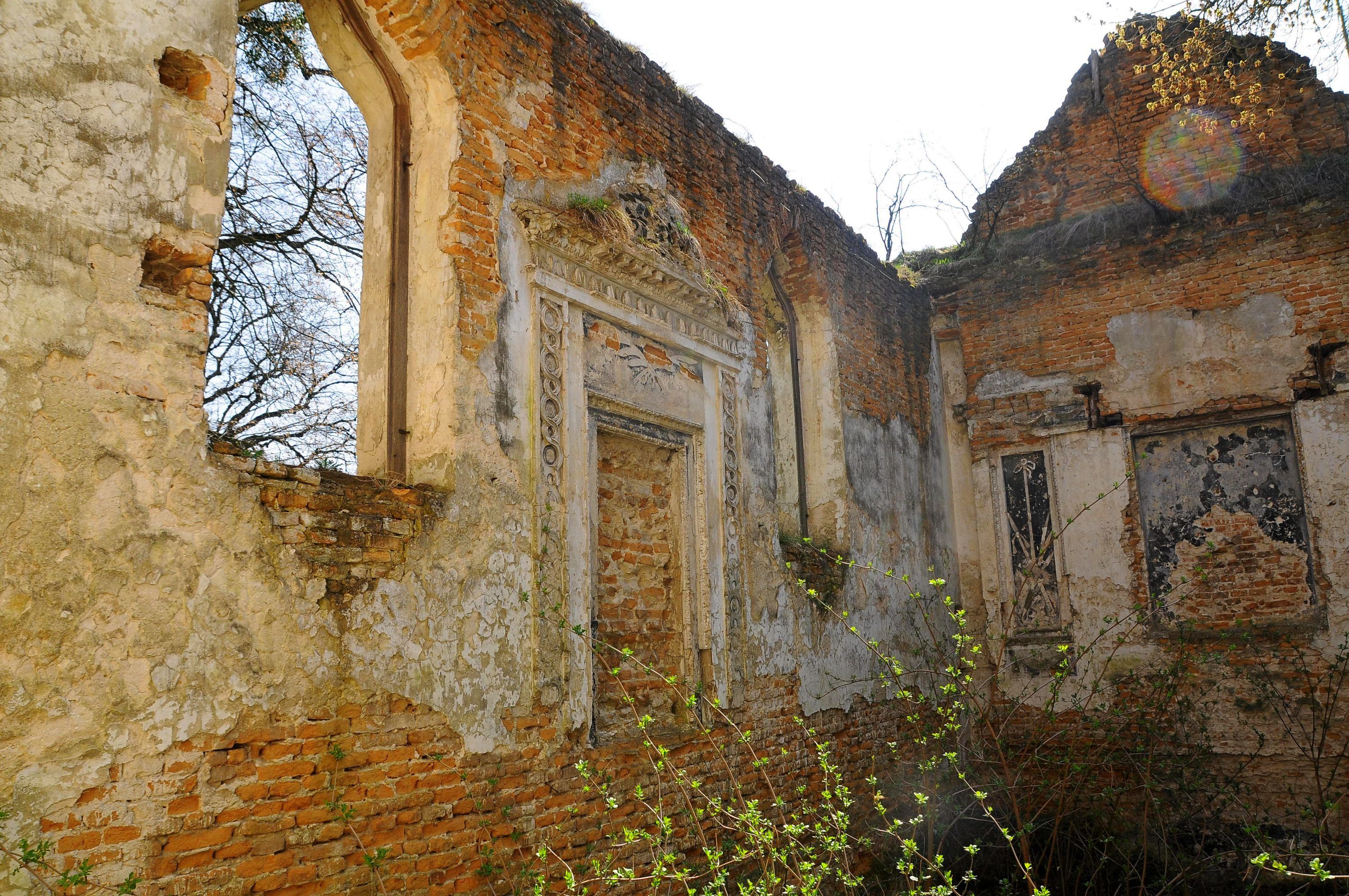
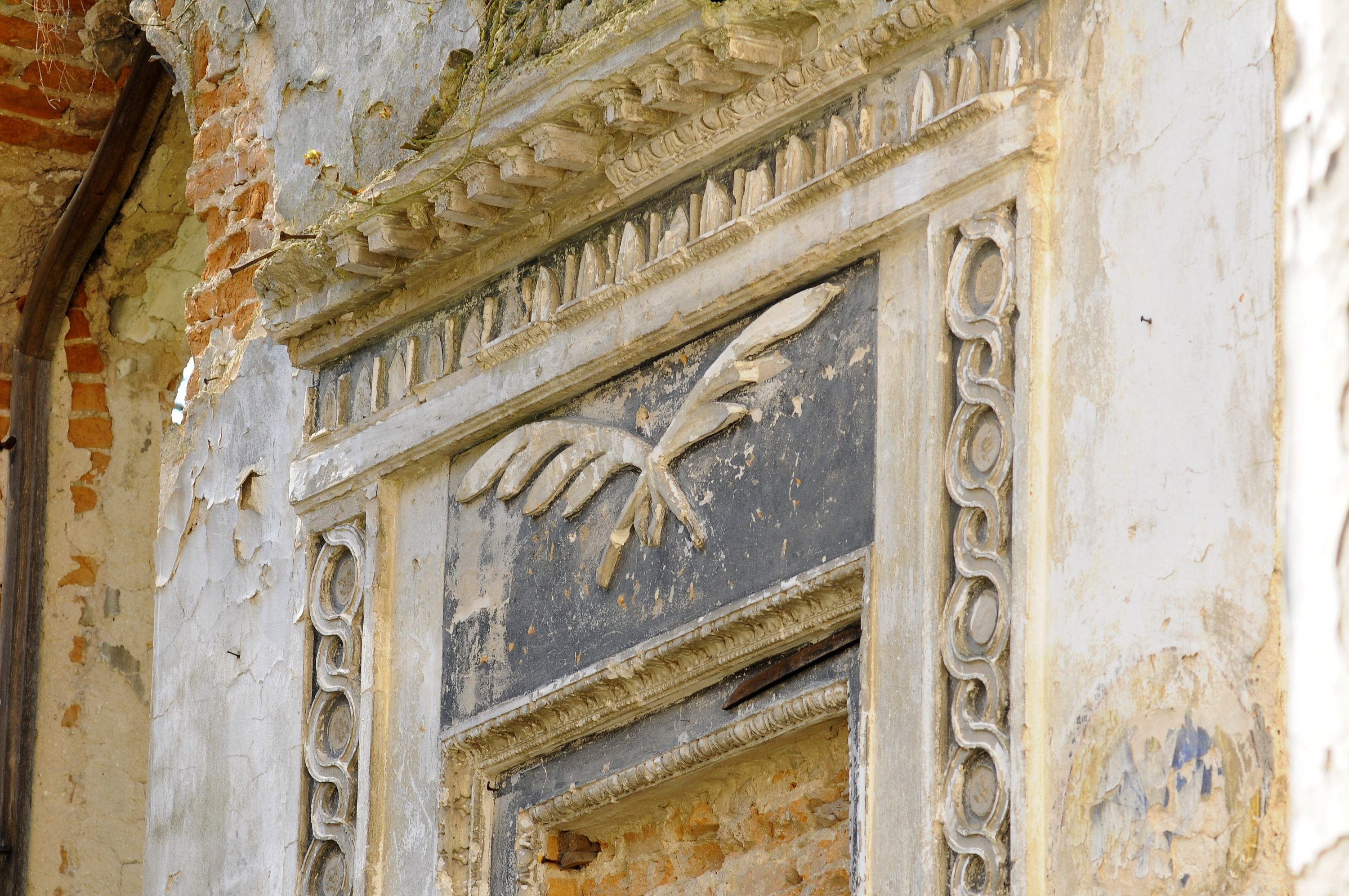
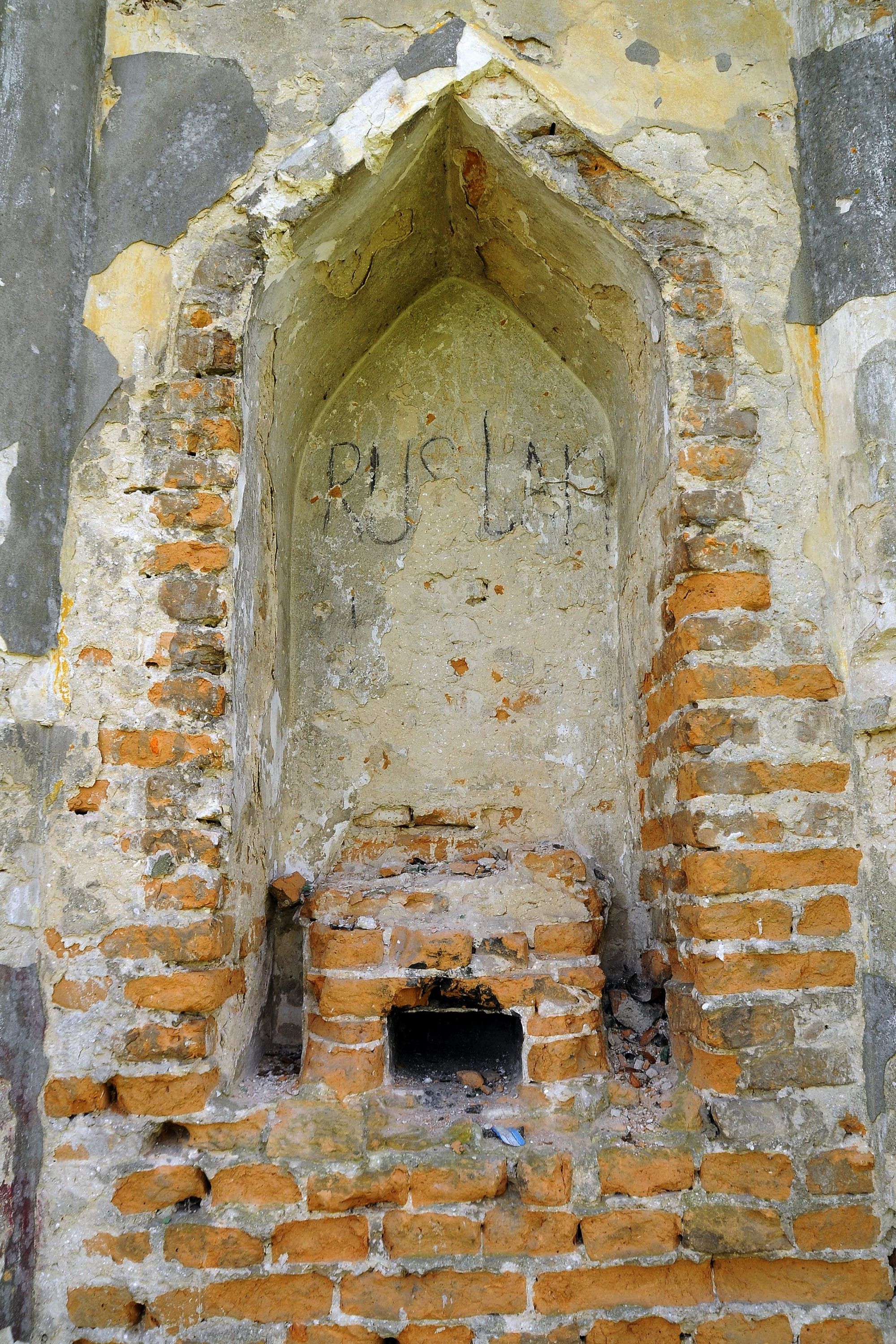
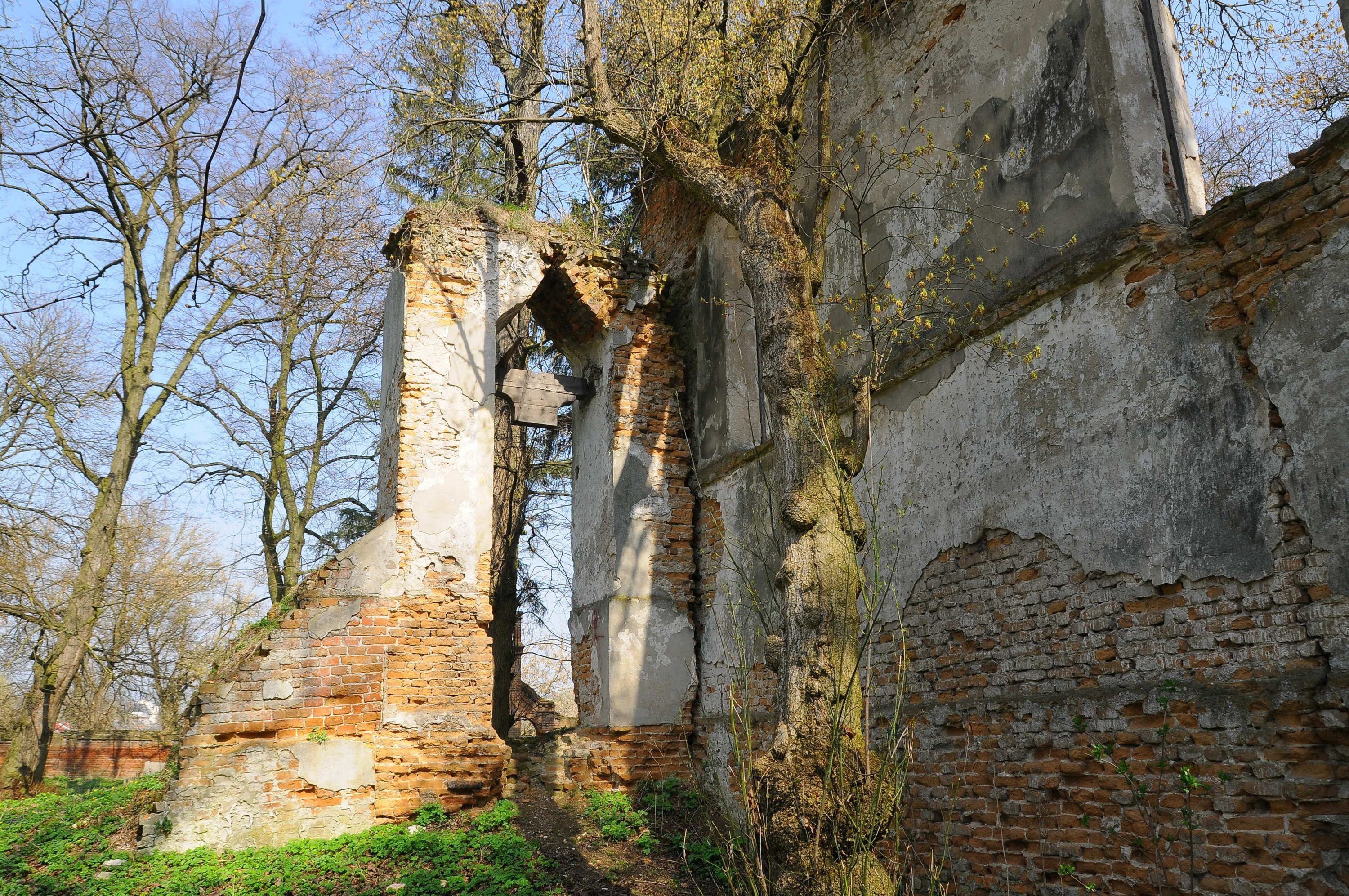
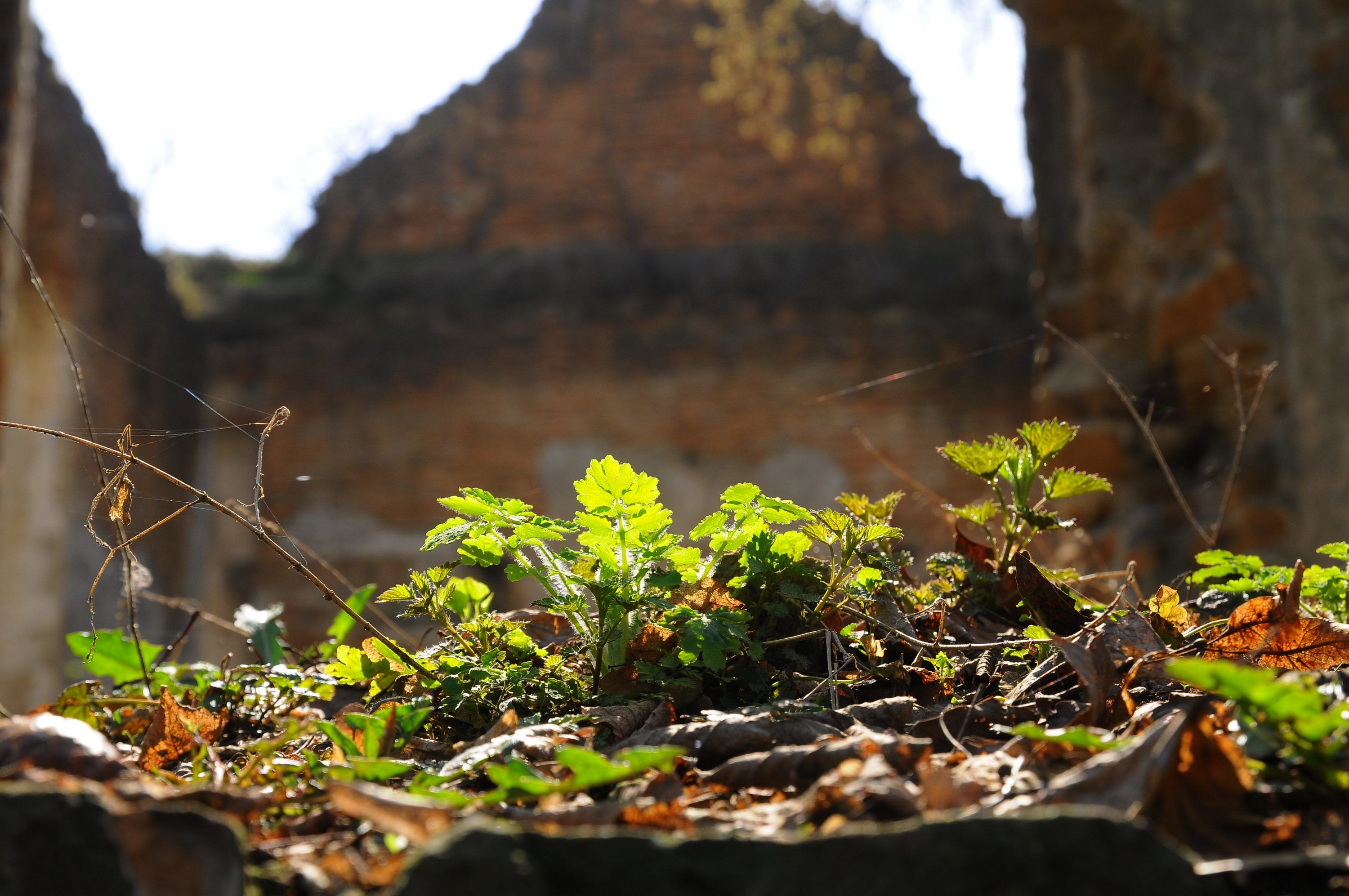
The decoration of the cemetery is the so-called Novoveisky Chapel. Today it is ruined. Built in a strict Romano-Germanic style, the building is somewhat different from the local Olyka architecture. The last king of Poland Stanislav II August Poniatovsky ordered to build it here as a sign of indescribable grief for his beloved Princess Novoveiska after her unexpected death at a young age. Until recently, right next to the chapel, one could see the grave of the princess Novoveiska, which conquered the heart of famous womanizer and competed for the sympathy of the king with Catherine II herself.
Novoveisky family had estate in the small village Chemeryn that is just beneath Olyka. Since they considered themselves honorable gentry, they, figuratively speaking, couldn’t bury their deceased at the Orthodox cemeteries. That way the Princess rests in peace at cemetery in Olyka. It is believed that she could die of the illness.
“They weren’t rich and had no influence on the Polish royal court. I hardly could find them in the Polish Armorial. Apparently, she was a pretty girl that had stolen Stanislaus August’s heart. Before becoming a king, he was a lover of Catherine the II. Novoveiska, indeed, was a lover of Stanislaus August Poniatowski,” recalls Anatoly Gur.
There is a well-known story about how Catherine II sent her troops to Poland to support Stanislaw August Ponyatovsky during the elections of1764. Those Russian troops then went to Olyka and heavily robbed the castle. It was because of Stanislav Radziwill that was considered then as an enemy of the motherland for an attempt to restore the independence of the Grand Duchy of Lithuania.
After Soviet authorities established in Volyn, little Catholics remained in the village, most of them left. Anatoly Gur notes that he has a reason to believe in connection between the Novoveisky from Chemeryn and family of the famous Polish composer Felix Novoveisky, who lived and worked in the late nineteenth and early twentieth centuries. He was a master of organ music.
Burials at the cemetery were, in fact, carried out until 1944. And then the local people “managed” cemetery in their own way. By principle: what isn’t nailed down is might come in handy. No matter how cynical it sounds.
Another interesting detail: there is a version that in one of the crypts of abandoned Polish cemetery, the bones of those Radziwills that were buried in the crypt of the Olyka church are still lying. As, there is evidence that in the 40’s and 50’s of the last century, almost all the bones from there were wiped out and buried in a crypt. Only a part of the remains had left in the crypts.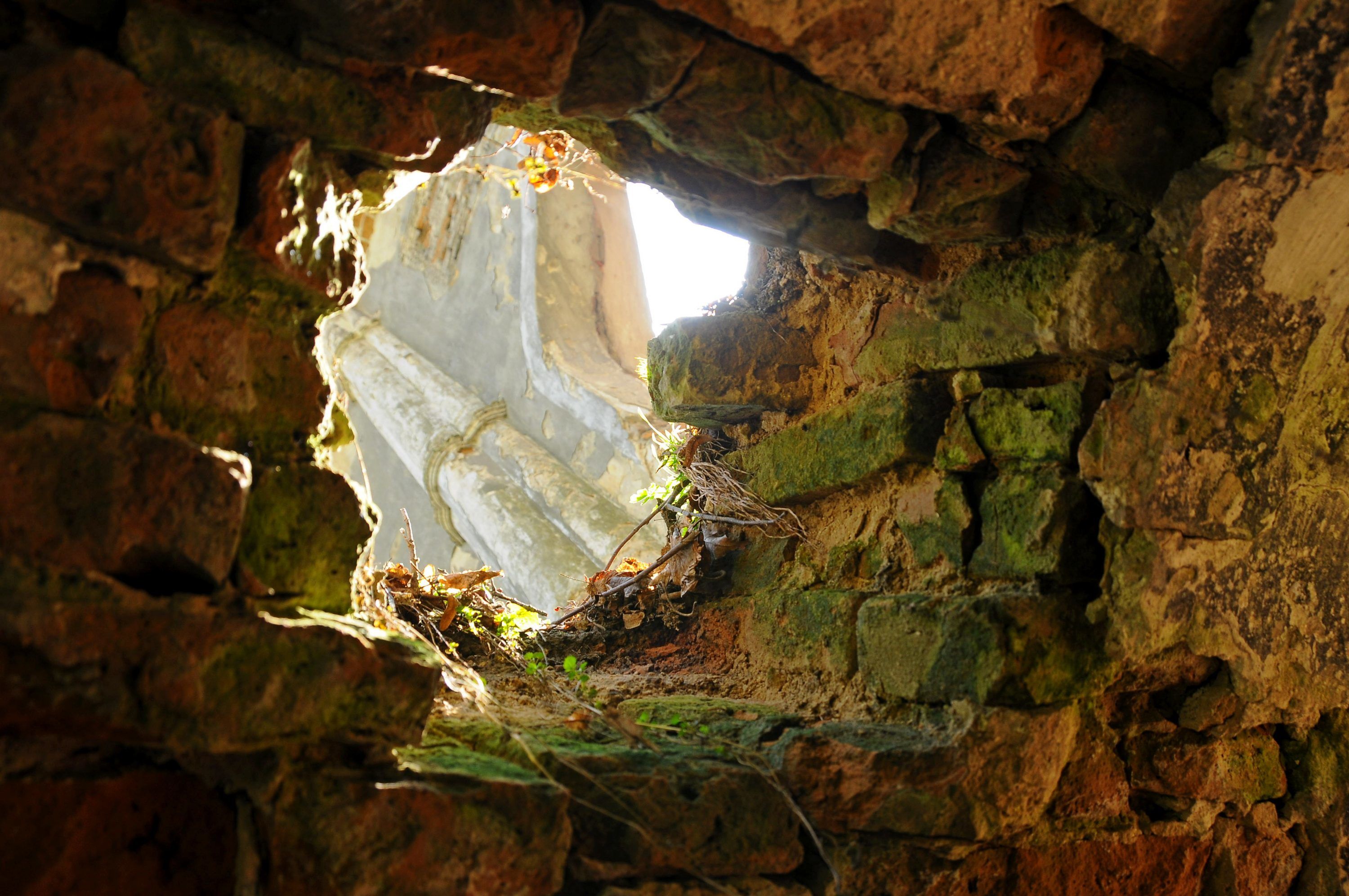
Poniatowski himself died in St. Petersburg. In 1938, Stalin handed over his ashes to Poland. For some time, the remains were stayed in the church of the Volchyn village. Family’s estate of Poniatovsky is situated in Volchyn – 35 km from Brest. So, it’s not so far away from Volhynia that borders on the Brest region of the Republic of Belarus.

However, after beginning of the Second World War, when these territories were joined to Belarus, the church was removed from the list of monuments of state importance and burial was looted. Only in the days of Gorbachev historians managed to get fragments of the clothes and king’s shoes (this is all that was found in the grave) and transport them to Warsaw. Therefore, the fate of Stanislaus Augustus Poniatowski’s ashes is almost the same or even worse than the fate of the ashes of his beloved woman from the Olyka region.
During Soviet times, cemetery completely faced decay. The chapel had left without a roof. Active locals even tried to draw attention to the fate of the cemetery at the state level.
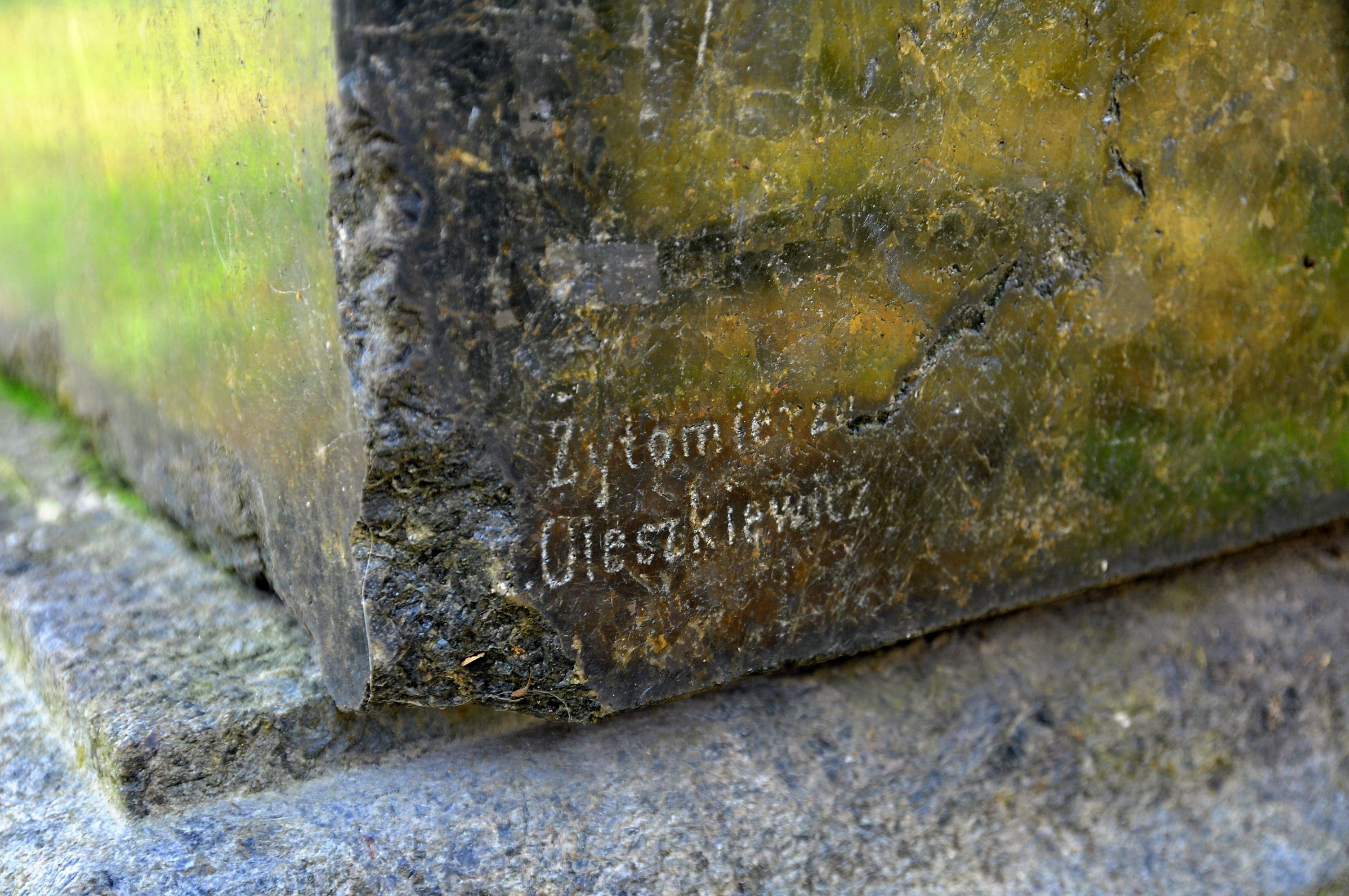
“I’ve brought here two Polish consuls – Wojciech Galonzky and Tomasz Janik. As soon as I became chairman of the Kivertsi District State Administration, I decided that I would raise the issue of preserving the cemetery. That was somewhere in 2006: I remember, how i came to the first meeting with the Polish Consul General in Lutsk, Wojciech Galonzki, and he showed me the pictures of these graves with goats grazing on them… “- recalls Olyka native, the head of the local state administration in the past Leonty Krychkevych who remembers the cemetery since his childhood.
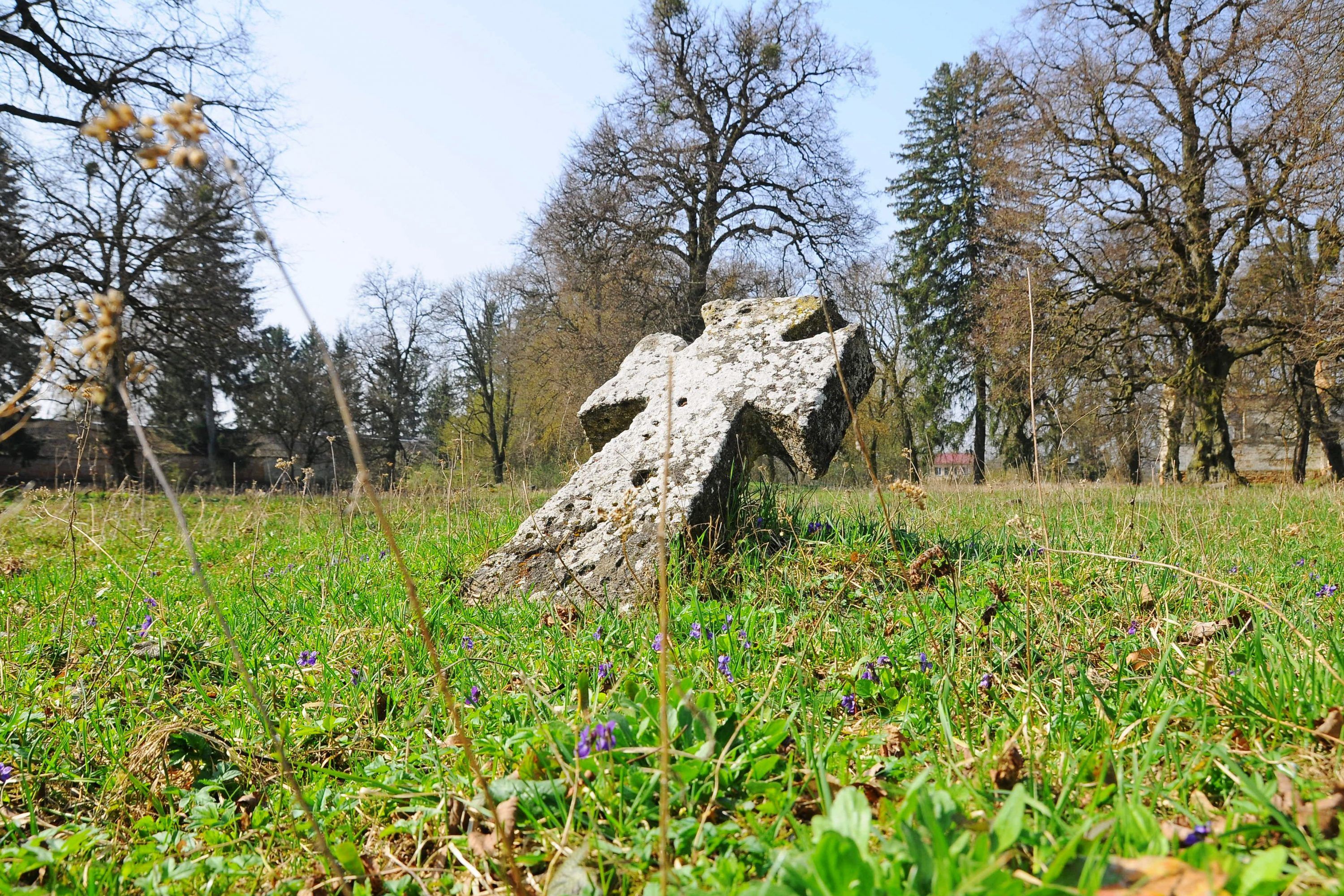
However, the Poles were watching and kept silent. There was no reaction from the capital. The only thing that left for Olyka locals is to clean this territory, from time to time. So that not to be ashamed to face tourists…
***
Olyka is rich in sights. The fate of the Radziwill castle developed in the best traditions of Soviet Union. For a long time there was asylum. However, if the future of the former residence is being actively discussed in cabinets of authorities. If the Holy Trinity Church, in which crypts rests Radzivil’s remains, Poles decided to restore. The ancient Catholic cemetery is dead silence, ruins, periwinkle and … chickens.
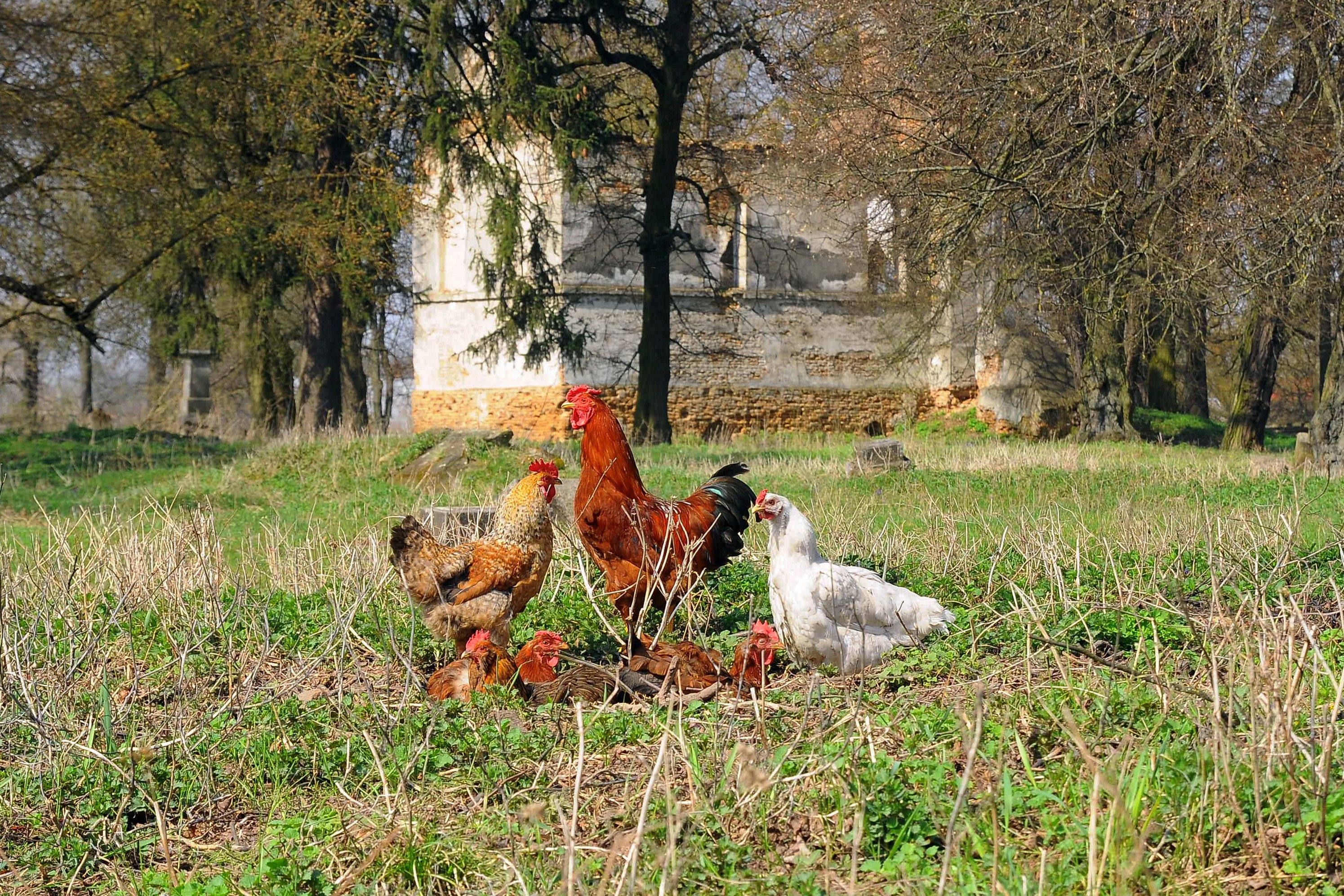
Half ruined Prince’s chapel, surrounded by black oaks, is the last silent witness of one of the most romantic legends connected to this place. The place that indeed tells us, Ukrainians, about our biggest mistakes, mistakes of inability and reluctance to honor the lessons of the past and the memory of our ancestors. Whatever confession they were.
Text: Olena Livitska
Photo: Pavlo Berezyuk