




Do you think second-hand stores are a sign of a poor country? Do you think people only buy used clothes because of difficulties? And how do you like this: to buy used things and rent things ‒ the newest fashion trend! In 2019, industry experts expect a real explosion in the market of retail and rental of fashionable things, and in ten years the world market for the second turnover of clothing and accessories can become a big fast-fashion market. Are you surprised?
According to the statistics, the average consumer in developed countries buys 61% more clothes than 15 years ago, and the period of using things has halved on average. Moreover, in Britain, the average young woman considers clothing to be “old” after putting it on only once or twice. A terrible fashionable sin ‒ to be photographed in the same clothes twice. Previously, only the wedding dress was not worn for the second time, now any ordinary sweater, dressed only once, can get to the list of such things.
Somehow, it can be considered a return to the old fashionable standards of the XIX century. In John Galsworthy’s novel The Forsyte Saga, there is a rule that a woman could wear a dress once for a ball, once again for a dinner party, and after that this dress could only be worn at home. But there it was about women from very wealthy families. Women from the working class could not even think about such whims. Now it seems that this eternal pursuit of a new outfit extends to all segments of the population.
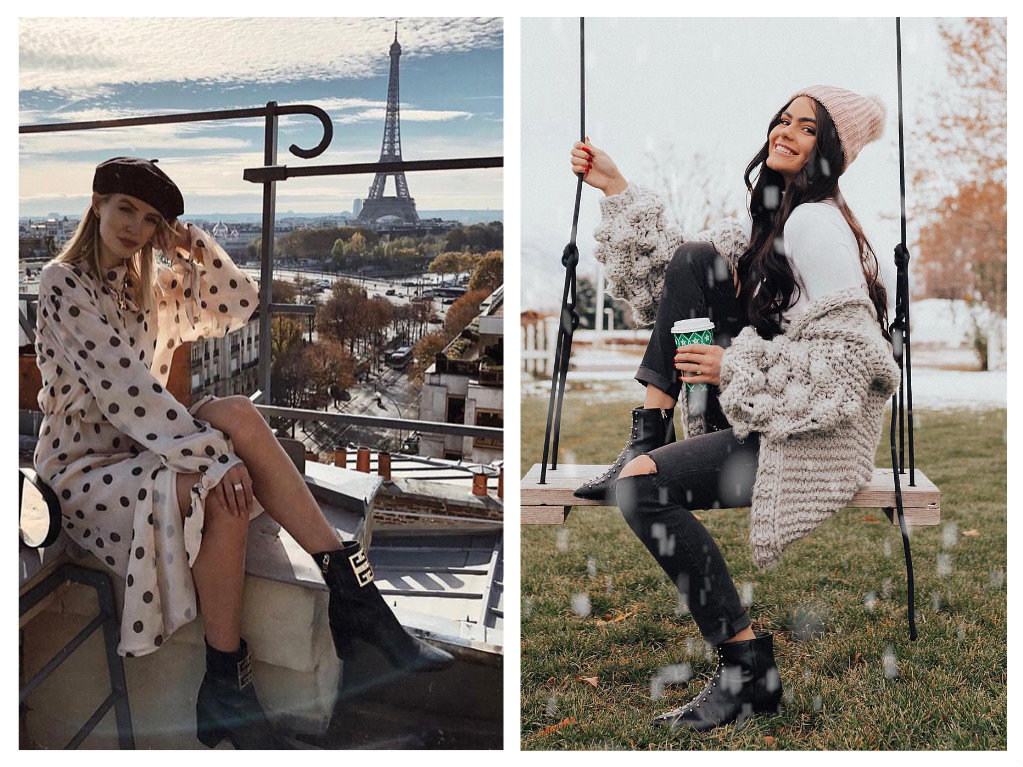
Thanks to social networks, not only the princess or daughter of a millionaire, but any conventional cook can feel like the center of attention of many people. You need a new dress every day to be photographed, upload photos and collect likes. The value of fashionable things is not how long they can serve, but how many likes they can get on Instagram. And here recognizable design and fresh trends are very important.
And all this should be at an affordable price. New, fashionable, trendy things weekly in the cheap! shops of fast fashion have taught buyers to this. But the new generation is increasingly skeptical about the concept of fast fashion. According to surveys, nine out of ten representatives of generation “Z” believe that companies should be responsible for the consumption of natural resources. Young people are more concerned about pollution than their parents.
It turns out that a typical young girl wants new things every week, cheaply and at the same time seeks to save natural resources and reduce the amount of garbage. How to combine such opposite desires? It could be by a miracle, or by increasing the number of owners of each dress. Therefore, experts are already witnessing a significant growth in the market for used clothing and clothing rental. And it is not only about small shops, selling clothes of their mistresses and their friends. No, the scale of the phenomenon is much more serious. Experts say: soon influential fashion brands will organize their own sites for the secondary sale of their products.
There is a trade-in system on the car market for a long time: you return your old car to the salon and buy a new one partially due to the cost of the old one. The same will soon be observed in the market of fashionable things. The car-sharing system, which recently seemed to be something fantastic, has already become a reality. Now it’s the turn of a dress-sharing. If you stop wearing it ‒ let someone else wear it!

The ability to use a thing becomes more important than ownership. Who cares if you own the camera or not, the main thing is that it was in your hands in the right place at the right moment. It is the same with a dress or a bag: whether it is your own or not ‒ it remains behind the scenes. In the frame ‒ a fashionable image and a happy smile!
And if you think that renting fashionable things to take photos is the habit of poor girls from the workers’ districts, who really want to seem like someone, who they really are not, then no. The audience of such services is much wider. Because prices are constantly growing, and this is a common global reality, not just ours.
Luxury brands write zeros on their price tags, the middle link pulls up behind them. Compared to 2005, the prices for jewelry and watches have approximately doubled. One of the popular models of handbags of the legendary Louis Vuitton brand has risen by almost 20% in the last two years alone! Therefore, the rich also cry, and those, who are not used to walking with a cheap bag, may also want to rent a luxury bag, and next time they can rent a new one. To show up with a fashionable thing, to post photos on the social networks and we can assume that this thing has fulfilled its function, carry a new one.
Carefully wrap the precious handbag in paper and hide it in the closet, so that someday it will serve your granddaughter is already in the past. The new generation has become accustomed to the idea that there are many new bags ahead.
So good times are coming for rental services and second-hand stores. Online stores that sell for 10% of the cost luxury goods, used once or twice, are wildly popular. Well-known global brands become partners with such services and offer discounts on their new products to those, who donate used items of this brand to such a commission. Thus, the brand not only encourages customers but also spreads the opinion that its products are very high-quality and durable if used things look like new.
Other brands take a bit of their second-hand goods from consumers, change them a little and sell them again at a lower price. Then they report to their socially aware customers on the reduction of resource consumption and environmental responsibility.
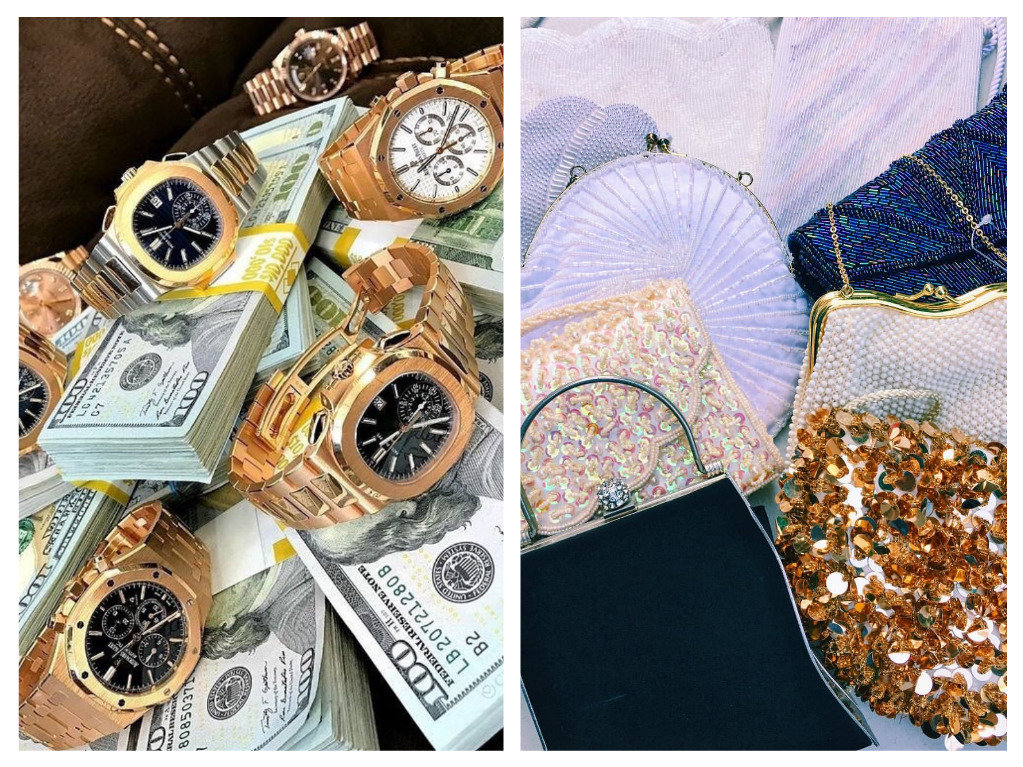
Another model is online communities, where subscribers can use any luxury item from a huge range for free. If the thing is so much loved that it will be impossible to part with it ‒ the customer can purchase it. But for some reason, the majority is quite satisfied with the opportunity to show off each time in a new outfit for a small monthly fee. Poor housewives, who have never in their lives been able to afford to purchase a luxury bag, are willingly becoming clients of such services. But businesswomen with seven-digit annual incomes also become clients of rental. They can easily buy all these things, but why clutter the closet? And why pay thousands for an outfit in which you are going to go out to people only once? The smart choice is to have luxurious things and pay as usual items from the mass market.
Some young brands, in order to conquer new markets, offer their own things to use instead of buying. So they acquaint consumers with their lines and struggle loyalty and trust ‒ the main driving forces of any business in our time.
So far, these services are only the first signs, but the experts are unanimous that in the near future we will see a real boom of second-hand and rental stores. It’s high time for Ukrainian brands to take an interest in these trends.
By Maya Tulchynska
More of this authour: Доступно та просто про моду та стиль and http://cloche.club/