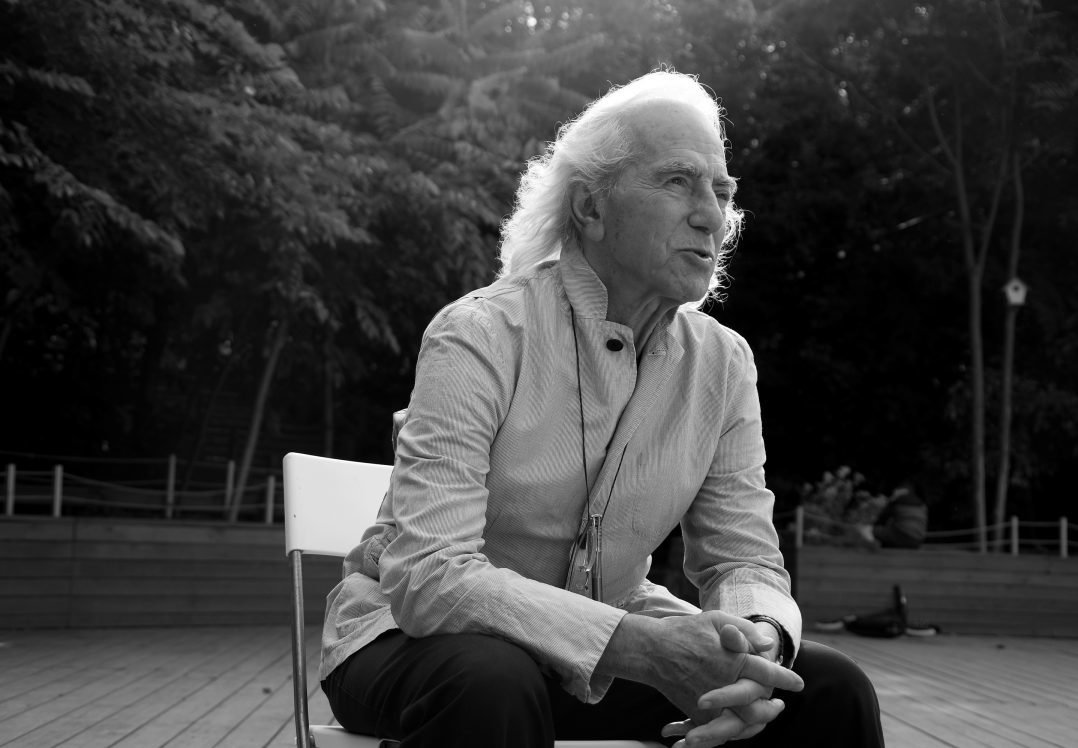


Seva Novgordsev is the most famous Russian-speaking radio presenter of the last century. He fled from the USSR and settled down in London. A young saxophonist received a job on BBC. His work was to tell people who were living behind the Iron Curtain about the West. He made rock music popular in the USSR. Some people even say that he battered down the last nail in the coffin of the USSR. DUMKA talked to Seva about the Soviet mindset, and how to laugh at it properly, so to receive an order from Queen Elisabeth II.
Seva, last time you visited Odesa in 1974. As far as I know, then you managed to walk across the city as well as to visit a famous market Privoz. Can you compare the impressions? Because many Odesa citizens are stuck at this myth of a big communal apartment on Deribasovskaya street, of a specific humor.
I had a great walk because I bumped into Boris Grebenshchikov (famous Russian rock-star), who was also walking across Deribasovskaya street. I don’t believe in strange coincidences, that’s why I am happy about this meeting. It wasn’t so bright here in 1974 – these were dull times. There were a lot of criminals in the city. I was cheated by one of them. I decided to sell some of my things, and the buyer started to count his money. It seemed strange to me, but he fobbed off fake money to me so crafty that I even didn’t get insulted – I saw quite a sophisticated trick. Well, today the city looks different. I feel here differently. It is more neat and European-like.
When you come to former USSR cities, can you feel its legacy? Anyway, it has been 27 years since the dissolution of the Soviet Union.
I came to the USSR in 1990. BBC agreed with Kyiv that Britain journalists would come and forecast in front of everyone. They rented a glass studio in a park. And we were forecasting there like in a zoo. My program was called “Sevaoborot” (a pun with the Russian word sevooborot, “crop rotation“), which involved my 50-minute interview with a guest. But it was impossible to choose a guest in Kyiv then – we were surrounded by crowd. I was going through a 300-people crowd with a mic and had the interview with them. People who had breathed dead air found themselves in a space where there was a fresh air but nobody knew what to do with that freedom. Young people from Kyiv felt it especially strongly. It has been 28 years since that event, and I would like to find people who were there and see how they are living now.
Did you know then already that your programs were so popular?
It is now we live at times when every listener is counted and matters. But then, it was a closed book. Nobody knew anything as there was no feedback. BBC ordered researches on different focus-groups, but they weren’t accurate. We had no data. Later, it turned out that people were constantly writing letters to us but the KGB didn’t let them reach us. Only after the dissolution of the Soviet Union, England understood how popular Russian programs from London were.
Was it important for English people from BBC that there were programs for Russian-speaking audience?
A Russian-speaking BBC succeeded in the 80-s against all the plans and policy of the company. The company then focused on the Fresh Blood policy. They wanted to hire high-skilled journalists with perfect English, who knew from the very beginning how and about what to take interviews. But then, almost every Soviet journalist was controlled by the KGB, and Britons had to hire non-professionals who knew English well and could translate swiftly. They were mostly emigrants from Israel. They found me in Italy. We had different people in our office: museum experts, athletes, an engineer, musicians and even models. Everybody but professional journalists. However, this background resulted in great programs because people knew the Soviet reality not only via propaganda. Then BBC gave up this policy and hired professional journalists, programs began fading. The golden age of the radio ended, and it was one of the reasons why I left the company without any regret.
You hosted music and talk shows on BBC. They had such a big impact that people started to say quite loud words “he battered down a nail in the coffin of the USSR”. How did you appreciate your work in the 70-80-ss?
I had many tours across the Soviet Union for many years. I saw a lot of miserable young men and women. When I was coming back to Britain, I wanted to make those people a bit happier and tried to write something funny and scathing. I was doing it for people, not against the system, as some people say. I didn’t care for the Soviet authorities. I didn’t intend to destroy the USSR, but I had to troll them to reveal their idiotism.
Did Soviet authorities react to this trolling somehow?
Of course! In 1983, some men in grey suits came to the Rovesnik magazine and ordered to write an expose of Seva Novgorodsev. Nobody agreed. After long negotiations, KGB agents made concessions and let the magazine publish an article on “new wave” [rock music of the 80-s, in particular, David Bowie and Blondie, due to which bands of Victor Tsoy, Grebenshchikov, Butusov appeared – ED.]in return for the expose. A young journalist was appointed to write the article, so it was quite empathetic, anyway. That’s why the KGB agents wrote a passage by themselves, “judge for yourself who he is: an Englishman, a Russian or a Jew? He is more likely to be garbage.” I had to react somehow with an English humor, and I said, “Yes, I also was a public order volunteer, but garbage? I’ve never been a garbage [a pun with a Russian word musor (garbage), which is a jargon for police officers – ED.]”

Anyway, these were music shows, which brought you popularity. What songs did you forecast?
It was quite simple. BBC is a huge corporation they had their own charts. I was based on them. I never forecast songs which I personally liked. Firstly, it is a road to nowhere; secondly, it interfered with BBC corporative aims and standards.
What did “western music” mean for a Soviet person?
I was a Soviet musician as well. I remember us performing in the town of Murom among some awful wood houses, and after a concert, we decided to listen to a radio and heard The Beatles. We were astonished by unusual harmony. Rimsky-КKorsakov didn’t teach that way (laughs). A freshness of the sound also astonished us. It was amazing. That’s why I knew how these sounds would be appreciated in Russia. Well, music is a preserved energy. It is multilayer, it absorbs ideas of young people better. That’s why when western music burst into the country – it was like a petrol which sets on fire.
Ukrainians think that only in two or three generations, the Soviet mindset will fade away. In your opinion, how much time will it take to switch from communistic to European identity?
Sooner or later, all that will outlive its usefulness. Not so much because elder generations will die, as because of energy of the young. Young people are very intelligent now, it is hard to cheat on them. There was a joke, “Mongolia’s communism differs from the Estonian one” – because people are different everywhere. By changing people, the society – we will change the country. It was my main life goal. The administrative measures like “taking away a monument or renaming a street” work only within this street. The point is to work with people. Unfortunately, bureaucrats can’t present their position in another way.
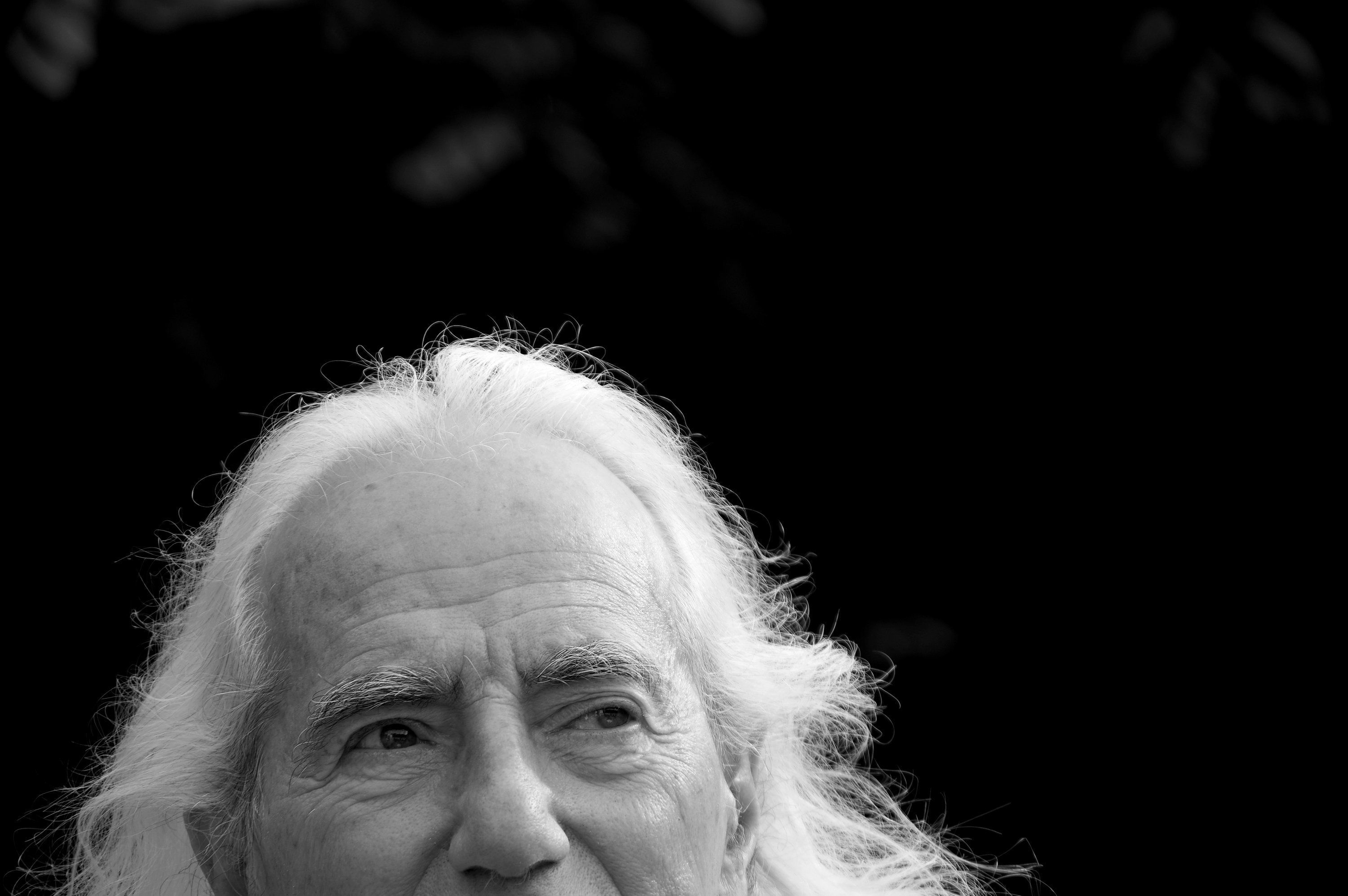
-Well, Queen Elisabeth awarded you with the Order of the British Empire exactly for enlightenment of Soviet people. Tell us about that.
Actually, at first, I received a letter from the Royal Administration where I was asked whether I would agree to accept this award. I was confused, but then it turned out that among English creative intelligentsia it was the highest virtue to refuse from the award. That’s why they always send letters with such a question. I answered that it would be my honor. Several months later, 313 people were awarded in the Buckingham Palace. Queen Elisabeth II knew enough about every person to have a small talk with each. I was amazed at such attention.
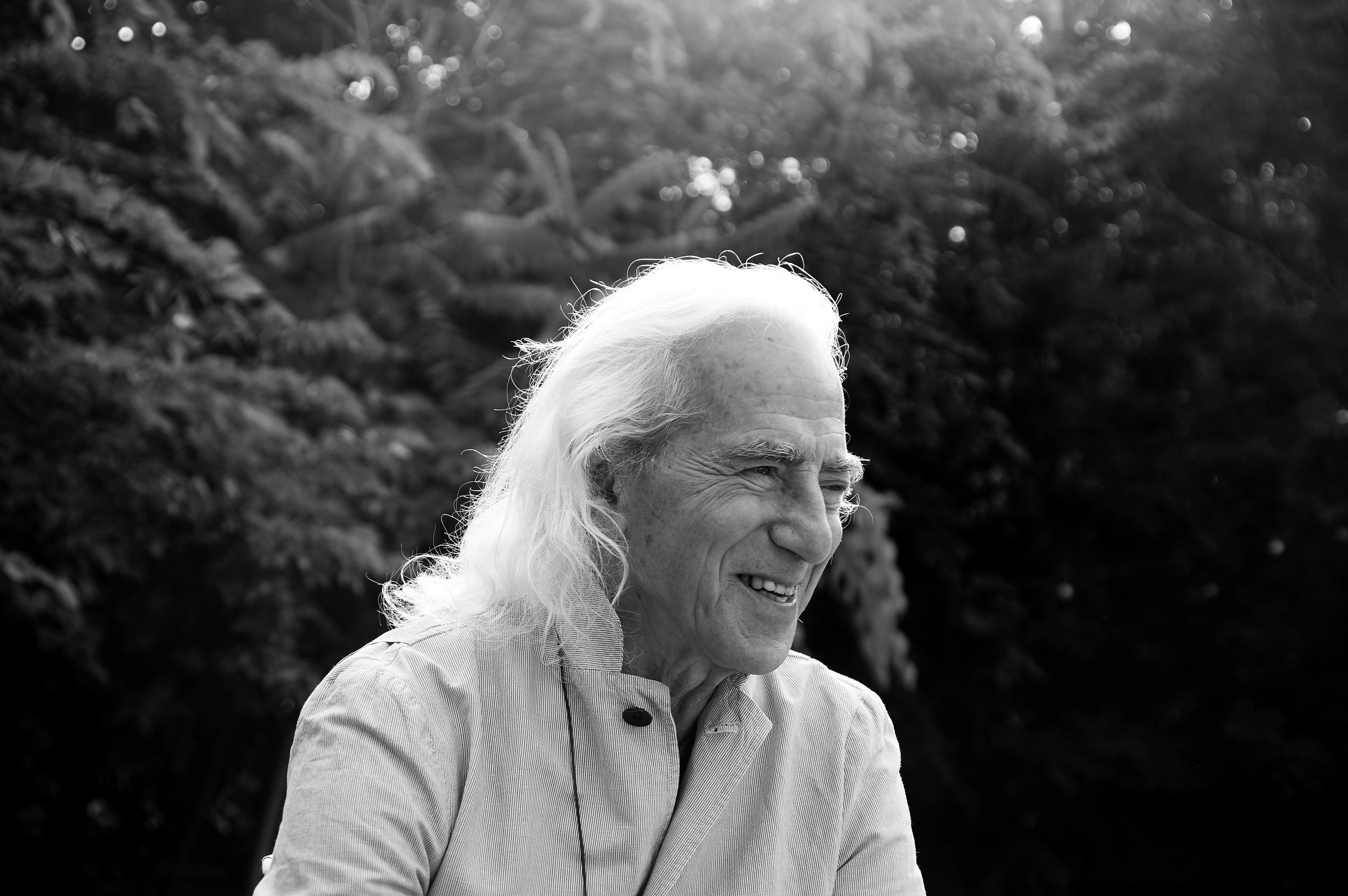
Within our reality, it is hard to imagine that a radio presenter will be awarded such an honorable Order for contribution to the society – today there are only pop-music, short news and comedy shows on air. Even your programs, which had a bigger audience, have closed. Does radio have such a pessimistic future for real?
We can’t consider the format bad or good. Radio is prospering in the USA and England. We have the audience of 8-12 million people in Great Britain. Everything depends on journalists – what they want to convey to listeners. If people don’t listen to them, we can’t blame on radio or a magazine or TV. We should blame on us.
Interview by Kostiantyn Rul
Photo by Sasha Naselenko